The 79th Cannes Film Festival in 2026 presented a provocative and highly anticipated entry into its Official Selection with the premiere of Teenage Sex & Death at Camp Miasma. Directed by acclaimed trans filmmaker Jane Schoenbrun, the film arrived on the Croisette with significant buzz, largely due to Schoenbrun’s growing reputation as a distinctive voice in contemporary independent cinema and the casting of powerhouse talents Hannah Einbinder and Gillian Anderson. Hailed by some critics as Schoenbrun’s most ambitious and original work to date, it also drew a polarizing reception for its unconventional narrative structure and deeply personal thematic explorations. The film, a meta-horror experience that delves into the intricate relationship between sexual identity, obsession with horror media, and the struggle for self-expression, marks a pivotal moment in Schoenbrun’s evolving cinematic journey, pushing boundaries within both the horror genre and queer storytelling.
Premiere at Cannes 2026: A Bold New Voice in Horror
The selection of Teenage Sex & Death at Camp Miasma for the Cannes Film Festival underscores the festival’s continued commitment to showcasing diverse and challenging cinematic voices. Premiering on May 14, 2026, the film instantly became a focal point of critical discussion, embodying the kind of audacious, artist-driven filmmaking that Cannes frequently champions. Set against the backdrop of one of the world’s most prestigious film events, its debut was strategically timed to maximize international exposure and generate fervent discussion among critics, distributors, and cinephiles. The film’s genre-bending nature—melding traditional horror elements with a deeply introspective, almost psychological drama—positioned it as a unique contender in a festival often dominated by more conventional art-house fare. Industry analysts at Cannes noted that the film’s unique premise and the established critical success of its director made it a strong candidate for significant acquisition deals and widespread theatrical release, particularly in the arthouse and independent circuits globally. This premiere reinforced Cannes’ role as a vital platform for films that defy easy categorization and spark intellectual debate, further solidifying the festival’s reputation as a launchpad for groundbreaking cinema.
Jane Schoenbrun’s Cinematic Evolution: From Digital Realms to Primal Fears
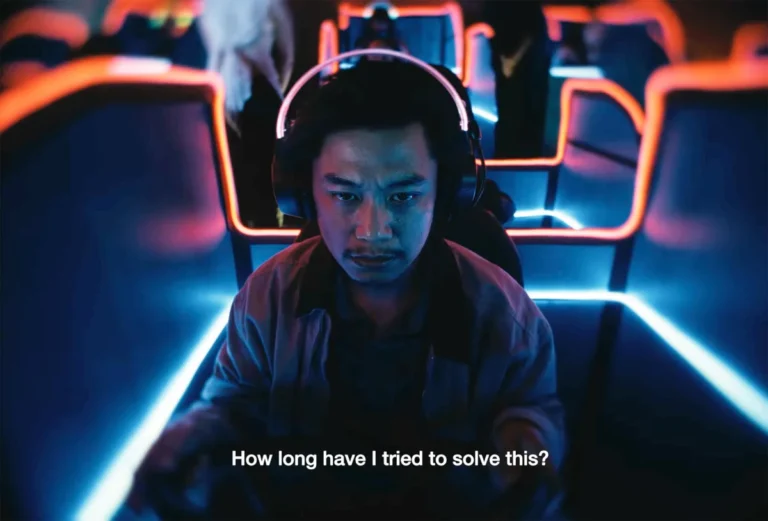
Jane Schoenbrun’s trajectory as a filmmaker has been marked by a consistent exploration of identity, media obsession, and the liminal spaces where reality and digital lives intertwine. Their journey began to gain significant traction with their first feature film, We’re All Going to the World’s Fair, which premiered at the Sundance Film Festival in 2022. This experimental horror film, focusing on a lonely teenager immersing herself in an online role-playing game, garnered critical acclaim for its innovative use of found footage aesthetics and its poignant portrayal of digital alienation and burgeoning identity. Critics praised Schoenbrun’s ability to evoke a sense of unease and profound empathy through a narrative deeply rooted in contemporary internet culture.
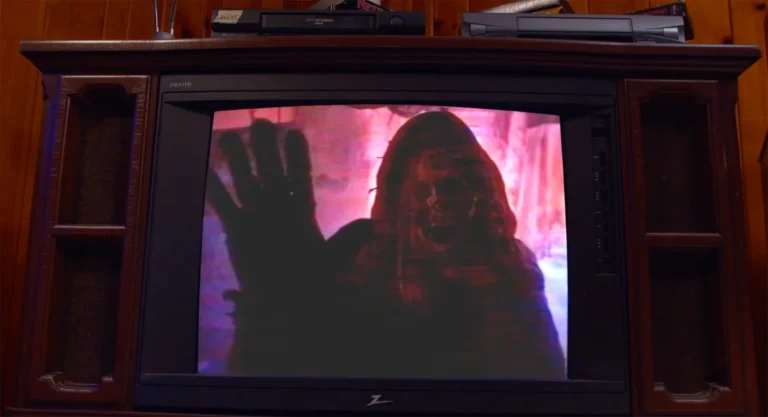
The follow-up, I Saw the TV Glow, released in 2024 and distributed by A24, propelled Schoenbrun into the mainstream independent consciousness. A breakout hit, the film explored themes of queer identity, media obsession, and the construction of self through a shared childhood fixation on a supernatural television show. Its dreamlike aesthetic, melancholic tone, and subtle horror elements resonated deeply with audiences and critics, cementing Schoenbrun’s reputation as a visionary filmmaker capable of crafting narratives that are both deeply personal and universally resonant. I Saw the TV Glow was lauded for its unique blend of coming-of-age drama, psychological horror, and profound meditation on memory and perception. It secured multiple awards and nominations, further establishing Schoenbrun as a leading voice in what has been termed "elevated horror" or "arthouse horror," a subgenre that prioritizes atmosphere, psychological depth, and thematic complexity over jump scares.
Teenage Sex & Death at Camp Miasma represents Schoenbrun’s third feature and a significant step in their artistic development. Building upon the thematic groundwork laid in their previous works, this film delves even deeper into the intersection of personal identity, sexual awakening, and the pervasive influence of horror media. While World’s Fair explored digital identity and TV Glow examined media’s role in self-discovery, Camp Miasma directly confronts the visceral, often messy, aspects of sexual identity through the lens of horror obsession. The casting of more recognizable stars like Gillian Anderson, following the success of I Saw the TV Glow, suggests an increasing confidence in Schoenbrun’s vision and a growing ability to attract talent, indicative of their rising profile in the global film industry. This film can be seen as a culmination of Schoenbrun’s recurring motifs, refined and recontextualized within a more overtly meta-narrative framework, challenging viewers to confront their own relationship with genre and identity.
Thematic Core: Deconstructing Sex, Identity, and the Slasher Trope
At its heart, Teenage Sex & Death at Camp Miasma is a complex meta-horror story that uses the genre as a vehicle for a deeply personal exploration of sexual identity and anxiety. The narrative centers on Kris, portrayed by Hannah Einbinder, a queer horror filmmaker who serves as an almost autobiographical avatar for Schoenbrun themselves. Kris’s obsession with horror cinema, a recurring motif in Schoenbrun’s oeuvre, is presented not merely as a passion but as a fundamental means through which she attempts to understand and express her own identity, particularly her struggle with sexual experience and intimacy. The film’s central conceit, as noted by critics, revolves around Kris’s inability to achieve orgasm, transforming the horror landscape into a metaphorical battleground for her internal sexual anxieties. It’s less a traditional horror film and more a psychological study of a character for whom horror has become an intricate, sometimes damaging, lens through which to view the world and her own sexuality.
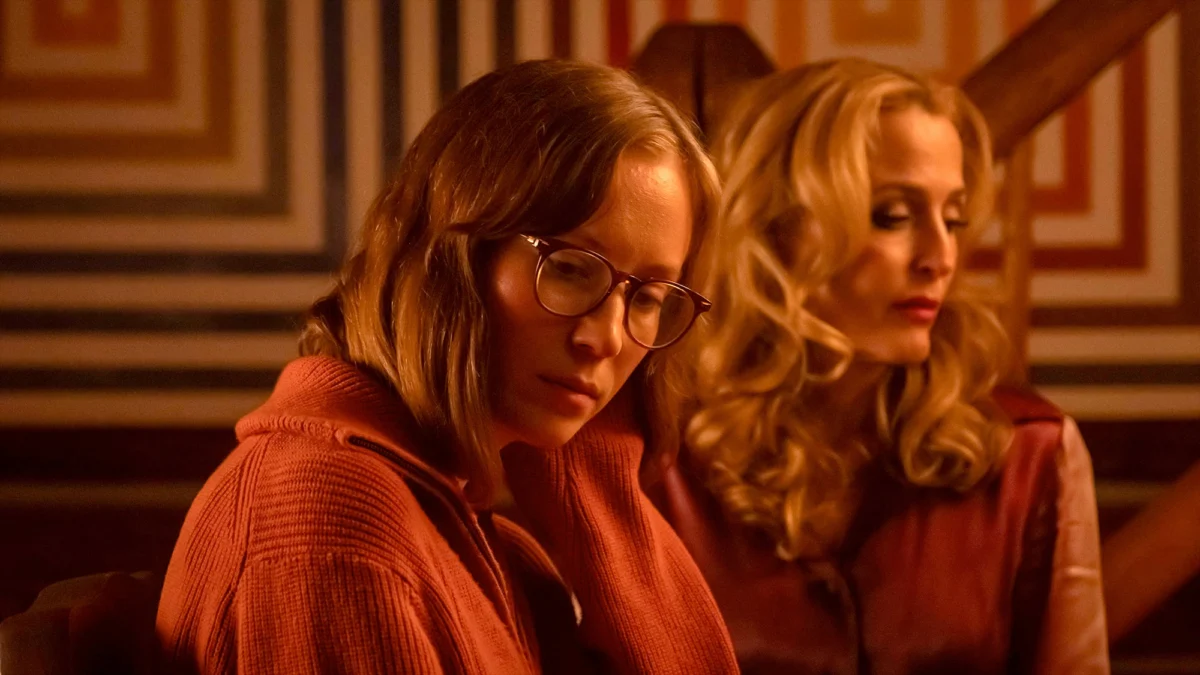
A significant component of the plot involves Kris’s quest to remake a "washed up, long dead horror franchise," an evident nod to iconic slasher series like Friday the 13th or Halloween. This endeavor leads her to the Pacific Northwest to seek out Billy, the reclusive original "final girl" star of the first film in the franchise, played by Gillian Anderson. The "final girl" trope, a cornerstone of slasher horror, traditionally represents purity and resilience, often the sole survivor who confronts and defeats the killer. Schoenbrun subverts this trope by transforming Billy into an object of Kris’s queer awakening and desire, rather than a symbol of virginal survival. The ensuing "sexual awakening adventure" between Kris and Billy becomes the true core of the narrative, using the framework of a horror remake to explore themes of mentorship, desire, and the complex process of self-discovery. This narrative choice, while lauded for its originality, also contributed to the film’s polarizing reception, with some critics finding the tonal shifts between meta-commentary on horror and intimate sexual exploration somewhat jarring.
The film also engages with a critical discourse on "woke" remake culture in Hollywood, where legacy franchises are frequently revived with contemporary sensibilities. Kris herself laments the prevalence of these "zombie undead" remakes, yet the film paradoxically indulges in the very practice it critiques by showing a "film-within-the-film" sequence depicting her own remake. This apparent inconsistency led some reviewers, including Alex Billington, to suggest the film’s commentary was "too simple" and potentially betrayed its own stated intentions. However, others argued this could be interpreted as a deliberate meta-critique, highlighting the inherent contradictions and compromises within the creative process, especially when personal artistic vision collides with commercial demands or ingrained genre expectations. It poses questions about whether an artist can truly critique a system while simultaneously operating within it, or if the act of creating a personal version of a corporate product is itself a form of reclamation. This approach, where the film itself becomes a therapeutic process for its protagonist (and by extension, perhaps the filmmaker), leads to the critique of "therapy-as-filmmaking." While this intimate, self-exploratory style resonates deeply with many who find solace and recognition in such narratives, others perceive it as overly self-indulgent, prioritizing personal catharsis over universally compelling storytelling. This duality underscores Schoenbrun’s distinctive style—a refusal to neatly separate the personal from the artistic, making their films both deeply authentic and inherently challenging.
Stellar Performances Anchor the Narrative

Despite the critical debates surrounding its narrative coherence and thematic execution, Teenage Sex & Death at Camp Miasma received almost universal praise for its lead performances. Hannah Einbinder, widely recognized for her comedic prowess in the acclaimed series Hacks and her stand-up career, delivers a remarkably nuanced and vulnerable portrayal of Kris. Her performance is described as "entrancing and exciting," bravely exposing Kris’s insecurities, anxieties, and a raw yearning for connection and self-understanding. Einbinder skillfully navigates the character’s internal conflicts, from her intellectual obsession with horror to her deeply personal struggle with sexual intimacy, marking a significant dramatic expansion for the actress. Her ability to convey both the sharp wit of a genre enthusiast and the profound vulnerability of someone undergoing a sexual awakening was a critical factor in grounding the film’s more abstract concepts.
However, it was Gillian Anderson’s performance as Billy, the reclusive "final girl" icon, that frequently stole the show. Critics lauded Anderson as "the real gem" of the film, describing her portrayal as being "on a whole other level." Known for her iconic roles as Dana Scully in The X-Files, Margaret Thatcher in The Crown, and Jean Milburn in Sex Education, Anderson brought her formidable talent and commanding screen presence to a character layered with history and quiet resilience. She effortlessly embodies the weathered wisdom and enigmatic charm of a former scream queen, retreating from the limelight, yet still possessing an undeniable magnetism. Anderson’s ability to "slip so smoothly into this role" and "whisk us away into her quirks and intrigues" was pivotal, providing a compelling counterpoint to Einbinder’s more overtly anxious performance. The chemistry between Einbinder and Anderson was widely highlighted as a driving force of the film, creating a believable and emotionally resonant relationship that anchors the narrative’s more experimental elements. Both actresses reportedly understood Schoenbrun’s unique vision for their characters, resulting in performances that felt authentic and deeply integrated into the film’s overarching themes of intimacy, mentorship, and queer discovery. This strong central dynamic ultimately allows the film to explore its complex ideas about identity and desire, even when its broader commentary on horror tropes and remake culture proved less incisive for some viewers.
Cannes Buzz and Industry Reception: A Divisive Yet Significant Entry
The premiere of Teenage Sex & Death at Camp Miasma at Cannes 2026 ignited a flurry of discussions, reflecting the festival’s capacity to both celebrate and dissect innovative cinema. The initial critical reception was notably polarized, a common outcome for films that push thematic and stylistic boundaries. While many critics lauded Schoenbrun’s unique vision and the film’s brave exploration of queer sexuality and meta-horror, others, as exemplified by Alex Billington’s review, found the execution inconsistent and the narrative overly self-indulgent. This division, however, is often a hallmark of significant, groundbreaking works that challenge conventional storytelling.
The film’s presence at Cannes, particularly within the Official Selection, bestowed upon it an immediate global platform, attracting the attention of international distributors and film enthusiasts. Industry insiders observed a palpable buzz surrounding the film, despite the divided critical consensus. The combination of Schoenbrun’s rising star, the compelling performances by Einbinder and Anderson, and the film’s provocative subject matter ensured its status as a must-see title. Analysts speculated on its potential for significant acquisition, particularly from distributors specializing in independent and genre-bending cinema, such as A24, Neon, or Mubi, which have historically supported Schoenbrun’s work. The market value of a film premiering at Cannes is inherently elevated, and Camp Miasma‘s controversial yet compelling nature positioned it as a high-profile target for companies looking to acquire distinctive voices. The debate it sparked at the festival itself, regarding the role of personal narratives in cinema and the artistic merit of meta-commentary, solidified its place as a significant cultural artifact of the 2026 festival, irrespective of its commercial success.
Broader Implications for Queer Horror and Independent Cinema
Teenage Sex & Death at Camp Miasma carries significant implications for both Jane Schoenbrun’s career and the broader landscape of queer horror and independent cinema. For Schoenbrun, the film solidifies their position as one of the most distinctive and audacious voices working today. Despite the criticisms of self-indulgence, the film’s ambition and artistic courage are undeniable. It signals a filmmaker unafraid to tackle deeply personal themes through unconventional means, further establishing a unique stylistic and thematic brand. This trajectory suggests Schoenbrun will continue to attract significant talent and resources for future projects, potentially bridging the gap between niche independent cinema and broader arthouse appeal.
Within the horror genre, the film contributes to a growing trend of "elevated horror" that prioritizes psychological depth, social commentary, and artistic expression over traditional jump scares and gore. More specifically, it pushes the boundaries of queer horror, moving beyond simple representation to a nuanced exploration of queer desire, anxiety, and self-discovery as central narrative elements. This aligns with a broader movement in cinema to diversify storytelling and provide authentic portrayals of marginalized experiences, using genre as a powerful lens for introspection. The film’s willingness to conflate sexual anxiety with horror tropes, and to center a queer sexual awakening, offers a fresh perspective that challenges the historically heteronormative conventions of the slasher genre.
For independent cinema as a whole, Camp Miasma serves as a testament to the enduring power of auteur-driven filmmaking. In an era often dominated by franchise blockbusters, films like Schoenbrun’s demonstrate that there remains a vibrant appetite for original, thought-provoking narratives that engage with complex human experiences. The film’s ability to attract top-tier talent like Gillian Anderson to an indie project underscores the prestige and creative freedom offered by independent productions, allowing actors to explore challenging and unconventional roles. This reinforces the indie film ecosystem as a crucial incubator for artistic innovation and a necessary counterpoint to mainstream commercial cinema, promising a future where diverse voices and boundary-pushing narratives continue to find a platform.
Conclusion: A Provocative Statement on Modern Horror and Self-Discovery
Teenage Sex & Death at Camp Miasma stands as a provocative and undeniably unique entry in the 2026 Cannes Film Festival lineup, and a significant milestone in Jane Schoenbrun’s burgeoning career. While not without its detractors who pointed to its self-indulgent tendencies and narrative inconsistencies, the film’s strengths—particularly its original premise, powerful performances by Hannah Einbinder and Gillian Anderson, and its audacious thematic exploration of queer identity and sexual anxiety through the lens of horror—cannot be overstated. It is a film that demands engagement, sparking conversations about the nature of horror, the role of personal narrative in cinema, and the evolving representation of queer experiences on screen. Schoenbrun continues to demonstrate an unwavering commitment to a distinctive artistic vision, crafting films that are deeply personal, often challenging, yet ultimately contribute to a richer, more diverse cinematic landscape. Teenage Sex & Death at Camp Miasma is not merely a film about horror; it is a film about the horror of self-discovery, the terror of intimacy, and the profound journey of understanding one’s own desires, leaving an indelible mark on both the festival and the ongoing discourse of contemporary cinema.