Warner Bros. Discovery (WBD) shareholders have officially cast their ballots in a preliminary vote on Thursday, signaling overwhelming support for the company’s proposed merger with Paramount Skydance. The approval marks a definitive step toward the conclusion of a high-stakes, multi-month bidding war that has captivated the media and entertainment industry. Under the terms of the agreement, Paramount Skydance has offered $31 per share to acquire the entirety of Warner Bros. Discovery, a deal that encompasses a massive portfolio of assets including the Warner Bros. film and television studios, the HBO Max streaming platform, and a suite of influential cable networks such as CNN, TNT, and the Discovery Channel.
The shareholder vote represents a pivotal moment for both companies as they seek to navigate an increasingly consolidated and competitive media landscape. While the approval of the transaction itself was decisive, the vote also highlighted significant internal friction regarding executive compensation. Shareholders notably voiced their opposition to the lucrative "golden parachute" packages slated for top executives, most notably WBD Chief Executive Officer David Zaslav. Despite this dissent, the merger remains on track for a projected closing in the third quarter of the year, pending final regulatory oversight and the satisfaction of standard closing conditions.
A Competitive Bidding Process and the Path to Consolidation
The road to the current agreement was defined by a volatile and public auction process that began in earnest in September. As the traditional media model continues to face pressure from declining linear television revenues and the capital-intensive nature of the "streaming wars," Warner Bros. Discovery became a prime target for consolidation. The bidding war initially featured several heavyweight contenders, including Netflix and Comcast, both of whom viewed WBD’s premium content library and studio infrastructure as essential tools for scaling their own digital ecosystems.
Throughout the autumn and early winter, negotiations fluctuated as various parties submitted competing proposals. Netflix, in particular, was reportedly interested in acquiring WBD’s film and television studios and its streaming assets to bolster its original content production capabilities. However, the momentum shifted decisively in late February when Paramount Skydance significantly increased its offer to $31 per share. This elevated valuation prompted Netflix to formally withdraw from the process, clearing the way for Paramount to emerge as the primary suitor.
The deal is structured to provide significant financial security for WBD shareholders while accounting for the inherent risks of such a massive consolidation. To address potential antitrust concerns, Paramount’s offer includes a staggering $7 billion breakup fee, which would be payable to WBD in the event the merger fails to secure the necessary regulatory approvals. Furthermore, Paramount has agreed to cover the $2.8 billion breakup fee that WBD owed to Netflix following the termination of their previous preliminary discussions. This financial commitment underscores Paramount’s confidence in the strategic necessity of the merger.
Strategic Objectives and the Next-Generation Media Vision
The proposed union of Warner Bros. Discovery and Paramount Skydance is designed to create a "next-generation" media powerhouse capable of competing with tech-driven giants like Disney, Amazon, and Apple. By combining WBD’s deep library—which includes the DC Universe, the Harry Potter franchise, and HBO’s prestige dramas—with Paramount’s iconic film studio and Skydance’s production prowess, the new entity aims to achieve unprecedented scale in both content creation and distribution.
In a statement released following the vote, Paramount emphasized that the acquisition is a milestone in building a company that better serves the creative community and global consumers. The leadership of both firms argues that the merger will allow for greater efficiency in streaming operations, combining the technology and subscriber bases of HBO Max and Paramount+ to create a more formidable competitor in the direct-to-consumer space.
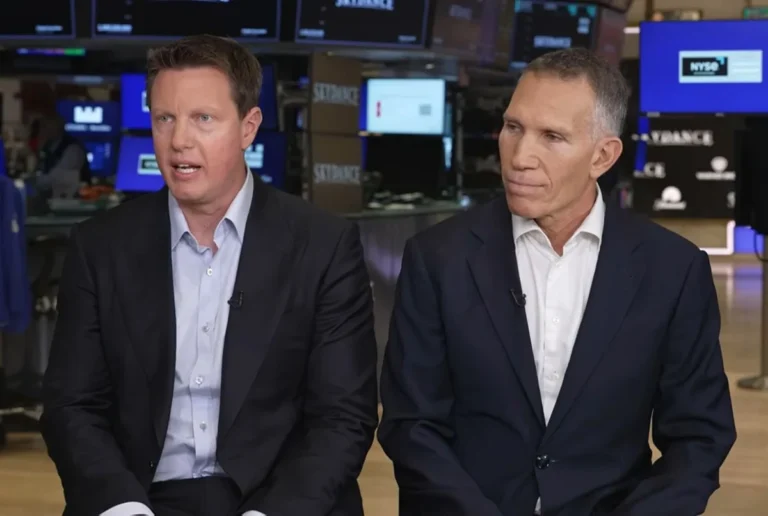
David Zaslav, CEO of Warner Bros. Discovery, echoed these sentiments, highlighting the transformation the company has undergone since the 2022 merger of WarnerMedia and Discovery. Zaslav noted that the shareholder approval is a "key milestone" in a transaction that he believes will deliver exceptional value to stockholders. He asserted that the combined company would be positioned as an industry leader, uniquely equipped to navigate the transition from legacy media to a digital-first future.
The Executive Compensation Conflict: The $800 Million Payout
While the merger itself received a green light from the investor base, the vote on executive compensation revealed a deep rift between the board of directors and the shareholders. The primary point of contention is the "golden parachute" package designed for David Zaslav and other high-ranking officials. According to regulatory filings and analysis from proxy advisory firms, Zaslav’s exit package and associated bonuses are valued at more than $800 million.
This payout is comprised of approximately $500 million in stock awards and severance, along with an additional $335 million intended to cover what is known as the "golden parachute excise tax." This tax was originally established by Congress in the 1980s as a deterrent against excessive executive payouts during corporate takeovers. However, many corporations now include "gross-up" provisions, where the company pays the tax on behalf of the executive, effectively neutralizing the penalty intended by the law.
Institutional Shareholder Services (ISS), a leading proxy advisory firm, had explicitly recommended that shareholders vote against these payouts. ISS described the compensation packages as excessive, particularly the excise tax gross-up, which it argued was not in the best interest of the shareholders. Despite the "overwhelming" rejection of these pay packages by the shareholders in Thursday’s vote, the result is non-binding. Under current corporate governance rules, the company is not legally obligated to cancel the payments, and they are expected to proceed as planned upon the closing of the deal.
Regulatory Outlook and Industry Implications
The final and perhaps most significant hurdle for the WBD-Paramount Skydance merger lies with federal regulators. The Department of Justice (DOJ) and the Federal Trade Commission (FTC) have signaled an increasingly skeptical stance toward large-scale media consolidations under the current administration. Regulators are expected to scrutinize the deal for potential impacts on competition in the streaming market, the film production industry, and the labor market for creative talent.
The $7 billion breakup fee included in the deal serves as a "hedge" against these regulatory risks, providing WBD with a significant cash infusion should the government block the transaction. Analysts suggest that the merger will likely face intense questioning regarding the concentration of major film studios—reducing the "Big Five" studios to an even smaller group—and the potential for reduced diversity in news and sports broadcasting, given the combination of CNN and CBS news assets.
From a broader industry perspective, this merger signals the end of the "growth at any cost" era for streaming. The focus has shifted toward profitability, debt reduction, and the realization of synergies. Warner Bros. Discovery has spent the last two years aggressively cutting costs and restructuring its debt load, which stood at over $40 billion following its previous merger. Integrating with Paramount Skydance offers a path toward further operational efficiencies, though it also presents the daunting task of merging two massive corporate cultures and overlapping infrastructures.
Financial Performance and Market Reaction
Following the announcement of the preliminary vote, market analysts have noted that the $31 per share offer represents a meaningful premium over WBD’s "unaffected" share price—the price at which the stock traded before merger rumors began to circulate. ISS noted in its report that the cash consideration provides "liquidity and certainty of value" to shareholders, especially given the volatility of media stocks over the past twenty-four months.
The financial health of the combined entity will be a primary focus for investors in the coming months. Proponents of the deal argue that the combined cash flows from theatrical releases, licensing, and a consolidated streaming service will provide the necessary capital to continue investing in high-quality intellectual property. Conversely, skeptics point to the continued decline of the linear television business, which remains a significant source of cash flow for both WBD and Paramount. The challenge will be to manage the decline of traditional cable while simultaneously scaling a profitable digital replacement.
Chronology of the Warner Bros. Discovery and Paramount Skydance Transaction
- September: Initial reports surface regarding Paramount Skydance’s interest in a potential tie-up with Warner Bros. Discovery. A formal bidding process begins, attracting interest from Netflix and Comcast.
- October – December: A period of "due diligence" and competing offers. Netflix emerges as a strong contender for WBD’s studio assets.
- January: Paramount Skydance enters exclusive negotiations with WBD leadership, exploring a whole-company acquisition rather than a piecemeal sale.
- February: Paramount increases its bid to $31 per share. In response, Netflix officially withdraws its proposal, citing the superior valuation of the Paramount offer.
- March: Proxy advisory firms, including ISS, release reports recommending the merger but criticizing executive pay structures. Details of David Zaslav’s $800 million payout become public.
- Thursday (Current): WBD shareholders approve the merger in a preliminary vote but reject the executive compensation packages.
- Q3 (Projected): The transaction is expected to close, contingent upon regulatory approval from the DOJ and FTC.
As the media world awaits the final regulatory verdict, the approval by Warner Bros. Discovery shareholders marks the end of one chapter and the beginning of another. The industry is watching closely to see if this latest consolidation will provide the stability and scale needed to thrive in the digital age, or if the complexities of such a massive integration will present new challenges for the "next-generation" media giant. For now, the focus remains on the transition team as they prepare for a third-quarter integration that will reshape the landscape of global entertainment.