


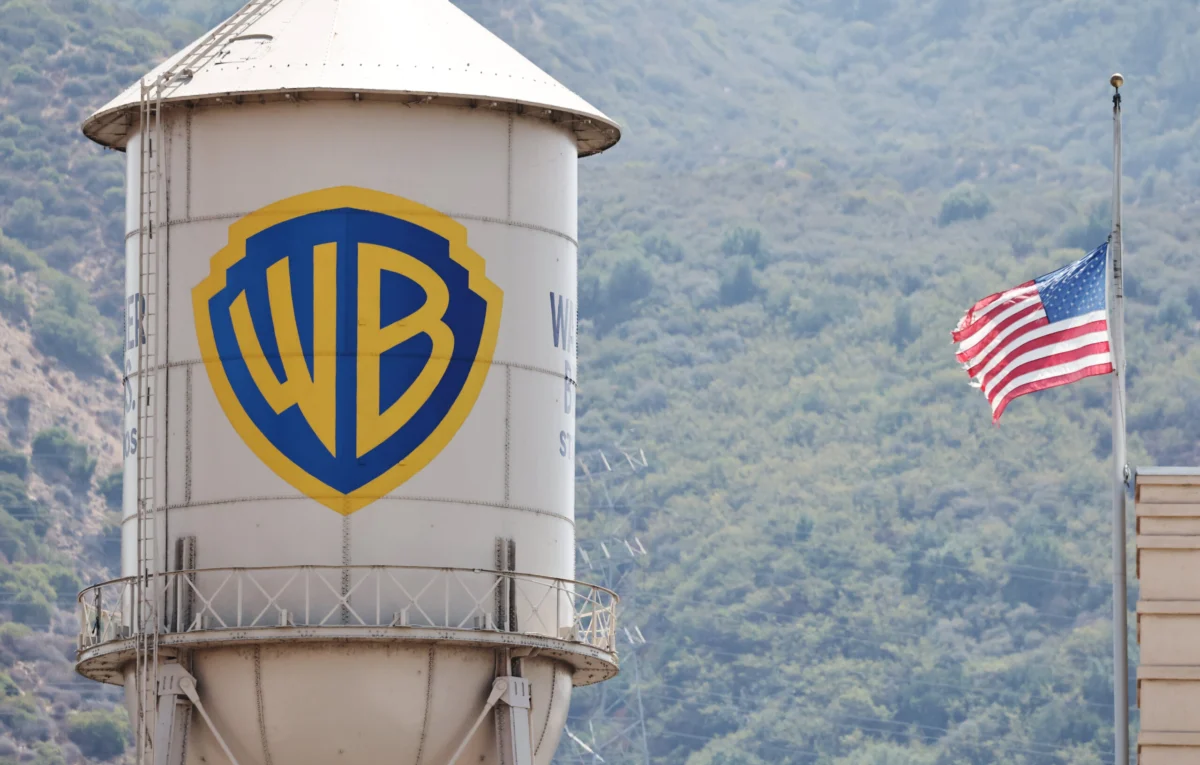
The board of directors at Warner Bros. Discovery (WBD) reached a pivotal decision on Thursday, signaling a preference for Paramount Skydance’s $31-per-share acquisition offer over a competing $27.75-per-share bid from Netflix. While the decision marks a potential financial windfall for WBD shareholders, it has triggered a wave of apprehension across the company’s global workforce. The move represents a significant step toward further consolidation in a media industry already reeling from years of aggressive restructuring, shifting consumer habits, and the volatile transition from traditional linear television to streaming-first models.
The proposed merger, which values the combined enterprise at approximately $111 billion, aims to create a media titan capable of competing with the likes of Disney and Amazon. However, the path to completion remains fraught with regulatory hurdles and internal cultural friction. As WBD CEO David Zaslav acknowledged in a Friday all-hands meeting, the transaction is far from a "done deal," leaving thousands of employees in a state of professional limbo.
The Financial Landscape of the Two Bids
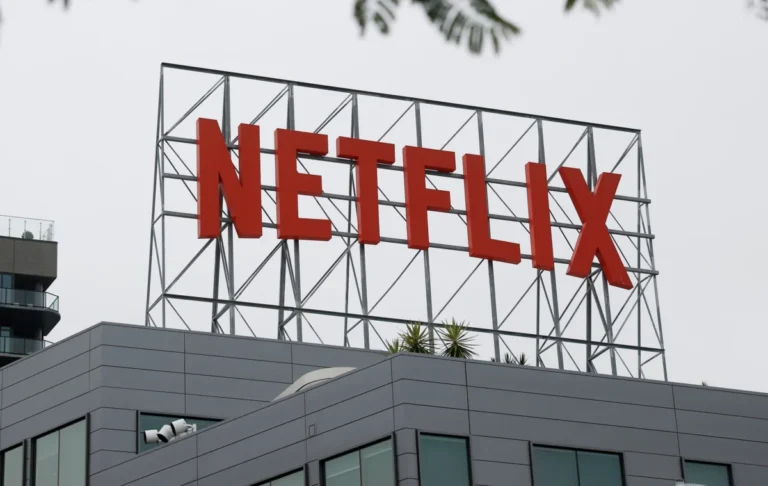
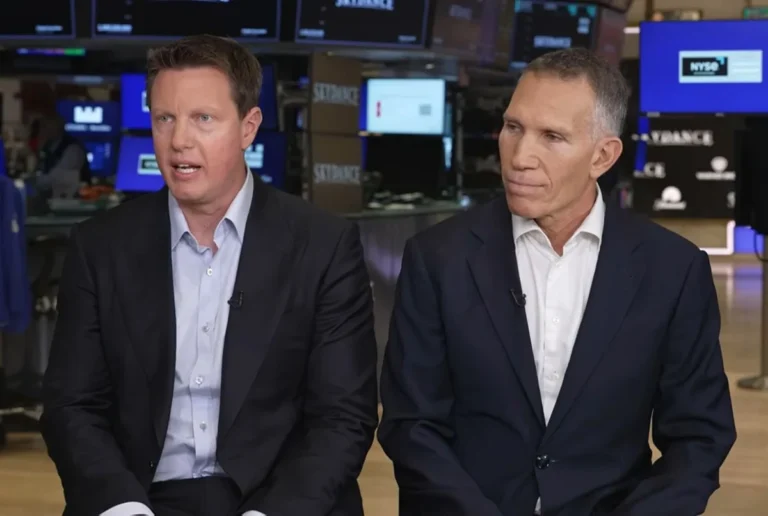
The Warner Bros. Discovery board’s decision was largely driven by its fiduciary responsibility to maximize shareholder value. The Paramount Skydance offer, led by David Ellison, provided a clear premium over the Netflix proposal. At $31 per share, the bid represents a substantial increase from WBD’s recent trading levels and outpaces the $27.75-per-share offer from Netflix.
Beyond the per-share price, the structures of the two deals differed fundamentally. Netflix’s interest in WBD was reportedly surgical. The streaming giant sought WBD’s vast library of intellectual property and the HBO Max streaming platform but expressed little interest in the company’s legacy linear assets, such as CNN, TNT Sports, and the Discovery networks. Netflix co-CEO Ted Sarandos had signaled a "hands-off" approach to WBD’s theatrical business, promising to maintain HBO Max as an independent entity for the foreseeable future.
In contrast, the Paramount Skydance proposal is an all-encompassing merger. It seeks to integrate WBD’s assets with Paramount’s existing portfolio, including CBS, Paramount Pictures, and Paramount+. This "all-in" approach, while financially superior on paper, brings with it the baggage of significant debt. The combined entity would carry an estimated $64 billion in debt, a figure that has raised alarms among analysts and employees who have seen WBD struggle to service its current debt load following the 2022 merger of Discovery and WarnerMedia.
A Chronology of Media Consolidation
To understand the current state of WBD, one must look back at the series of massive transactions that have defined the last decade of Hollywood. The lineage of WBD is a complex web of corporate marriages. In 2018, AT&T acquired Time Warner for $85 billion after a protracted legal battle with the Department of Justice. Less than four years later, AT&T spun off the media assets to merge them with Discovery Inc., forming the current Warner Bros. Discovery under the leadership of David Zaslav.
Since the 2022 merger, WBD has been defined by aggressive cost-cutting measures, including the cancellation of nearly finished projects like "Batgirl" and the implementation of thousands of layoffs across its divisions. Meanwhile, Paramount Global underwent its own transformation, recently agreeing to a merger with Skydance Media, led by David Ellison, after months of bidding wars involving various private equity firms and rival media companies.
The sudden convergence of WBD and the newly formed Paramount Skydance represents the latest—and perhaps most ambitious—chapter in this era of consolidation. Should the deal proceed, it would unite two of the "Big Five" Hollywood studios under a single corporate umbrella, a move unprecedented in the modern era of entertainment.
Employee Morale and the Threat of "Duplicative Operations"
While the board views the merger as a strategic victory, the sentiment on the ground at WBD is decidedly more somber. CNBC’s interviews with 10 WBD employees across various divisions revealed a workforce "deflated" by the news. The primary source of anxiety is the looming threat of massive job cuts.
Paramount executives have been transparent about their intentions to find "synergies" in the deal. Chief Strategy Officer Andy Gordon has stated that the company aims to cut $6 billion in costs by eliminating duplicative operations. These cuts are expected to hit the "back office" hardest—departments such as finance, legal, human resources, technology, and infrastructure. Given that both WBD and Paramount have already undergone multiple rounds of layoffs in the last 24 months, many employees feel there is little left to trim without compromising the core functions of the business.

"It feels like we’ve been in a constant state of ‘restructuring’ for five years," said one WBD executive who spoke on the condition of anonymity. "Just as we were starting to find our footing, the rug is being pulled out again. People aren’t just worried about their jobs; they’re worried about the soul of the company."
The Battle for News and Sports
The merger’s impact on news and sports divisions is particularly contentious. At CNN, employees are grappling with the potential for a radical shift in leadership and editorial tone. Mark Thompson, the former New York Times and BBC executive, currently leads CNN. However, under the new structure, Bari Weiss, the editor-in-chief of CBS News, could potentially oversee the combined news operations.
Reports from the Wall Street Journal suggesting that David Ellison promised changes at CNN to appeal to political figures have only exacerbated fears of editorial interference. While CNN media reporter Brian Stelter argued that it would be "foolish" for a new owner to jeopardize a profitable business, the uncertainty has led to what insiders describe as "rampant fear" regarding the future of the network’s anchors and journalistic mission.
The sports landscape presents a different set of challenges and opportunities. WBD’s TNT Sports and Paramount’s CBS Sports have historically targeted different demographics. TNT, through its Bleacher Report and House of Highlights brands, has successfully captured a younger, digital-native audience. CBS Sports, meanwhile, maintains a massive reach among traditional broadcast viewers with its NFL and Masters coverage.
While there is concern about culture clashes between the two divisions, there is also a precedent for cooperation. WBD and CBS have a long-standing partnership in producing the NCAA March Madness tournament. This existing relationship could serve as a blueprint for a smoother integration. Furthermore, WBD’s recent loss of NBA media rights makes the acquisition of CBS’s robust sports portfolio a strategic necessity if the company wishes to remain a major player in live sports broadcasting.
Regulatory Hurdles and the Global Outlook
The road to a finalized WBD-Paramount merger is paved with regulatory obstacles. California Attorney General Rob Bonta has already signaled that the state will closely scrutinize the deal, emphasizing that it is "not a done deal." In Washington D.C., the Department of Justice (DOJ) and the Federal Trade Commission (FTC) have adopted an increasingly skeptical view of large-scale media mergers under the current administration, citing concerns over reduced competition and the impact on consumer pricing.
The transaction will also require approval from European regulators, who have historically been stringent regarding market concentration in the media and technology sectors. If regulators block the deal, WBD would reportedly receive a $7 billion breakup fee—a sum David Zaslav noted would allow the company to "get back to work" as a standalone entity.
Strategic Implications and Market Analysis
From a market perspective, the merger is a defensive play against the growing dominance of Big Tech in the entertainment space. As Netflix, Apple, and Amazon continue to pour billions into original content and live sports, legacy media companies are finding that scale is their only defense. By combining WBD and Paramount, the new entity would possess a library that includes the DC Universe, Harry Potter, Game of Thrones, Star Trek, Mission: Impossible, and Yellowstone.
However, the $64 billion debt load remains the "elephant in the room." High interest rates have made servicing large debts increasingly expensive, potentially limiting the new company’s ability to invest in the very content needed to attract and retain streaming subscribers. Analysts note that while Netflix enjoys a market capitalization of over $400 billion and a relatively clean balance sheet, the WBD-Paramount entity would be operating under significant financial pressure from day one.
The "too many cooks" theory also weighs on the minds of Hollywood insiders. The combined company would feature a roster of high-profile executives—including Jeff Shell, Cindy Holland, George Cheeks, and David Zaslav—all of whom are accustomed to being the ultimate decision-makers. Navigating the egos and differing management styles of these leaders will be a formidable task for David Ellison as he attempts to steer the new conglomerate through a turbulent media landscape.
Conclusion
The Warner Bros. Discovery board’s preference for the Paramount Skydance bid marks a historic turning point for the American media industry. It is a gamble that scale and consolidation can overcome the challenges of a declining linear TV business and a high-interest-rate environment. For shareholders, the $31-per-share offer provides an immediate exit or a stake in a massive new entity. For the thousands of employees at WBD, CNN, and TNT Sports, however, the news brings a period of profound uncertainty, as they wait to see if the regulators in Washington and Brussels will allow the merger to proceed, and what will be left of their divisions if it does.