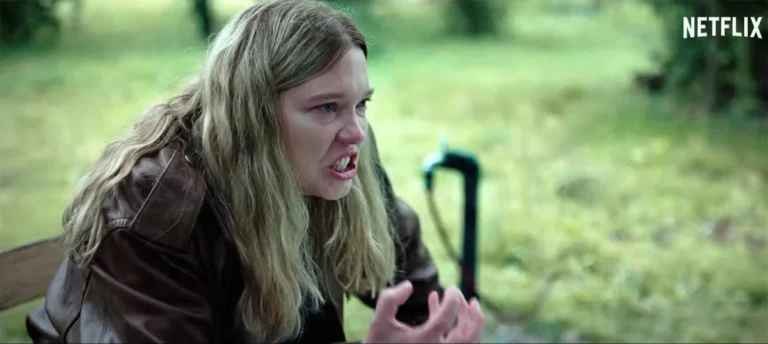


Oscilloscope Labs has officially released the compelling trailer for Union County, an independent drama poised to offer a profoundly realistic and empathetic look into the complexities of drug rehabilitation amidst the ongoing opioid crisis in rural Ohio. The film, which garnered significant buzz and critical acclaim following its premiere at the 2026 Sundance Film Festival earlier this year, highlights an innovative, optimistic rehabilitation program and features a remarkably nuanced and powerful performance from lead actor Will Poulter. Set for a theatrical release on August 14th, 2026, Union County promises to be a poignant cinematic experience that resonates deeply with contemporary societal challenges.
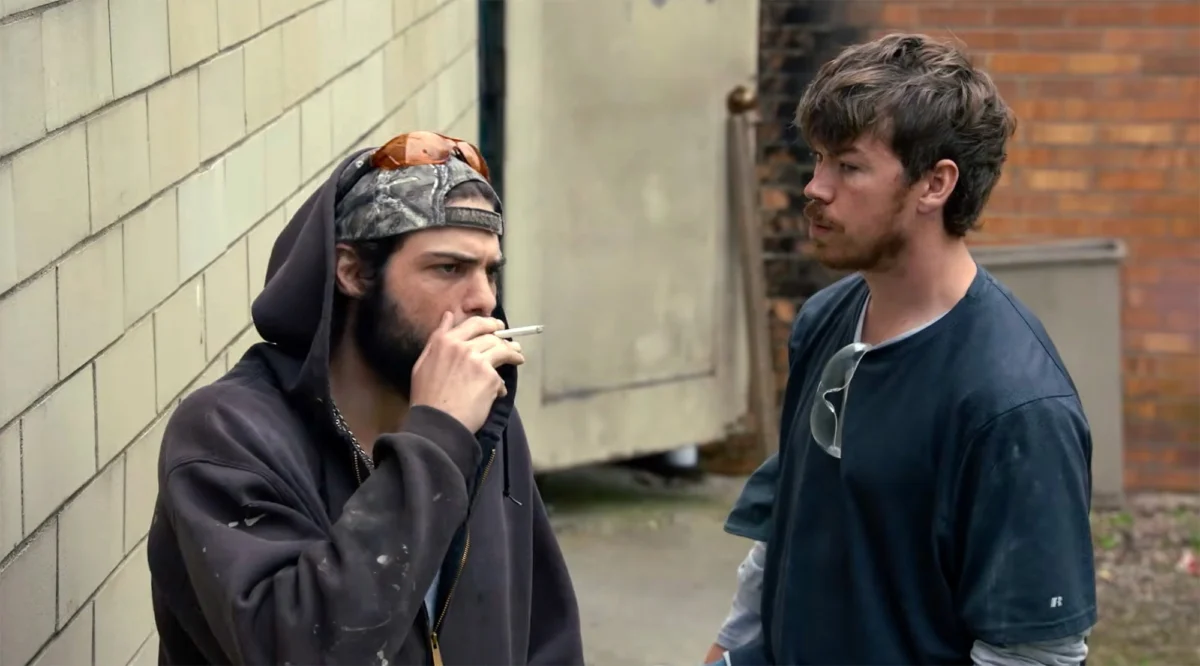
The film centers on Cody Parsons, portrayed by Will Poulter, who embarks on a tenuous journey toward recovery after being assigned to a county-mandated drug court program. His path is set against the backdrop of rural Ohio, an area particularly devastated by the opioid epidemic. The narrative gains an additional layer of authenticity through its unique production methodology: Union County was filmed in a real drug court, and a significant portion of its supporting cast, including Annette Deao, comprises non-actors who are actively involved in the real-life rehabilitation program depicted. This commitment to verisimilitude is a cornerstone of director Adam Meeks’ vision, aiming for an "honest, compassionate portrait of a battle being fought across America and the solidarity that flowers on its front lines," as articulated by Oscilloscope Labs.
The Thematic Core: Unpacking "Union County’s" Narrative of Recovery and Realism
At its heart, Union County is a story of hope, resilience, and the arduous road to recovery. The trailer offers a glimpse into the film’s emotional landscape, underscored by the poignant advice: "Keep working hard, okay. Get yourself around good people." This sentiment encapsulates the film’s central message about the crucial role of community and perseverance in overcoming addiction. Cody’s journey through the court-mandated program is not merely a legal obligation but a profound personal transformation, made possible by the structured support and human connection offered by the rehabilitation initiative.
The decision by director Adam Meeks to film in an actual drug court and cast individuals with lived experience in recovery elevates Union County beyond a mere dramatization. It transforms the film into a quasi-documentary exploration of a deeply personal and widespread struggle. This approach ensures that the portrayal of the rehabilitation process, the daily challenges faced by participants, and the dedication of counselors like Annette Deao, feel raw, unvarnished, and deeply authentic. Such a commitment to realism is crucial for a film tackling a subject as sensitive and complex as the opioid epidemic, allowing audiences to connect with the characters and their struggles on a profoundly empathetic level, devoid of sensationalism or stereotype.
The film’s narrative carefully navigates the delicate balance between the systemic failures that fuel the crisis and the individual triumphs found within recovery programs. It delves into the intricate dynamics of family, particularly through the relationship between Cody and his brother Jack Parsons, played by Noah Centineo, both navigating the demanding landscape of recovery. Their shared struggle and mutual support form a vital emotional anchor, illustrating how addiction impacts not just individuals but entire family units and communities.

The Opioid Epidemic: A National Crisis Reflected on Screen
The backdrop of rural Ohio is not arbitrary; it represents the epicenter of a national public health emergency. The opioid epidemic, which escalated dramatically in the late 20th and early 21st centuries, has disproportionately affected rural and economically vulnerable communities across the United States. States like Ohio have been particularly hard-hit, witnessing devastating rates of overdose deaths and widespread social disruption.
According to data from the Centers for Disease Control and Prevention (CDC), opioid-involved overdose deaths continue to claim tens of thousands of lives annually in the U.S., placing an immense strain on healthcare systems, emergency services, and local economies. The crisis is multifaceted, stemming from a combination of factors including over-prescription of opioid pain relievers, the proliferation of illicit synthetic opioids like fentanyl, and socioeconomic despair. Drug courts, like the one depicted in Union County, emerged as a judicial response to this crisis, offering an alternative to traditional incarceration by integrating substance abuse treatment with judicial oversight. These programs aim to reduce recidivism, foster recovery, and reintegrate individuals back into society, often with varying degrees of success depending on resources and community support.
Union County‘s timely release in 2026 underscores the enduring relevance and urgency of addressing this crisis. By focusing on an "optimistic" program, the film aims to highlight potential pathways to recovery and demonstrate that solutions, though challenging, are attainable. It serves as a cinematic testament to the millions of Americans battling addiction and the dedicated professionals working on the front lines of recovery.
Behind the Scenes: Crafting Authenticity with Adam Meeks
Union County marks a significant milestone for American indie filmmaker Adam Meeks, serving as his feature directorial debut. Prior to this, Meeks has been known for a series of critically lauded short films that often explore themes of human resilience and societal challenges with a keen eye for realism. His directorial style, characterized by a documentary-like approach and a deep commitment to character-driven narratives, is perfectly suited for the subject matter of Union County. Meeks’ deliberate choice to embed his production within a real drug court and cast non-actors alongside established talents speaks volumes about his dedication to capturing an unvarnished truth.
The collaborative spirit behind the film is evident in its extensive list of producers, including Brad Becker-Parton, Martha Gregory, Stephanie Roush, Faye Tsakas, Sean Weiner, Tim Headington, Theresa Steele Page, Ellyn Daniels, Will O’Connor, and Will Poulter himself. This collective effort, particularly Poulter’s involvement as a producer, suggests a shared commitment to the film’s message and authenticity. Such a robust production team is often critical in navigating the complexities of independent filmmaking, especially when dealing with sensitive subject matter and unconventional casting methods. Oscilloscope Labs, known for its discerning taste in distributing artistically significant and socially relevant independent films, is an ideal partner for bringing Meeks’ vision to a broader audience. Their track record includes a diverse array of critically acclaimed features that push boundaries and spark important conversations, aligning perfectly with Union County‘s ambition.

Sundance Acclaim and Critical Momentum
The film’s journey began with a highly anticipated premiere at the 2026 Sundance Film Festival, an annual showcase for independent cinema that often serves as a barometer for future critical and commercial success. Union County emerged from the festival with significant praise, particularly for its raw honesty and the compelling performances of its cast. Critics lauded Adam Meeks’ confident directorial debut, praising his ability to weave a narrative that is both deeply personal and broadly resonant.
Will Poulter’s performance as Cody Parsons was frequently singled out as a career highlight. Having previously demonstrated his versatility in roles ranging from comedic to intensely dramatic (including acclaimed turns in projects like Dopesick that also touched upon the opioid crisis, showcasing his thematic familiarity and commitment), Poulter’s portrayal in Union County is described as remarkably nuanced, powerful, and deeply empathetic. His ability to convey the internal struggle and fragile hope of a person in recovery resonated strongly with festival audiences and critics alike.
The innovative casting of non-actors, particularly Annette Deao as a tireless counselor, also garnered considerable attention. Critics highlighted how Deao’s authentic presence and experience brought an unparalleled level of credibility and emotional weight to the film, blurring the lines between fiction and reality in a way that profoundly impacted viewers. This critical reception at Sundance has set a high bar for Union County, positioning it as a strong contender for awards season consideration and a must-see for audiences interested in powerful, socially conscious cinema.
The Cast: Blending Experience with Authenticity
The ensemble cast of Union County represents a thoughtful blend of established talent and authentic voices. Will Poulter, an actor who has consistently challenged himself with diverse roles, delivers what is being hailed as one of his most impactful performances. His portrayal of Cody Parsons is expected to offer a deeply human perspective on the struggles of addiction and the arduous path to sobriety. Poulter’s commitment to character research and his ability to inhabit complex emotional states make him a compelling choice for such a demanding role.
Joining Poulter is Noah Centineo as Jack Parsons, Cody’s brother. Centineo, who gained widespread recognition for his roles in popular romantic comedies, has steadily been expanding his repertoire to include more dramatic and challenging characters. His casting in Union County signals a continued artistic evolution, and his chemistry with Poulter is reportedly a central, moving element of the film, depicting the fraught yet loving bond between siblings affected by addiction. Their "pitch-perfect performances" as brothers navigating the same challenging program are crucial to the film’s emotional resonance.

Elise Kibler and Emily Meade also contribute to the film’s rich tapestry of characters, bringing their own talents to portray individuals within the rehabilitation community, further enriching the ensemble. However, it is the inclusion of Annette Deao, a non-actor reportedly working within a real drug court program, that underscores the film’s unique commitment to authenticity. Her presence is not just a casting choice but a narrative device, lending an unparalleled layer of lived experience and genuine emotion to the portrayal of the counselor character. This deliberate decision by Adam Meeks ensures that the film’s depiction of the recovery process is grounded in verifiable truth, providing audiences with an intimate and credible look into these vital programs.
Marketing, Distribution, and Broader Implications
With the official trailer now released by Oscilloscope Labs, the countdown to Union County‘s theatrical debut on August 14th, 2026, has officially begun. The trailer effectively showcases the film’s serious tone, the strength of its performances, and the profound social relevance of its subject matter, inviting audiences to witness a story of struggle, hope, and human connection. The accompanying poster designs further reinforce the film’s grounded aesthetic, featuring stark imagery that conveys the gravity and intimate nature of the narrative.
Oscilloscope Labs’ distribution strategy for Union County is likely to involve a carefully curated release in select U.S. theaters, followed by broader availability on digital platforms and streaming services. This approach is typical for critically acclaimed independent films, allowing them to build momentum through word-of-mouth and positive reviews before reaching a wider audience. The film’s official site, unioncounty.oscilloscope.net, serves as a central hub for information, further engaging potential viewers and critics.
The broader implications of Union County extend beyond its cinematic merit. The film has the potential to significantly contribute to public discourse surrounding the opioid crisis, challenging stigmas associated with addiction and highlighting the critical importance of rehabilitation programs. By presenting a humanized and hopeful perspective on recovery, it can foster greater empathy and understanding among viewers, potentially influencing public policy discussions and encouraging support for effective treatment initiatives. As a testament to the power of independent filmmaking, Union County demonstrates that compelling storytelling can not only entertain but also educate, inspire, and drive meaningful social change. Its release is eagerly anticipated by those within the film community and by individuals committed to addressing one of the most pressing public health challenges of our time.