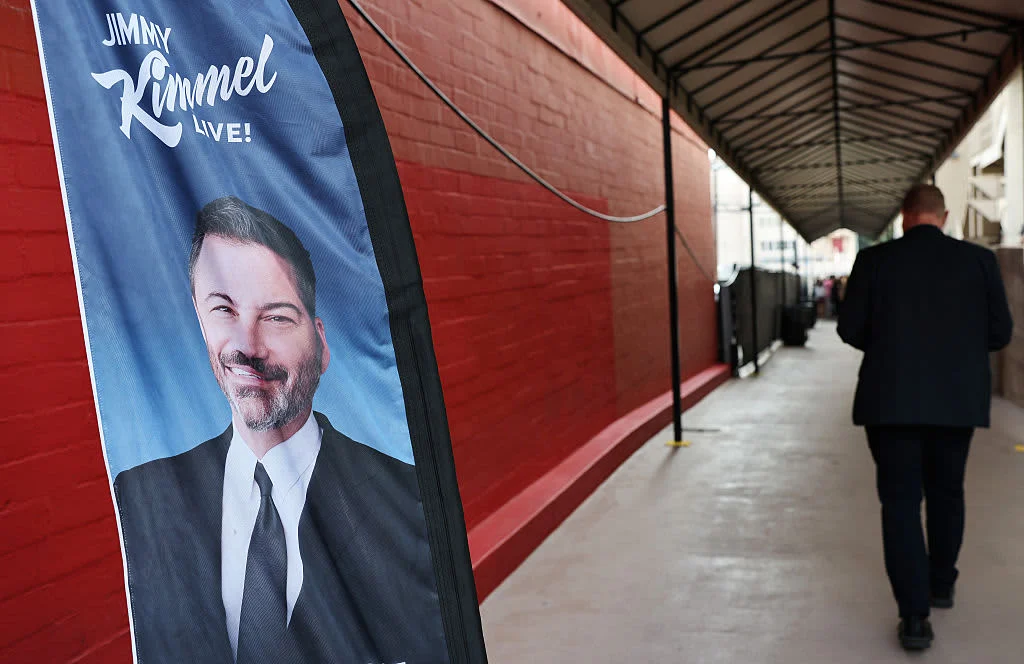
The political and media landscape in the United States has reached a new point of friction as President Donald Trump intensifies his long-standing campaign against late-night television. This week, the President revived his demands for the Walt Disney Company to terminate Jimmy Kimmel, the host of ABC’s "Jimmy Kimmel Live!" The move marks a significant escalation in the tensions between the executive branch and legacy media organizations, occurring just as Disney navigates a leadership transition and faces renewed regulatory scrutiny from the Federal Communications Commission (FCC).
The latest controversy centers on a comedy sketch aired last week in which Kimmel referred to First Lady Melania Trump as an "expectant widow." The remark was made in the context of a satirical monologue delivered just days prior to a reported security incident involving an alleged assassination attempt at the White House Correspondents’ Dinner. The First Lady addressed the comments directly on Tuesday, utilizing her official platform on X (formerly Twitter) to condemn the host. She characterized the sketch as "hateful and violent rhetoric" and argued that such commentary was "intended to divide our country."
Following the First Lady’s statement, President Trump amplified the criticism on his Truth Social platform. He described Kimmel’s monologue as a "call to violence" that exceeded the boundaries of acceptable political satire, labeling the host’s behavior as being "far beyond the pale." The White House communications team further signaled the administration’s stance when Director of Communications Steven Cheung stated that Kimmel should be "shunned" by the industry. Cheung criticized the host for "doubling down" on the joke during a subsequent Monday night broadcast rather than offering a formal apology.
A Pattern of Conflict and Previous Suspensions
This incident is not an isolated event but rather the latest chapter in a tumultuous relationship between Kimmel and the Trump administration. In September 2025, Kimmel’s program was briefly suspended following a monologue concerning the death of conservative activist Charlie Kirk. That incident prompted a sharp reaction from broadcast station owners, including industry giants Nexstar Media Group and Sinclair Broadcast Group. At the time, these affiliates threatened to preempt the program, replacing it with alternative content in their respective local markets.
The September suspension was influenced heavily by comments from FCC Chairman Brendan Carr, who suggested that Kimmel’s rhetoric regarding Kirk raised questions about whether ABC was fulfilling its obligations to the public interest. While Kimmel eventually returned to the air and apologized for the Kirk remarks, the precedent established a framework where political pressure from Washington could manifest as tangible disruption at the local affiliate level.
The current demands for Kimmel’s dismissal place Disney’s newly installed CEO, Josh D’Amaro, in a difficult position. D’Amaro, who took the helm of the entertainment giant just last month, is tasked with steering the company through a complex regulatory environment while maintaining the creative independence of its news and entertainment divisions. Disney has yet to issue an official response to the White House’s latest demands, but the silence underscores the delicate balancing act required to manage a global media brand in a polarized political climate.
Regulatory Pressure and the FCC License Review
The timing of the President’s calls for Kimmel’s firing coincides with reports that the FCC is preparing a comprehensive review of Disney’s broadcast licenses. According to reports from Semafor, the commission is looking into the licenses held by Disney-owned ABC stations across the country. While sources close to the commission suggest that the timing of the review is not explicitly linked to Kimmel’s recent monologues, the broader context of the administration’s dissatisfaction with ABC cannot be ignored.
Under Chairman Brendan Carr, the FCC has increasingly signaled a willingness to scrutinize the "public interest" standards that govern broadcast television. Unlike cable networks or streaming services, broadcast stations operate using public airwaves and are subject to federal oversight regarding their licenses. During the September 2025 controversy, Carr noted that broadcast licenses are a privilege, not a right, and suggested that stations airing content deemed inflammatory or violent could face challenges during the renewal process.

The threat of license revocation is a powerful tool. For Disney, the loss or even the delayed renewal of ABC station licenses in major markets like New York, Los Angeles, and Chicago would have a devastating impact on its bottom line and its reach as a national broadcaster. This regulatory overhang creates a climate of caution within the network, as seen in the previous actions of Nexstar and Sinclair, who chose to pull Kimmel’s show rather than risk their own standing with federal regulators.
The "Colbert Precedent" and Industry Consolidation
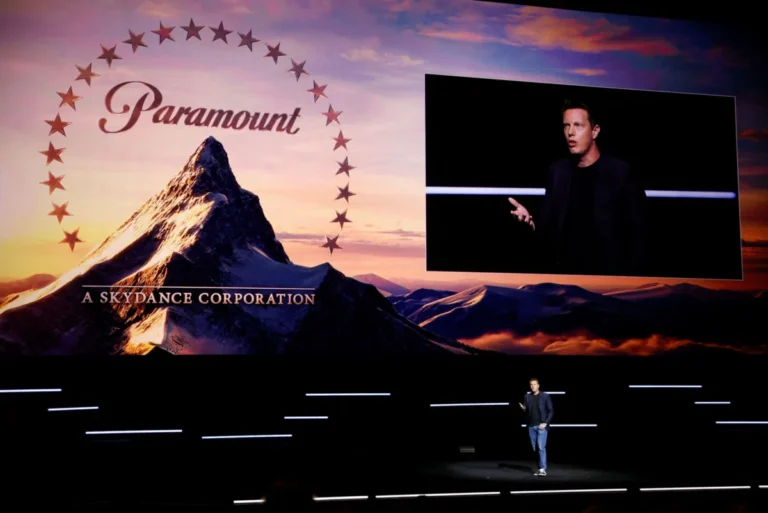
The pressure on Kimmel follows a similar pattern observed at other major networks. In 2025, Paramount Global, the parent company of CBS, announced the conclusion of "The Late Show with Stephen Colbert." The decision came at a critical juncture when Paramount was seeking FCC approval for its merger with Skydance Media. Analysts at the time noted that the removal of a vocal critic of the administration may have smoothed the path for regulatory clearance. The merger was approved shortly after the announcement regarding Colbert’s departure.
While Disney has stated it currently has no major plans for mergers or acquisitions, the company remains sensitive to the whims of federal regulators. The ABC News division has already taken steps to mitigate legal and political risks. In December 2024, the network agreed to a $15 million settlement in a defamation lawsuit brought by Donald Trump against ABC and anchor George Stephanopoulos. The settlement included a contribution toward the President’s future presidential library, a move seen by many as a strategic effort to put an end to a protracted and costly legal battle.
Furthermore, Disney’s internal personnel policies have reflected a lower tolerance for political controversy. Last year, ABC News terminated its relationship with national correspondent Terry Moran after he published a social media post criticizing the President and senior advisor Stephen Miller. These actions suggest a corporate strategy focused on de-escalation, even as its high-profile talent continues to engage in sharp political commentary.
Financial Implications and the Future of Late Night
The financial health of late-night television is also a factor in the current standoff. Traditionally a cornerstone of network profits, late-night talk shows have seen a steady decline in linear viewership as audiences migrate to digital platforms and social media clips. For Disney, the value of "Jimmy Kimmel Live!" is increasingly tied to its viral reach and its ability to attract advertisers looking for a specific demographic.
However, if the show becomes a liability for the parent company’s broader interests—specifically its broadcast licenses—the math changes. The potential cost of regulatory friction or affiliate revolts may eventually outweigh the advertising revenue generated by the program. Data from the 2025 broadcast season showed that while Kimmel remained a top performer in his time slot, the volatility of his content led to a 12% decrease in ad spend from certain conservative-leaning brands, who expressed concern over being associated with divisive rhetoric.
Conclusion and Broader Impact
The renewed push to remove Jimmy Kimmel from the air represents a significant test for the First Amendment and the independence of the American media. It highlights the vulnerability of legacy broadcasters to executive pressure, particularly when that pressure is combined with the regulatory power of the FCC.
As Josh D’Amaro settles into his role as CEO, his handling of the Kimmel situation will serve as a bellwether for Disney’s future relationship with the White House. If Disney chooses to stand by its host, it risks further legal and regulatory challenges that could impact its broadcast footprint. Conversely, if it bows to political pressure, it may face a backlash from its creative community and a segment of its audience that views late-night satire as an essential component of the democratic process.
The outcome of this conflict will likely set the tone for the remainder of the President’s term. It raises fundamental questions about the role of satire in political discourse and the extent to which the government can influence the personnel decisions of private media companies. For now, the industry remains on "precarious footing," watching closely as the White House, the FCC, and one of the world’s largest entertainment companies engage in a high-stakes battle over the boundaries of comedy and the power of the airwaves.