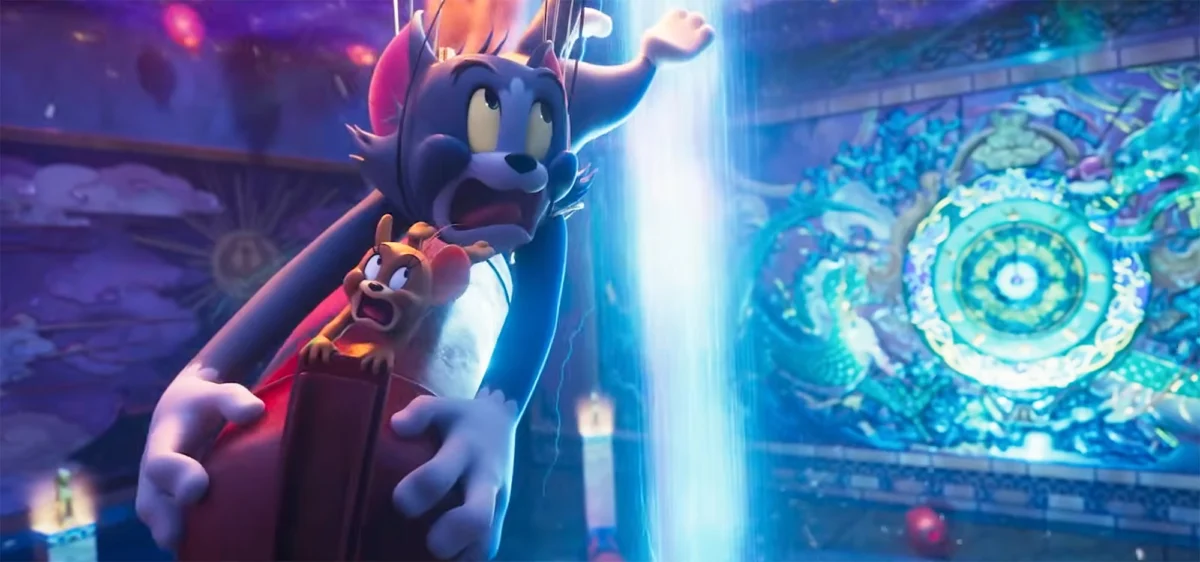
Viva Pictures has officially unveiled the US trailer for Tom & Jerry: Forbidden Compass, confirming a theatrical release across the United States on September 9, 2026. This announcement marks the final leg of a unique global distribution journey for the animated feature, which originated as a Chinese production specifically tailored for the Chinese market before embarking on an extensive international rollout. The film, which first premiered at the 2025 Shanghai Film Festival and subsequently debuted in China last summer, presents a fresh take on the beloved cat-and-mouse duo, blending classic slapstick comedy with a grand adventure narrative.
The Enduring Legacy of Tom & Jerry
The iconic duo of Tom and Jerry, created by William Hanna and Joseph Barbera for MGM in 1940, has transcended generations and geographical boundaries to become one of the most recognizable animated properties in history. Known for their timeless rivalry, physical comedy, and absence of dialogue (in their original theatrical shorts), the characters have starred in hundreds of animated shorts, television series, and feature films. Their enduring appeal lies in the universal language of slapstick humor and the simple yet captivating dynamic between a perpetually frustrated cat and an ingeniously mischievous mouse. Over eight decades, the franchise has garnered seven Academy Awards for Best Animated Short Film, a testament to its artistic and entertainment value.
The brand’s evolution has seen various iterations, from the golden age of Hollywood animation to television series in the 1960s, 1970s, and beyond, including The Tom and Jerry Show, Tom & Jerry Kids, and Tom and Jerry Tales. In the realm of feature films, their cinematic ventures have ranged from traditional animation to hybrid live-action adaptations, demonstrating Warner Bros.’ continuous effort to keep the characters relevant and introduce them to new audiences. The decision to greenlight Tom & Jerry: Forbidden Compass as a Chinese production underscores the global value of the intellectual property and Warner Bros. Animation’s strategy to adapt its classic characters for diverse international markets, particularly the burgeoning animation sector in Asia.
A Global Collaboration: East Meets West in Animation
Tom & Jerry: Forbidden Compass represents a significant collaboration between Western intellectual property and Eastern animation production capabilities. Produced by China Film Co., Ltd, a dominant force in the Chinese film industry, in conjunction with Warner Bros. Animation, the film is a prime example of the increasing trend of international co-productions designed to leverage global appeal while tapping into local market expertise and creative talent. This model allows for cultural nuances to be woven into universally understood narratives, creating content that resonates with specific regional audiences while retaining the core essence of the original characters.
The film is helmed by Chinese animation filmmaker Gang Zhang, marking his feature directorial debut. Zhang’s involvement signifies a deliberate effort to infuse the project with a distinct creative vision rooted in Chinese animation traditions and storytelling sensibilities, even as it features characters universally recognized for their American origins. While specific details about the production process and the creative exchanges between the Chinese and American teams remain proprietary, such collaborations typically involve a delicate balance of artistic freedom and brand guidelines. The objective is often to create a film that feels authentic to its local production context while remaining faithful to the established characteristics of the global franchise. For China Film Co., Ltd, partnering with Warner Bros. Animation on such an iconic brand provides an opportunity to showcase Chinese animation talent on a global stage and potentially foster greater international recognition for their productions. For Warner Bros. Animation, it allows for deeper penetration into the lucrative Chinese market, often facilitated by local co-production status, which can ease distribution complexities and increase box office potential.

Chronology of a Global Release Strategy
The distribution timeline for Tom & Jerry: Forbidden Compass reflects a strategic, staggered release model, beginning with its premiere at the prestigious 2025 Shanghai Film Festival. Film festivals often serve as crucial platforms for generating industry buzz, securing distribution deals, and testing audience reception before wider commercial releases. The Shanghai Film Festival, one of Asia’s largest and most influential cinematic events, provided an ideal launchpad for a film with significant ties to the Chinese market.
Following its festival debut, the film commenced its theatrical run in China last August (2025), where it was initially positioned to capture the attention of local audiences during the competitive summer movie season. The Chinese market has rapidly grown into one of the largest film markets globally, and animated features, both domestic and international, frequently achieve substantial box office success there. After its initial release in China, Tom & Jerry: Forbidden Compass embarked on a comprehensive international rollout, debuting in various territories worldwide over the subsequent months. This phased approach allows distributors to tailor marketing campaigns to specific regions, learn from earlier market performances, and build anticipation progressively.
The United States, typically a primary market for Warner Bros. Animation properties, is scheduled to be the last territory to receive the film, with its theatrical debut set for September 9, 2026. This late entry into the US market, handled by Viva Pictures, suggests a calculated decision. It could be influenced by factors such as securing optimal release slots amidst a crowded animation calendar, the finalization of the English language voice cast and dubbing process, or a strategy to capitalize on word-of-mouth generated from its earlier international successes. The delay also allows for an extensive marketing push specifically tailored to American audiences, highlighting the unique aspects of this particular Tom & Jerry adventure.
Plotting the Adventure: The Forbidden Compass
The narrative premise for Tom & Jerry: Forbidden Compass promises an adventurous expansion of the duo’s classic antics. During one of their perpetual chases within the confines of a museum, Tom and Jerry inadvertently activate a magical compass. This mystical artifact transports them not just across geographical distances, but through time or into an entirely different, fantastical world. This concept opens up vast possibilities for new environments, challenges, and supporting characters, moving beyond their traditional domestic settings.
The synopsis details that on their journey home, the cat and mouse encounter a diverse group of new companions. These allies are crucial as they become "embroiled in a conflict against mysterious forces." This suggests a departure from pure comedic shorts into a more structured, plot-driven adventure film, a format common in contemporary animated features. The blend of "playful adventure packed with chaos and discovery" indicates that while the film embraces an overarching quest, it will not abandon the signature slapstick humor and chaotic energy that are synonymous with Tom and Jerry. The magical compass itself serves as a classic narrative device for exploration and wonder, allowing the filmmakers to introduce elements of fantasy and mystery that broaden the scope of the Tom & Jerry universe. The trailer itself showcases moments of physical comedy, elaborate set pieces, and the visual distinctiveness that comes from a Chinese animation studio’s interpretation of the characters, ensuring that fans will recognize the essence of their favorite duo while experiencing a fresh story.
Viva Pictures’ Strategic Play in the US Market
For the US release, Viva Pictures has taken on the mantle of distribution. Viva Pictures is known for specializing in independent and internationally produced animated and family-friendly films, often bringing titles that might otherwise bypass a wide theatrical release in the competitive American market. Their strategy often involves targeting specific demographics and utilizing niche marketing to reach audiences interested in diverse animated content. The decision to release Tom & Jerry: Forbidden Compass with an English language voice cast is paramount for its success in the US, ensuring accessibility and familiarity for local audiences who are accustomed to English dubs for international animated features.

The presence of an English voice cast, while not yet fully detailed, is a standard practice for films aiming for a broad American release. It ensures that the humor and character personalities translate effectively without reliance on subtitles, which can limit appeal, especially for younger audiences. Viva Pictures’ role is not just about securing screen time but also about positioning the film within the crowded September release schedule, traditionally a period that can see a mix of blockbuster holdovers and new, diverse offerings. Their marketing efforts will likely highlight the iconic nature of Tom and Jerry, emphasizing the fresh adventure and the unique visual style, while also subtly appealing to those interested in global animation trends. For an independent distributor like Viva, successfully launching a film featuring such globally recognized characters, even if produced overseas, represents a significant opportunity to bolster their presence in the US theatrical landscape.
The Broader Landscape of International Animation
Tom & Jerry: Forbidden Compass arrives at a time when the global animation industry is experiencing unprecedented growth and interconnectedness. Co-productions between Western studios and their counterparts in Asia, particularly China, are becoming increasingly common. This trend is driven by several factors: the immense economic potential of the Chinese box office, the rising quality and technical capabilities of Chinese animation studios, and the desire for cultural exchange in storytelling. These collaborations often benefit from shared resources, diversified creative input, and the ability to navigate complex international distribution regulations more effectively.
The success of films like Kung Fu Panda 3 (a US-China co-production) demonstrated the commercial and critical viability of such ventures. Tom & Jerry: Forbidden Compass further solidifies this trend, showcasing how classic Western intellectual properties can be revitalized and reimagined through a global lens. This approach not only introduces beloved characters to new cultural contexts but also broadens the creative palette available to filmmakers, potentially leading to more diverse and innovative animated content. The film’s trajectory, from Chinese production to global release, reflects a maturation of the international animation market, where content is increasingly designed with a worldwide audience in mind from its inception, rather than being an afterthought for localized distribution. The investment in an English dub, despite the film’s primary target market being China, underscores the global ambition inherent in such productions.
Anticipation and Implications for the Franchise
The release of Tom & Jerry: Forbidden Compass carries significant implications for the future direction of the venerable Tom & Jerry franchise. It signals a willingness by Warner Bros. Animation to explore diverse production models and to embrace international partnerships as a means of extending the brand’s reach and relevance. Should the film perform well in the US and other international markets, it could pave the way for more internationally-produced Tom & Jerry content, potentially opening up new creative avenues and cultural interpretations for the characters.
For audiences, the film offers a unique blend of nostalgia and novelty. Long-time fans of Tom and Jerry will likely be drawn to seeing their favorite characters in a fresh, adventurous setting, while new viewers, particularly younger generations, may discover the duo through this contemporary narrative. The critical reception and box office performance in the US will be closely watched, as it will provide valuable insights into the American audience’s appetite for international animation featuring familiar characters, especially when the production style might differ from traditional Hollywood animation. This film could also serve as a case study for other legacy IP holders considering similar international co-production strategies, demonstrating the opportunities and challenges inherent in such cross-cultural ventures. The success of Tom & Jerry: Forbidden Compass could thus influence future decisions regarding the global expansion and creative evolution of other iconic animated properties, cementing the trend towards a more interconnected and globally-minded animation industry.
Conclusion
As Tom & Jerry: Forbidden Compass prepares for its US theatrical debut in September 2026, it stands as more than just another animated film. It is a testament to the enduring appeal of classic characters, the growing power of international animation collaborations, and the dynamic evolution of the global film market. From its origins as a Chinese production to its eventual worldwide distribution, the film embodies a significant moment in the ongoing narrative of animation, bridging cultural divides with the universal language of adventure and laughter that Tom and Jerry have perfected for over eighty years. Its journey to American cinemas is not merely a release but a cultural event, offering a fresh perspective on a beloved franchise and signaling the continued globalization of entertainment.