


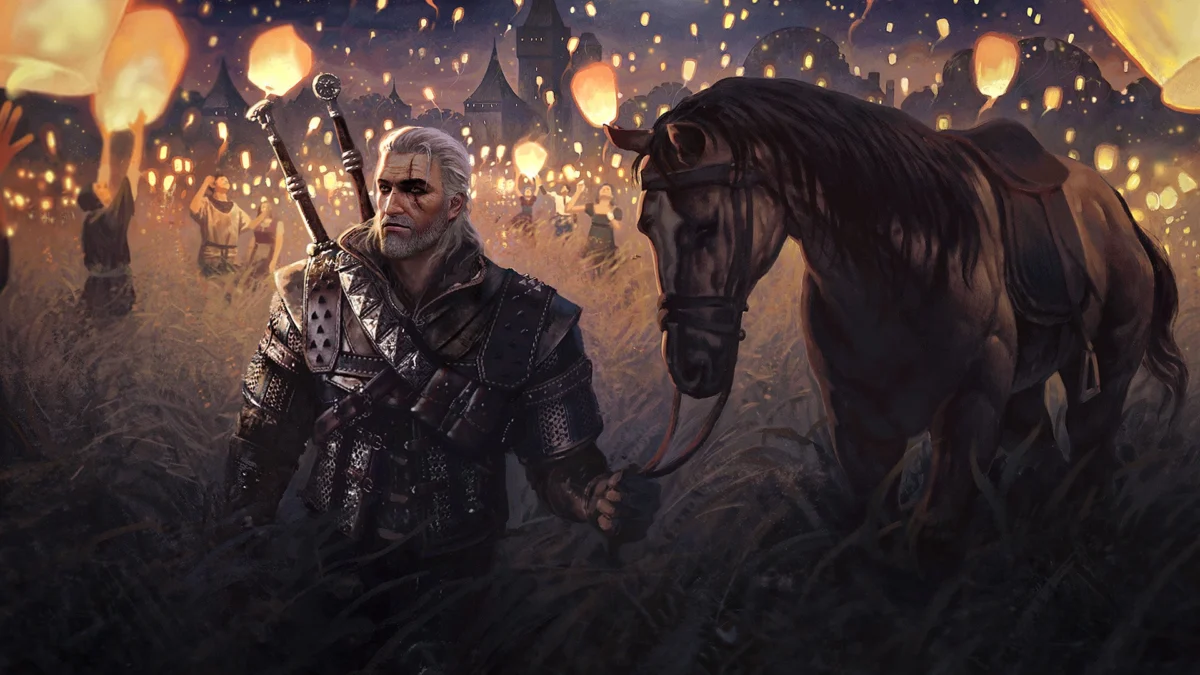
The release of the highly anticipated Remastered edition of The Witcher 3: Wild Hunt has served as a catalyst for an unprecedented resurgence in player engagement, propelling the 11-year-old title to its highest concurrent player count on the Steam platform to date. As of this week, nearly 120,000 users were recorded actively playing the game simultaneously, a figure that underscores the enduring legacy of CD Projekt Red’s flagship fantasy role-playing title. This surge in traffic represents a significant milestone for a game that originally debuted in 2015, demonstrating that the title’s cultural footprint remains as robust as ever.
The data, provided by industry analytics service SteamDB, reveals that this current peak comfortably eclipses the game’s previous performance benchmarks. At its initial launch in May 2015, The Witcher 3 recorded a peak of approximately 92,000 concurrent players. The game saw a secondary spike in early 2020, reaching 103,000 players, a period largely attributed to the cultural phenomenon surrounding the release of the Netflix television adaptation. Another notable resurgence occurred in December 2022, when the developer released a substantial "next-gen" update, pushing player counts to 89,000. The current trajectory, however, has set a new high-water mark, confirming that the Remastered edition has effectively reinvigorated interest among both legacy fans and new audiences.
A Chronology of Success and Support
The Witcher 3: Wild Hunt was first introduced to the global gaming market in May 2015. Developed by Polish studio CD Projekt Red, the game was widely lauded for its expansive open world, deep narrative complexity, and commitment to player agency. Over the last decade, the developer has pursued a strategy of long-term support that is rare in the contemporary gaming industry.
The game’s lifecycle has been defined by several key turning points:
- May 2015: Initial global launch, establishing a high benchmark for Western RPGs with 92,000 concurrent players on Steam.
- October 2015 / May 2016: The release of the Hearts of Stone and Blood and Wine expansions, which were critically acclaimed for their length and quality.
- January 2020: A massive resurgence (103,000 concurrent players) driven by the success of the Netflix series.
- December 2022: The rollout of the free "next-gen" upgrade, adding ray tracing and technical improvements.
- Current Date: The release of the Remastered edition, pushing concurrent counts to nearly 120,000.
This timeline highlights the studio’s ability to cycle the game back into the public consciousness through a combination of timely updates and strategic integration with broader franchise media.
Technical Upgrades and Market Accessibility
The Remastered edition arrives as a free update for all existing owners of The Witcher 3 across all major platforms, including PC, PlayStation, and Xbox. This "generous" pricing strategy—offering extensive visual and quality-of-life enhancements without additional cost—has been cited by industry analysts as a key factor in the game’s sustained popularity. By ensuring that the player base remains unified across versions, CD Projekt Red avoids the fragmentation often seen in other long-running franchises.
Technical enhancements in the Remastered version focus on modernizing the player experience. These include updated lighting engines, improved texture resolutions, and integration with modern hardware features. While the core gameplay loops remain consistent with the original 2015 experience, the polish applied to the visuals has served as a sufficient incentive for returning players to revisit the Continent. Furthermore, the inclusion of the aforementioned expansions—which remain some of the highest-rated DLC content in gaming history—provides significant value for those entering the franchise for the first time.
Broader Implications and Strategic Positioning
The current surge in player activity is more than just a metric of nostalgia; it functions as a critical component of CD Projekt Red’s long-term business strategy. As the company prepares for future franchise installments, maintaining a healthy, active community for The Witcher 3 is essential. The studio has officially confirmed the upcoming expansion, Songs of the Past, scheduled for release next year. This expansion is expected to further extend the life of the third installment while bridging the narrative gap for fans anticipating the next major entry in the series.
Industry experts note that the decision to provide these upgrades for free serves as a "goodwill" campaign. In an era where many publishers charge for "Director’s Cuts" or incremental upgrades, CD Projekt Red’s approach has solidified a loyal consumer base. This strategy fosters a positive reputation that is vital for the company’s future projects, including the next chapter in the Witcher saga and ongoing developments within the Cyberpunk 2077 universe.
Analyzing the Data and Market Reach
While the 120,000 concurrent player count on Steam is an impressive metric, it represents only a fraction of the total player base. The Steam figure excludes players on GOG (the digital storefront owned by CD Projekt), the Epic Games Store, and console platforms, where the game has historically enjoyed significant success. Given the high attach rate of the game on home consoles, the true number of active players is likely significantly higher than the publicly visible Steam data suggests.
Market analysts suggest that the game’s "pulling power" is due to its status as a "evergreen" title. Unlike annual sports franchises or live-service games that rely on seasonal churn, The Witcher 3 offers a self-contained, high-quality narrative experience that remains relevant regardless of when a consumer decides to purchase it. Its status as an RPG benchmark ensures that it remains a perennial favorite for PC builders testing new hardware and new gamers looking for a definitive fantasy experience.
Official Response and Future Outlook
While CD Projekt Red has not issued a formal press release regarding the specific 120,000 concurrent user milestone, the company’s internal metrics have historically reflected a satisfaction with the "long tail" of the game’s sales performance. The studio has consistently prioritized the "player-first" philosophy that fueled their rise to prominence in the mid-2010s.
As the industry observes these numbers, the question remains how much higher the player count can climb. Historically, weekend spikes often result in higher concurrent numbers than mid-week averages. With the release of Songs of the Past on the horizon, the studio has effectively created a sustainable ecosystem that keeps the Witcher brand in the top tier of active gaming discussions.
In conclusion, the success of the Remastered edition of The Witcher 3 is a testament to the quality of the original development work and the effectiveness of the studio’s post-launch support. By treating the game as a living product rather than a static piece of software, CD Projekt Red has managed to achieve a level of longevity that is rarely seen in the fast-paced world of digital entertainment. Whether this surge will persist through the remainder of the year depends on the sustained interest in the game’s updated mechanics and the effectiveness of the marketing push for the upcoming expansion. However, for now, the data confirms that Geralt of Rivia remains one of the most bankable figures in the gaming industry.