The critically acclaimed and Emmy-winning Netflix series Beef is set to return, pivoting from its initial narrative to embrace a compelling anthology format that promises fresh conflict and an entirely new ensemble of high-caliber talent. The highly anticipated second season, slated to begin streaming on April 16, introduces a sophisticated new dynamic, replacing the visceral road rage incident that defined its predecessor with a nuanced clash set within the exclusive confines of an elitist country club. This strategic evolution signifies a bold creative direction for the series, aiming to explore the multifaceted nature of human conflict through diverse lenses.
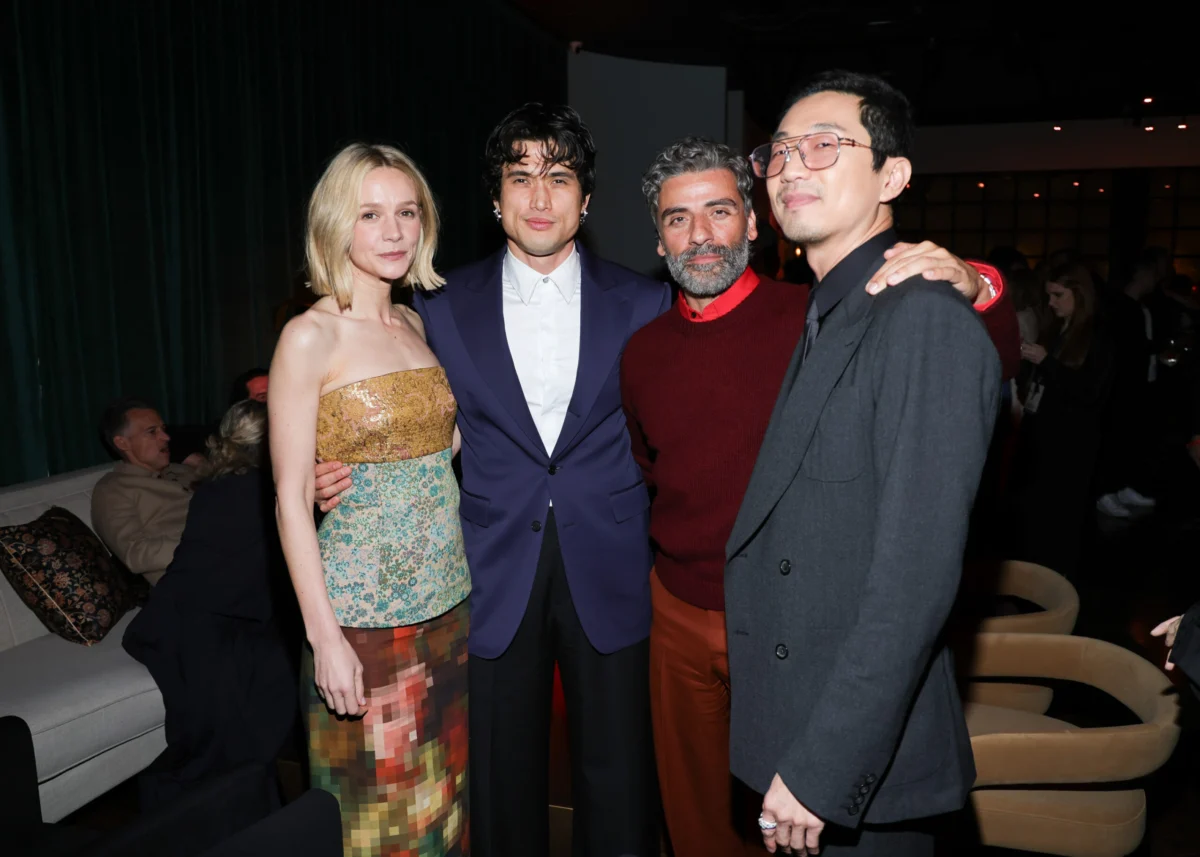
Season two will feature a compelling new cast, including rising stars Charles Melton and Cailee Spaeny, who portray a young couple embroiled in a fresh "beef" with their formidable boss, played by the esteemed Oscar Isaac, and his wife, portrayed by the equally acclaimed Carey Mulligan. This shift not only brings a fresh perspective to the series but also elevates the thematic exploration of resentment, class, and interpersonal friction within a distinct social milieu. The announcement has generated significant buzz within the entertainment industry, with many anticipating how the show’s creators will translate its unique blend of dark humor and profound psychological insight into a new narrative framework.
The Genesis of Conflict: From Road Rage to Elite Discord
The inaugural season of Beef, which premiered in April 2023, captivated audiences and critics alike with its raw and unflinching portrayal of two strangers, Danny Cho (Steven Yeun) and Amy Lau (Ali Wong), whose lives become inextricably linked by a seemingly trivial road rage incident. What began as a petty dispute spiraled into an escalating, destructive feud that peeled back layers of their individual frustrations, societal pressures, and existential crises. Yeun and Wong delivered powerhouse performances, earning widespread acclaim for their ability to convey complex emotions and moral ambiguities. The series, created by Lee Sung Jin, was lauded for its sharp writing, innovative direction, and its fearless examination of the darker aspects of the human psyche, ultimately resonating deeply with viewers who saw reflections of their own suppressed aggressions and anxieties.
The success of the first season was nothing short of phenomenal. Beef dominated the 2024 awards season, collecting a remarkable eight Emmy Awards, including Outstanding Limited or Anthology Series, Outstanding Lead Actor in a Limited or Anthology Series or Movie for Steven Yeun, and Outstanding Lead Actress in a Limited or Anthology Series or Movie for Ali Wong. Lee Sung Jin also received accolades for Outstanding Directing and Outstanding Writing for a Limited or Anthology Series or Movie. Beyond the Emmys, the series garnered three Golden Globe Awards, two Screen Actors Guild Awards, and four Critics’ Choice Television Awards, solidifying its status as a critical darling and a significant cultural phenomenon. This unprecedented sweep underscored the series’ artistic merit and its ability to connect with a broad audience, establishing a formidable precedent for its follow-up.
An Anthology’s Spiritual Successor: Lee Sung Jin’s Vision
Creator Lee Sung Jin articulated the rationale behind the anthology shift, describing season two as a natural spiritual progression from its predecessor. "Season one is so much about two very lonely people who don’t want to participate in life; by the end, there’s a glimmer of hope that maybe they might want to participate," Lee told The Hollywood Reporter at the show’s L.A. premiere. He elaborated on this thematic evolution, stating, "So season two is kind of the natural next step spiritually, where you have two couples who found someone they want to participate in life with, but then what? It’s not smooth sailing."
Lee views the series’ progression much like a video game, with each season presenting a new "level" of challenges. "Season one’s the first level of the video game and this is level two; there’s a new set of hurdles, a new set of pitfalls," he explained. The creator emphasized that the new season would delve into deeper emotional territory, particularly given its focus on "love and marriage." This thematic expansion suggests a more intricate exploration of relationships, the complexities of partnership, and the unique conflicts that arise when two lives are intertwined. The shift to an anthology format allows Lee Sung Jin and his team the creative freedom to explore these universal themes of conflict and connection without being constrained by the previous season’s specific narrative arc, promising fresh perspectives and unexpected turns.
A New Canvas: The Allure of the Anthology Format
The decision to adopt an anthology style for Beef aligns with a growing trend in contemporary television, where creators leverage this format to tell self-contained stories within a broader thematic universe. Successful precedents include Fargo, American Horror Story, and True Detective, all of which have showcased the versatility and creative potential of the anthology model. For Beef, this means that while the core concept of an escalating "beef" remains, the characters, settings, and specific triggers for conflict can be entirely reimagined. This approach offers several advantages: it allows for a fresh cast each season, attracting top-tier talent who might be hesitant to commit to a multi-season arc; it prevents narrative stagnation, ensuring each story feels vibrant and original; and it allows for a deeper dive into specific socio-economic or psychological landscapes without stretching a single plotline thin.
For Netflix, investing in an anthology series like Beef is a strategic move. The platform has consistently sought to deliver high-quality, prestige content that not only attracts new subscribers but also retains existing ones. The critical acclaim and awards success of Beef season one positioned it as a flagship title, and the anthology format ensures its longevity and continued relevance. By offering distinct yet thematically linked narratives, Netflix can continually refresh the series, keeping audience engagement high and critics intrigued. This strategy also allows the streamer to showcase a diverse range of talent both in front of and behind the camera, further solidifying its reputation as a hub for innovative storytelling.
The Star-Studded Ensemble of Season Two
The casting for Beef season two signals Netflix’s strong commitment to maintaining the series’ high artistic standard. The addition of Charles Melton, Cailee Spaeny, Oscar Isaac, and Carey Mulligan brings a formidable combination of established gravitas and burgeoning talent to the screen.
Charles Melton, known for his breakout role in Todd Haynes’ critically acclaimed film May December, has demonstrated a nuanced acting range that earned him significant critical praise, including a Golden Globe nomination. His ability to convey complex emotional states with subtlety makes him an ideal choice for the intricate psychological battles Beef is known for.
Cailee Spaeny, a rising star, recently garnered widespread acclaim for her captivating portrayal of Priscilla Presley in Sofia Coppola’s Priscilla, for which she received a Golden Globe nomination. Her performances often highlight a delicate balance of vulnerability and resilience, qualities that will undoubtedly enrich her character in the new season’s conflict.

Oscar Isaac is a name synonymous with versatility and intensity. From his compelling roles in blockbusters like Dune and Star Wars to his profound dramatic work in films like Inside Llewyn Davis and the HBO limited series Scenes from a Marriage, Isaac consistently delivers magnetic performances. His presence as a "boss" figure hints at a character imbued with power, complexity, and perhaps a hidden vulnerability, setting the stage for a compelling antagonist or anti-hero.
Carey Mulligan, an Academy Award-nominated actress, has a remarkable filmography that includes powerful performances in Promising Young Woman, An Education, and most recently, Maestro. Known for her exceptional dramatic range and ability to embody deeply intricate characters, Mulligan’s involvement as Isaac’s wife suggests a dynamic partnership, possibly one that fuels or complicates the central "beef" of the season. Her presence ensures a rich emotional landscape for the series to explore.
Together, this ensemble cast promises to deliver performances that are both gripping and profoundly human, exploring the nuances of power dynamics, social standing, and personal resentments within the pressure cooker of an elitist country club setting. This environment, starkly different from the suburban anonymity of season one, is ripe for exploring themes of class struggle, performative politeness, and the hidden animosities that simmer beneath a polished surface.
Continuity and Support: The Enduring Spirit of Beef
Despite the complete overhaul of its central cast, the spirit of Beef remains deeply rooted in the collaborative foundation laid by its inaugural season. Ali Wong and Steven Yeun, the original stars, continue their involvement with the series as executive producers, underscoring their commitment to Lee Sung Jin’s vision. This continuity behind the scenes is crucial, ensuring that the show’s unique tone, sharp writing, and thematic depth are preserved as it transitions to new stories.
Lee Sung Jin highlighted the ongoing support from Wong and Yeun, revealing heartwarming anecdotes of their dedication. "They sent food trucks to the crew; when our new cast landed for prep, we all went to an escape room together and went to dinner at [L.A. restaurant] Mother Wolf," Lee shared. "Steven and Ali remain very, very close and near and dear to my heart, and they’ve just been supportive the whole way." This demonstrates a collegial atmosphere and a shared passion for the project, extending beyond their on-screen roles.
The question of whether season two exists within the same universe as the first naturally arose. Lee admitted he "briefly thought about maybe putting Steven and Ali playing pickleball in the background of the country club. Maybe they are. I don’t know; I’m very curious." While a direct cameo remains a tantalizing possibility for eagle-eyed viewers, the emphasis is clearly on the new narrative. However, the conceptual link, even if subtle, would serve as a charming nod to the series’ origins and the enduring impact of its original characters.
The Road to Renewal: Overcoming Creative Hurdles
The journey to securing a second season for Beef, despite its unprecedented awards haul, was not as straightforward as one might assume. Lee Sung Jin candidly revealed the challenges he faced in getting a pickup for new anthology stories. "I pitched a lot of them when I was trying to get a season two pick-up, and they were all rejected," he confessed. This revelation speaks volumes about the high standards set by Netflix and the creative team, emphasizing that even after sweeping the awards circuit, only the most compelling and meticulously crafted concepts would be greenlit.
This rigorous selection process underscores the pressure to deliver a follow-up that not only lives up to the immense critical and commercial success of season one but also pushes the creative boundaries further. It highlights the demanding nature of premium television production, where every narrative choice is scrutinized to ensure it aligns with the show’s core identity while offering something fresh and captivating. The eventual approval of the current season two concept suggests that it struck the perfect balance of originality, thematic resonance, and dramatic potential.
The Future of ‘Beef’: An Infinite Wellspring of Conflict?
Looking ahead, the longevity of Beef as an anthology series remains an open question, one that Lee Sung Jin approaches with a mix of pragmatism and creative openness. "I don’t have one in my back pocket," he admitted regarding immediate plans for a potential third season. However, he expressed contentment should the second season mark the series’ conclusion, indicating a desire to explore other creative ventures. "But I’m perfectly happy if this ends up being the last season of Beef. I have other things that I’d love to do as well."
Yet, the creator also acknowledges the boundless potential for the series to continue, driven by the inherent human condition. "If inspiration strikes — as it probably will, as the universe is full of beefs — then I want to remain open and respond," he mused. This philosophical stance suggests that as long as human beings experience conflict, misunderstanding, and the myriad frustrations of modern life, there will always be new "beefs" to explore. This perspective positions Beef not just as a television series, but as a potential cultural commentary on the pervasive nature of interpersonal strife in society.
The anthology format perfectly suits this outlook, allowing the series to serve as a recurring mirror reflecting different facets of the human experience. Whether it’s class warfare, generational divides, workplace rivalries, or familial discord, the overarching theme of Beef – how petty grievances can escalate into life-altering battles – offers an inexhaustible source of compelling storytelling. The future of Beef thus hinges on the continued inspiration of its creator and the appetite of its audience for these sharply observed, darkly comedic, and ultimately profound explorations of human connection and disconnection.
As Beef season two prepares to launch on Netflix on April 16, it stands poised to expand its legacy, demonstrating the remarkable adaptability of its core concept. With a fresh narrative, an exceptional new cast, and the unwavering creative vision of Lee Sung Jin, the series aims not only to replicate its initial success but also to redefine what an anthology series can achieve in the landscape of contemporary television. The stage is set for another unforgettable exploration of the intricate, often absurd, and always deeply human conflicts that shape our lives.