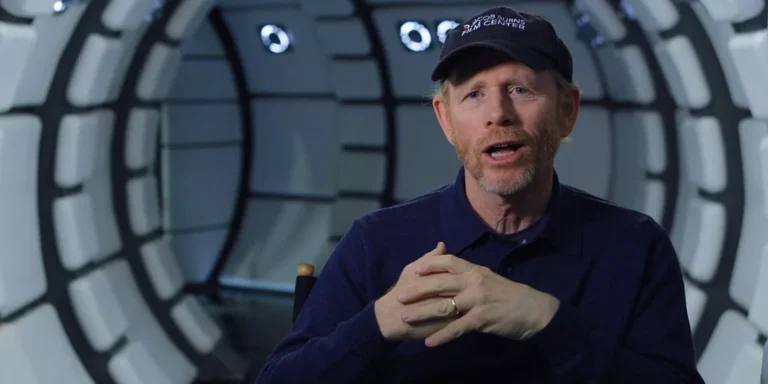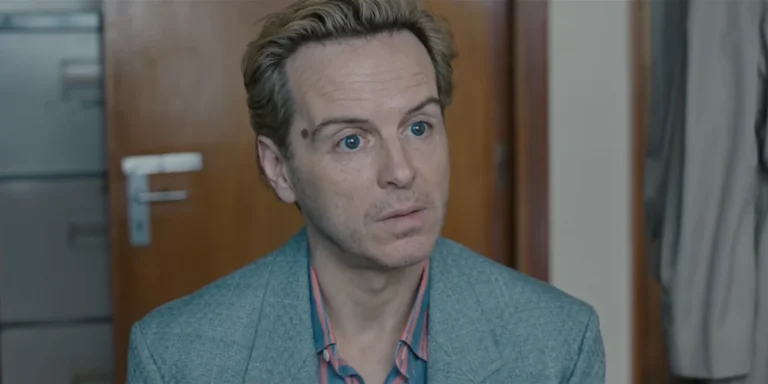



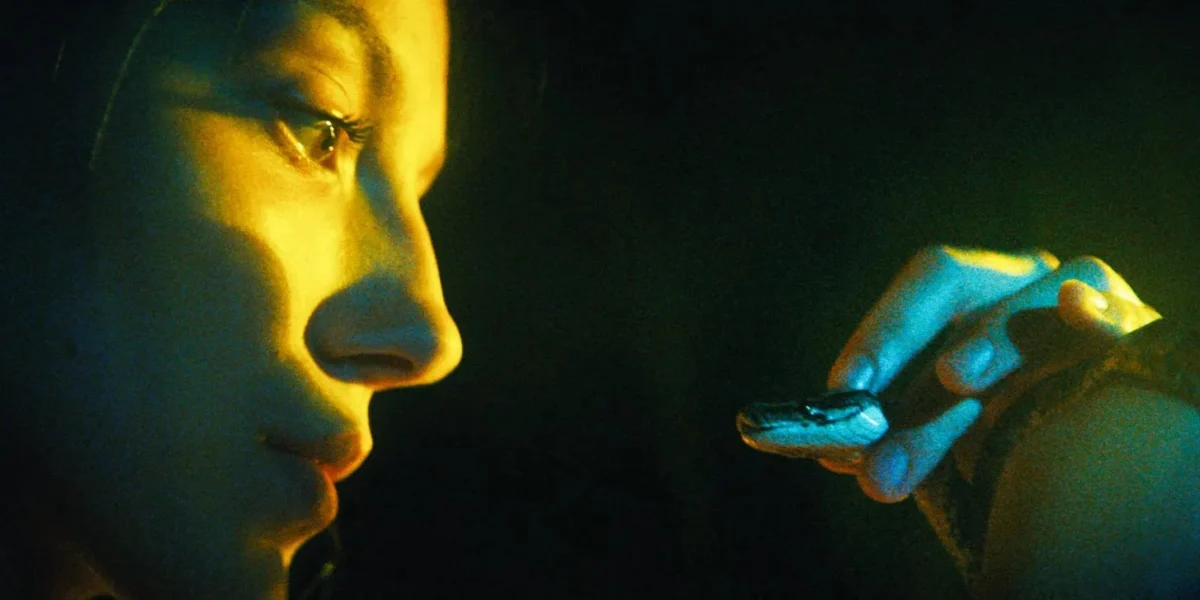
The Florida Everglades, a sprawling and ecologically vital wetland, has become the unexpected battleground for a peculiar annual conflict: the war against the invasive Burmese python. This struggle has been formalized into a state-sanctioned competition, a ten-day event designed to incentivize the removal of these non-native constrictors that have wreaked havoc on the native ecosystem. Director Xander Robin’s documentary, "The Python Hunt," plunges viewers into the heart of this fervent, and at times surreal, endeavor, following a diverse cast of amateur hunters as they navigate the unforgiving terrain of the ‘Glades. Far more than a simple chronicle of a wildlife management initiative, the film serves as a microcosm of American culture, revealing underlying societal currents through the motivations and experiences of its participants.
The Genesis of a State-Sanctioned Hunt
The Burmese python invasion of the Everglades is a phenomenon that began in earnest in the late 20th century. While the exact origins remain debated, it is widely believed that escaped or released pets from the exotic animal trade are the primary culprits. These large constrictors, lacking natural predators in their new environment and possessing a high reproductive rate, have thrived. Their impact has been devastating. Studies have documented significant declines in populations of mammals such as raccoons, opossums, and bobcats, as well as various bird species, directly attributable to python predation. For instance, a 2012 study published in the journal Biological Conservation indicated that raccoon populations in Everglades National Park had declined by over 99% since the mid-1990s, coinciding with the rise of the python population.
In response to this ecological crisis, the Florida Fish and Wildlife Conservation Commission (FWC) has implemented various management strategies over the years. These have included professional removal efforts, public awareness campaigns, and, notably, the establishment of the Python Removal Program, which offers incentives for hunters to capture and humanely euthanized pythons. The annual competition, a more public-facing aspect of this program, was designed to engage a wider audience and generate greater public participation in the removal efforts. The allure of a substantial cash prize – often $10,000 for the hunter who removes the most pythons – coupled with the romanticized notion of big-game hunting, draws individuals from various backgrounds to the swampy frontier.
A Diverse Cohort Ventures into the Everglades
"The Python Hunt" casts a wide net, showcasing six individuals whose personal narratives intertwine with the overarching objective of python eradication. The documentary eschews a singular, heroic protagonist, instead opting for an ensemble approach that highlights the multifaceted nature of the participants and their motivations. This eclectic group includes:
- Joe Wasilewski: A seasoned wildlife biologist with decades of experience in snake hunting. His presence lends scientific credibility to the endeavor, though his deep understanding of the ecosystem also hints at the complexities beyond simple eradication.
- Madison Oliveira: A former Marine whose disciplined background informs her approach to the hunt. Her inclusion speaks to the diverse skill sets and perspectives drawn to the competition.
- Richard Perenyi: An elementary school science teacher from San Francisco. His participation, particularly his unconventional methods, provides a stark contrast to the more traditional hunters and introduces a layer of cultural commentary.
- Anne Stratton Hilts: A retiree who, despite her gentle demeanor, harbors a fierce determination to confront the invasive species. Her visceral desire to eliminate the pythons offers a glimpse into the emotional undercurrents of the hunt.
- Toby Benoit: A self-proclaimed "eighth-generation Florida cracker" and hunting guide. His deep-rooted connection to the land and his reflective observations offer a nuanced perspective on the changing landscape of his home state.
- Jimbo McCartney: An outspoken local with a history of python trapping. His current exclusion from the official competition due to past rule violations adds a critical, albeit unofficial, voice to the narrative, questioning the efficacy and true purpose of the hunt.
The film masterfully juxtaposes these individuals against the backdrop of the ten-day competition, a grueling ordeal that often involves long, arduous hours spent traversing the dense vegetation and murky waters of the Everglades. The documentary captures the physical and mental toll of the hunt, emphasizing the unforgiving nature of the environment and the constant presence of other nocturnal creatures that share the habitat.
The Hunt: More Than Just Snake Wrangling
While the central premise revolves around the removal of pythons, "The Python Hunt" quickly reveals itself to be a far more profound exploration of human nature, environmental stewardship, and the complexities of societal engagement with ecological challenges. The narrative unfolds over the ten grueling nights of the competition, charting the hunters’ progress, their frustrations, and their moments of triumph.
The film excels in its character development, allowing each participant to reveal their individual "why." For some, it is the thrill of the chase and the lure of the $10,000 prize. For others, it is a genuine concern for the decimated wildlife and a desire to restore balance to the ecosystem. Then there are those, like Richard Perenyi, whose methods, such as microdosing ecstasy before venturing into the swamp, add an element of the bizarre and highlight the varied psychological landscapes of the hunters. Anne’s unflinching desire to confront the pythons, coupled with her refined palate for "real spirits," presents a captivating paradox. Toby Benoit, with his deep familial ties to Florida, offers a voice of introspection, often contrasting the traditional ways of the land with the modern pressures it faces.
The documentary does not shy away from the less glamorous aspects of the hunt. Much of the time is spent in transit, scanning the undergrowth and water for any sign of the elusive snakes. This mundane reality, however, is punctuated by moments of intense action and the palpable tension of a potential encounter. The film effectively captures the nocturnal atmosphere of the Everglades, with its symphony of insect calls, rustling leaves, and the eerie stillness that can precede discovery.
Jimbo McCartney: The Unofficial Critic
A pivotal element of "The Python Hunt" is the presence of Jimbo McCartney, a former government-contracted python trapper who is now barred from participating in the official hunt due to past transgressions. Jimbo’s perspective acts as a crucial counterpoint to the prevailing narrative of the competition. Initially, his skepticism might appear rooted in personal grievance. However, as the film progresses, his doubts about the efficacy and necessity of the hunt begin to resonate more broadly.
Jimbo attends town meetings where the cost-effectiveness of the competition is questioned. He points out the historical reality that invasive reptile species are rarely, if ever, fully eradicated from an ecosystem once established. Furthermore, he introduces a more profound concern: the escalating toxicity levels in the Everglades’ water. He suggests that the pythons may not be the sole or even primary cause of the decline in native wildlife. This raises uncomfortable questions about the FWC’s priorities, especially when its commission includes individuals with strong ties to business and real estate development, potentially prioritizing economic interests over environmental preservation.
This critical lens provided by Jimbo elevates "The Python Hunt" from a mere observational documentary to a piece of subtle social commentary. It forces the audience to consider whether the competition is a genuine solution or a performative act that distracts from more fundamental, systemic issues plaguing the Everglades.
The Unveiling of Underlying Instincts
The film culminates in a striking juxtaposition of the official closing ceremony of the python hunt and a private "python festival" held at the Gator Hole Bar. The official event, characterized by a subdued awards presentation, highlights the competitive aspect and the recognition of those who successfully removed the most snakes. In stark contrast, the bar’s festival is a raw, uninhibited display of the primal instincts the hunt has unleashed. Attendees are shown skinning snakes, gleefully crushing their unhatched eggs, and reveling in the visceral act of confronting and dismantling the invasive species.
Director Xander Robin employs a powerful technique of cross-cutting between these two events, effectively mirroring the duality of American culture: the veneer of respectability and order juxtaposed against a latent, often hedonistic, undercurrent. The official hunt, with its structured rules and prizes, attempts to legitimize an activity that, at its core, taps into deeply ingrained, perhaps even primal, desires. The bar festival, by contrast, offers an unapologetic glimpse into these base instincts, devoid of pretense.
While Robin’s stylistic choices, such as an abundance of close-ups and shifts in frame rate, might occasionally feel excessive, they contribute to the film’s distinctive aesthetic. This visual language effectively captures the unique atmosphere of southern Florida, rendering the region with an authenticity that feels both familiar and refreshingly novel. As a native of the Everglades, Robin imbues the film with a palpable love for his home, yet it is a love tempered by a clear-eyed understanding of its complexities and contradictions.
A Sly Indictment of Contemporary America
Ultimately, "The Python Hunt" transcends its apparent subject matter. It is not merely a quirky look at an unusual event or a sentimental ode to the filmmaker’s homeland. Instead, it functions as a shrewd and incisive critique of 21st-century America. The film mirrors the hunters’ realization that the arduous reality of the hunt—long hours of driving and searching—differs significantly from the romanticized image of stalking and killing. Similarly, the audience, drawn in by the promise of a thrilling spectacle, discovers a deeper, more unsettling truth.
The documentary’s exploration of the python invasion serves as a potent metaphor for larger societal issues. The struggle to control an invasive species in a complex ecosystem can be seen as analogous to grappling with complex social and environmental challenges that defy simple solutions. The film suggests that while individual efforts and competitions may offer a sense of immediate engagement, they can sometimes mask the need for more systemic, long-term interventions.
The success of "The Python Hunt" lies in its ability to engage viewers on multiple levels. It offers the visceral thrill of the hunt, the compelling narratives of its diverse participants, and, most importantly, a thought-provoking commentary on the state of contemporary American society. By meticulously documenting this unique Florida initiative, Xander Robin has crafted a film that is both a captivating cinematic experience and a subtle, yet powerful, indictment of the human condition in the face of ecological and societal complexities. The film leaves the audience with the lingering question: are we truly addressing the problems, or are we merely participating in a highly stylized, yet ultimately superficial, hunt?