

Setting and Atmosphere: The Portofiro Conflict
The demo takes place in Portofiro, a city characterized as an Iberian-inflected corner of a pseudo-European continent. The primary environment, the Bootleg Bazaar, is described as a "chimera of ex-Soviet bloc organisms," a marketplace where second-hand capitalism thrives amidst the ruins of old-world ideologies. This setting serves as a microcosm for the game’s broader geopolitical landscape, where the sharp divisions between "left" and "right" are not merely political affiliations but lived realities that dictate trade, social hierarchy, and personal survival.
The Bazaar itself acts as a decaying trade hub, perpetually in conflict with its surroundings and the encroaching forces of modernity. It is a place where tourists and locals engage in a complex dance of commerce, often oblivious to the fact that the true victor in their interactions is the overarching force of capital. The atmosphere is thick with the scent of "historical kitsch," mass-produced trinkets, and the remnants of a vanished era, creating a sensory experience that mirrors the internal state of the protagonist.
Narrative Framework: Cascade and the Opera
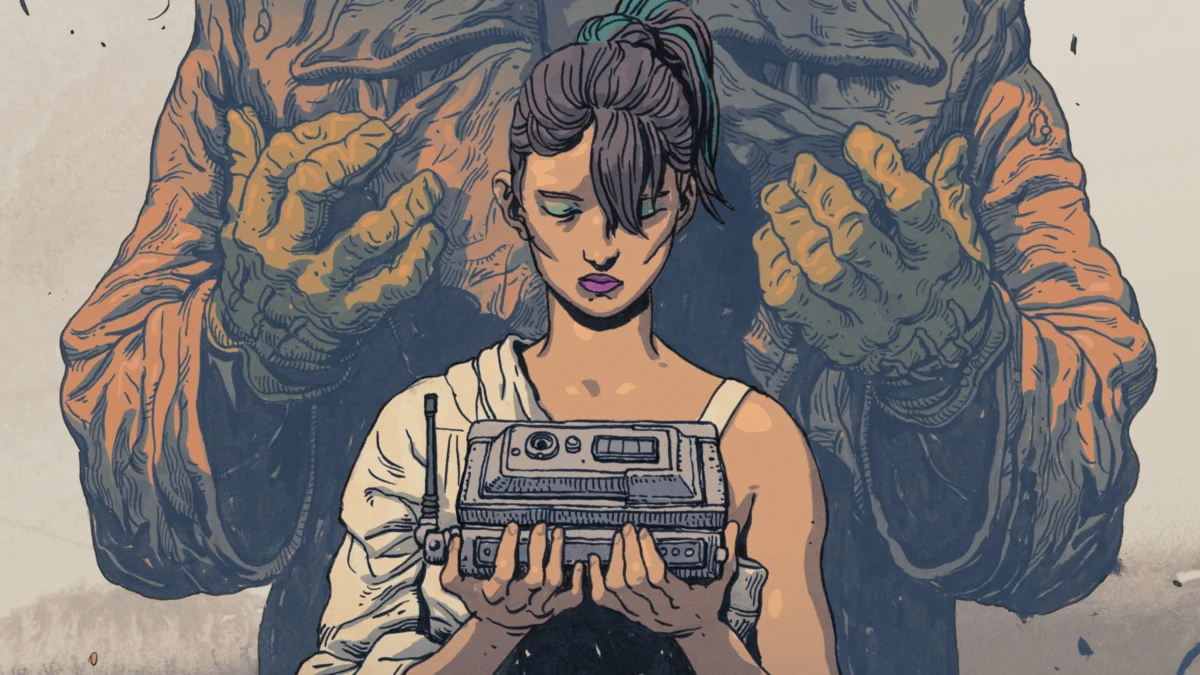
The player assumes the role of Cascade, a career spy who has been prematurely and unceremoniously pulled out of a forced retirement. Cascade is depicted as a "lithe, platinum-haired cipher"—a character burdened by past failures and a desperate, albeit quiet, desire for redemption. The narrative thrust of the demo involves Cascade’s return to active duty at the behest of "the Opera," a Superbloc intelligence organization.
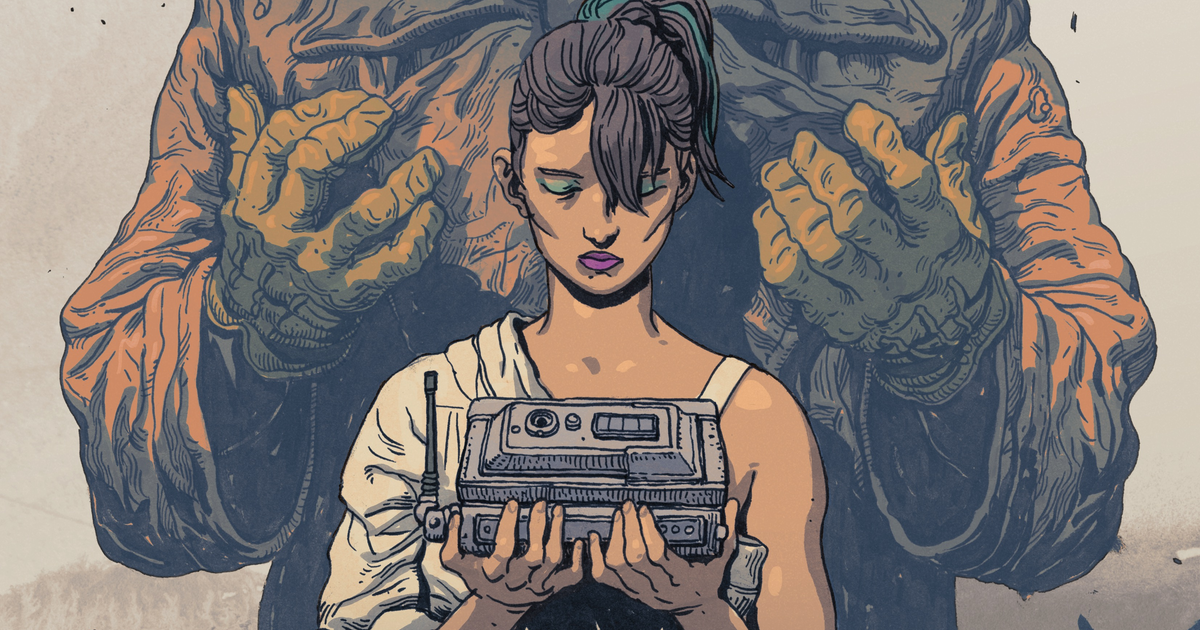
The Opera is portrayed as a cold, utilitarian entity, one that does not hesitate to "sever its own compromised limbs" to preserve the integrity of the whole. This organization represents the high-stakes world of international espionage that Cascade once inhabited and is now forced to navigate again. The mission in Portofiro is ostensibly a chance for Cascade to address "thorny old things" from their past—incidents that were likely the protagonist’s fault but now offer a narrow path toward reclaiming a sense of purpose.
Chronology of the Demo: The Hunt for the Wolf Cups
The demo’s primary objective involves a seemingly mundane but thematically rich task: the collection of "wolf cups." These items are rare merchandise from a Luzian television series titled Sixty-Six Wolves, an animated show that bears a striking resemblance to real-world anime. The cups originate from La Luz, described as a "vast technofascist surveillance state" that has historically utilized its cultural exports to expand its influence.
The player’s journey through the Bazaar involves several key interactions:
- The Information Gathering: Cascade must navigate the ramshackle stalls of the city to find clues regarding the mission and the location of the six coveted wolf cups.
- The Children of the Bazaar: Interactions with local children who watch Sixty-Six Wolves provide context for the show’s plot, illustrating how deeply Luzian media has permeated the local consciousness.
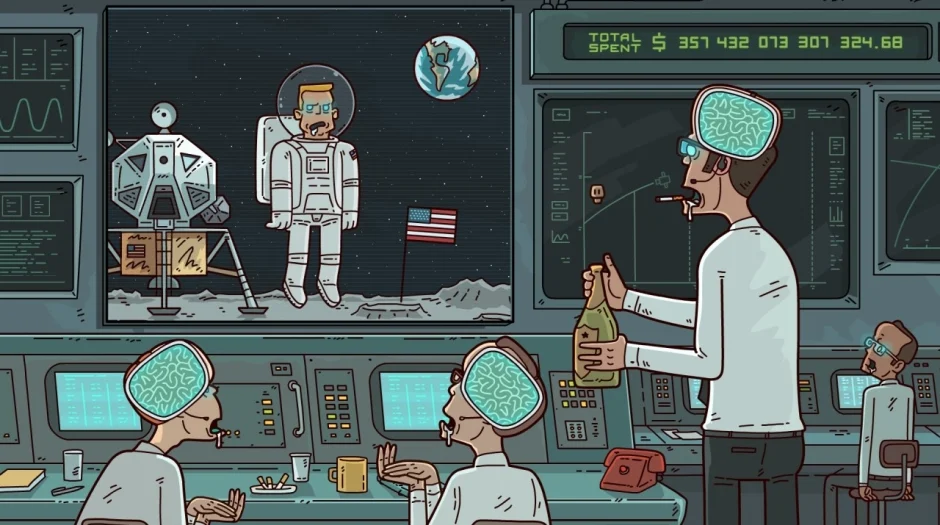
- The Media Satire: Players encounter "The Reality Situation," a daily television broadcast hosted by a character known as the "Bagman." This figure, who wears a paper bag over his head, rants about lunar obfuscation programs, invisible airplanes, and the "weaponization of nostalgia."
- The Cultural Critique: A lengthy conversation with Petre, a music stall vendor, reveals the darker side of La Luz’s cultural exports. Petre dismisses the average consumer as a "replayer," someone who feeds off fads and disposability in a cycle of mindless consumption.
Analysis of Themes: Weaponized Nostalgia and Soft Power
Central to the experience of Zero Parades: For Dead Spies is the concept of "weaponized nostalgia." This is embodied in the obsession with the wolf cups and the various historical artifacts found within the Bazaar. The game posits that nostalgia is not merely a sentimental attachment to the past but a tool used by states like La Luz to exert "soft power." By creating formulaic, impossibly catchy media and high-value collectibles, the technofascist state ensures its cultural dominance, making it easier to control populations that are preoccupied with "pointless capitalistic hoarding."

This theme extends to the player’s own experience. The demo challenges the audience to consider their own relationship with nostalgia—not just within the game’s world, but in the context of the RPG genre and the legacy of ZA/UM’s previous work. The "uncanny valley" feeling described in the demo arises from the realization that the hollow cultural capital of La Luz mirrors real-world media trends where marketing-savvy states weaponize pop culture for political ends.
Technical Mechanics and the Conditioning System
While the demo is a streamlined introduction, it hints at several complex systems that will define the full release. Most notably, the "Conditioning" system is introduced as a core mechanic. Triggered at key narrative moments, this system is presented through "elegant abstract visual prompts." While the full functionality of the Conditioning system remains under wraps, it is expected to function as a psychological or ideological counterpart to the "Thought Cabinet" seen in Disco Elysium, reflecting how the environment and political pressures "condition" the protagonist’s psyche and choices.
The inventory system also plays a narrative role, with items like the "White-of-the-Eye Loafers" and various pieces of "cosmonaut memorabilia" providing flavor text that enriches the world-building. These objects are not merely tools but artifacts of a shared fever dream of consumerism, reinforcing the game’s focus on the physical weight of history and capital.
Contextualizing ZA/UM and Industry Expectations
The development of Zero Parades: For Dead Spies comes at a pivotal time for ZA/UM. Following the immense success of Disco Elysium, the studio faced internal restructuring and public scrutiny regarding its creative direction. This new project serves as a definitive statement on the studio’s identity, moving away from the "isometrics and amnesia" tropes of traditional RPGs toward a more focused, espionage-driven narrative.

Industry analysts note that narrative-heavy games focusing on socio-political themes have seen a rise in demand, particularly those that offer a critique of modern capitalism and state surveillance. Zero Parades appears to be positioning itself at the forefront of this trend, utilizing the "spy story" framework to explore complex dialectical ideas.
Official Responses and Broader Implications
While official statements from the development team have been sparse, the demo’s content suggests a commitment to the "literary RPG" subgenre that ZA/UM helped define. The inclusion of abrasive, ideologically rigid characters like Petre the music vendor indicates that the game will not shy away from challenging the player’s perspectives or presenting uncomfortable truths about the relationship between art and the state.
The broader implications of Zero Parades: For Dead Spies lie in its potential to redefine the "spy thriller" in video games. Rather than focusing on high-octane action or gadgetry, the game prioritizes the psychological toll of espionage and the way intelligence work is inextricably linked to the flow of capital and culture. By examining the "scrappy, second-hand capitalism" of the Portofiro Bazaar, ZA/UM is inviting players to look past the tropes of the genre and engage with the underlying systems that govern both the game world and our own.
As the game moves toward its full release, the "Conditioning" system and the deeper history of "the Opera" will likely be the focus of further exploration. For now, the Portofiro demo establishes a foundation built on kinetic anxiety, the poisonous nature of nostalgia, and the enduring struggle of an individual caught in the gears of a Superbloc spy operation. Whether Cascade can indeed "claw back a crumb of redemption" remains to be seen, but the world they inhabit is one that demands careful, critical navigation.