


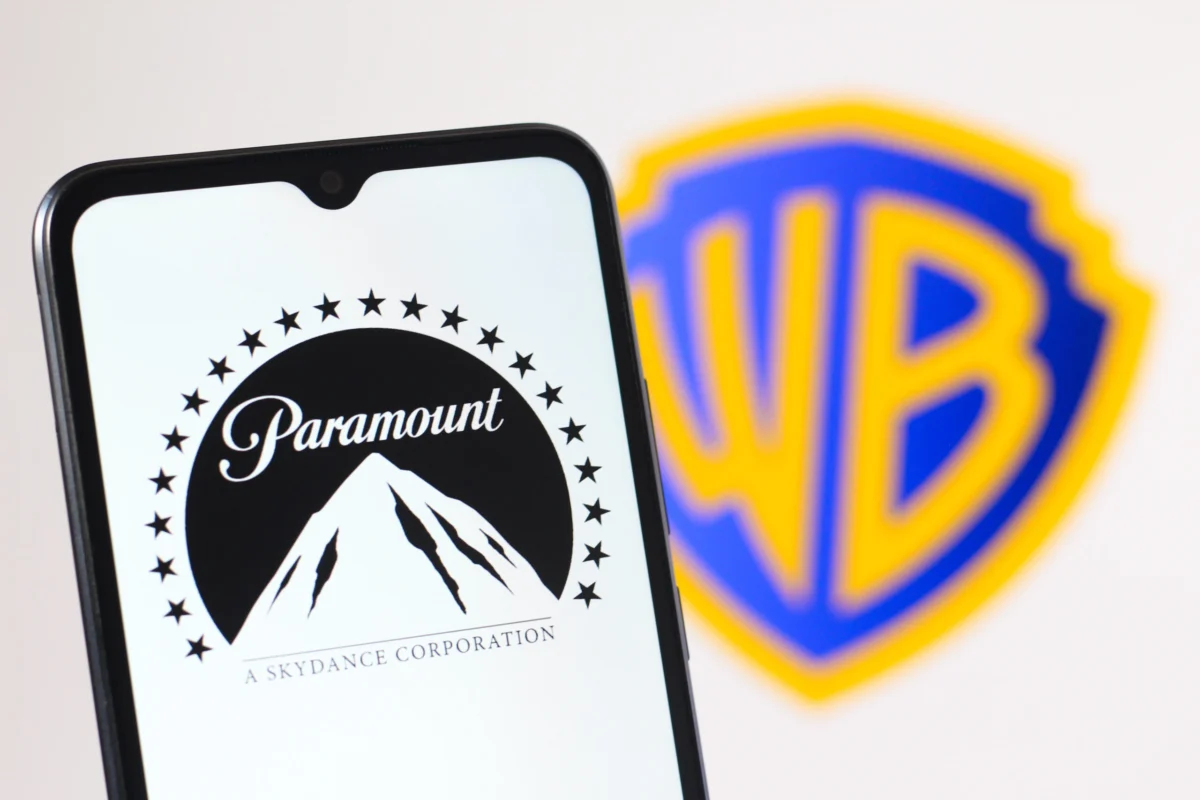
The media landscape, once defined by a aggressive wave of consolidation aimed at achieving the scale necessary to survive the decline of traditional pay-TV, has hit a formidable wall. The proposed $110 billion acquisition of Warner Bros. Discovery (WBD) by Paramount Skydance, a deal viewed by many as the definitive consolidation move of the decade, is currently languishing in legal limbo. This delay, compounded by a recent breakdown in settlement talks with state regulators, has cast a long, cooling shadow over the broader mergers and acquisitions (M&A) market. Industry analysts and executives now warn that the current regulatory climate has effectively put a freeze on high-stakes media combinations, forcing companies to pivot from aggressive growth strategies toward more conservative, partnership-based models.
The genesis of this stagnation lies in the evolving stance of state-level oversight. While federal regulators, including the U.S. Department of Justice’s Antitrust Division, have cleared the Paramount-WBD tie-up, a coalition of state attorneys general has emerged as the primary impediment. Leading the charge is California Attorney General Rob Bonta, whose legal challenge has pushed the deal’s closing date back to as late as June 2027—a nine-month delay from the original timeline. The failure to reach a preliminary settlement in late August 2026 has signaled to the market that state authorities are willing to engage in protracted, high-stakes litigation, a prospect that has terrified dealmakers and boardrooms across the media sector.
Chronology of a Stalled Megamerger
The trajectory of the Paramount-WBD deal reflects the broader volatility of the current economic cycle. Following David Ellison’s successful acquisition of Paramount, the subsequent move to merge with Warner Bros. Discovery was intended to create a media juggernaut capable of rivaling the biggest tech platforms. However, the path to completion has been anything but smooth.
In July 2026, the reality of antitrust litigation began to set in, forcing Paramount to formally acknowledge a delay until June 2027. This decision was precipitated by the lawsuit filed by state attorneys general, who argued that the concentration of media assets would harm competition and consumer choice. Throughout August 2026, the industry watched closely as reports surfaced regarding potential settlement discussions. Yet, by August 24, those talks were officially terminated, leaving the parties at a stalemate. As it stands, the case is heading toward a trial in 2027, turning an abstract debate over market concentration into a tangible financial drain.
Financial Consequences and the Ticking Fee
The delay is not merely a bureaucratic inconvenience; it is a profound economic burden. Under the specific terms of the merger agreement, Paramount is obligated to pay a "ticking fee" to WBD shareholders if the deal fails to close by the original deadline. This fee, set to activate on September 30, is estimated at approximately $650 million per quarter.

To mitigate the impact of this mounting cost, Paramount filed a petition last week to force the suing states to post a $1.88 billion bond. The company argues that if the states are going to obstruct a deal that has already received federal approval, they should be held accountable for the financial damages incurred by the delay. Mike Proulx, vice president and research director at Forrester, notes that the "clean-close scenario" is effectively dead. "The market-definition fight just got a price tag," Proulx observed. "A March 2027 trial date turns what had been an abstract antitrust debate into a potential billion-dollar delay cost before the court even rules."
The Broader Impact on Media M&A
The ripple effects of this litigation are being felt far beyond the Paramount-WBD boardroom. Data from Dealogic indicates that while U.S. companies have inked over 7,500 deals through August 20, 2026—a volume increase from the 7,015 deals recorded during the same period in 2025—the atmosphere surrounding these transactions has shifted from optimism to caution.
Other high-profile deals are now under the microscope. The $22 billion acquisition of Roku by Fox Corp., for instance, is facing heightened scrutiny. Although analysts at Bernstein note that the deal lacks the same horizontal or vertical concentration risks as the Paramount-WBD merger, the "regulatory timing risk" is now a primary factor in investor sentiment. The prospect that the Fox-Roku deal could be caught in the same regulatory dragnet has tempered enthusiasm, with the transaction currently expected to close in the first half of 2027.
Similarly, the ongoing saga surrounding the Nexstar Media Group’s $6.2 billion acquisition of Tegna serves as a warning. Despite having been announced in August 2025 and closing in March 2026, the deal is currently the subject of an ongoing lawsuit from state attorneys general seeking to unwind the agreement. With a trial set for next year, the media industry is increasingly viewing state-level intervention as a permanent, unpredictable variable in the M&A playbook.
The Comcast-NBCUniversal Calculus
The strategic separation of Comcast and NBCUniversal, which is slated to be completed by the summer of 2027, has also been affected by this cooling climate. Initially, the spinoff was viewed by market observers as a catalyst for a new round of media dealmaking, providing both entities the flexibility to pursue independent M&A opportunities. NBCUniversal, which will encompass the Universal movie studio, the Peacock streaming service, and the NBC broadcast network, is theoretically well-positioned to leverage its assets.
However, sources close to the situation suggest that leadership at both Comcast and NBCUniversal have adopted a "wait-and-see" approach. They are reportedly hesitant to initiate any major acquisitions until the outcome of the Paramount-WBD litigation becomes clearer. By observing how the regulatory environment treats the Paramount deal, these executives hope to gauge what types of combinations remain viable in the current political landscape. While minority-stake acquisitions and strategic partnerships remain on the table, large-scale mergers are effectively on ice.

Pivot to Partnerships and Bundling
As direct consolidation becomes increasingly difficult, media companies are aggressively pivoting toward alternatives that require less regulatory approval. This shift is characterized by a rise in content licensing, platform partnerships, and consumer-facing bundles.
The recent partnership between NBCUniversal’s Peacock and YouTube serves as a blueprint for this new reality. By embedding premium streaming content into a platform with a massive existing user base, companies can achieve scale and distribution without the legal hurdles of a formal merger. Furthermore, the industry is seeing a renewed focus on "bundling," a strategy aimed at reducing churn and improving the economics of streaming services. Recent efforts, such as the bundle combining Fox and ESPN, highlight the industry’s desire to consolidate the consumer experience without centralizing corporate ownership.
Industry experts, including Jonathan Miller, CEO of Integrated Media, suggest that this trend is likely to accelerate. "It feels like the landscape has shifted significantly in the last few weeks," Miller stated. "I think we’re going to see a lull in deals, and in their place, we will see a surge in partnerships and bundles."
Future Outlook: A New Regulatory Reality
The current regulatory landscape represents a significant departure from the environment of the early-to-mid 2020s. While federal oversight remains relatively consistent, the empowerment of state attorneys general to challenge cross-state and national media mergers has introduced a new layer of complexity.
For Paramount and Warner Bros. Discovery, the path forward is fraught with financial risk and legal uncertainty. The outcome of their battle will likely define the parameters for media consolidation for the remainder of the decade. If the deal is ultimately blocked or forced into further modifications, it will likely signal the end of the "megamerger" era for media conglomerates. Conversely, if a settlement is reached, it may provide a roadmap for future deals—though one that will inevitably include higher transaction costs, longer timelines, and more extensive legal defense funds.
As the industry prepares for the 2027 trial, the focus remains on resilience. Media companies are shifting their internal priorities toward intellectual property acquisition, short-form content development, and strategic distribution partnerships. In a market where the cost of a merger has become as much about political capital as it is about dollars and cents, the most successful firms will be those that can navigate the regulatory maze without relying solely on the promise of massive, transformative acquisitions. For now, the "lull" in dealmaking described by industry veterans is not just a temporary pause—it is a recalibration of the entire media economy.