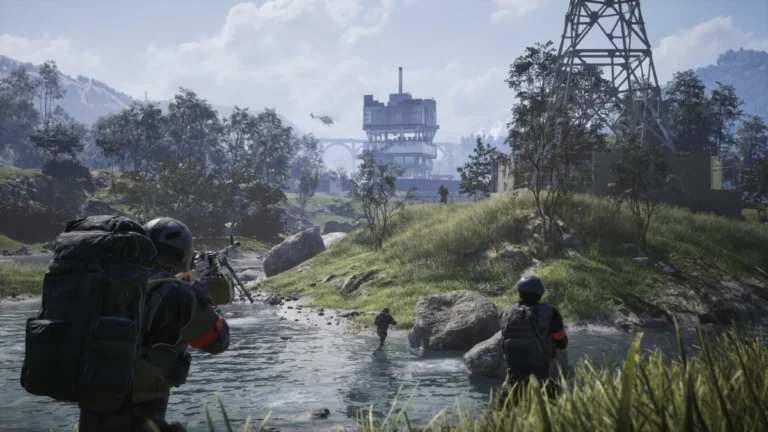

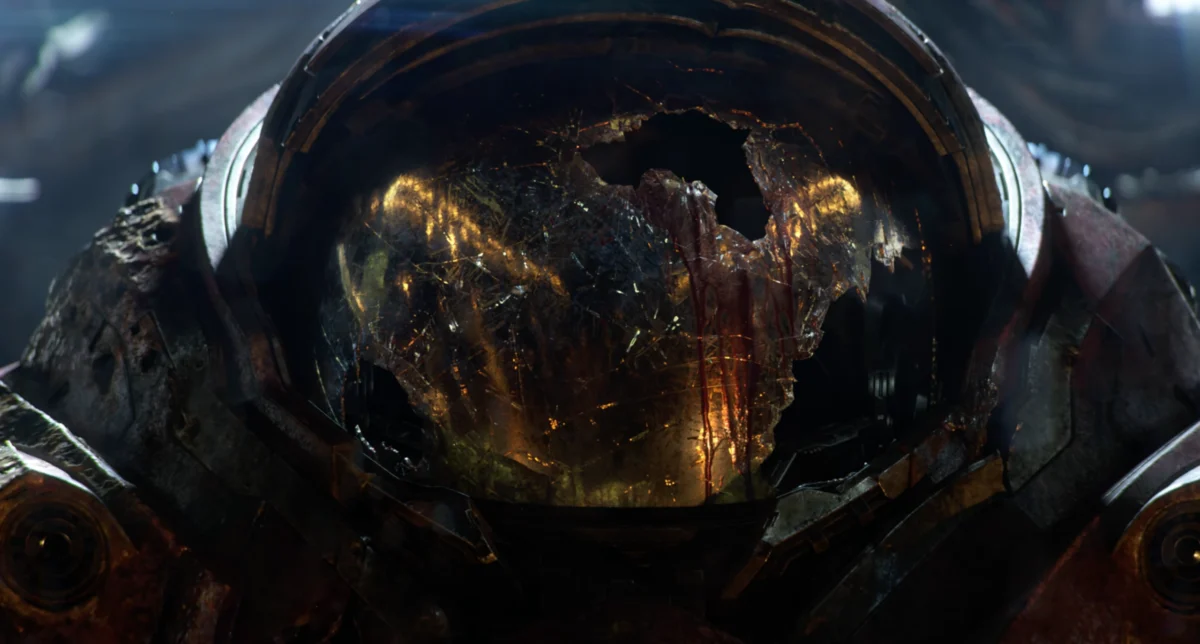
The announcement of a new standalone StarCraft title has ended a decade-long period of dormancy for one of the most influential franchises in video game history. Unveiled during the opening ceremony of BlizzCon 2026, the project represents a significant departure from the series’ traditional real-time strategy (RTS) roots. Instead of commanding massive armies from an isometric perspective, players will be thrust directly into the Koprulu Sector as foot soldiers in an immersive, open-world shooter environment. This tactical shift, led by industry veteran Dan Hay, marks the beginning of a new chapter for Blizzard Entertainment under the ownership of Microsoft.
A Decade of Silence and the Path to Revival
The StarCraft franchise has occupied a curious space in Blizzard’s portfolio since the 2015 conclusion of StarCraft II: Legacy of the Void. For nearly ten years, the series was relegated to maintenance mode, with balance updates and minor patches serving as the only reminders of its existence. While the esports scene maintained a loyal, albeit aging, player base, the lack of new content led many industry analysts to speculate that the franchise had been permanently shelved in favor of more lucrative live-service titles like Overwatch or World of Warcraft.
The decision to revive StarCraft in the form of a first-person or third-person shooter is widely viewed as a strategic pivot. By transitioning from the RTS genre to the open-world shooter market, Blizzard is attempting to modernize the IP to appeal to a broader demographic of console and PC gamers who may have found the high barrier to entry of classic StarCraft gameplay intimidating.
Dan Hay and the Vision for a Ground-Level Conflict
Dan Hay, whose pedigree includes high-profile leadership roles on the Far Cry franchise, is the creative force behind this transition. His appointment to the project suggests a deliberate move toward emergent gameplay, high-fidelity environments, and a focus on survival in hostile territories.
During the BlizzCon 2026 presentation, Hay articulated a vision centered on visceral, ground-level combat. "This is something new," Hay stated. "An open-world shooter where every step is earned. Not from above, but down on the ground, in the mud, in the fire." This design philosophy emphasizes the fragility of human soldiers when faced with the overwhelming might of the Zerg Swarm or the advanced technology of the Protoss, framing the player not as a god-like commander, but as a survivor in a theater of war.
Cinematic Teaser and Narrative Tone
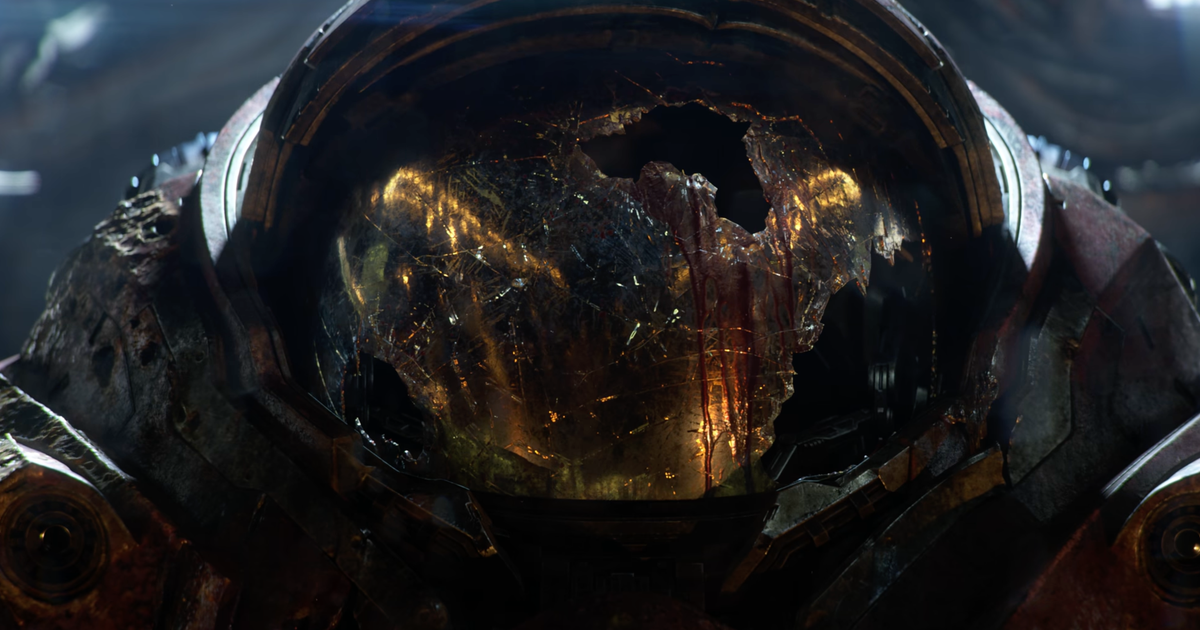
The debut trailer provided a stark tonal shift from the high-fantasy aesthetic of previous entries. The footage follows a Terran recruit named Holt, whose arrival on a Zerg-infested planet is met with immediate, overwhelming violence. The cinematic is underscored by a broadcast from Arcturus Mengsk, the former Emperor of the Terran Dominion, whose rhetoric serves to highlight the desperate state of humanity in the Koprulu Sector.
The promotional material emphasizes themes of sacrifice and duty, with the official blurb noting: "The sons and daughters of the Dominion answered the call when mankind needed them most. Their courage held the line. Their sacrifice bought us another day." This narrative focus on the "everyman" soldier suggests a story-driven campaign that prioritizes atmospheric tension over the macro-management of resource collection and base building.
The Xbox Exclusivity Strategy
A pivotal detail regarding the title’s release is its platform availability. The closing screen of the reveal trailer featured only the Xbox logo, signaling a strong commitment to Microsoft’s console-first strategy. Since the acquisition of Activision Blizzard, Microsoft has consistently emphasized the necessity of platform-exclusive titles to drive hardware sales and subscriptions to the Game Pass ecosystem.
Industry analysts suggest that by keeping a powerhouse franchise like StarCraft exclusive to Xbox and PC, Microsoft is aiming to solidify its position in the competitive landscape. This decision is likely to reignite debates regarding platform parity, yet it aligns with the company’s recent messaging that high-profile, "prestige" titles will serve as primary incentives for consumers to invest in the Xbox hardware ecosystem.
Broader Context: BlizzCon 2026 and Blizzard’s Pipeline
The announcement of the new StarCraft title was part of a broader, high-stakes reveal strategy at BlizzCon 2026. The event served as a definitive declaration that Blizzard is aggressively expanding its development pipeline. Alongside the StarCraft news, the studio confirmed that Diablo 5 is currently in development for a spring 2029 release. Furthermore, the company announced a partnership with Netflix to produce an animated series based on the Diablo universe, signaling an intent to leverage its intellectual property across multiple media formats.
When viewed in aggregate, these announcements suggest a shift toward a more robust, long-term release schedule. After years of development delays and restructuring, the 2026-2030 window appears to be a period of significant growth for the studio.

Implications for the Shooter Market
The entry of StarCraft into the open-world shooter space carries significant implications for the genre. Historically, the shooter market has been dominated by franchises like Call of Duty, Destiny, and Halo. By introducing a known IP with a deep history of world-building and faction-based conflict, Blizzard is positioning itself to capture a segment of the market that prioritizes lore-rich, atmospheric settings over purely competitive multiplayer loops.
Furthermore, the technological requirements for an open-world StarCraft game are substantial. Rendering a Zerg infestation—complete with thousands of individual units—in a modern, open-world engine will require a leap forward in crowd-AI and environmental interaction. If Blizzard can successfully bridge the gap between the chaotic scale of RTS warfare and the intimate, visceral nature of an open-world shooter, they may establish a new benchmark for the genre.
Market Reaction and Expectations
Initial reactions from the gaming community have been mixed, largely due to the departure from the RTS genre. Long-term fans of the series have expressed concern that the "StarCraft" name is being used to capitalize on the popularity of the shooter genre rather than evolving the strategy mechanics that defined the series. However, the overwhelmingly positive reception to the cinematic’s tone and the pedigree of the development team suggests a general sense of excitement for the return of the brand.
From a financial perspective, the 2030 release date allows the development team ample time to polish the experience. Given the historical volatility of the AAA development cycle, a four-year window from announcement to launch is a responsible, if ambitious, timeline. It also provides Microsoft with a "tentpole" title to look forward to as the current console generation begins to sunset and the next generation of hardware potentially enters development.
Conclusion
The revival of StarCraft is a calculated risk that reflects the evolving priorities of Blizzard under its new leadership. By moving away from the constraints of the RTS genre, the company is attempting to breathe new life into a dormant titan, ensuring that the legacy of the Koprulu Sector survives for a new generation of players. While the shift to an open-world shooter will undoubtedly face scrutiny, the commitment to high-quality cinematic storytelling and the backing of the Xbox ecosystem position this project as one of the most significant releases in the latter half of the decade. As the industry watches and waits, the focus now shifts to the development progress of this ambitious title, with the gaming world waiting to see if it can live up to the weight of its own history.