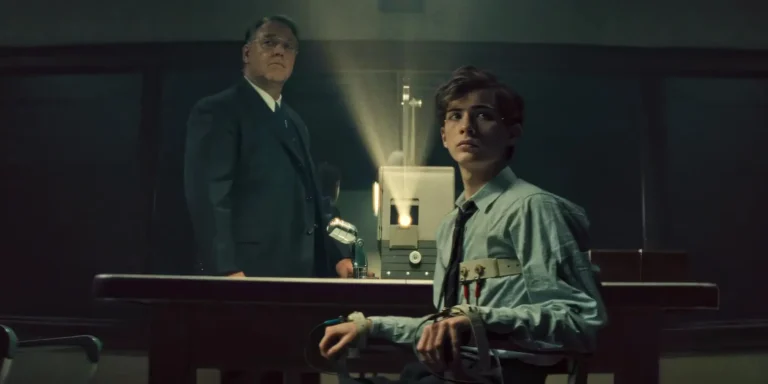


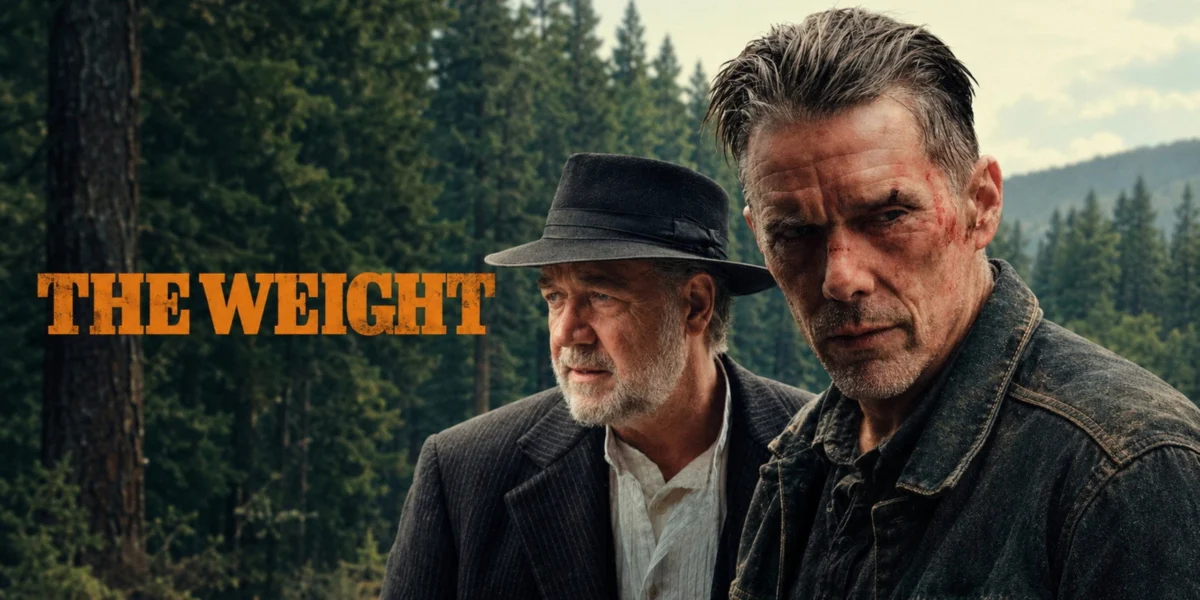
The production, which features an ensemble cast including Julia Jones, Austin Amelio, Avi Nash, Lucas Lynggaard Tønnesen, George Burgess, Cameron Brady, Avy Berry, Alec Newman, and Sam Hazeldine, has emerged as a significant entry in the 2026 independent film landscape. Distributed by Vertical, the film has garnered critical attention for its gritty aesthetic, technical precision, and the weight of its central performances.
A Production of Historical Tension
The narrative of The Weight functions as both a survival thriller and a character study. By situating the plot in 1933, director Padraic McKinley taps into the economic desperation of the Great Depression. This period was characterized by high unemployment, mass migration, and a breakdown of traditional social structures, providing a plausible historical framework for the film’s work camp setting.
In the film, Samuel Murphy’s internal conflict—the drive to reunite with his child versus the moral cost of participating in a criminal enterprise—mirrors the broader societal struggle for survival during the 1930s. The introduction of Warden Clancy as a foil to Murphy allows for an exploration of power dynamics, institutional corruption, and the erosion of ethics under duress. The smuggling plot serves as a physical manifestation of these themes, with the "deadly wilderness" acting as an antagonistic force that demands both physical endurance and psychological fortitude from the protagonists.
Chronology of Release and Reception
The trajectory of The Weight from production to public exhibition followed a strategic festival path common for prestige independent cinema.
- World Premiere: The film made its public debut at the 2026 Sundance Film Festival. Sundance, traditionally a launchpad for character-driven dramas, provided the film with an audience appreciative of its nuanced performances and thematic depth.
- International Exposure: Following its Sundance success, the film was selected for an out-of-competition screening at the 76th Berlin International Film Festival (Berlinale). This selection underscored the film’s international appeal and its artistic merit, exposing it to a global critical audience.
- Commercial Release: Following the festival circuit, Vertical secured the rights for theatrical distribution, bringing the film to a wider audience. The transition from festival darling to general release is a critical juncture for independent films, as the studio must balance the "prestige" label with commercial viability.
Critical reception has leaned toward the positive, with reviewers specifically highlighting the chemistry between Hawke and Crowe. Observers have noted that the film’s action set pieces are integrated into the narrative rather than serving as mere spectacle, a design choice attributed to McKinley’s direction and the film’s rigorous production standards.
The Director’s Perspective
In a recent discussion regarding the film’s development, Padraic McKinley emphasized the challenges of capturing the isolation of 1930s Oregon. McKinley noted that the production prioritized authentic set design and location scouting to ensure that the environment felt as oppressive as the circumstances surrounding the characters.
The collaboration between Hawke and Crowe has been described by industry insiders as a cornerstone of the film’s success. McKinley’s direction aimed to ground the film’s more thriller-oriented elements in the reality of human desperation. By focusing on the "weight" of the choices the characters make, the director aimed to transcend the standard conventions of the survival genre.
The Economics of Modern Independent Distribution
The distribution of The Weight by Vertical reflects current trends in the film industry, where independent titles are increasingly reliant on robust festival circuits to generate word-of-mouth momentum. The role of companies like Vertical has become pivotal in bridging the gap between niche festival screenings and mainstream theatrical availability.

Statistical trends in independent film distribution over the past five years suggest that mid-budget dramas often face a bifurcated path: they either find immediate success through streaming platforms or require the sustained interest of a dedicated theatrical run to reach profitability. By securing both Sundance and Berlinale slots, The Weight effectively established a pedigree that aids in theatrical marketing. The film’s performance will likely serve as a case study for how period-based dramas can compete in a market dominated by larger, franchise-based content.
Implications for the Genre
The success of The Weight signals a continued interest in "grounded" historical dramas. While historical fiction often leans toward the epic or the biographical, McKinley’s focus on a hyper-specific, smaller-scale narrative allows for a more intimate examination of the human condition.
The film also highlights the enduring appeal of the "work camp" or "prison escape" archetype, a trope that has been a staple of cinema since the mid-20th century. By modernizing the technical approach—utilizing contemporary cinematography to convey the harshness of the landscape—The Weight revitalizes the genre for a new generation of viewers.
Broader Cultural Context
Beyond the entertainment value, the film invites reflection on the nature of authority and the ethics of survival. Warden Clancy is not merely a villain but a representative of a system that commodifies human labor. The decision to frame this within the 1930s allows audiences to engage with these questions without the immediate distractions of contemporary political discourse, providing a layer of historical distance that often enhances the philosophical impact of a film.
The film’s focus on the bond between father and daughter also provides an emotional anchor. In a landscape often saturated with cynicism, the drive for familial reunion remains a powerful narrative device. It serves as the moral compass for Murphy, and by extension, the audience, providing a sense of stakes that goes beyond the physical dangers of the smuggling mission.
Conclusion and Industry Outlook
The Weight stands as a significant achievement for all involved, particularly given the logistical complexities of filming a period piece with such a large ensemble cast. The film’s ability to navigate the transition from a festival-oriented project to a wider release is a testament to the strength of its narrative and the drawing power of its lead actors.
As the 2026 film season progresses, industry analysts will be watching to see how The Weight holds up in the broader marketplace. Its reception suggests that there remains a significant audience for high-quality, mid-budget dramas that prioritize narrative integrity over the high-octane spectacle often associated with blockbuster filmmaking. By blending intense character work with a suspenseful survival narrative, McKinley has delivered a film that manages to be both emotionally resonant and professionally crafted.
For those interested in the craft behind the camera, the director’s recent interviews provide further insight into the technical decisions—from lighting choices that emphasize the gloom of the Oregon woods to the deliberate pacing of the film’s second act—that define the final product. The film is currently available in theaters, offering audiences a rare opportunity to engage with a work that balances traditional storytelling with the demands of modern independent cinema.
Ultimately, The Weight is more than a historical drama; it is a meticulous look at the cost of survival in a world that offers few second chances. Whether viewed as a character study or a pulse-pounding thriller, the film succeeds in its objective to capture the attention of its audience and hold it firmly until the final frame. Its placement within the current theatrical landscape marks a highlight of the year, underscoring the vital importance of independent cinema in the modern cultural ecosystem.