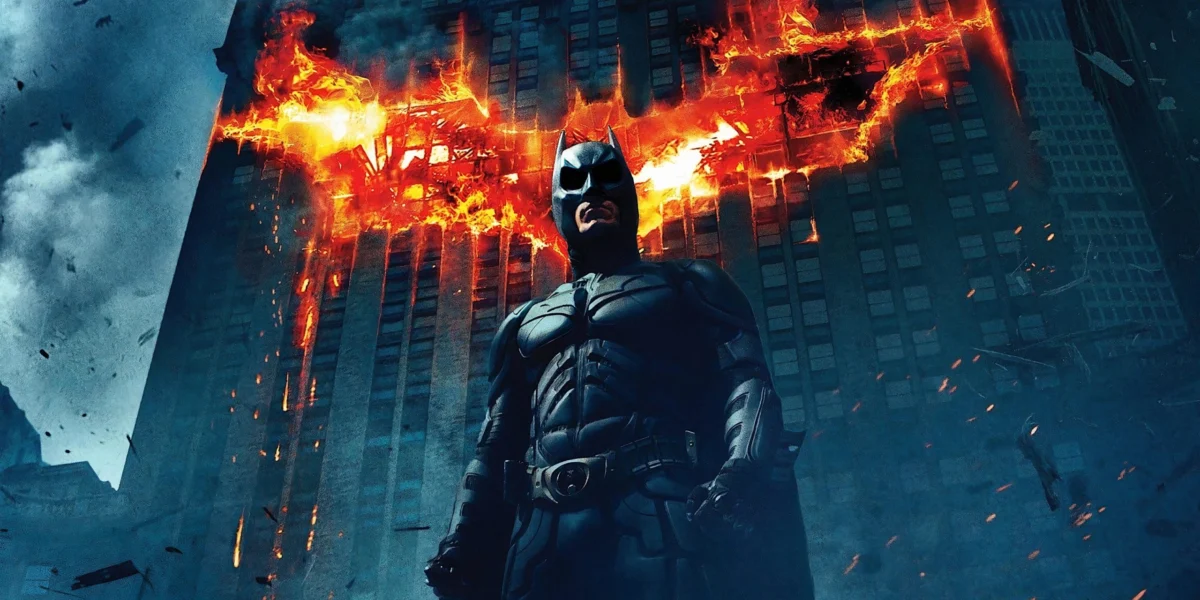
As Christopher Nolan’s latest cinematic endeavor, The Odyssey, prepares for its theatrical debut, a significant retrospective is underway, revisiting a pivotal film from his 2008 catalog. This comprehensive look back centers on The Dark Knight, a film that not only redefined the comic book genre but also exerted a profound influence on the film industry, notably compelling the Academy of Motion Picture Arts and Sciences to expand its Best Picture category for the first time in decades. Starring a formidable ensemble cast including Christian Bale, Michael Caine, Heath Ledger, Gary Oldman, Aaron Eckhart, Maggie Gyllenhaal, and Morgan Freeman, The Dark Knight was co-written by Christopher Nolan and his brother, Jonathan Nolan. The film presented a crime epic unlike any comic book adaptation seen before, distinguished by its grounded realism and intricate thematic explorations.
The release of The Dark Knight in the summer of 2008 was enveloped in an atmosphere of immense anticipation, tragically amplified by the untimely passing of Heath Ledger prior to the film’s debut. This somber context lent an unparalleled weight to its premiere, yet it also contributed to the immense hype surrounding the project. The film’s enduring legacy is inextricably linked to Ledger’s transcendent, Oscar-winning performance as the Joker, a portrayal that remains etched in cinematic history. Beyond Ledger’s turn, Nolan’s directorial approach, drawing inspiration from classic crime dramas like Michael Mann’s Heat, imbued the narrative with a gritty authenticity. Furthermore, The Dark Knight engaged directly with the sociopolitical climate of its time, offering a trenchant commentary on the Patriot Act, themes of escalating conflict, the nature of chaos, and the complexities of vigilantism. This retrospective analysis, conducted nearly two decades after its initial release, seeks to evaluate how these elements have aged and continue to resonate.
A Groundbreaking Entry in the Superhero Pantheon
Released on July 18, 2008, The Dark Knight was met with widespread critical acclaim and unprecedented commercial success. It swiftly became a cultural phenomenon, grossing over $1 billion worldwide and cementing its status as a landmark achievement in filmmaking. The film’s narrative thrust centered on Batman’s escalating war on crime in Gotham City, particularly his confrontation with the anarchic forces unleashed by the Joker. This central conflict served as a crucible for exploring profound philosophical and ethical questions, pushing the boundaries of what a superhero film could achieve.
The screenplay, meticulously crafted by the Nolan brothers, eschewed simplistic good-versus-evil dichotomies, instead presenting a morally complex universe where heroism and villainy were often intertwined. The film’s structure, reminiscent of a sprawling crime thriller, allowed for intricate plotting and character development, elevating it beyond the typical genre fare. This sophisticated approach was a significant departure from previous comic book adaptations, which often prioritized spectacle over substantive thematic exploration.
Heath Ledger’s Unforgettable Portrayal and Its Impact
The death of Heath Ledger on January 22, 2008, cast a long shadow over the production and release of The Dark Knight. Ledger, who had completed his role as the Joker, delivered a performance that was both terrifying and mesmerizing. His portrayal was characterized by a chilling unpredictability, a complete immersion in the character’s nihilistic philosophy, and a physical transformation that was both unsettling and captivating. The critical response to his performance was overwhelmingly positive, with many predicting an Academy Award nomination.
Upon its release, Ledger’s Joker was universally lauded as one of the greatest cinematic villains of all time. The performance earned him a posthumous Academy Award for Best Supporting Actor, a significant milestone for a comic book film and a testament to the power of his artistry. The award itself was a historic moment, acknowledging the gravitas and artistic merit of Ledger’s contribution, which transcended genre expectations. This recognition also contributed to the broader conversation about the validity of comic book films as serious cinematic works, influencing how the Academy and the wider industry perceived the genre.
A Political and Social Mirror
Beyond its genre-defining action and performances, The Dark Knight resonated deeply with audiences due to its timely and provocative political subtext. The film’s exploration of surveillance, civil liberties, and the erosion of privacy directly mirrored contemporary debates surrounding the Patriot Act, enacted in the wake of the September 11, 2001, terrorist attacks. Batman’s development of a city-wide sonar surveillance system, which allows him to see and hear anyone in Gotham, served as a potent metaphor for government overreach and the ethical compromises made in the name of security.
The film’s depiction of Gotham City grappling with fear and instability, and the populace’s willingness to sacrifice freedoms for a perceived sense of safety, offered a nuanced commentary on the post-9/11 world. The Joker, in his embodiment of pure chaos and anarchy, challenged the established order and exposed the fragility of societal structures. This thematic resonance contributed significantly to the film’s critical and commercial success, demonstrating its capacity to engage audiences on intellectual and political levels.
The Awards Season Upset: Forcing the Academy’s Hand
The critical acclaim and cultural impact of The Dark Knight extended into the 2009 Academy Awards season. While Heath Ledger’s posthumous win for Best Supporting Actor was widely anticipated, the film’s omission from the Best Picture nominations sparked considerable debate. Prior to 2009, the Best Picture category typically featured five nominees. However, the overwhelming critical and popular support for The Dark Knight, coupled with the success of other critically lauded films that year, highlighted the perceived limitations of the existing nomination process.
In response to the growing sentiment that the Academy’s nomination system was not adequately reflecting the diversity of acclaimed films, particularly those in the popular blockbuster category, the Academy of Motion Picture Arts and Sciences announced a significant change. For the 2010 Oscars (for films released in 2009), the Best Picture category was expanded to include up to ten nominees. This decision was widely seen as a direct consequence of the discourse surrounding The Dark Knight and its perceived exclusion from contention for the Academy’s highest honor. This expansion aimed to provide a broader range of critically recognized films with the opportunity to be nominated, acknowledging the evolving landscape of cinema.
A Legacy of Influence and Enduring Analysis
Nearly two decades after its release, The Dark Knight continues to be a subject of critical analysis and fan discussion. Its influence on the superhero genre is undeniable, setting a new standard for realism, thematic depth, and narrative complexity. Many subsequent superhero films have sought to emulate its grounded approach and its willingness to tackle mature themes.
The film’s technical achievements, including its innovative use of IMAX cameras for action sequences, also pushed the boundaries of cinematic storytelling. Nolan’s direction, characterized by its meticulous planning and ambitious scope, further solidified his reputation as a visionary filmmaker. The ensemble cast delivered performances that were uniformly strong, contributing to the film’s overall gravitas.
The ongoing retrospective, featuring film critics Alyssa Christian, Josh Parham, Amy Kim, and Brendan Hodges, alongside the author, delves into these multifaceted aspects of The Dark Knight. The discussion encompasses a detailed examination of the screenplay’s intricacies, Nolan’s directorial choices, the impactful performances, the meticulously choreographed action sequences, and the film’s historic trajectory through the awards season. The review, presented in a spoiler-filled format, invites audiences to revisit and re-evaluate the film’s enduring relevance and its profound impact on cinema.
This deeper dive into The Dark Knight serves not only as a tribute to a seminal film but also as an exploration of its lasting imprint on the industry. Its success demonstrated that comic book adaptations could be both critically acclaimed artistic achievements and commercially viable blockbusters, a realization that continues to shape the cinematic landscape today. The film’s legacy is a testament to its ambition, its artistry, and its ability to spark meaningful conversations about the nature of heroism, the allure of chaos, and the complex relationship between security and freedom in the modern world.
The podcast preview, available to Patreon subscribers, highlights the dedication of Next Best Picture to providing in-depth film analysis. As part of the Evergreen Podcasts Network, the podcast is accessible across various platforms, encouraging listeners to subscribe and engage with their content. Reviews of other films from the 2008 awards season, including Frost/Nixon, Doubt, Changeling, Revolutionary Road, WALL-E, and Milk, further contextualize The Dark Knight‘s place within a significant year for cinema. The collaborative efforts of the review panel, shared across social media platforms, underscore a commitment to fostering a vibrant film discussion community.