

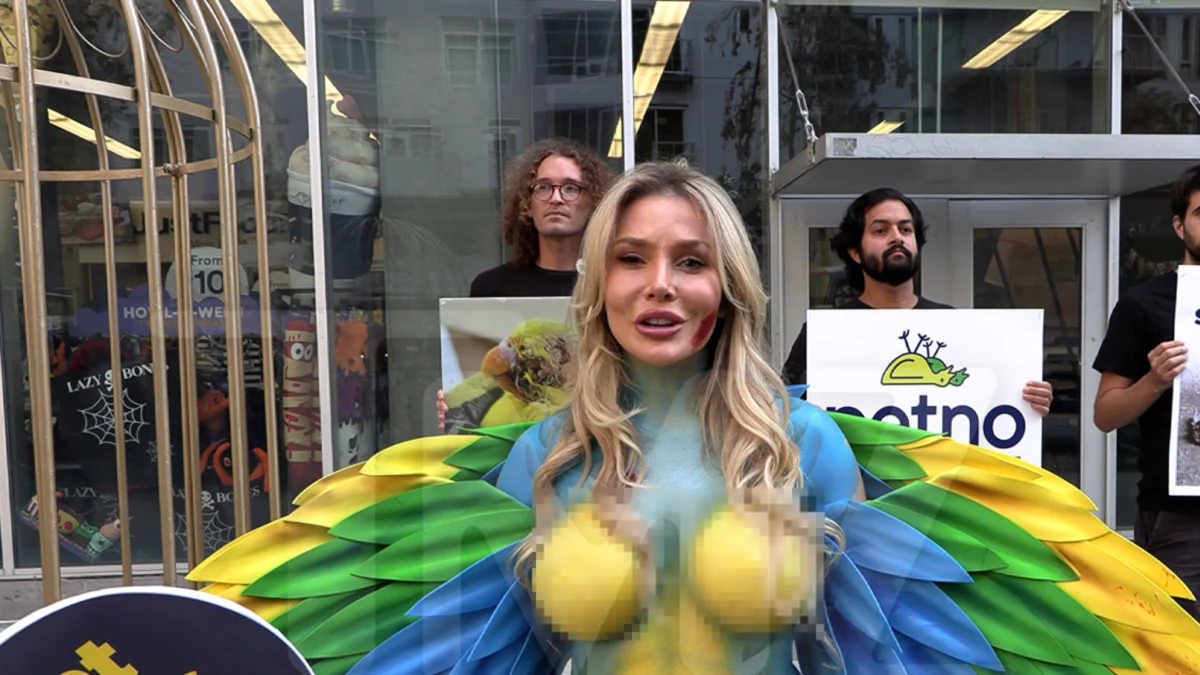
Social media personality and animal rights advocate Courtney Stodden has once again drawn significant public attention to animal welfare concerns, launching a high-profile campaign alongside People for the Ethical Treatment of Animals (PETA) targeting major pet retail chain Petco. The protest, which took place in late September 2026, focuses specifically on the commercial sale of birds within the corporation’s retail stores. Stodden’s latest demonstration blends avant-garde body art with direct activism, underscoring a growing push from celebrity advocates and animal welfare organizations to alter commercial practices surrounding exotic pets.
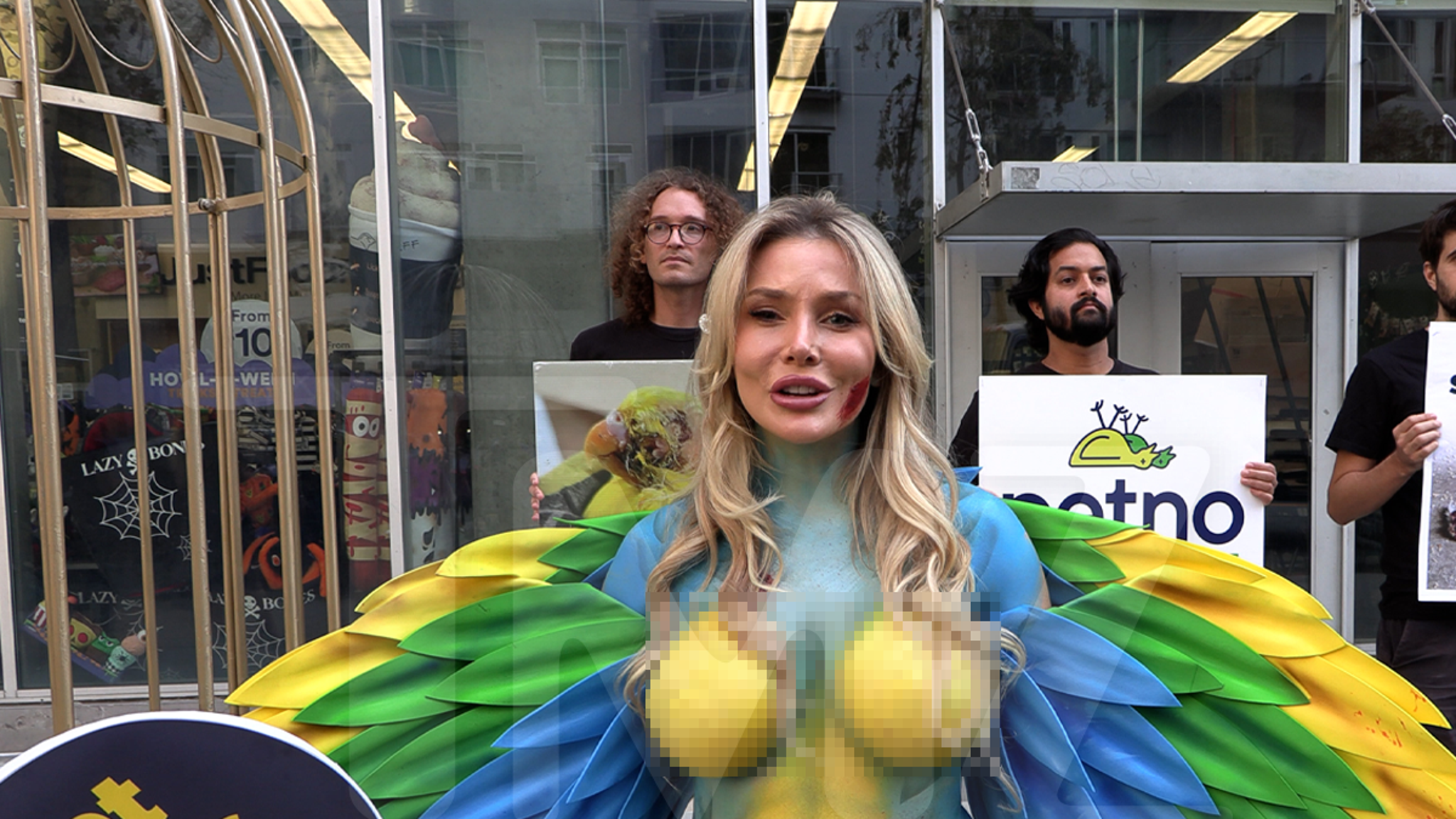
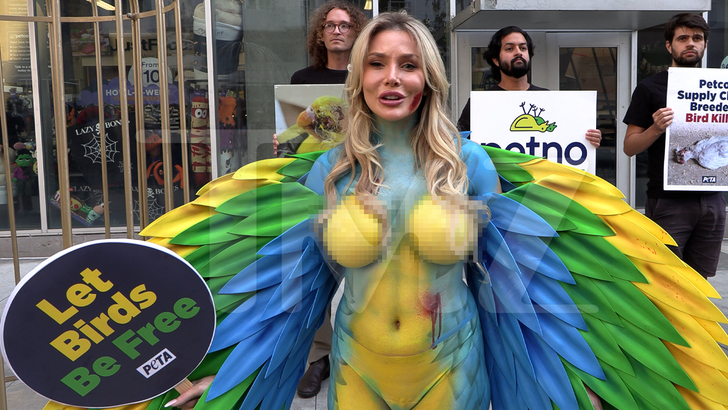
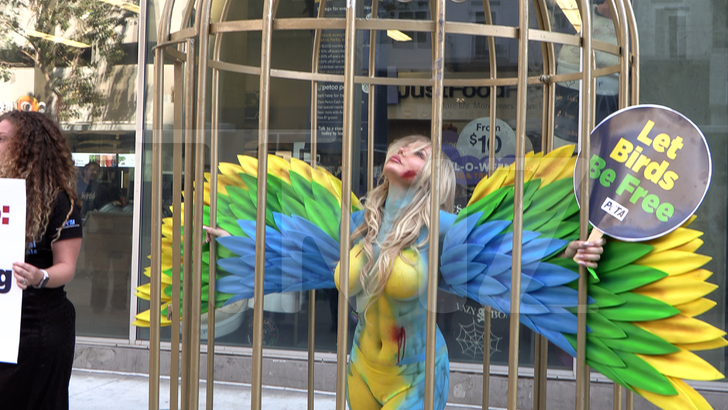
The demonstration unfolded on a Tuesday afternoon, capturing widespread media coverage. Stodden appeared in a minimalist ensemble consisting solely of body paint, a painted thong, and pasties. Intricate body art transformed her physique into a canvas depicting vibrant parrot feathers, contrasted sharply by painted strokes of red meant to symbolize bloodstains. According to statements provided by the activist and representatives from PETA, the visceral imagery was intentionally designed to highlight alleged mistreatment, neglect, and the systemic welfare issues that companion birds reportedly face prior to being purchased by retail consumers.
Chronology of Activism and Prior Demonstrations
Stodden’s collaboration with PETA is part of a sustained trajectory of public demonstrations aimed at various commercial industries. This most recent protest against Petco’s bird trade is not an isolated event within Stodden’s advocacy portfolio. Earlier in the year, in March 2026, Stodden participated in a similarly striking demonstration against the fashion and manufacturing industries’ utilization of animal leather. During that protest, Stodden covered herself in black paint and other substances to mimic the industrial processing of animal hides, drawing parallels between consumer demand and animal suffering.
Over the past several years, Stodden has increasingly transitioned from a traditional entertainment figure into a dedicated voice for animal rights. Collaborating frequently with organizations like PETA, Stodden has leveraged a prominent digital footprint to amplify campaigns spanning multiple sectors, including anti-fur fashion initiatives, vegetarianism, and the ethical treatment of domesticated and exotic species held in captivity. Activism analysts note that utilizing high-visibility, visually arresting performance art is a calculated strategy designed to bypass traditional media noise and spark direct public discourse on niche or overlooked animal welfare issues.
The Commercial Trade of Companion Birds: Context and Concerns
At the heart of Stodden and PETA’s recent campaign is the ethical and practical dilemma surrounding the retail trade of companion birds, particularly species such as parrots, cockatiels, and parakeets. Animal welfare organizations have long argued that major pet store chains contribute to a cycle of impulse buying, inadequate housing, and severe psychological distress for avian species.
Unlike domesticated animals such as dogs and cats, many commercially sold birds retain complex wild instincts, high intelligence, and specialized social requirements. Critics of the commercial bird trade contend that mass-breeding facilities, often referred to colloquially as "bird mills," subject breeding pairs and hatchlings to cramped, sterile, and stressful environments. When these animals reach retail shelves, consumers frequently lack the specialized knowledge required to care for them properly. This disconnect often leads to lifelong captivity in undersized cages, improper nutrition, and, in severe cases, psychological disorders characterized by self-feather plucking and stereotypic behaviors.
PETA has historically targeted major corporate entities like Petco and PetSmart, demanding the cessation of live animal sales entirely. The organization advocates for a model wherein retail stores transition toward pet supplies, adoption partnerships with local shelters, and educational resources, thereby removing the profit incentive from breeding and selling live animals over the counter.
Industry Standards and Corporate Response
While animal rights groups maintain continuous pressure on large-scale retailers, companies like Petco operate under established regulatory frameworks that govern the commercial sale of live animals. Petco has previously defended its animal care standards, emphasizing compliance with the Animal Welfare Act where applicable, as well as internal protocols regarding veterinary care, nutritional standards, and staff training.
Major corporate pet retailers frequently assert that they source their animals from licensed, reputable breeders and maintain strict guidelines to ensure the health and safety of pets while in their care. However, advocacy groups like PETA argue that no corporate supply chain can ethically manage the complex physical and psychological needs of hundreds of different species within a retail environment. The core of the dispute rests on a fundamental disagreement: corporations view companion animals as regulated commercial products subject to welfare standards, whereas activists view the commodification of living creatures as inherently incompatible with humane treatment.
Broader Implications for Animal Welfare Campaigns
The protest involving Stodden and PETA highlights the evolving nature of modern public relations battles between activist networks and multinational corporations. In an era dominated by social media algorithms and rapid digital consumption, traditional methods of lobbying and formal letter-writing campaigns often struggle to capture public attention. Consequently, high-impact visual demonstrations—such as body painting, performance art, and targeted digital campaigns—have become essential tools for driving engagement and forcing corporate accountability into mainstream news cycles.
Furthermore, the focus on avian welfare addresses an often-overlooked sector of the pet industry. While dogs, cats, and farm animals frequently occupy the center of animal rights discourse, exotic pets, reptiles, and birds routinely face systemic neglect due to a lack of federal oversight and public awareness regarding their specific needs. By drawing attention to the conditions of birds in retail stores, campaigns of this nature aim to shift consumer consciousness, encouraging prospective pet owners to evaluate the ethics of purchasing animals from retail chains versus adopting from rescue organizations.
Future Outlook and Ongoing Advocacy
Following the September demonstration, representatives for Stodden indicated that future actions will likely target additional industries and species perceived to be vulnerable to exploitation. Emphasizing a commitment to maintaining a vigilant watch over animal welfare across multiple fronts, Stodden’s alliance with PETA appears poised to continue utilizing provocative performance art to challenge corporate practices.
As public scrutiny regarding corporate environmental, social, and governance (ESG) practices continues to intensify, consumer pressure regarding animal welfare is unlikely to dissipate. Whether high-profile demonstrations will compel major retailers like Petco to reevaluate their live animal sales models remains to be seen. Nonetheless, actions spearheaded by public figures ensure that the debate regarding the ethics of the commercial pet trade remains firmly in the public eye, prompting ongoing dialogue among consumers, corporations, and animal advocates alike.