
The 20th edition of the Asian Pop-Up Cinema (AUPC) festival concluded its highly anticipated jury competition, celebrating a vibrant spectrum of Asian cinematic talent. The prestigious Grand Jury Feature Film Award was bestowed upon "Blue Boy Trial," a poignant Japanese drama directed by Kaisho Iizuka, recognizing its profound exploration of identity and societal shifts. Across a competitive field of 17 diverse titles, spanning feature films, shorts, animation, and emerging filmmaker categories, the festival once again underscored its commitment to amplifying unique narratives from across the continent.
A Celebration of Asian Cinematic Excellence
Asian Pop-Up Cinema, a cornerstone event for showcasing contemporary Asian cinema in the United States, has consistently provided a vital platform for filmmakers to connect with a wider audience. Since its inception, the festival has evolved into a significant cultural touchstone, fostering dialogue and understanding through the powerful medium of film. This year’s 20th iteration, held over a dedicated period, drew considerable attention from film critics, industry professionals, and cinephiles alike, eager to discover the latest in Asian filmmaking. The jury competition, a central pillar of the festival, is designed to highlight films that not only demonstrate artistic merit but also engage with pressing social, historical, and personal themes.
The festival’s programming for its 20th anniversary was curated with a keen eye for innovation and cultural relevance, featuring films that tackle a range of subjects from historical introspection to contemporary social commentary. The jury, composed of distinguished figures in the international film community, deliberated extensively over the submitted works, seeking out those that exhibited exceptional storytelling, technical prowess, and thematic depth.
"Blue Boy Trial" Takes Top Honors
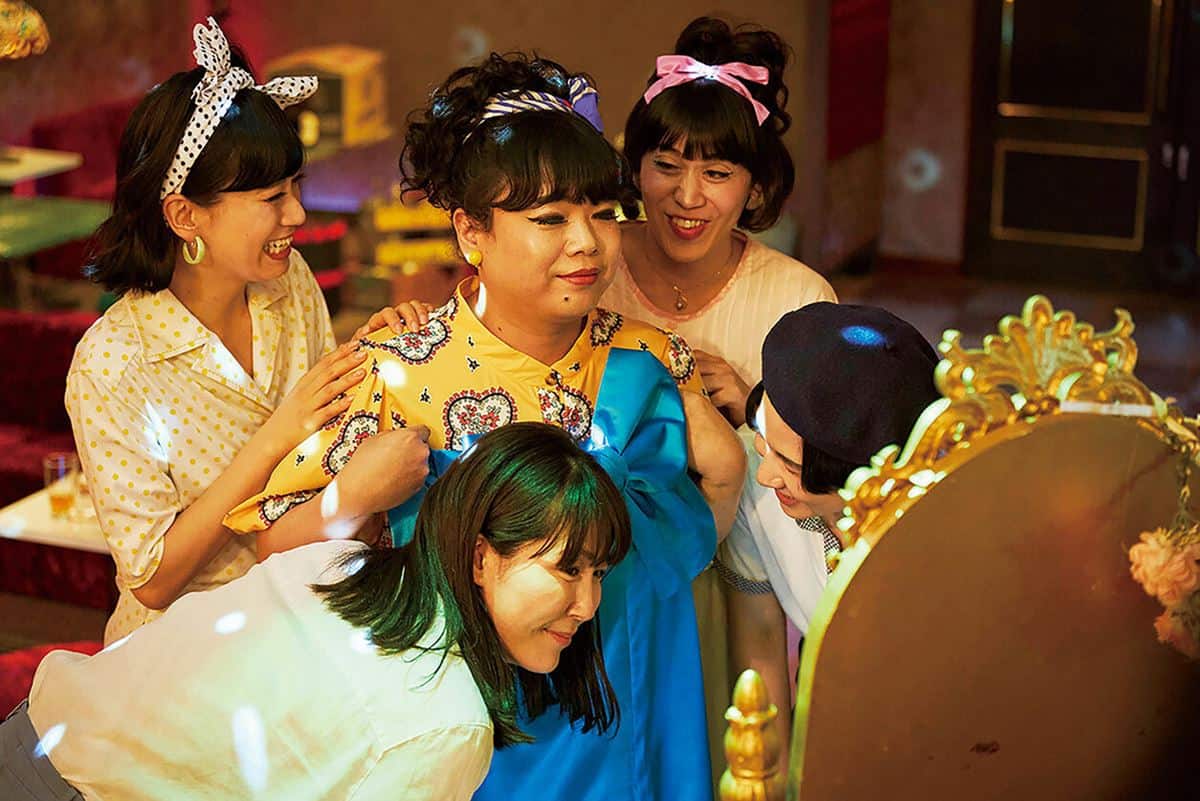
Kaisho Iizuka’s "Blue Boy Trial" captivated the jury with its sensitive portrayal of three transgender women in 1960s Japan. The film’s narrative, which chronicles how their actions ignited a nationwide discourse on gender identity and queerness, was lauded for its ability to transcend individual stories to illuminate broader historical and societal issues. The jury specifically commended the film’s unsentimental approach, a directorial choice that allowed the characters’ struggles and resilience to resonate with profound emotional honesty. This award marks a significant recognition for Iizuka and a testament to the growing visibility of LGBTQ+ narratives within mainstream Asian cinema. The historical context of the 1960s in Japan was a period of significant social change, and "Blue Boy Trial" appears to have masterfully tapped into this era to explore timeless themes of acceptance and self-definition.
Emerging Talent and Powerful Narratives Honored
The Francis Kwong Memorial Award, established to celebrate burgeoning directorial talent, was presented to South Korean filmmaker Kim Sung-yoon for his feature film "Fragment." This award specifically recognizes directors in their first or second feature-length productions, fostering the next generation of cinematic voices. "Fragment" tells the story of teenagers grappling with the aftermath of crime and shared trauma. The jury lauded the film for its raw emotional intensity and its compelling call for reconciliation, suggesting a narrative that is both cathartic and thought-provoking. This recognition is crucial for emerging filmmakers, providing them with vital exposure and validation for their creative endeavors.
In the animation category, the Best Animated Feature Film Award was secured by the Chinese production "The Girl Who Stole Time." Directed by Yu Ao and Zhou Tienan, the film was praised for its sophisticated use of advanced animation techniques and its imaginative reimagining of Shanghai’s past. This award highlights the increasing technical sophistication and artistic ambition within the Asian animation industry, demonstrating a capacity for creating visually stunning and narratively rich experiences. The film’s ability to blend historical setting with innovative animation suggests a forward-thinking approach to storytelling in the animated medium.
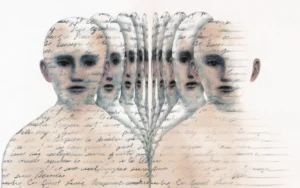
The Best Short Film Award recognized the impactful work of Iranian director Yaser Barzegar for "Health Center." The jury’s citation highlighted the film’s precise examination of social norms and the intricate complexities of deception that can arise within traditional societal frameworks. Short films often serve as powerful vehicles for concise yet potent storytelling, and "Health Center" appears to have excelled in delivering a nuanced and socially relevant narrative within this format.
Audience Favorite and Festival Vision
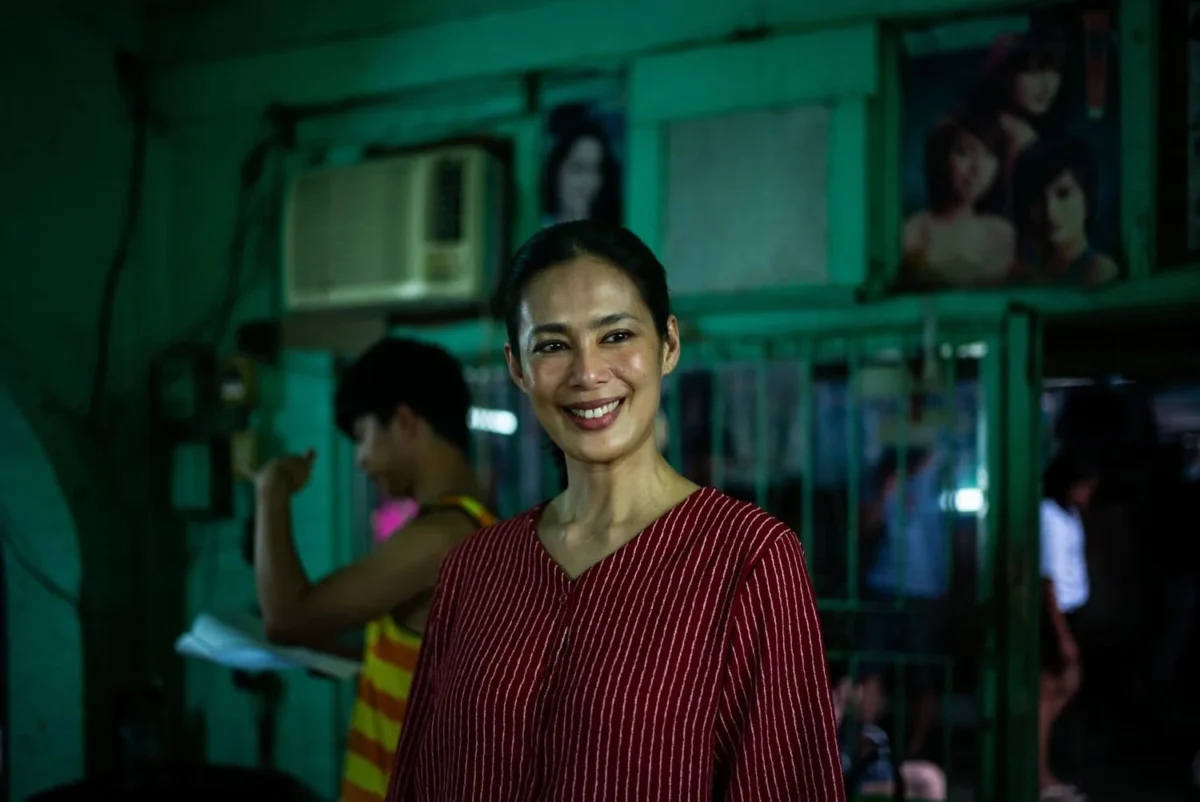
Beyond the jury’s selections, the festival also celebrated the direct connection between filmmakers and their audiences. The Audience Choice Award, a testament to the films that resonated most deeply with the general public, was given to "April." This co-production between Taiwan and the Philippines, directed by Freddy Tang, follows the unexpected bond formed between a Filipino migrant worker and a Taiwanese ex-convict as they navigate their shared journey toward finding a sense of belonging. The film’s themes of displacement, connection, and the search for home evidently struck a chord with festival attendees.
Sophia Wong Boccio, the Founder and Executive Director of Asian Pop-Up Cinema, expressed her pride in this year’s honorees. "Each of our outstanding winners has brought something unique and inspiring to this year’s festival," Boccio stated. "This recognition reflects the passion and effort they have invested in their craft." Her remarks underscore the festival’s core mission: to champion artistic excellence and support the dedicated work of filmmakers.
A Jury of Distinguished Expertise
The caliber of the jury itself speaks to the festival’s growing influence and reputation. Leading the panel was Iranian filmmaker and educator Mehnrez Saeed-Vafa, whose extensive experience in both creative and academic spheres provided invaluable insight. She was joined by Barbara Scharres, the former Director of Programming at the esteemed Gene Siskel Film Center, bringing a wealth of knowledge in film curation and audience engagement. Rounding out the jury was Karen Severns, a Tokyo-based critic and curator, whose expertise in contemporary Asian cinema offered a crucial international perspective. This diverse assembly of judges ensured a thorough and multifaceted evaluation of the submitted works, drawing upon a rich tapestry of cinematic understanding and cultural awareness.
Historical Context and Thematic Resonance
The 20th edition of Asian Pop-Up Cinema arrives at a pivotal moment for global cinema, where diverse voices and perspectives are increasingly sought after. The festival’s consistent dedication to showcasing films that grapple with identity, history, and contemporary social realities has cemented its role as a vital cultural institution. The selection of "Blue Boy Trial" as the Grand Jury Feature Film Award winner, for instance, is particularly significant given the ongoing global conversations surrounding LGBTQ+ rights and representation. The film’s historical setting allows for a nuanced examination of how societal attitudes have evolved, or in some cases, remained stagnant, providing valuable context for contemporary issues.
Similarly, "Fragment’s" focus on trauma and reconciliation speaks to universal human experiences that resonate across cultures. In an era marked by conflict and division, films that explore the paths toward healing and understanding are more important than ever. The jury’s recognition of its emotional intensity suggests a film that does not shy away from difficult subject matter but instead confronts it with empathy and a hopeful outlook.
The animated feature, "The Girl Who Stole Time," by exploring Shanghai’s past through advanced animation, offers a unique lens through which to appreciate history and cultural heritage. This award signifies the growing recognition of animation not just as a medium for children’s entertainment, but as a powerful art form capable of complex storytelling and historical evocation. The fusion of technology and narrative artistry in this film highlights the evolving landscape of animated filmmaking.
"Health Center," by addressing social norms and deception, taps into a rich vein of thematic exploration common in many global cinemas, particularly those that engage with the nuances of societal expectations and individual agency. Short films often excel at distilling complex societal critiques into concentrated narratives, and Barzegar’s work appears to have achieved this with notable skill.
Finally, the Audience Choice Award for "April" demonstrates the power of relatable human stories to connect with viewers on a deeply personal level. The film’s exploration of finding home and forging connections across cultural and personal divides highlights the universal human need for belonging. This award serves as a reminder that while critical acclaim is important, the ability of a film to move and engage an audience is equally significant.
Looking Ahead: The Enduring Impact of Asian Pop-Up Cinema
The success of the 20th Asian Pop-Up Cinema jury competition reinforces the festival’s enduring commitment to fostering a deeper appreciation for Asian cinema in the United States. By providing a platform for diverse voices and compelling narratives, AUPC not only enriches the cultural landscape but also facilitates cross-cultural understanding and dialogue. The festival’s continued growth and the quality of films celebrated each year are indicative of the vibrant and dynamic nature of filmmaking across Asia. As the industry continues to evolve, institutions like Asian Pop-Up Cinema play an indispensable role in bridging cultural divides and introducing audiences to the profound stories that shape our global community. The festival’s ongoing mission to bring "hidden gems" and important cinematic works to the forefront ensures that these narratives will continue to find their audience and spark meaningful conversations for years to come.
Full List of 20th Asian Pop-Up Cinema Jury Competition Winners:
Grand Jury Feature Film Award
- "Blue Boy Trial" (Japan) – Directed by Kaisho Iizuka
Francis Kwong Memorial Award (Emerging Director)
- Kim Sung-yoon – "Fragment" (South Korea)
Best Animated Feature Film Award
- "The Girl Who Stole Time" (China) – Directed by Yu Ao & Zhou Tienan
Best Short Film Award
- "Health Center" (Iran) – Directed by Yaser Barzegar
Audience Choice Award
- "April" (Taiwan / Philippines) – Directed by Freddy Tang