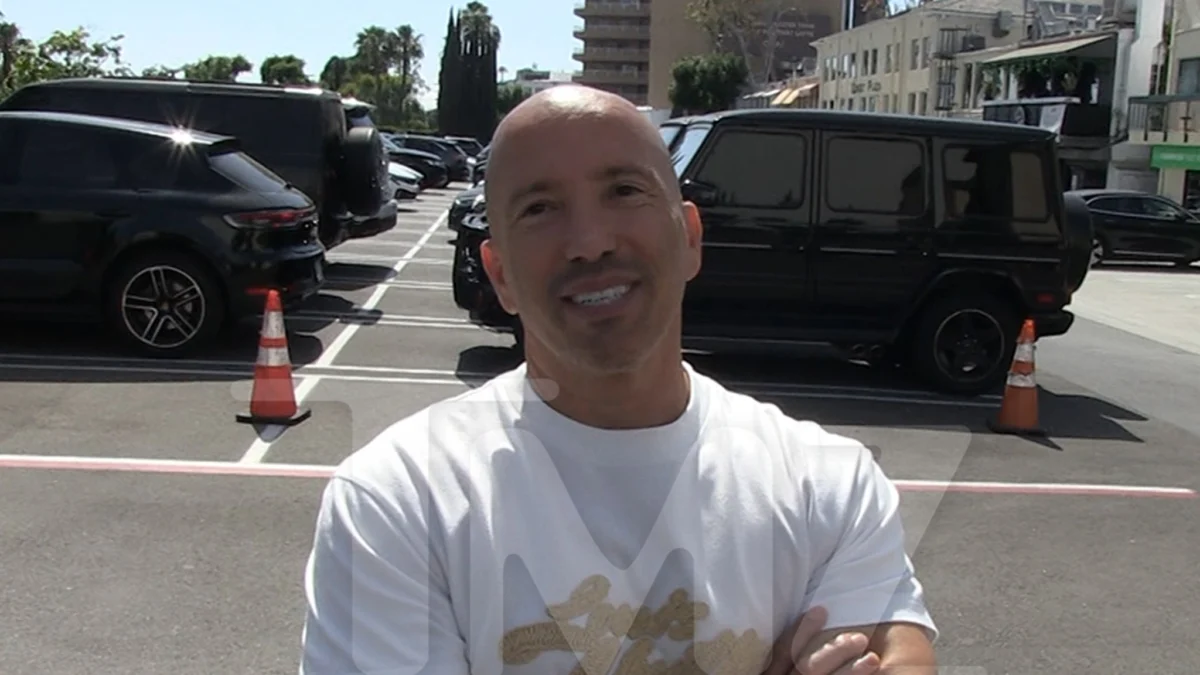
Los Angeles real estate magnate and reality television star Jason Oppenheim is reportedly reconsidering his choice of luxury vehicles following the recent theft of his Rolls-Royce, suggesting a potential shift towards less ostentatious automobiles in an effort to deter future criminal targeting. The incident, which occurred last month at The Oppenheim Group’s prominent Sunset Boulevard office, has prompted the "Selling Sunset" star to publicly contemplate a pivot from the highly visible opulence long associated with his brand and personal lifestyle, favoring discretion over dazzling display in his daily commute through West Hollywood.
The theft, first reported by TMZ, transpired within the ostensibly secure confines of The Oppenheim Group’s parking facilities. While details surrounding the precise method of entry and extraction remain under active investigation, Oppenheim himself, in an interview conducted on Friday, April 10, 2026, outside his brokerage, described the event as an "unfortunate situation," notably refraining from attributing blame to his staff or the existing security protocols. This measured response, however, underscores a deeper concern regarding the vulnerability of high-value assets, even within secured environments, especially for individuals of elevated public profiles.
The Chronology of an Unfortunate Event
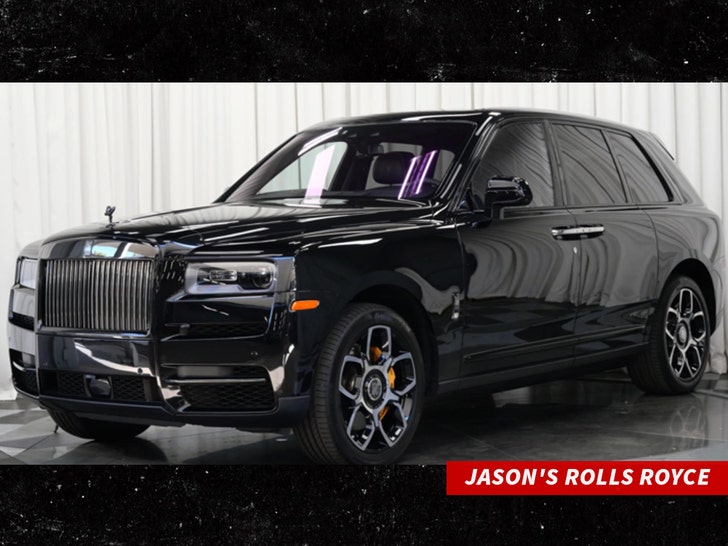
The timeline of events began sometime in March 2026, when Oppenheim’s Rolls-Royce, a quintessential symbol of luxury and success, was discovered missing from The Oppenheim Group’s office lot. The exact model was not specified in initial reports, but Rolls-Royce vehicles, renowned for their craftsmanship and exclusivity, typically range from several hundred thousand to well over a million dollars, making them prime targets for sophisticated theft rings. Upon discovery, a police report was promptly filed with local law enforcement, initiating an investigation that, as of early April, had yet to yield substantial progress in recovering the stolen vehicle or apprehending suspects. Oppenheim expressed his hope for the car’s eventual return, a sentiment often shared by victims of such high-profile thefts, though the recovery rate for luxury vehicles, particularly those targeted by organized crime, can be challenging.
Law enforcement agencies in affluent areas of Los Angeles, including West Hollywood and Beverly Hills, frequently contend with incidents of high-value vehicle theft. These crimes are often perpetrated by organized groups employing advanced techniques, ranging from key fob relay attacks, which exploit vulnerabilities in keyless entry systems to trick a car into thinking its key is present, to sophisticated electronic bypassing of alarm and immobilizer systems. The sheer value and international demand for luxury car parts or the vehicles themselves, often destined for overseas markets, complicate recovery efforts significantly.
A Shift in Automotive Philosophy: From Flash to Functionality
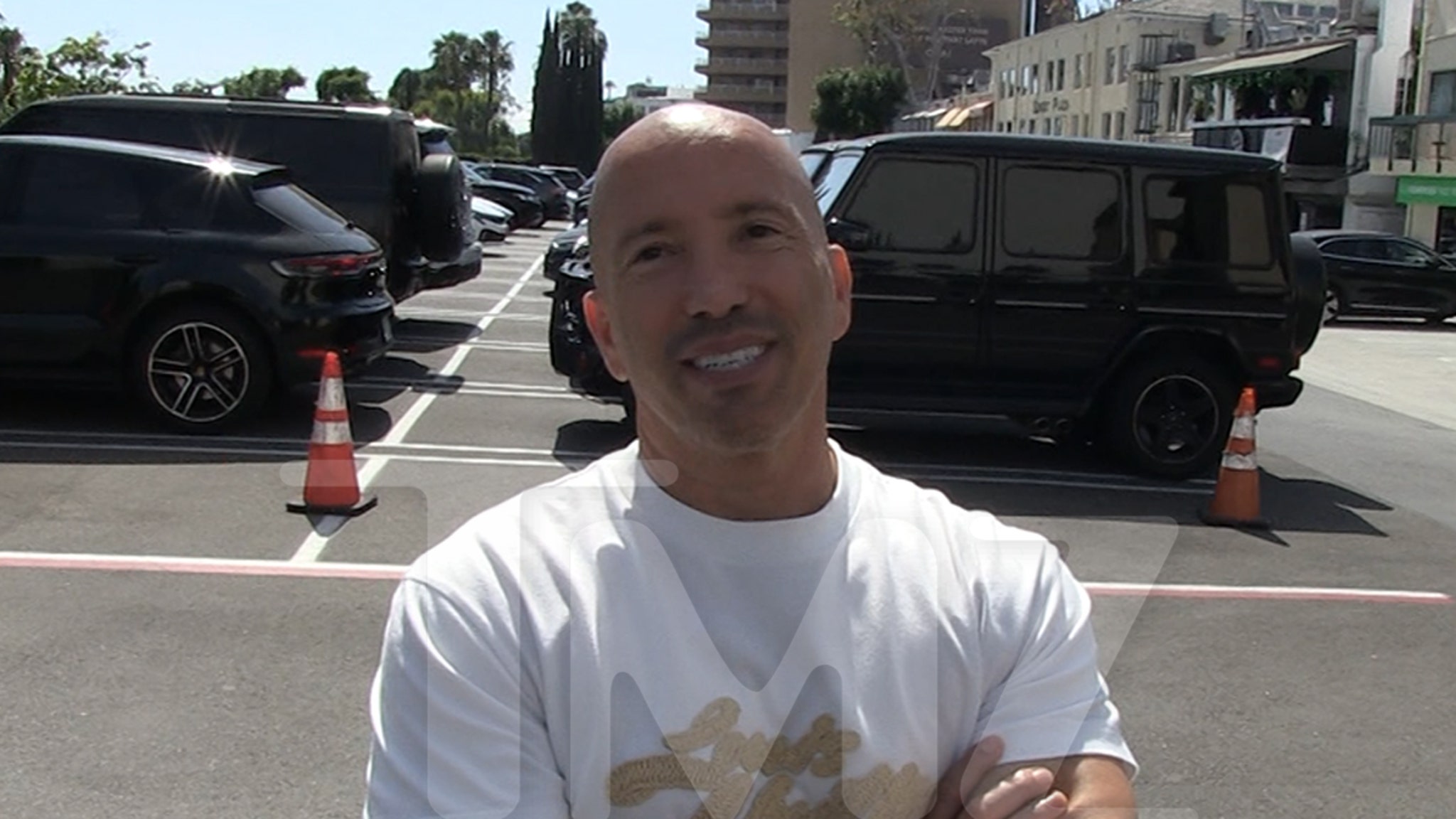
The core of Oppenheim’s current dilemma, and indeed the focal point of his recent remarks, is his contemplation of a significant departure from the Rolls-Royce brand. His rationale is pragmatic: the vehicle’s inherent "flashiness" acts as an overt invitation for theft. This reflection highlights a growing concern among high-net-worth individuals and public figures who, while accustomed to the trappings of wealth, must increasingly weigh the advantages of luxury against the risks of increased visibility and potential targeting.
In the highly competitive and appearance-driven Los Angeles real estate market, luxury vehicles like Rolls-Royces, Lamborghinis, and Ferraris are often perceived not merely as modes of transport but as extensions of personal brand and professional success. For Oppenheim, whose career and public persona are intricately linked to showcasing a glamorous, aspirational lifestyle through "Selling Sunset," this consideration represents more than a mere car choice; it signifies a potential recalibration of his public image and personal security strategy.
Should Oppenheim indeed opt for a less conspicuous vehicle, his choices could still fall within the luxury segment but lean towards brands or models that offer high performance, comfort, and advanced technology without the immediate, universally recognizable visual cues of extreme wealth. Examples might include high-end models from German manufacturers like Mercedes-Benz, BMW, or Audi, or even certain Tesla models, which, while luxurious and technologically advanced, often project a different, perhaps more understated, image compared to the grandeur of a Rolls-Royce. This shift could reflect a broader trend among celebrities and successful entrepreneurs towards "quiet luxury" or, more accurately, "smart luxury," where the focus is on personal preference and security rather than overt status signaling.
The Broader Context: Luxury Car Theft in Los Angeles
The incident involving Jason Oppenheim is not an isolated occurrence but rather a symptom of a broader, concerning trend in luxury vehicle theft across metropolitan areas, particularly in Southern California. Data from various law enforcement agencies and insurance industry reports consistently indicate an increase in high-end automobile thefts in recent years. This surge is often attributed to several factors:
- Technological Sophistication of Thieves: Criminal syndicates are increasingly adept at bypassing advanced vehicle security systems.
- High Resale Value: Stolen luxury cars, or their parts, command significant prices on black markets, both domestically and internationally.
- Geographic Vulnerability: Major port cities like Los Angeles offer convenient conduits for shipping stolen vehicles overseas, making recovery exceedingly difficult once they leave U.S. soil.
- Economic Disparities and Organized Crime: The widening gap between wealth and poverty, coupled with the organizational prowess of criminal networks, creates a fertile ground for such illicit activities.
According to statistics compiled by organizations like the National Insurance Crime Bureau (NICB), vehicle theft rates, while fluctuating, have shown periods of significant increases, with luxury models being disproportionately targeted due to their inherent value. In affluent Los Angeles neighborhoods, residents often invest heavily in home security, but vehicle security, especially when parked publicly or in communal lots, can present unique challenges. The "flashiness" factor Oppenheim cited is indeed a recognized principle in crime prevention; high-value, easily identifiable targets naturally attract more attention from opportunistic and organized criminals alike.
Security Measures and Industry Responses
In response to rising theft rates, both luxury car manufacturers and aftermarket security companies have continuously innovated. Modern Rolls-Royce vehicles, for instance, come equipped with advanced GPS tracking systems, sophisticated immobilizers, and integrated telematics that can alert owners and authorities to unauthorized movement. However, determined thieves often find ways to jam these signals or quickly dismantle critical components.
Security experts suggest a multi-layered approach for high-value vehicle owners:
- Secure Parking: Whenever possible, vehicles should be parked in locked garages with additional security measures, such as surveillance cameras and reinforced entry points.
- Aftermarket Security Systems: Investing in additional alarms, kill switches, or secondary tracking devices that operate independently of the factory system can provide an extra layer of deterrence and recovery assistance.
- Situational Awareness: Being mindful of surroundings, especially when parking or leaving a vehicle, and avoiding routines that could be exploited by criminals.
- Data Protection: Protecting key fob signals from relay attacks through signal-blocking pouches or Faraday bags.
For high-profile individuals like Oppenheim, the implications extend beyond mere vehicle recovery costs. The psychological impact of being targeted, the breach of personal security, and the potential disruption to professional life are significant. Furthermore, the incident can prompt a reevaluation of public visibility and personal safety protocols, influencing everything from daily routines to residential security enhancements.
The Oppenheim Group and "Selling Sunset" in the Public Eye
Jason Oppenheim, alongside his twin brother Brett, founded The Oppenheim Group, a luxury real estate brokerage that has become synonymous with high-stakes property deals and extravagant lifestyles in Los Angeles and Orange County. The firm gained international renown through Netflix’s hit reality series "Selling Sunset," which chronicles the professional and personal lives of its glamorous real estate agents. The show prominently features the agents, including Oppenheim, driving and interacting with a fleet of luxury cars, further solidifying the image of opulence that now, ironically, contributes to the security concerns.
The theft of Oppenheim’s Rolls-Royce comes at a time of other notable challenges for the Oppenheim brand. The original article also touched upon the recent news of Netflix pausing production on "Selling the O.C.," a spin-off series set in Orange County. Oppenheim, when asked about this, expressed his hope for the show’s eventual return. While seemingly unrelated to the car theft, these two events collectively paint a picture of a period of introspection and potential adjustments for the reality star and his business empire. The combination of a high-value asset theft and a production pause might encourage a strategic reevaluation of operations, security, and public perception for The Oppenheim Group and its media endeavors.
The image portrayed on "Selling Sunset" is one of unbridled success and luxury, often showcasing agents arriving at multi-million dollar listings in their high-end vehicles. This aspirational portrayal, while captivating audiences, also inadvertently broadcasts the wealth of its stars, potentially making them more attractive targets for criminal elements. Oppenheim’s consideration of a less "flashy" car suggests an acknowledgment of this dynamic—a recognition that the lines between public persona and private vulnerability can blur, and that an excessive display of wealth, while good for television ratings, may carry tangible risks in the real world.
Implications for Public Figures and Luxury Markets
Oppenheim’s decision could set a precedent or at least reflect a growing sentiment among other public figures. In an era where social media amplifies visibility and crime rates present increasing challenges, the balance between maintaining a successful public image and ensuring personal security becomes ever more delicate. This incident highlights the evolving considerations for individuals whose livelihoods and brands are built on projecting an image of affluence.
The luxury automotive market, too, may feel subtle shifts. While the demand for ultra-luxury vehicles remains robust globally, incidents like Oppenheim’s theft could influence how these vehicles are marketed and secured. Manufacturers might increasingly emphasize advanced security features, discreet design options, or even offer specialized security consulting services to high-profile clients. Insurance providers, already grappling with the high costs associated with luxury vehicle theft and recovery, might adjust premiums or require enhanced security measures for certain high-risk models or owners.
Ultimately, Jason Oppenheim’s contemplation of trading his Rolls-Royce for a more understated vehicle is a microcosm of a larger societal discussion. It speaks to the ongoing tension between the allure of overt wealth and the imperative of personal safety in an increasingly complex and interconnected world. While the specific outcome of his car search remains to be seen, his public statements signal a pragmatic adjustment to the realities of being a high-profile individual in a major metropolitan area, where the display of extreme luxury can, paradoxically, become a liability rather than just an asset. The streets of Los Angeles, famous for their parade of exotic cars, might indeed see one less Rolls-Royce belonging to a well-known personality, replaced perhaps by something equally capable, but decidedly less conspicuous.