

HBO Max has released the highly anticipated first look teaser trailer for its upcoming original series, Stuart Fails to Save the Universe. This new sci-fi comedy special, set to stream weekly starting in July 2026, marks a significant expansion of The Big Bang Theory franchise, introducing fan-favorite comic book store owner Stuart Bloom into an unprecedented multiversal crisis. The series is positioned as the fourth television series within the beloved Big Bang Theory universe, following the flagship sitcom and its highly successful prequel, Young Sheldon, and an additional untitled project announced in 2023. This latest venture directly spins off from the original sitcom, centering on the often-hapless Stuart as he navigates a reality-altering catastrophe of his own making.
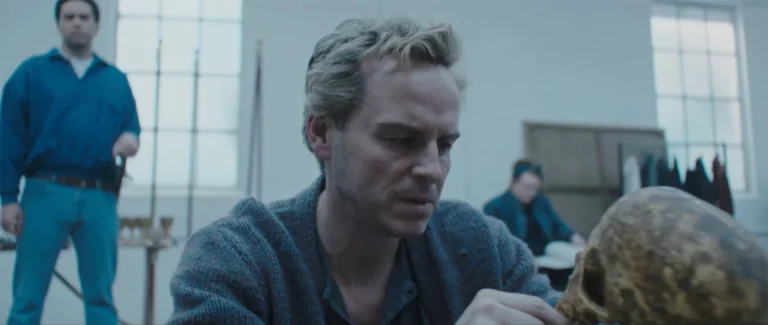
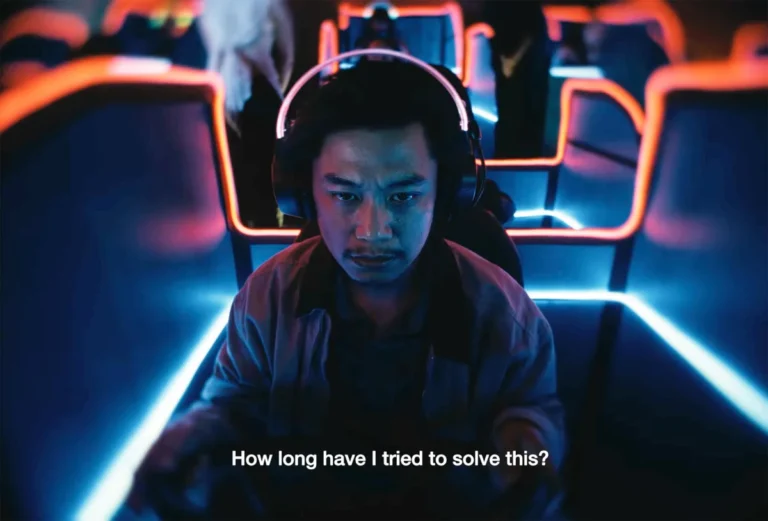
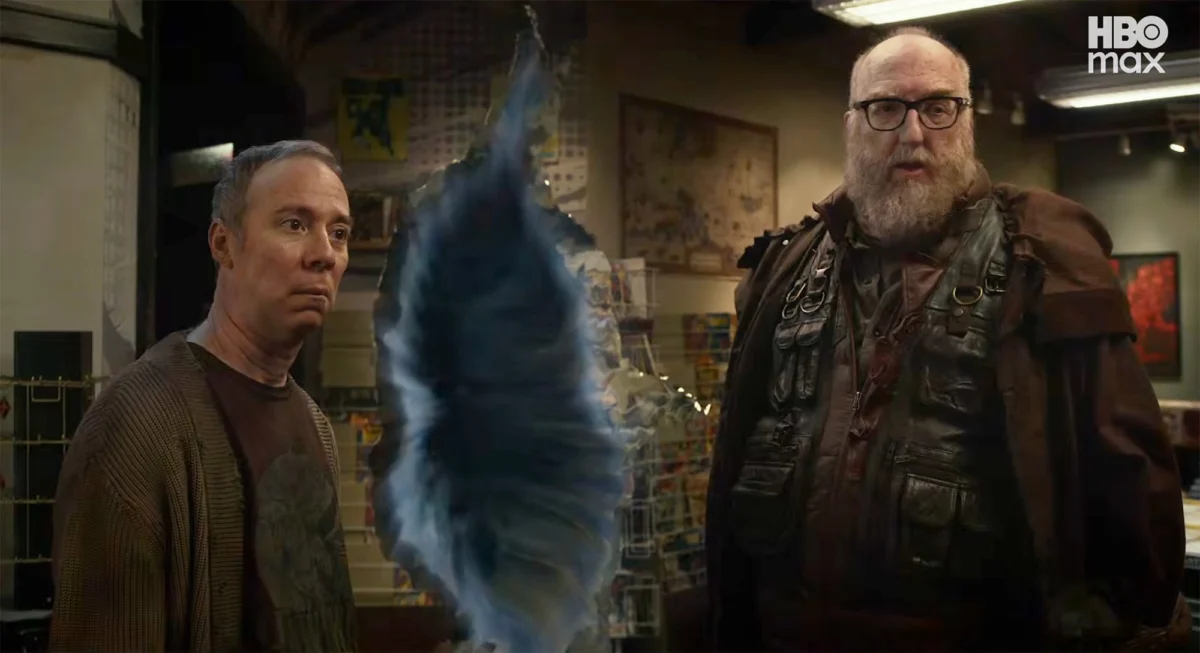
The teaser, which debuted on May 13, 2026, offers a glimpse into a dramatically altered landscape, far removed from the familiar Pasadena apartments and Caltech labs. It features Kevin Sussman reprising his role as Stuart Bloom, uttering the poignant line, "My childhood has led to me to this moment…" The premise reveals that Stuart inadvertently triggers a "multiverse Armageddon" after tampering with a device built by scientific geniuses Sheldon Cooper and Leonard Hofstadter. Tasked with the daunting mission of restoring reality, Stuart must embark on an epic quest, aided by an eclectic team comprising his girlfriend Denise, played by Lauren Lapkus; his geologist friend Bert, portrayed by Brian Posehn; and the perpetually annoying, yet brilliant, quantum physicist Barry Kripke, with John Ross Bowie returning to the role. Their journey promises encounters with alternate-universe versions of characters from The Big Bang Theory, adding layers of meta-humor and fan service to the high-stakes narrative.
The Enduring Legacy of The Big Bang Theory Franchise
The Big Bang Theory, which ran for 12 seasons from 2007 to 2019, became a cultural phenomenon, redefining the modern sitcom with its unique blend of intellectual humor, pop culture references, and heartfelt character development. Created by Chuck Lorre and Bill Prady, the series consistently drew massive viewership, peaking at over 20 million viewers during its later seasons and garnering numerous awards, including multiple Primetime Emmy Awards. Its success was not merely confined to ratings; the show cultivated a dedicated global fanbase, spawned a merchandising empire, and solidified its place in television history as one of the most successful comedies of all time. The final episode alone captivated an audience of 17.99 million viewers, underscoring its enduring appeal.
The franchise successfully extended its reach with Young Sheldon, a prequel series that premiered in 2017. Focusing on the childhood of the eccentric theoretical physicist Sheldon Cooper in East Texas, the show offered a different narrative tone, leaning more into family comedy-drama while maintaining strong ties to its predecessor. Young Sheldon quickly established its own identity, consistently performing as one of television’s most-watched comedies and demonstrating the robustness of The Big Bang Theory universe as a fertile ground for storytelling. The success of both series laid a formidable foundation for further expansions, paving the way for ambitious projects like Stuart Fails to Save the Universe. This new series, by directly spinning off a beloved secondary character and venturing into new genre territory, aims to keep the franchise fresh and relevant for a new generation of viewers on a premium streaming platform.
Stuart Bloom: From Supporting Character to Multiverse Savior
Stuart Bloom, originally introduced as the proprietor of The Comic Center of Pasadena, began his journey in The Big Bang Theory as a minor recurring character, often depicted as socially awkward, perpetually unlucky, and struggling financially. His dry wit and self-deprecating humor, however, quickly endeared him to audiences. Over the course of the series, Stuart’s role expanded significantly, evolving from a peripheral figure to an integral part of the main group’s extended social circle. His character arc saw him briefly live with Howard and Bernadette Wolowitz, become a successful comic book store owner (after numerous setbacks), and finally find love with Denise, a fellow comic enthusiast.

Kevin Sussman’s portrayal of Stuart was consistently praised for its understated comedic brilliance, allowing the character to steal scenes with his deadpan delivery and relatable struggles. The decision to elevate Stuart to the protagonist of his own series is a testament to the character’s development and Sussman’s performance. His underdog status, combined with an inherent relatability despite his eccentricities, makes him a compelling choice to anchor a series with such high stakes. The irony of a character often defined by his failures now being tasked with "saving the universe" provides a rich comedic vein, promising a narrative that balances cosmic threats with Stuart’s characteristic neuroses and misfortunes. This transition from a supporting role to a lead demonstrates the creative team’s confidence in Stuart’s capacity to carry a major franchise installment, offering a fresh perspective on the established universe.
The Multiverse Unveiled: Sci-Fi Meets Sitcom
The core premise of Stuart Fails to Save the Universe plunges the Big Bang Theory franchise headfirst into the increasingly popular and complex concept of the multiverse. While The Big Bang Theory always had a strong scientific foundation, often featuring theoretical physics and astrophysics as plot devices, the introduction of a multiversal Armageddon signifies a bold genre shift. The original series, while sci-fi adjacent, remained firmly rooted in the sitcom format, focusing on character relationships and everyday (albeit highly intellectual) situations. This spin-off, however, promises a full-blown sci-fi adventure, complete with "big VFX and big stakes," as described in the announcement.
The narrative hook—Stuart breaking a device created by Sheldon and Leonard and accidentally unleashing chaos across alternate realities—cleverly ties the new series directly to the original’s scientific lineage. The "dystopian, post-apocalyptic, alternate universe comedy" aesthetic showcased in the teaser suggests a visual departure, presenting a world that is both familiar and strikingly alien. This approach allows the creators to explore new comedic territory by juxtaposing Stuart’s grounded, often mundane concerns with the vast, chaotic canvas of a crumbling multiverse. The potential for encountering "alternate-universe versions of characters we’ve come to know and love from ‘The Big Bang Theory’" offers a treasure trove of comedic and narrative possibilities, from dark reflections to absurd parodies of the original cast, providing both nostalgic callbacks and fresh interpretations. This innovative fusion of high-concept science fiction with the character-driven humor of a sitcom is a calculated risk that could significantly broaden the franchise’s appeal.
Behind the Scenes: The Creative Powerhouse
The creative force behind Stuart Fails to Save the Universe is a formidable team with deep roots in comedic and genre storytelling. The series is created, written, and executive produced by television titan Chuck Lorre, acclaimed screenwriter Zak Penn, and The Big Bang Theory co-creator Bill Prady. This trio brings a potent combination of sitcom mastery, sci-fi expertise, and franchise familiarity.
Chuck Lorre, often dubbed the "King of Sitcoms," boasts an unparalleled track record of creating massively successful television comedies, including Two and a Half Men, Mom, Mike & Molly, and The Kominsky Method. His ability to craft compelling characters, sharp dialogue, and enduring comedic scenarios has made him one of Hollywood’s most influential producers. His involvement ensures the series will retain the comedic sensibilities that defined The Big Bang Theory, even as it ventures into new thematic territory.
Bill Prady, co-creator of The Big Bang Theory, is instrumental in maintaining the authentic voice and intricate character dynamics of the original universe. His understanding of the show’s intellectual humor and the relationships between its characters will be crucial in steering Stuart’s journey through the multiverse while keeping it grounded in the franchise’s established tone.

Zak Penn’s inclusion signals the series’ serious commitment to its sci-fi elements. Penn is a celebrated screenwriter known for his work on major genre films such as X2: X-Men United, The Incredible Hulk, and Ready Player One. His experience in building intricate fictional worlds and crafting compelling action-adventure narratives will be vital in bringing the "multiverse Armageddon" and its visual effects to life, ensuring the sci-fi aspects are as robust as the comedy.
Additionally, specific episodes are being directed by Kyle Newacheck, a comedy filmmaker known for his work on Game Over, Man!, Murder Mystery, and critically acclaimed television series like What We Do in the Shadows. Newacheck’s distinctive comedic style, characterized by its quirky humor and visual flair, is expected to infuse the series with a unique directorial voice, further differentiating it from previous Big Bang Theory installments. The collaboration of these creative powerhouses underscores the ambition and potential quality of Stuart Fails to Save the Universe.
The Ensemble Cast: Familiar Faces and New Dynamics
The series brings together a talented ensemble, blending returning fan favorites with accomplished comedic actors. Kevin Sussman leads the charge as Stuart Bloom, a role he has inhabited with nuanced comedic timing for years. His transition from supporting player to central figure is a key element of the series’ appeal, allowing for a deeper exploration of his character’s resilience and capacity for heroism, however reluctant.
Joining Stuart on his multiversal quest are familiar faces from the Big Bang Theory universe. Lauren Lapkus, known for her roles in Orange Is the New Black, Crashing, and her extensive improv and podcast work, reprises her role as Denise, Stuart’s girlfriend. Her character, a knowledgeable and enthusiastic comic book store employee, is expected to provide Stuart with much-needed support and a dose of grounded reality amidst the chaos. Brian Posehn, a veteran comedian and actor with credits including The Sarah Silverman Program and numerous voice roles, returns as Bert, the gentle and intelligent geologist. Bert’s scientific background, though not quantum physics, may prove surprisingly useful in understanding the fabric of a fractured reality.
Perhaps most anticipated is the return of John Ross Bowie as Barry Kripke, the quantum physicist from Caltech known for his distinctive rhotacism and abrasive personality. Kripke, described in the series synopsis as a "quantum physicist/all-around pain in the ass," is poised to be the comedic foil and reluctant expert, providing scientific insight while simultaneously exasperating Stuart and the audience. The dynamic between Stuart and Kripke, previously a source of great comedic tension in The Big Bang Theory, is expected to be amplified in this high-pressure, universe-saving scenario.
The supporting cast also includes Ryan Cartwright, Josh Brener, and Tommy Walker, whose roles are yet to be fully detailed but are expected to contribute to the series’ unique blend of humor and sci-fi adventure. This combination of beloved returning characters and established comedic talent promises a strong ensemble performance that can deliver both the emotional resonance and the broad humor required for such a genre-bending project.
Production Values and Streaming Strategy

Stuart Fails to Save the Universe is a production of Chuck Lorre Productions in association with Warner Bros. Television, underscoring its significant studio backing and its place within the Warner Bros. Discovery content ecosystem. The emphasis on "big VFX and big stakes" suggests a substantial production budget, a departure from the more contained sets and effects of the original sitcom. The visual stills released alongside the teaser, depicting Stuart in what appears to be a desolate, post-apocalyptic landscape, further reinforce the commitment to a visually distinct and ambitious aesthetic. This shift indicates an investment in crafting a cinematic feel for the series, leveraging the capabilities of a streaming platform like HBO Max.
The series is set for a streaming debut on HBO Max starting July 23, 2026, with episodes released weekly throughout the summer. This weekly release model, as opposed to a full season drop, is a strategic choice often employed by premium streamers for high-profile shows. It aims to build anticipation, encourage week-to-week discussion, and sustain subscriber engagement over an extended period. For a franchise as established as The Big Bang Theory, a weekly release can maximize its cultural footprint and allow for a slower burn of fan theories and reactions as the multiversal plot unfolds. In the highly competitive streaming landscape, leveraging established intellectual property like The Big Bang Theory is crucial for attracting and retaining subscribers. Stuart Fails to Save the Universe represents HBO Max’s continued investment in premium, genre-blending content, hoping to capitalize on the enduring loyalty of the franchise’s vast fanbase while also appealing to new viewers drawn by its unique sci-fi premise.
Anticipation and Implications for the Franchise’s Future
The announcement of Stuart Fails to Save the Universe has generated considerable buzz among fans and industry observers alike. It signifies not just another spin-off but a bold step for The Big Bang Theory franchise into uncharted narrative territory. The challenge for the creative team will be to successfully blend the beloved character dynamics and comedic sensibilities of the original series with the expansive, often complex, demands of a multiversal sci-fi plot. The success of this series could open doors for further genre experimentation within the Big Bang Theory universe, potentially paving the way for more spin-offs that explore other characters or alternate realities in innovative ways.
For HBO Max, the series represents a significant tentpole content offering, aiming to capitalize on the built-in audience of a hugely popular franchise. Its performance will be closely watched as a gauge of the franchise’s adaptability and enduring appeal beyond its original sitcom format. The transition of a character like Stuart Bloom from a supporting role on network television to a lead in a high-concept streaming series reflects broader industry trends, where beloved characters are being re-imagined for new platforms and audiences. As Stuart Bloom grapples with cosmic responsibility and attempts to mend a broken reality, the series holds the potential to not only entertain but also to redefine what a Big Bang Theory story can be, ensuring its legacy continues to evolve in exciting and unexpected directions. The question remains: Can Stuart, the lovable underdog, truly save the universe, or will he, as the title implies, spectacularly fail? Audiences will find out starting July 23, 2026.