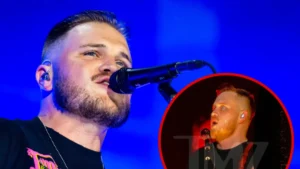
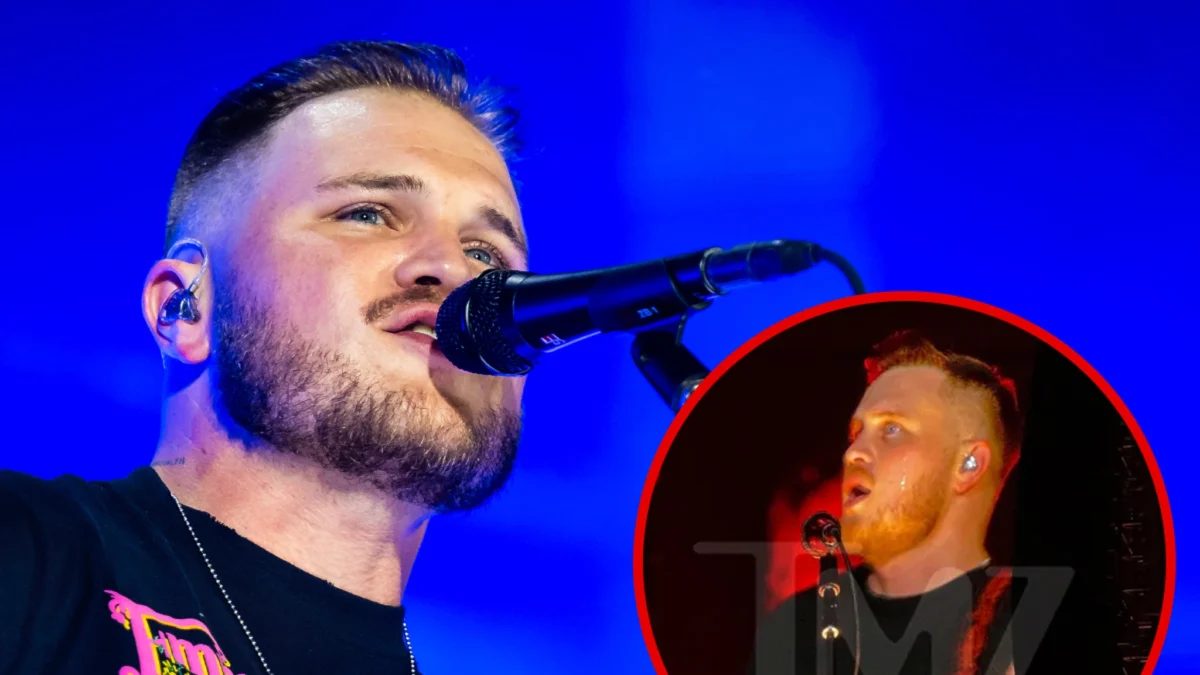
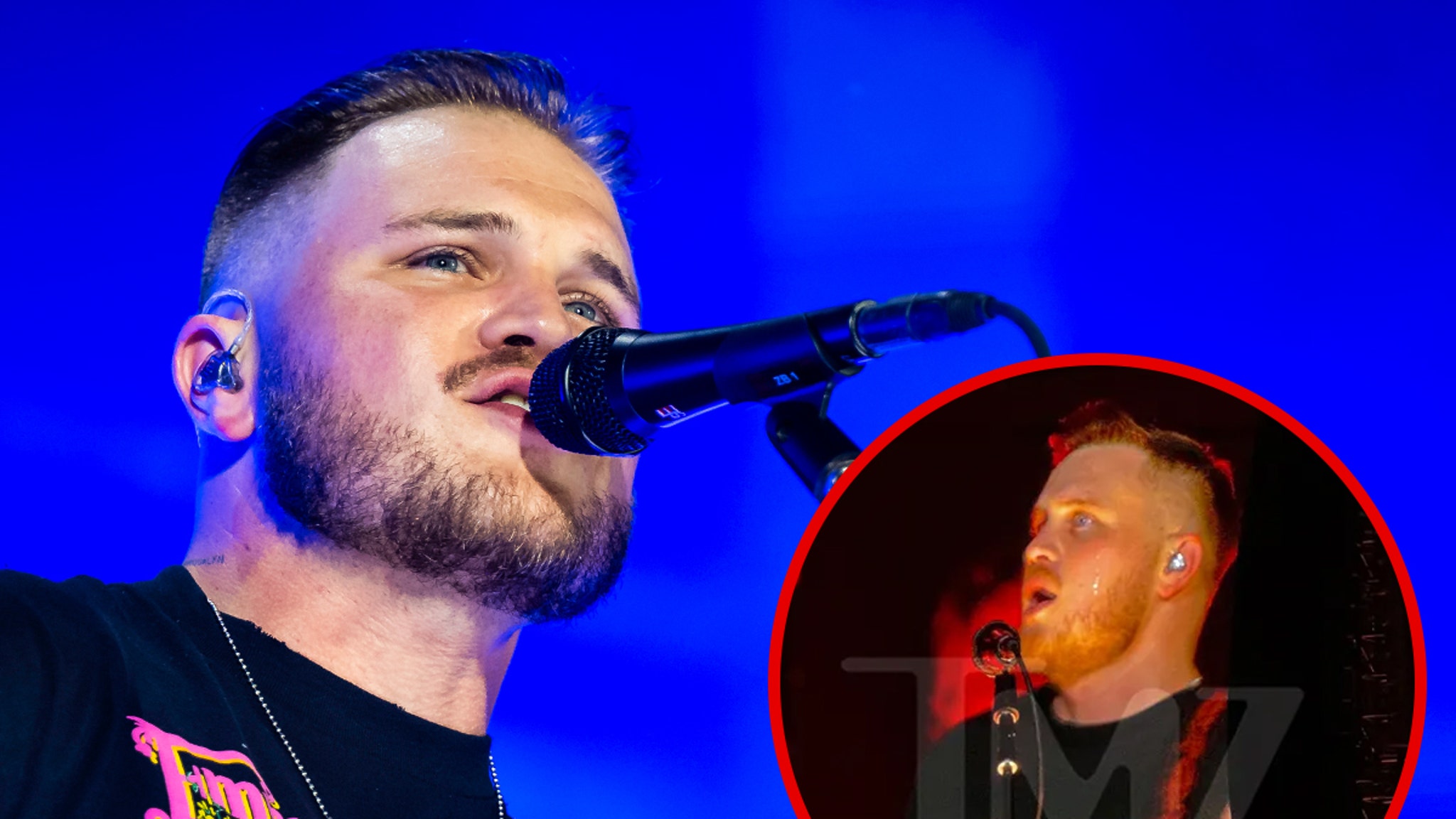
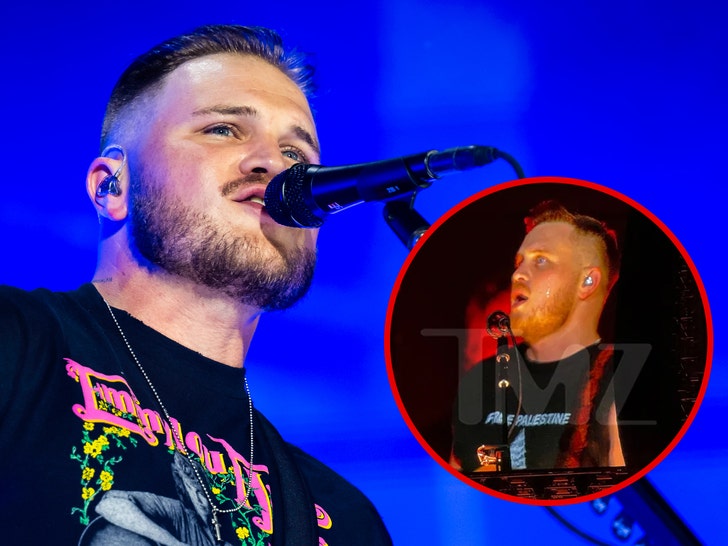
Country music star Zach Bryan has officially cemented his name in the record books at Gillette Stadium in Foxborough, Massachusetts, drawing a staggering crowd of 73,538 attendees to break the venue’s all-time attendance record. However, the historic achievement has quickly become a major talking point within the music and sports industries for reasons extending far beyond ticket sales. Throughout his two-night stint at the arena, Bryan and members of his backing band took to the stage wearing apparel bearing explicit "Free Palestine" messaging, creating an unexpected intersection of live entertainment, social activism, and high-profile venue politics.
The clothing worn by Bryan and his bandmates originated from Wear the Peace, a humanitarian organization known for directing proceeds from its apparel lines toward aid efforts in Gaza. The high-profile display carried added resonance given the venue’s ownership. Gillette Stadium is owned by billionaire businessman and philanthropist Robert Kraft, a prominent figure in professional sports and corporate leadership who has maintained a vocal public stance on Middle Eastern affairs and antisemitism. The juxtaposition of Bryan’s wardrobe choice inside Kraft’s flagship stadium immediately drew widespread media attention, sparking discussions across social media platforms and cultural news outlets.
Background and Context of the Controversy
The tension surrounding Bryan’s wardrobe choices at Gillette Stadium did not occur in a vacuum. Weeks prior to the concert series, the venue found itself at the center of a separate cultural controversy involving rapper Macklemore and pop star Ed Sheeran. Reports surfaced indicating that venue leadership, including Kraft, played a significant role in the events leading to Macklemore’s removal from an upcoming tour with Ed Sheeran following the rapper’s public comments regarding Palestine.
The fallout from that decision prompted intense debate regarding freedom of expression for touring artists performing at privately owned, high-capacity venues. Subsequently, Ed Sheeran’s scheduled concerts at Gillette Stadium were ultimately canceled due to severe weather conditions brought on by a powerful nor’easter. Against this backdrop of heightened sensitivity surrounding political speech at the Foxborough venue, Zach Bryan’s decision to wear pro-Palestine apparel during both nights of his sold-out run was interpreted by many observers as a deliberate and symbolic statement.
Social Media Reactions and Fan Engagement
As news of the record-breaking attendance spread, fans and cultural commentators quickly zeroed in on the visual documentation shared by the stadium’s official social media channels. Gillette Stadium posted celebratory photographs and video recaps commemorating the milestone of 73,538 fans packing the arena. However, sharp-eyed followers—including prominent public figures such as Alana Hadid, sister of models Bella and Gigi Hadid—were quick to point out that the official venue photographs appeared to carefully avoid close-up shots of Bryan’s attire, omitting clear views of the "Free Palestine" shirts worn by the singer.
The discrepancy between the live experience shared by tens of thousands of concertgoers and the curated imagery published online fueled ongoing debates regarding corporate curation versus artistic expression. Fans flooded comment sections with images and footage from the floor and upper decks, showcasing clear, unobstructed views of Bryan wearing the Wear the Peace apparel. This digital discourse amplified the story far beyond traditional country music circles, transforming a standard tour stop into a national focal point for conversations regarding how major entertainment venues manage political messaging from performing artists.
Timeline of Events at Gillette Stadium
The sequence of events leading up to Zach Bryan’s record-breaking weekend highlights a tense month for major concert events in Massachusetts:
- Mid-September: Reports emerge detailing the exclusion of rapper Macklemore from Ed Sheeran’s tour following public statements regarding Palestine, with venue stakeholders, including Robert Kraft, reportedly involved in the decision-making process.
- Late September: Scheduled performances by Ed Sheeran at Gillette Stadium are officially canceled due to safety concerns and logistical challenges stemming from a severe nor’easter storm impacting the New England region.
- Early October (Night One): Zach Bryan kicks off his two-night residency at Gillette Stadium, taking the stage alongside his bandmates while wearing pro-Palestine apparel sourced from Wear the Peace.
- Early October (Night Two): Bryan performs his second consecutive sold-out show at the Foxborough venue, once again wearing the "Free Palestine" shirt. During this performance, official attendance figures are tallied, confirming a record-breaking crowd of 73,538 fans.
- Post-Concert: Gillette Stadium publishes official attendance milestones and photo galleries on social media, drawing public scrutiny from fans and high-profile observers over the apparent omission of close-up shots featuring the artist’s shirt.
Analysis of Implications for Touring Artists and Venues
The intersection of major live music performances and geopolitical activism presents complex challenges for both venue executives and touring artists. Stadiums such as Gillette—owned by prominent figures with established public philanthropic and political profiles—must balance the commercial interests of hosting massive events with the personal ideologies and free speech rights of performers.
While artists maintain significant leverage when drawing crowds capable of shattering historical attendance records, venue management retains control over promotional media, official broadcasting, and property policies. Bryan’s ability to successfully execute a two-night sold-out run while visibly supporting a humanitarian cause demonstrates that major musicians increasingly utilize their platforms to engage with global political issues, regardless of potential friction with corporate leadership.
Furthermore, the incident underscores the growing power of fan communities and social media users in real-time media accountability. The swift identification and dissemination of the visual discrepancies between live attendee footage and official venue posts illustrate how modern audiences actively participate in shaping the narrative surrounding major cultural events.
As the music industry continues to navigate an era marked by heightened social consciousness among artists and consumers alike, the events at Gillette Stadium serve as a notable case study. They highlight the delicate balance between commercial entertainment infrastructure and the personal convictions of performers whose reach extends far beyond the stage.