


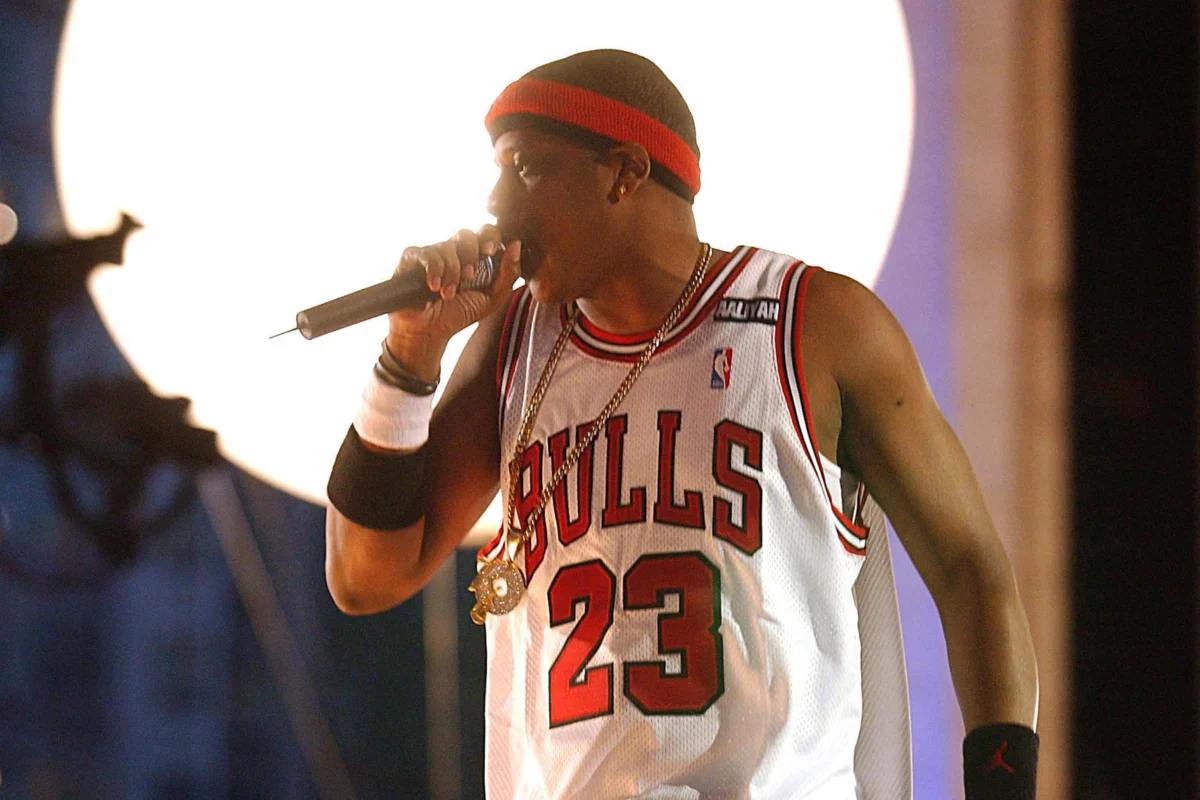
As the landmark hip-hop release The Blueprint marks its twenty-fifth anniversary, music critics, historians, and fans alike are looking back at one of the most culturally significant and commercially definitive albums in the history of rap music. Released on September 11, 2001, through Roc-A-Fella Records and Def Jam Recordings, Jay-Z’s sixth studio album arrived on a day that irrevocably altered the trajectory of modern American history. Despite debuting amid the unprecedented national trauma of the September 11 terrorist attacks, The Blueprint transcended its turbulent release date to become a masterclass in musical craftsmanship, shifting the sonic landscape of hip-hop and cementing Shawn "Jay-Z" Carter’s status as a titan of the genre.
Main Facts and Commercial Reception
Upon its arrival, The Blueprint immediately captured the public’s attention, debuting at number one on the US Billboard 200 chart. In its first week of release, the album moved an impressive 427,000 units, marking Jay-Z’s fourth consecutive chart-topping album. The project was driven by a sophisticated blend of soulful vocal samples, hard-hitting drum breaks, and introspective lyricism that contrasted sharply with the synthetic, club-heavy production dominating mainstream rap at the turn of the millennium.
The album featured iconic singles such as "Izzo (H.O.V.A.)," "Girls, Girls, Girls," and "Song Cry," all of which resonated deeply with both commercial radio listeners and hardcore hip-hop purists. Industry analysts noted that had the album been released in the streaming era of the mid-2020s, its uniform high quality would have likely propelled nearly every track into the Top 40 of the Billboard Hot 100—a rare feat historically mirrored only by monumental pop culture touchstones like Michael Jackson’s Thriller.
Chronology of a Cultural Milestone
The rollout for The Blueprint was characterized by both calculated industry maneuvers and unforeseen real-world events. The chronology of the album’s release highlights a tense era in New York City hip-hop:
- Spring 2001: Jay-Z performs at Hot 97’s annual Summer Jam concert, where he debuts a scathing verse targeting rival Queens rapper Nas, setting the stage for one of the most high-profile feuds in rap history.
- Monday, September 10, 2001: Eager fans and select independent record shops—such as Eclipse Records in Paterson, New Jersey—acquire early shipments of The Blueprint ahead of its official Tuesday release date, allowing early listeners to experience foundational tracks like "U Don’t Know" and the full studio version of "Takeover."
- Tuesday, September 11, 2001: The Blueprint officially hits nationwide shelves just hours after coordinated terrorist attacks strike the World Trade Center in New York City and the Pentagon in Washington, D.C., instantly halting normal public life and placing the album’s release into a surreal, somber context.
- Fall 2001: Despite nationwide retail disruptions and the closure of major distribution hubs in New York, word-of-mouth momentum and critical acclaim propel the album to the top of the charts, eventually earning multi-platinum certification from the Recording Industry Association of America (RIAA).
Supporting Data and Production Anatomy
A primary driver of The Blueprint’s enduring legacy is its revolutionary production team, which introduced a fresh aesthetic to mainstream hip-hop. At the time, the industry was heavily reliant on polished, futuristic beats produced by heavyweights like Timbaland and The Neptunes. In contrast, Jay-Z entrusted a significant portion of The Blueprint’s production to a then-lesser-known beatmaker named Kanye West, alongside industry veterans Just Blaze, Bink!, and Darrin "Digga" Dean.
Kanye West’s contributions—including the soulful, accelerated vocal loops on "Izzo (H.O.V.A.)," "Takeover," and "Heart of the City (Ain’t No Love)"—popularized the "chipmunk soul" sampling technique that would dominate hip-hop production throughout the mid-2000s. According to industry sales data, the album quickly surpassed double-platinum status, solidifying Roc-A-Fella Records as an independent powerhouse and laying the financial and creative foundation for Kanye West’s subsequent solo career.
Industry and Critical Responses
Upon its release, contemporary music critics lauded The Blueprint for its vulnerability, lyrical dexterity, and cohesive sonic direction. Reviewers noted that while Jay-Z had previously achieved massive commercial success with albums like Vol. 2… Hard Knock Life and Vol. 3… Life and Times of S. Carter, The Blueprint represented a mature artistic peak.
Peers and industry insiders recognized the project as a strategic masterstroke. By addressing personal insecurities, business betrayals, and high-stakes rap rivalries over timeless, warm instrumental loops, Jay-Z successfully shifted the cultural goalposts of what a commercial rap album could achieve. The feud with Nas, catalyzed by "Takeover" and answered by Nas’s blistering track "Ether," ultimately pushed both artists to creative heights, energizing the East Coast hip-hop scene and captivating fans globally.
Broader Impact and Legacy
Twenty-five years later, the cultural implications of The Blueprint extend far beyond its commercial accolades. The album serves as a vital historical artifact of a changing New York City and a shifting music industry. By wedding gritty street narratives with high-art soul samples, Jay-Z bridged the gap between underground authenticity and mainstream accessibility.
Furthermore, the album’s dual association with the events of September 11, 2001, cements its place in the American collective memory. For millions of listeners who came of age during that era, the tracks on The Blueprint provided a sonic soundtrack to process national grief, confusion, and resilience. As music historians continue to evaluate the defining works of the twentieth and twenty-first centuries, The Blueprint remains firmly entrenched as a foundational document of modern popular music—a timeless blueprint for artistic reinvention, commercial triumph, and cultural endurance.