

"Reclaiming Dragons," the directorial debut of Rotterdam-based screenwriter and director Yeung Xiang Yu, offers a compelling exploration of identity, displacement, and the allure of virtual escapism within the context of the Chinese diaspora in Europe. The film, which premiered at CinemAsia 2026, intricately weaves science fiction elements with deeply human concerns, establishing Yeung Xiang Yu as a significant voice to watch in contemporary cinema. Her distinctive approach, rooted in technically grounded science fiction that delves into profound emotional and cultural narratives, is powerfully showcased in this accomplished short.
A World Divided: Virtual Refuge and Mundane Reality
The narrative of "Reclaiming Dragons" opens with a striking visual dichotomy. We are first immersed in a hyper-artificial, overwhelmingly pink virtual environment. This digital landscape, replete with stylized trees and vibrant rainbows, is immediately identifiable as an AI-constructed sanctuary. The overwhelming artificiality serves as a stark contrast to the protagonist Ami’s reality. A sharp, almost jarring cut transports the audience to Ami’s mundane existence: a sterile Rotterdam office where her days are consumed by the monotonous task of processing shipping invoices. This initial juxtaposition sets the stage for the film’s central themes of disconnection and the search for meaning.
Further emphasizing Ami’s emotional and cultural estrangement is a phone call with her mother, conducted in Mandarin. This linguistic and cultural divide underscores a life that feels both stagnant and profoundly unfulfilling. The virtual world, in contrast, becomes Ami’s sanctuary, a space where she can transcend the limitations of her everyday existence. Here, she transforms into a fairy, navigating fantastical realms that artfully blend the ethereal with the scientifically plausible.
Encounters in the Digital Ether
During one of Ami’s virtual explorations, she stumbles upon a mysterious cave. Within this digital grotto resides a striking woman adorned in attire reminiscent of dominatrix fashion. This enigmatic figure not only recognizes Ami but reveals herself as an alter ego, a manifestation of a part of Ami’s psyche yet to be fully acknowledged or integrated. This encounter marks a pivotal moment, blurring the lines between the constructed self and the subconscious.
Simultaneously, scenes from Ami’s real life serve to amplify her internal turmoil. A memorial service for her grandfather and a tense family dinner highlight her deep-seated dissatisfaction and the growing chasm between her personal feelings and her mother’s ingrained expectations for a life of conventional stability. The film masterfully illustrates how familial pressures and cultural expectations can exacerbate feelings of alienation, particularly for individuals navigating dual identities.
The narrative takes a significant turn when, during a subsequent virtual encounter, the alter ego offers Ami a pill. This act symbolizes a deliberate step towards deeper immersion in the alternative reality, suggesting a conscious choice to further dissolve the boundaries between her lived experience and her digital escape. This moment raises critical questions about agency, self-discovery, and the potential consequences of embracing a constructed reality.
A Commentary on the Diaspora Experience
Through Ami’s journey, Yeung Xiang Yu crafts a pointed and poignant commentary on the multifaceted experiences of the Chinese diaspora in Europe. Ami’s life is depicted as one fraught with the subtle yet pervasive indignities of workplace exploitation and the insidious creep of racism. These external pressures, coupled with an overwhelming sense of isolation stemming from a lack of meaningful relationships and personal fulfillment, create a suffocating environment.
Her mother’s inability to comprehend Ami’s unhappiness—rooted in a traditional belief that stable employment equates to happiness—further intensifies Ami’s alienation. This intergenerational misunderstanding is a common thread in diaspora narratives, highlighting the challenges of bridging cultural divides and differing life philosophies. The film avoids a simplistic portrayal of the virtual world as a mere addiction. Instead, it presents it as a viable, and perhaps even necessary, form of escape, particularly when confronted with the bleakness of Ami’s lived reality.
This nuanced perspective imbues "Reclaiming Dragons" with significant contemporary relevance. The film’s exploration of digital escapism resonates with current societal trends and thematic preoccupations found in other works, such as the documentary "Replica" (2026) by Chouwa Liang, which also delves into issues of identity and authenticity in a technologically saturated world. The film’s ambiguous ending further amplifies its unsettling plausibility, suggesting that such choices are not far-fetched for the current generation grappling with similar pressures.
Visual Storytelling and Performance
Visually, "Reclaiming Dragons" is a masterclass in contrast and tonal evolution. The initial vibrance and playful aesthetic of the digital environment gradually darken and assume a more ominous quality with the introduction of the alter ego. This visual shift mirrors Ami’s descent into a more complex and potentially dangerous psychological space. The film’s technical prowess is evident in the seamless transitions between these distinct realities. Cinematographer Lawrence Lee Kalkman and editor Richelle van Loon deliver some of the film’s most accomplished sequences through their precise composition and rhythmic pacing, creating a fluid and immersive viewing experience.
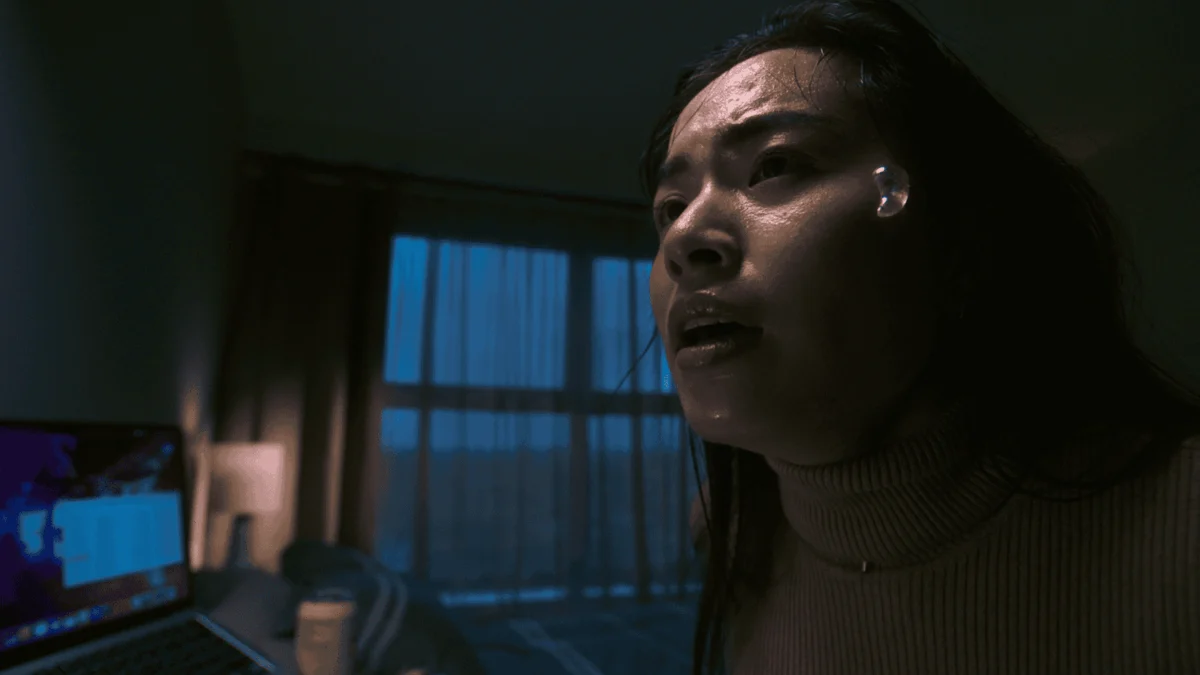
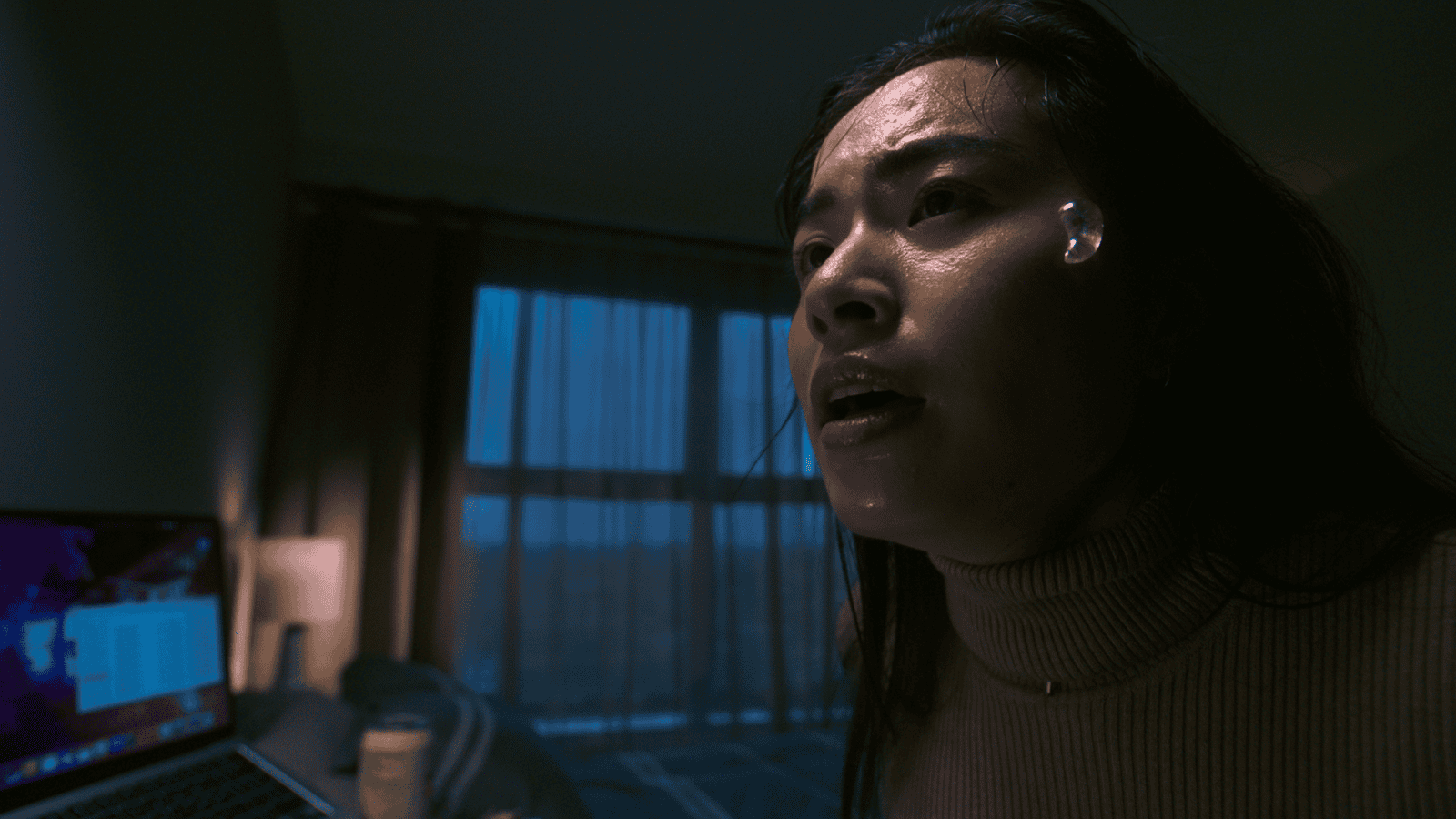
The film is anchored by a powerful dual performance from Jun Jun Liang. She navigates the distinct psychological landscapes of Ami and her alter ego with remarkable conviction. Her ability to embody these contrasting personas lends significant emotional depth to the narrative. The subtle shifts in her demeanor and the nuanced expressions she conveys are instrumental in capturing Ami’s internal struggles. Her final expression, in particular, lingers in the viewer’s mind, serving as one of the most memorable and impactful moments of the film.
Filmmaker to Watch
Ultimately, "Reclaiming Dragons" stands as a testament to Yeung Xiang Yu’s burgeoning talent. The short film is a highly accomplished work that showcases her strong visual sensibility and thematic clarity. By artfully merging elements of science fiction with profound personal and cultural commentary, she has delivered a narrative that is both timely and thought-provoking. This debut solidifies Yeung Xiang Yu’s position as a filmmaker whose work demands attention and promises significant contributions to the cinematic landscape. Her ability to explore complex societal issues through imaginative storytelling marks her as a director with immense potential. The film’s success at CinemAsia 2026 further underscores its impact and its resonance with audiences seeking intellectually stimulating and emotionally resonant cinema. The festival, known for showcasing diverse Asian cinematic voices and narratives, provided an ideal platform for "Reclaiming Dragons" to reach a wider audience and spark critical discussion.