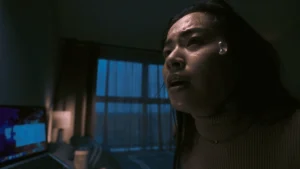
The landscape of streaming content distribution continues its dynamic evolution, with Universal Pictures and Netflix strengthening their strategic partnership. In a significant development for subscribers, two highly anticipated theatrical releases, The Black Phone 2 and Gabby’s Dollhouse: The Movie, are slated to migrate to Netflix in the United States next month, following their initial exclusive runs on Peacock. This move underscores the ongoing implementation of a critical Pay-1 window output deal between Universal and Netflix, a pact that dictates a unique, staggered streaming availability for Universal’s cinematic offerings.
The Evolving Dynamics of the Universal-Netflix Pay-1 Window Deal
Central to this announcement is the intricate Pay-1 window agreement established between Universal Pictures and Netflix. This deal, initially projected to commence in 2027, was strategically accelerated to early 2026, a decision many industry analysts believe was influenced by Netflix’s reported decline in original movie output during certain periods, necessitating robust content acquisition strategies. Under the terms of this agreement, Universal films embark on a specific streaming journey: after their theatrical exhibition, they first arrive on Peacock, NBCUniversal’s proprietary streaming service, for an exclusive four-month period. Following this initial window, the films then transfer to Netflix for a subsequent and exclusive 10-month streaming run. Finally, they return to Peacock for the concluding four months of their 18-month Pay-1 window, ensuring both platforms benefit from different phases of exclusivity. This unique 4-10-4 model represents a nuanced approach to content monetization and audience engagement in the fiercely competitive streaming arena, aiming to maximize reach and value for both the content creator and the distributors. It allows Universal to leverage its own platform while also capitalizing on Netflix’s immense global subscriber base.
This accelerated timeline for the deal’s activation highlights the increasing importance of third-party licensing for major streamers like Netflix. While Netflix has historically invested heavily in original content, strategic partnerships such as this one with Universal ensure a consistent flow of high-profile, theatrically released movies, complementing its in-house productions and bolstering its content library against competitors. For Universal, the agreement provides a guaranteed secondary distribution channel with a broad audience, optimizing the return on its theatrical investments beyond the initial box office and Peacock exclusivity.
“The Black Phone 2”: A Return to Terror for Horror Enthusiasts
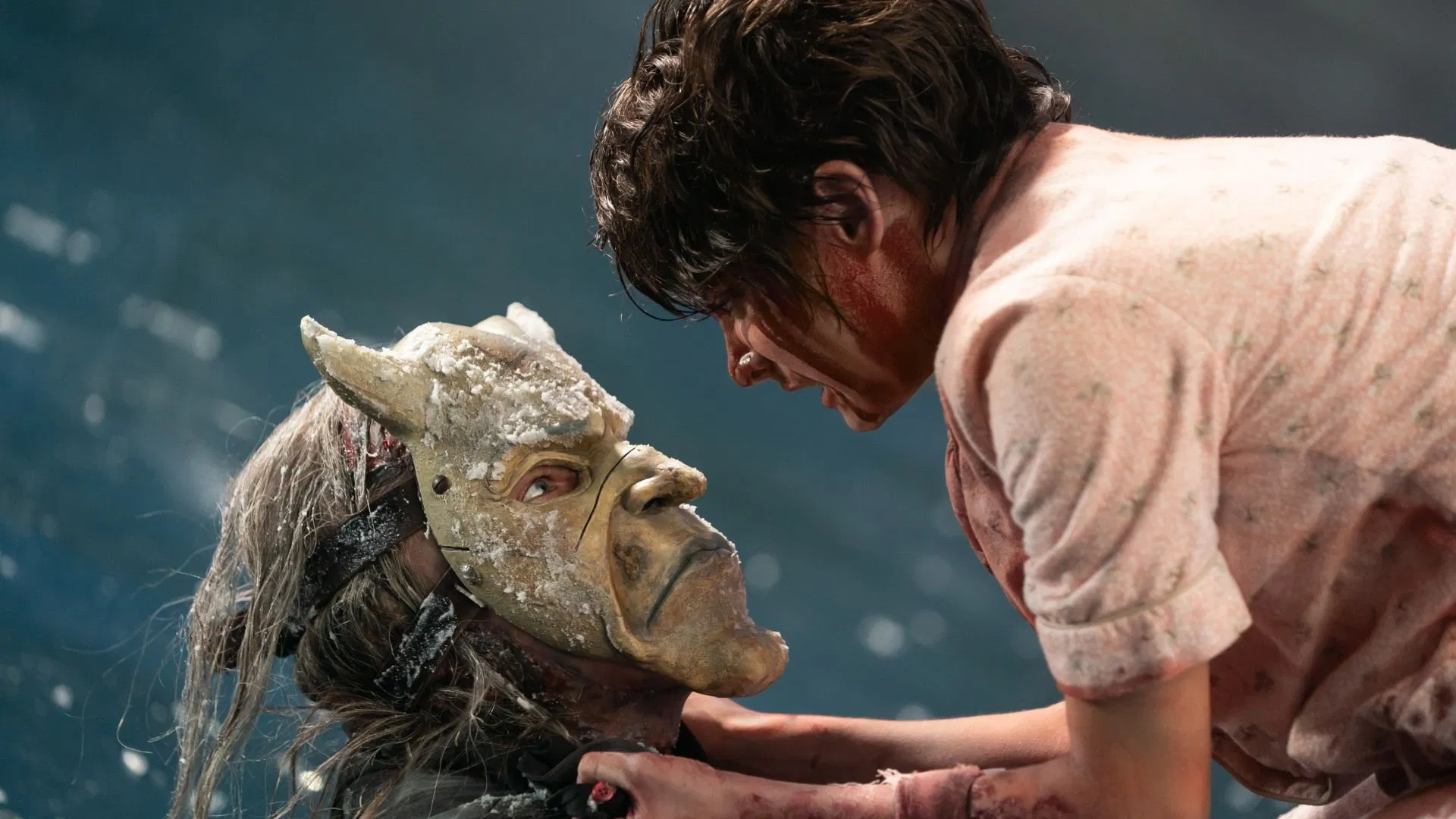
Scheduled to arrive on Netflix on May 16th, The Black Phone 2 represents a significant acquisition for the platform, particularly for its burgeoning horror genre catalog. The sequel builds upon the chilling success of the 2022 psychological horror hit, The Black Phone, which garnered widespread critical acclaim and impressive box office returns, grossing over $161 million worldwide against a modest $18 million budget. Directed by Scott Derrickson and based on a short story by Joe Hill, the original film captivated audiences with its unsettling premise of a kidnapped boy who can communicate with the spirits of past victims through a disconnected phone.
The sequel, a Blumhouse production, sees the return of key cast members, including Ethan Hawke as the terrifying Grabber, and young talents Mason Thames and Madeleine McGraw, whose performances were central to the original’s emotional core. While specific plot details for The Black Phone 2 remain shrouded in mystery, the continuation of the narrative is expected to further explore the supernatural elements and psychological torment introduced in its predecessor. Early critical reception, as indicated by various aggregators, suggests the film has largely met the high expectations set by its forebear, maintaining a suspenseful atmosphere and compelling character development.
For Netflix, the addition of The Black Phone 2 is strategically valuable. Horror remains a consistently popular genre on streaming platforms, often driving significant viewership and subscriber engagement. Blumhouse Productions, under the leadership of Jason Blum, has carved out a niche for producing high-quality, commercially successful horror films, making their titles highly sought after. By securing the exclusive 10-month streaming window, Netflix provides its subscribers with convenient access to a recent theatrical horror hit, catering to a dedicated fanbase and potentially attracting new viewers interested in the genre. This move reinforces Netflix’s commitment to offering a diverse content library that spans various demographics and interests.
“Gabby’s Dollhouse: The Movie”: Expanding a Beloved Children’s Franchise
A week later, on May 23rd, Netflix will welcome Gabby’s Dollhouse: The Movie, a feature-length expansion of one of its most successful children’s animated properties. The original Gabby’s Dollhouse series, a DreamWorks Animation production, has been an undeniable phenomenon on Netflix, consistently ranking among the platform’s most-watched kids’ content since its debut. Its blend of live-action and animation, combined with engaging storytelling and vibrant characters, has resonated deeply with preschool audiences globally. The series, currently in its 13th season and renewed through at least season 15, exemplifies the power of a successful franchise in the competitive children’s entertainment market.
The theatrical movie adaptation brings the beloved characters to the big screen, offering an expanded narrative and production scale. Laila Lockhart Kraner reprises her role as Gabby, and the film boasts an impressive voice cast including musical icon Gloria Estefan, along with comedy talents Kristen Wiig, Ego Nwodim, Kyle Mooney, and Melissa Villaseñor. This star-studded ensemble further elevates the production, promising an even richer experience for young viewers and their families.
The integration of Gabby’s Dollhouse: The Movie into Netflix’s library is a natural and highly strategic move. Given the series’ established popularity on the platform, the film is poised to dominate the Netflix Top 10 Kids chart for weeks, if not months, to come. For Netflix, acquiring the streaming rights to the movie version of an already successful original series strengthens its family-friendly content offerings, a crucial demographic for subscriber retention and acquisition. Such content not only entertains children but also provides significant value to parents seeking safe, engaging, and educational programming. This addition solidifies Netflix’s position as a premier destination for children’s entertainment and underscores the value of extending popular series into feature films.
Broader Industry Implications and the Future of Streaming
These impending additions highlight several significant trends shaping the broader entertainment industry. The Universal-Netflix Pay-1 window deal exemplifies a shift away from rigid, single-platform exclusivity towards more flexible, multi-platform strategies. In the post-pandemic era, studios are increasingly exploring hybrid distribution models that leverage both traditional theatrical releases and diverse streaming pathways to maximize revenue and audience reach. This "4-10-4" model, while complex, allows Universal to maintain a strong presence on its own Peacock platform while also tapping into Netflix’s massive subscriber base, a mutually beneficial arrangement that reflects the maturity of the streaming market.
For Netflix, the strategy of selectively licensing premium content from major studios like Universal marks a calculated evolution. While original content remains a cornerstone of its business model, the economic realities of producing a constant stream of high-budget originals, coupled with increased competition, have necessitated a more balanced approach. Licensing popular theatrical releases provides Netflix with proven, high-demand content without the full financial risk and production overhead of an original. This content helps to reduce churn, attract new subscribers, and maintain a perception of value for its subscription fee.
Conversely, for Peacock, the deal ensures an initial exclusive window for Universal’s theatrical films, positioning it as the first streaming home for these titles. This helps Peacock to drive initial subscriptions and engagement, even if the titles eventually move to Netflix. The subsequent return of these films to Peacock for the final four months of the Pay-1 window also provides a second opportunity to re-engage subscribers or attract new ones who might have missed the initial run. This tiered approach suggests a sophisticated understanding of viewer behavior and content lifecycle management.
The success of The Black Phone franchise underscores the enduring appeal of well-crafted genre cinema, particularly horror, which often performs robustly at the box office and finds a dedicated audience on streaming platforms. Similarly, the phenomenal success of Gabby’s Dollhouse demonstrates the immense power of children’s intellectual property and the critical role streaming services play in fostering and expanding these franchises. These types of content are not merely passive entertainment; they are cultural touchstones for their respective audiences.
Looking Ahead: The Continued Flow of Universal Content
The arrival of The Black Phone 2 and Gabby’s Dollhouse: The Movie is just a glimpse into the consistent flow of Universal Pictures content expected to reach Netflix US under this agreement. Industry observers and subscribers can anticipate a steady stream of theatrical releases, spanning various genres, making their way to the platform in the coming months and years. Titles from Universal, DreamWorks Animation, Focus Features, and Blumhouse Productions are all part of this expansive deal, promising a rich and diverse content pipeline for Netflix subscribers. This ongoing infusion of high-quality, theatrically proven films is expected to be a significant draw for Netflix, reinforcing its position as a leading global entertainment provider.
In conclusion, the impending arrival of The Black Phone 2 and Gabby’s Dollhouse: The Movie on Netflix signifies more than just two new additions to the platform’s library. It represents the maturation of strategic partnerships in the streaming era, showcasing how major studios and streaming giants are navigating complex distribution windows to maximize reach, revenue, and subscriber value. For horror aficionados and families alike, these titles promise compelling viewing experiences, marking another chapter in the evolving narrative of digital entertainment consumption.