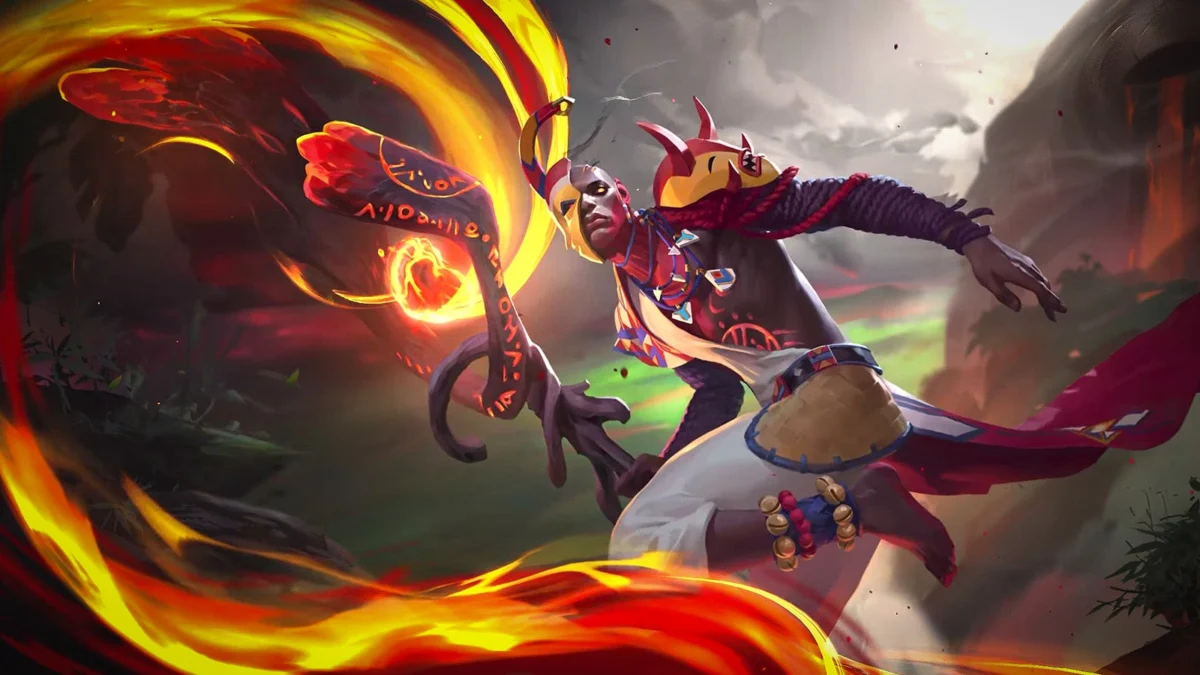
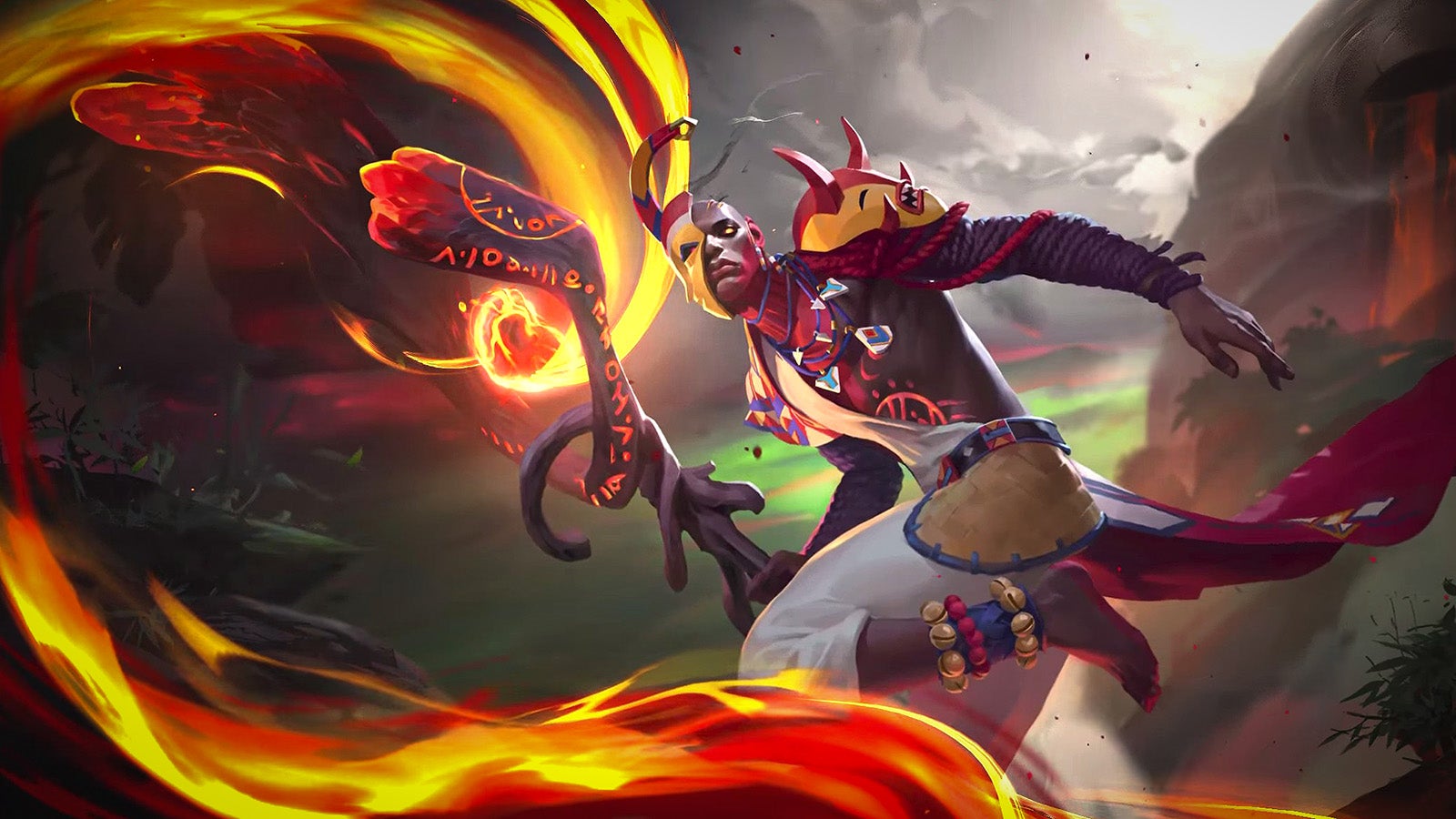
Quantic Dream, the Paris-based developer celebrated for pioneering the "interactive cinema" genre through titles such as Detroit: Become Human, Heavy Rain, and Beyond: Two Souls, has officially announced the impending termination of its latest project, Spellcasters Chronicles. The decision marks a significant strategic pivot for the studio, which had ventured into the highly competitive multiplayer online battle arena (MOBA) market with a unique flying-mechanic twist. Despite launching into Early Access in February of this year, the game failed to secure the player base necessary to sustain its long-term operations, leading the studio to initiate a phased shutdown of its servers and a broader internal reorganization.
The announcement, delivered via a formal statement from Quantic Dream, confirmed that the game’s servers would remain operational for a transitional period, ultimately closing on June 19, 2026. This extended window is intended to allow the existing community to experience the remaining content while the studio facilitates a comprehensive refund program for all players who invested financially in the title during its brief Early Access tenure.
The Performance Gap: Analysis of Player Metrics and Market Reception
The primary driver behind the cancellation of Spellcasters Chronicles appears to be a stark lack of player engagement. Data harvested from SteamDB, a prominent third-party platform that tracks Steam ecosystem metrics, paints a difficult picture for the title’s commercial viability. At its peak during the launch window in February 2024, the game achieved a daily concurrent player high of 888 individuals. While modest for a studio of Quantic Dream’s pedigree, this number suggested a niche interest that could potentially be nurtured.
However, the post-launch trajectory was characterized by a rapid and sustained decline. By mid-March, the daily concurrent player count had plummeted to fewer than 100 users, a figure that rarely saw recovery in subsequent weeks. In the ecosystem of live-service gaming, particularly within the MOBA genre, such low numbers create a "death spiral" effect: long matchmaking wait times discourage active players, leading to further attrition and making the environment inhospitable for newcomers.
Quantic Dream acknowledged this reality in their public address, stating that the game "had not reached the audience it needed to sustain it long-term." The studio further clarified that the difficult decision to sunset the project was made to "refocus our efforts on our other projects," signaling a return to the studio’s core competencies in high-fidelity narrative adventures.
Internal Reorganization and the Status of Star Wars Eclipse
The cancellation of a major project frequently carries implications for a studio’s workforce. Quantic Dream confirmed that the studio will undergo a period of "reorganization" following the shutdown. While the studio did not explicitly use the term "layoffs," industry analysts suggest that personnel specialized in multiplayer infrastructure, live-ops management, and MOBA-specific balance design may be at risk or subject to internal reallocation.
Crucially, Quantic Dream was quick to provide reassurances regarding its most high-profile ongoing project: Star Wars Eclipse. Announced at The Game Awards in 2021, Star Wars Eclipse is an action-adventure, multiple-character branching narrative game set during the High Republic era of the Star Wars galaxy. The studio emphasized that the development of Eclipse remains unaffected by the discontinuation of Spellcasters Chronicles.
The focus on Star Wars Eclipse is seen by many as a return to form for Quantic Dream. Since its acquisition by the Chinese technology and gaming giant NetEase in 2022, there has been significant speculation regarding the studio’s creative direction. Spellcasters Chronicles represented an experimental departure from their established brand, and its failure may reinforce the studio’s commitment to the cinematic storytelling that defined its reputation under founder David Cage.
A Chronology of Spellcasters Chronicles: From Concept to Sunset
The lifecycle of Spellcasters Chronicles was notably brief, reflecting the volatile nature of modern game development.
- Development and Announcement: Developed as a departure from the studio’s traditional single-player narratives, Spellcasters Chronicles was designed to blend MOBA strategy with vertical, flight-based combat. It was positioned as an entry into the "live service" arena, intended to provide steady revenue through microtransactions and seasonal updates.
- February 2024 – Early Access Launch: The game debuted on Steam in Early Access. Initial reviews praised the visual fidelity—a hallmark of Quantic Dream—but expressed concerns regarding the steep learning curve and the crowded nature of the MOBA market.
- March 2024 – Statistical Decline: Only weeks after launch, player retention hit critical lows. The inability to break the 1,000-concurrent-player barrier signaled that the game was struggling to compete with established giants like League of Legends or Dota 2, or even newer entrants in the hero-shooter/MOBA hybrid space.
- Late 2024 – The Shutdown Announcement: Recognizing the unsustainable nature of the project, Quantic Dream announced the cessation of development and the timeline for server closure.
- June 19, 2026 – Final Server Termination: The date set for the complete removal of the game’s online functionality.
The Refund Policy and Consumer Protections
In an effort to maintain goodwill within its community, Quantic Dream has committed to a generous refund policy. Any player who purchased the game or spent money on in-game currency and items during the Early Access period is eligible for a full refund upon request. This move is seen as a proactive measure to avoid the consumer backlash that has plagued other recent live-service failures.
By setting the server closure date nearly two years into the future, the studio is also providing a longer "sunset" period than is standard in the industry. This allows the studio to fulfill any outstanding contractual obligations while giving the small, dedicated player base time to migrate to other titles.
The Broader Context: The 2024 Live-Service "Cull"
The failure of Spellcasters Chronicles is not an isolated incident but rather part of a broader trend within the video game industry. The year 2024 has seen a significant "cull" of multiplayer titles that failed to achieve immediate scale.
Earlier this year, the free-to-play shooter Highguard was shuttered just six weeks after its launch, with the developers citing insufficient revenue to maintain staff. Perhaps most infamously, Sony’s Concord was pulled from digital storefronts and its servers deactivated a mere two weeks after launch following disastrous sales and player counts. Additionally, BioWare’s Anthem, which had been in a state of maintenance for years, finally saw its development completely abandoned as the studio shifted focus to the next Dragon Age and Mass Effect titles.

This trend highlights a growing saturation in the live-service market. As players’ time and disposable income are increasingly monopolized by a few "forever games" (such as Fortnite, Roblox, or Call of Duty), the barrier to entry for new multiplayer IPs has become prohibitively high.
The "Stop Killing Games" Movement and Legal Implications
The shutdown of Spellcasters Chronicles occurs amidst an intensifying global debate regarding the "end-of-life" phase of digital products. The "Stop Killing Games" movement, led by consumer advocate Ross Scott, has gained significant momentum in 2024. The initiative argues that when consumers "buy" a game, they should have the right to continue playing it even after the developer ceases official support, particularly through the provision of offline modes or private server tools.
The movement recently presented its case to the European Parliament, advocating for new consumer protection laws that would require developers to leave games in a functional state upon abandonment. While Quantic Dream’s decision to offer full refunds and a long sunset period mitigates some of these concerns, the total loss of access to the game after June 2026 remains a point of contention for digital preservationists.
Conclusion and Industry Outlook
The discontinuation of Spellcasters Chronicles serves as a cautionary tale for established studios attempting to pivot into the live-service market without a clear path to audience acquisition. For Quantic Dream, the "reorganization" represents a moment of consolidation. By shedding a non-performing asset, the studio can direct its high-level technical resources and narrative talent toward Star Wars Eclipse, a project with significantly higher brand recognition and commercial potential.
As the industry moves toward 2025, the focus for major developers appears to be shifting away from speculative multiplayer ventures and back toward high-quality, "event" gaming. For the fans of Quantic Dream’s signature storytelling, the end of Spellcasters Chronicles may paradoxically be viewed as a positive development, ensuring that the studio’s future remains rooted in the cinematic experiences that first brought it to international prominence.