


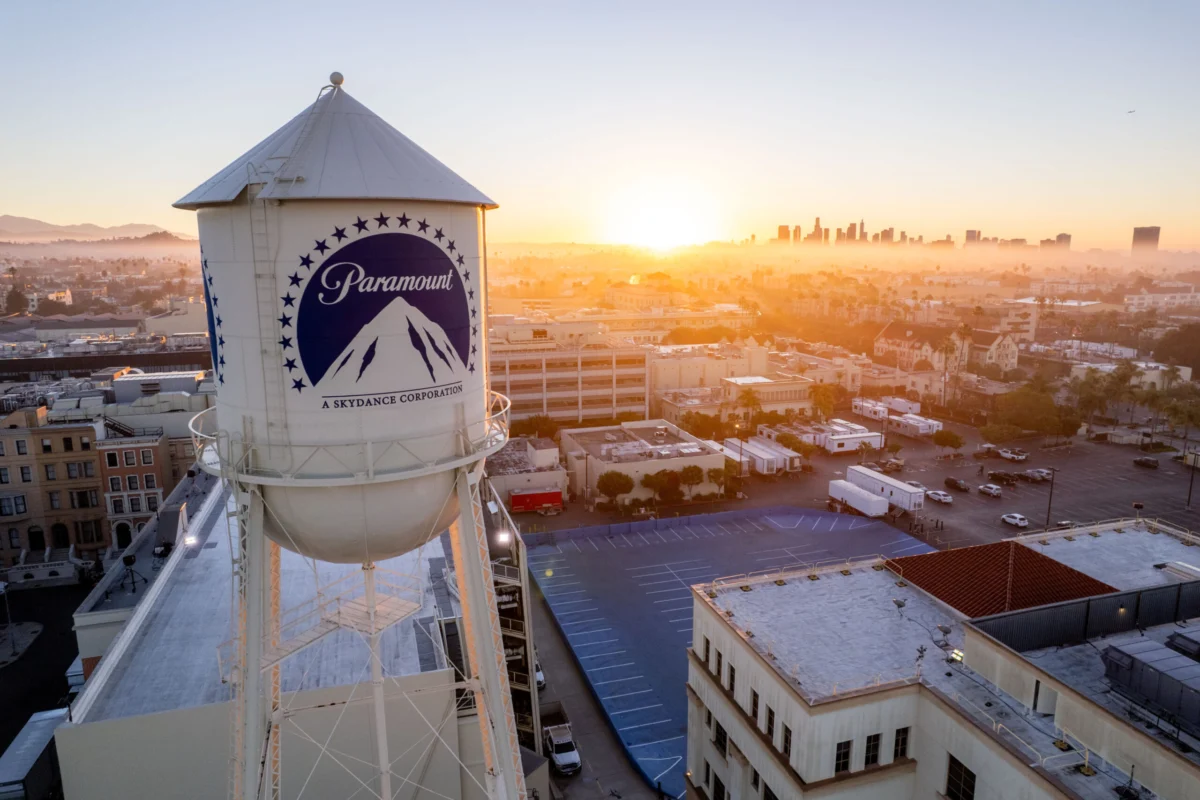
The media industry stands on the precipice of a seismic shift as the David Ellison-led Skydance prepares to finalize its monumental acquisition of Warner Bros. Discovery (WBD) this Tuesday. This $110 billion enterprise-value deal creates one of the largest and most powerful media conglomerates in history, bringing together two of Hollywood’s most storied cinematic legacies under the unified banner of Skydance. Trading under the ticker symbol "SKYD," the new entity will exert control over nearly one-third of all basic cable programming and a vast library of intellectual property, marking a definitive end to a year of intense regulatory scrutiny, courtroom battles, and corporate maneuvering.
The closing of the deal marks the culmination of a process that tested the resilience of both organizations. What began as a bold, unsolicited overture from David Ellison’s Skydance transformed into a complex struggle involving multiple stakeholders, skeptical shareholders, and a phalanx of state and federal regulators. As the new leadership team, headed by Ellison and co-CEO Ynon Kreiz, prepares to steer the combined behemoth, the industry is left to analyze the long-term viability of such a massive consolidation in an era defined by the decline of linear television and the fierce competition of the streaming wars.
A Chronology of Consolidation
The path to the merger was far from linear. Following initial rejections by the Warner Bros. Discovery board, Skydance initiated a sustained campaign that included both financial incentives and strategic promises to win over investors. The timeline of this historic union highlights the volatility of the modern media landscape:

- Early 2025: Skydance signals interest in a transformative acquisition, viewing WBD’s massive library and cable footprint as the perfect complement to its own production expertise.
- June 12, 2026: The Department of Justice provides a critical green light, approving the merger and effectively neutralizing the most significant federal hurdle to the $110 billion deal.
- July 13, 2026: A coalition of state attorneys general, spearheaded by California’s Rob Bonta, files an antitrust lawsuit. The litigation alleges that the merger would lead to anti-competitive pricing and a dilution of content quality, threatening the diversity of the media ecosystem.
- July 22, 2026: In a major victory for the deal, the European Commission grants regulatory approval, provided that Skydance agrees to specific divestitures—most notably its stake in United International Pictures—and strict limitations on its distribution agreements with Universal for the next decade.
- July 24, 2026: Faced with a temporary restraining order, Skydance agrees to delay the closing of the deal, creating a period of uncertainty that caused WBD’s stock to stagnate and prompted widespread anxiety across the M&A market.
- September 21, 2026: A settlement is reached with the state attorneys general. The agreement, finalized just days before a significant "ticking fee" would have increased the acquisition cost, includes ironclad commitments regarding the annual volume of theatrical releases and minimum production budgets.
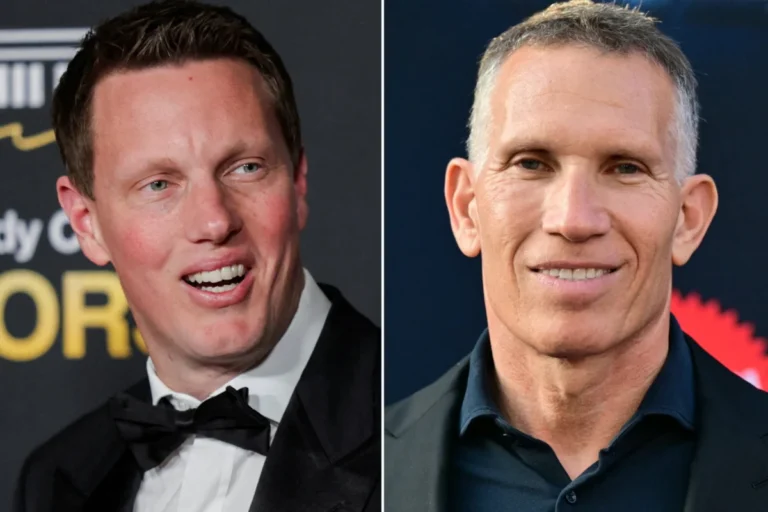
- October 2026: Leadership transitions are announced. Ynon Kreiz, the architect of Mattel’s cinematic pivot, is appointed co-CEO, while key executives like Bari Weiss and Mark Thompson are tapped to lead CBS and CNN, respectively.
The Strategic Logic of the Merger
The marriage of Paramount and Warner Bros. Discovery is driven by a desire for scale in an increasingly fragmented digital economy. By combining forces, the new Skydance secures a dominant position in the content production pipeline. With a library that spans the iconic Paramount catalog—including the Mission: Impossible and Top Gun franchises—and the vast WBD portfolio—including the DC Universe, Harry Potter, and HBO—the entity possesses an unparalleled competitive advantage.
Data suggests that the combined entity will control approximately 30% of basic cable carriage, providing significant leverage in negotiations with distributors. Furthermore, the merger seeks to optimize cost structures. Analysts estimate that the integration could yield several billion dollars in annual synergies, primarily through the elimination of redundant administrative roles and the consolidation of marketing and distribution infrastructure.
However, the acquisition also faces substantial headwinds. The decline of linear cable viewership continues to erode traditional revenue streams, and the combined company must now manage a massive debt load while simultaneously investing in the high-cost development of its streaming platforms. The decision to keep Paramount and Warner Bros. as distinct brands suggests that management is sensitive to the brand equity of these institutions, intending to use them as separate creative engines while centralizing back-end operations.
Leadership and Vision for the Future
The appointment of Ynon Kreiz as co-CEO alongside David Ellison is a signal that the company intends to prioritize intellectual property exploitation. Kreiz, who transformed Mattel into a powerhouse of branded entertainment, is widely expected to focus on maximizing the "transmedia" potential of the company’s vast archives.

"We are here to finish what we started," Ellison noted in recent public remarks, emphasizing that the focus is on creative agility. The leadership team, which includes a mix of veteran broadcast executives and fresh creative voices, has been tasked with revitalizing CBS and CNN, two assets that have struggled with the transition from legacy media to digital-first consumption models.
By installing figures such as Casey Bloys to oversee the combined streaming and TV businesses, Skydance aims to maintain the high-quality reputation of HBO while modernizing the delivery of its massive sports portfolio, led by the newly appointed head of global sports, David Berson.
Broader Implications for Media M&A
The successful, albeit turbulent, completion of this deal serves as a litmus test for future media consolidations. Critics of the merger, including the state attorneys general who initially sought to block it, remain concerned that the concentration of such vast media power into a single entity could stifle independent creators and limit consumer choice.
The settlement reached in September, which mandates specific theatrical output and budget floors, may serve as a blueprint for future antitrust negotiations in the media sector. Regulators are increasingly shifting their focus from simple market share percentages to the "quality" of content and the preservation of competitive diversity in the creative workforce.

For investors, the creation of "SKYD" represents a bet on the long-term value of premium content. While the immediate reaction to the deal has been a mix of caution and optimism, the company’s success will ultimately depend on its ability to navigate the "limbo" of the last year and translate its massive scale into tangible profit growth.
As the market prepares for the new ticker symbol to appear on the exchange, the legacy of this deal will be defined not by the intensity of its pursuit, but by the efficiency of its integration. The consolidation of Paramount and Warner Bros. Discovery is, in many ways, the final act of the traditional Hollywood studio era—and the first chapter of a new, highly consolidated digital future. Whether this gamble on scale will pay off in a landscape dominated by tech-giant streamers remains the most critical question facing the new Skydance management team as they step into their roles this week.