


The media landscape is set for a historic transformation as Paramount Skydance and Warner Bros. Discovery have reached a pivotal settlement with a coalition of state attorneys general, effectively clearing the path for their $110 billion merger. The agreement, finalized on Monday, resolves an antitrust lawsuit that had threatened to keep the transaction in legal limbo until mid-2027. By settling with the states—led by California Attorney General Rob Bonta—Paramount Skydance has removed the final significant barrier to consolidating two of Hollywood’s most storied film studios, an expansive portfolio of broadcast and cable networks, and two of the industry’s most prominent streaming platforms, Paramount+ and HBO Max.
The Anatomy of the Settlement
While the comprehensive details of the settlement remain shielded from the public eye, industry insiders and sources close to the negotiations have indicated that the agreement addresses two primary concerns voiced by regulators: editorial independence and production volume.
The deal reportedly mandates the establishment of independent editorial boards for CNN and CBS. This provision is designed to assuage fears that a consolidated media titan might exert undue influence over the news divisions of these major outlets, thereby preserving journalistic integrity in a highly polarized political climate. Perhaps more significant for the film industry, the settlement includes a stringent enforcement mechanism regarding production output. Paramount has committed to a target of 30 films annually, backed by a penalty clause that would trigger a $30 million fine for every film the studio fails to deliver against that quota.
This financial "stick" serves as a direct response to the skepticism expressed by cinema exhibitors and creative guilds, who have long argued that media consolidation inevitably leads to a contraction in the theatrical pipeline.
A Chronology of the Mega-Merger
The road to this settlement has been fraught with regulatory and legal challenges since the merger was first proposed in early 2026.
- February 2026: Paramount Skydance and Warner Bros. Discovery announce their intention to merge in a deal valued at $110 billion, positioning the combined entity as a formidable competitor to Netflix and other dominant tech-driven streaming services.
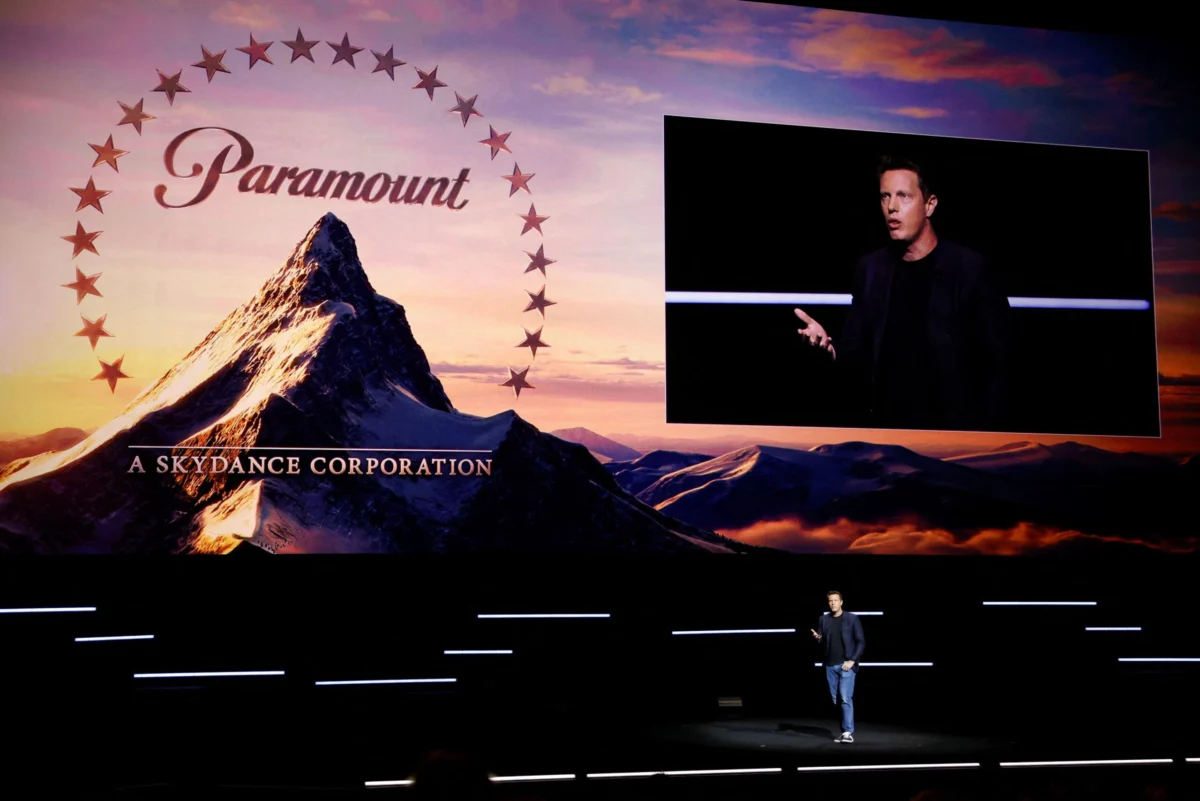
- April 2026: CEO David Ellison presents his vision for the company at CinemaCon in Las Vegas, touting a commitment to theatrical distribution and promising an annual output of 30 films.
- July 2026: A coalition of 12 states, led by California, files an antitrust lawsuit to block the deal, citing concerns over market concentration in the film and pay-TV sectors.
- July 2026: Paramount agrees to delay the merger until June 2027 to allow the legal process to unfold, a move that triggered expensive "ticking fees" payable to Warner Bros. Discovery shareholders.
- Late 2026: International regulators, including the European Commission, grant approval for the merger, leaving the U.S. state-level challenge as the final hurdle.
- August 2026: The Writers Guild of America and various Hollywood creative unions ramp up pressure, arguing that the merger will harm writers and reduce job opportunities in an already strained market.
- October 2026: The settlement with state attorneys general is finalized, signaling that the deal can proceed toward a closing date, now expected to be accelerated from the previously projected mid-2027 timeline.
Economic Implications and the "Ticking Fee"
The decision to settle was not merely a legal strategy but a financial necessity. Under the terms of the original merger agreement, Paramount was liable for a "ticking fee" that would have begun accruing after September 30, 2026. This fee stipulated an additional payment of 25 cents per share, per quarter, to Warner Bros. Discovery shareholders.
Financial analysts estimated that this fee would have added approximately $650 million in cash value to the deal per quarter. By settling the litigation early, Paramount effectively stops the clock on these mounting costs, protecting the balance sheet of the new entity. The merger’s success hinges on the company’s ability to integrate these massive operations while servicing the debt load incurred during the acquisition process.
The Production Pipeline: Quality vs. Quantity
The debate over the 30-film annual pledge is at the heart of the industry’s anxiety. Historically, studio mergers have resulted in a reduction of theatrical content as the new, larger entities prioritize streaming volume and overhead reduction. A clear precedent exists in the 2019 Disney-Fox acquisition. In the decade preceding that merger, the two studios combined to release between 22 and 36 films annually. Following the integration, that number plummeted, with the combined output rarely exceeding 16 films in a single year.
Industry observers, particularly theater owners, have viewed Ellison’s promise with healthy skepticism. In the past 25 years, no single studio has managed to maintain a consistent output of 30 wide releases per year. Recognizing this doubt, Paramount had previously entered into three-year contracts with cinema chains, providing them with legal standing to sue for damages if the production target is not met. The $30 million penalty clause agreed upon in the settlement now codifies this promise, moving it from a marketing talking point to a contractual obligation.
The Impact on the Hollywood Ecosystem
The merger arrives at a time of profound transition for the entertainment industry. California, the traditional heart of American film and television production, has experienced a significant decline in industry employment since the pandemic. The shift toward streaming, coupled with the decline of traditional linear television, has caused a "production recession."
Major studios are increasingly greenlighting fewer projects, shifting production to tax-friendly jurisdictions, and cutting back on pilot orders. Unions such as the Writers Guild of America have voiced strong opposition to the Paramount-WBD merger, fearing that the consolidation will further reduce the number of buyers for creative content, thereby diminishing the bargaining power of writers, directors, and crew members.
By creating a massive entity that controls a significant portion of both the content creation (studios) and distribution (broadcast and streaming) channels, the merger represents the ultimate manifestation of vertical integration. Supporters argue this is the only way to remain competitive in an era where global tech conglomerates dominate the media space. Critics, however, argue that the consolidation will stifle competition, leading to higher prices for consumers and a less diverse array of content in the marketplace.
Looking Ahead: The Post-Merger Landscape
With the settlement in place, Paramount Skydance and Warner Bros. Discovery must now focus on the complex operational task of integration. The merger will combine two vast libraries of intellectual property, creating a content powerhouse capable of challenging the dominance of Netflix and Amazon.
The immediate next steps for the companies will involve regulatory filings to finalize the deal, likely aiming for a closing before the end of the year. Investors will be watching closely to see if the new entity can achieve the synergies promised in the original deal without cannibalizing its own assets.
While the legal storm has passed, the cultural and economic repercussions of this merger will likely be felt for years. The success of this transition will depend on whether David Ellison can deliver on his promises to exhibitors and creatives, or if this deal ultimately follows the path of past mega-mergers, characterized by consolidation, workforce reductions, and a thinner slate of theatrical offerings. For now, the industry awaits the finalization of the documents, marking the end of one of the most contentious corporate battles in Hollywood history.