



The intricate tapestry of queer relationships and friendships, often marked by overlapping histories and lingering affections, forms the compelling core of "Open Endings," a poignant dramedy that captivated audiences at the 2026 Queer East film festival. The film delves into a complex emotional ecosystem where past romances, present friendships, and the ghosts of what might have been constantly intertwine, presenting a nuanced exploration of love in its myriad contemporary forms.
Queer East Festival: A Platform for Diverse Voices
The Queer East Film Festival, now in its [Insert approximate year of festival based on article context, e.g., fifth] edition, has established itself as a vital platform for showcasing LGBTQ+ cinema from East and Southeast Asia. Founded in [Insert founding year if known, or generalize as "recent years"], the festival aims to amplify underrepresented narratives and foster a deeper understanding of queer experiences within the region. In 2026, the festival continued its commitment to diverse storytelling, with "Open Endings" standing out for its relatable portrayal of human connection and emotional complexity, particularly within the queer community in Manila. The festival’s programming typically features a curated selection of feature films, documentaries, and short films, often accompanied by panel discussions and Q&A sessions with filmmakers and industry professionals, providing a rich cultural experience for attendees.
Navigating Complexity in Manila’s Queer Landscape
"Open Endings" is set against the backdrop of Manila, a bustling metropolis where life, and particularly queer life, can present unique challenges and intricacies. While overt anti-gay harassment and prejudice are acknowledged realities, the film thoughtfully chooses to focus on the internal dynamics of its characters rather than defining their experiences solely through the lens of their sexual orientation. A single, impactful scene touches upon societal prejudice, but the narrative’s strength lies in its refusal to let queer identity become the sole determinant of its characters’ lives. Instead, the film allows its protagonists to exist as multifaceted individuals grappling with the universal complexities of love, friendship, and personal growth. This approach offers a refreshing perspective, highlighting that for many queer individuals, the most profound challenges often stem from navigating intimate relationships and societal expectations within their immediate social circles.
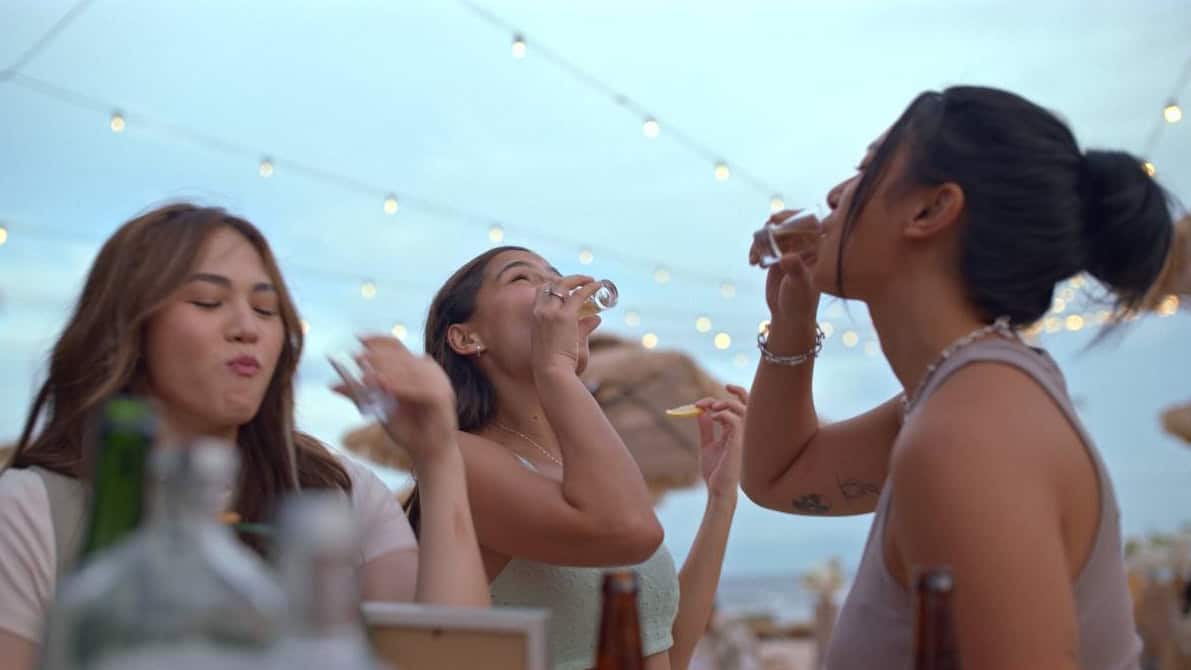
The film’s narrative is anchored by Charlie, who serves as an initial guide through a circle of four women whose romantic histories are deeply interwoven. At various points, these women have shared kisses, intimate moments, deep love, or have experienced the sting of being ghosted. Yet, their friendships remain a steadfast anchor, perhaps even strengthened by these shared past intimacies. This premise immediately raises questions about the viability and inherent messiness of such interconnected relationships, prompting viewers to consider the delicate balance between past romantic entanglements and enduring platonic bonds.
A Director’s Vision: Nuance and Contemporary Love
Director Nigel Santos, in collaboration with screenwriter Keavy Eunice Vicente, has been lauded for crafting characters and situations that feel remarkably authentic. "Open Endings" eschews artificiality, offering instead an insightful commentary on the evolving landscape of love and relationships in the contemporary era. The film navigates a spectrum of romantic encounters, from fleeting one-night stands and clandestine affairs to the more prevalent phenomenon of ghosting and the enduring possibility of rekindled sparks between old friends. Santos’s direction is characterized by a non-judgmental gaze, honestly portraying the characters’ struggles with their own inherent flaws, desires, and needs. The film acknowledges that human interactions can be fraught with selfishness and egocentrism, but it also suggests that even difficult relationships can evolve into more positive and supportive connections, fostering mutual respect and genuine camaraderie.
The film’s strength in character development and situational realism is undeniable. The way Santos and Vicente explore the spectrum of modern relationships, from casual encounters to deep emotional bonds, reflects a growing societal acceptance of diverse relationship structures. This nuanced portrayal resonates with contemporary audiences who are increasingly redefining traditional notions of love and commitment. The film’s ability to capture these evolving dynamics without resorting to stereotypes or didacticism is a significant achievement, positioning it as a relevant cultural artifact of our time.
Structural Challenges and Missed Opportunities
Despite its thematic strengths, "Open Endings" grapples with a significant structural challenge: the underdevelopment of its multiple subplots. For instance, a poignant storyline involving Hannah (Jasmine Curtis-Smith) mourning a loved one, with her friends offering support, is introduced but quickly superseded by new narrative threads. These subsequent issues also tend to be transient, fading from focus as the narrative progresses. Hannah’s character resurfaces later in the film with a distinct and unrelated development that commands attention in the final act. This episodic nature, while allowing for a broad exploration of various character arcs, leaves a lingering sense that these subplots could have benefited from more in-depth examination. The film’s structure sometimes feels as if it were designed for a different medium, one that allows for more expansive storytelling.
The Sitcom Echo and the Unfolding Sense of Place
The film’s predominantly indoor settings – living rooms, kitchens, and bedrooms – contribute to an episodic feel, drawing comparisons to a single-camera sitcom. Had "Open Endings" been conceived as a television series, there would have been ample time to flesh out its numerous characters and narrative arcs. Such a format might have allowed for a more earned emotional payoff, for example, in Mihan’s (Leanne Mamonong) self-revelation towards the film’s conclusion, which currently feels somewhat abrupt given the preceding narrative.
However, as the film progresses, the visual landscape gradually expands, introducing elements of the outside world and cultivating a stronger sense of place. This development is subtly guided by dialogue, with one character remarking on the often-insular nature of the queer women’s community in Metro Manila, particularly within Quezon City. This observation provides crucial context, suggesting a community that, while potentially small and interconnected, fosters a relatively freer and more open lifestyle compared to the broader societal landscape where same-sex marriage remains legally unrecognized. The characters’ cosmopolitan demeanor, their fluid use of Filipino and English, and their relatable lifestyles resonate with an international audience, demonstrating the universality of their experiences despite the specific cultural setting.
Societal Nuances and Broader Implications
"Open Endings" also subtly touches upon wider societal issues, most notably through the storyline of a married woman who embarks on an affair with Kit (Klea Pineda), one of the film’s central figures and, incidentally, the son’s teacher. While this is a secondary plot, it effectively highlights the challenges faced by individuals in a society where divorce is not yet a legal option. The stark contrast between this woman’s constrained circumstances and the more liberated lives of Kit and her friends underscores the diverse realities within Filipino society and the varying degrees of personal freedom experienced by its citizens.
The film’s exploration of these intersecting lives and societal pressures offers a valuable lens through which to understand the lived experiences of queer individuals in the Philippines. While the country has a vibrant LGBTQ+ community, it also navigates a complex social and legal landscape. The film’s success lies in its ability to portray this reality with authenticity and empathy, showcasing the resilience and spirit of its characters.
Openness as Strength: Embracing Ambiguity
Ultimately, the paramount strength of "Open Endings" resides in its profound openness – an embrace of ambiguity, contradiction, and emotional imperfection. While the film may occasionally meander, its compassionate perspective and unwavering refusal to oversimplify the intricate dynamics of human relationships render it a deeply affecting exploration of love and friendship in all their inherently unstable, yet profoundly meaningful, forms. The film’s success at the Queer East Film Festival underscores the growing demand for authentic and diverse queer narratives that resonate beyond geographical and cultural boundaries, highlighting the universal human desire for connection, understanding, and acceptance. The film’s ability to provoke thought and dialogue about the complexities of modern relationships solidifies its place as a significant contribution to contemporary queer cinema.