



On May 2, 2026, during an exclusive conversation on "The TMZ Podcast," entertainment mogul Nick Cannon revealed a pronounced disparity in his approach to his 15-year-old twins’ dating lives: his son, Moroccan Scott Cannon, is encouraged to pursue romantic interests, while his daughter, Monroe Cannon, faces stringent restrictions on dating. This candid admission by Cannon has ignited discussions about gender-specific parenting norms, parental protectionism, and the evolving landscape of celebrity family dynamics in the public eye. The revelation, made during an interview that also featured his "Wild ‘N Out" costar Rip Micheals, provided a rare glimpse into the personal parenting philosophies of one of Hollywood’s most prolific fathers.
The Candid Revelation on "The TMZ Podcast"
The discussion unfolded as Cannon, a multi-hyphenate star known for his roles as a film and television personality, host, and musician, delved into the intricacies of raising teenagers in the modern era. When the topic of his older children’s burgeoning interest in romance arose, Cannon did not shy away from admitting to what he explicitly termed "absolutely a double standard." He articulated that he has actively encouraged Moroccan to embark on dates, fostering a sense of autonomy and social development. Conversely, Monroe is not afforded the same liberty, a stance that Cannon attributed to a profound concern for her safety and well-being in the dating landscape.
This direct acknowledgment of a double standard immediately set the stage for a deeper exploration of the motivations behind such a parental decision. Cannon’s explanation centered on the perceived dangers inherent for young women in dating, expressing anxiety over the potential for his daughter to encounter individuals who might cause her harm. The sentiment, while rooted in a protective instinct common among parents, particularly fathers of daughters, brings to the forefront longstanding societal debates about gender roles, autonomy, and the differential treatment often experienced by sons and daughters.
Parental Protectionism and Gendered Concerns

Cannon’s reasoning echoes a sentiment frequently observed in parental guidance, where the perceived vulnerabilities of daughters in romantic relationships are often weighed more heavily than those of sons. His specific concern about "some dude putting hands on his little girl" underscores a fear of physical and emotional harm that many parents of daughters share. This fear is not without statistical backing; data from various studies on youth violence and dating abuse often indicate that young women are disproportionately affected by certain forms of intimate partner violence. For instance, surveys by organizations such as the Centers for Disease Control and Prevention (CDC) have shown that adolescent girls and young women experience higher rates of dating violence, including physical, sexual, and emotional abuse, compared to their male counterparts. This societal backdrop likely contributes to the heightened protective instincts Cannon described.
Conversely, Cannon’s less stringent approach to Moroccan’s dating life implicitly suggests a different set of parental anxieties, or perhaps a perceived absence of the same level of risk. While adolescent boys are not immune to dating violence or emotional distress in relationships, the nature of parental concerns often shifts. For sons, parents might focus more on responsible behavior, respect for partners, and navigating peer pressure, rather than the immediate threat of physical harm from a date.
The Economic Dimension: Mariah Carey and Moroccan’s Financial Standing
An intriguing facet of Cannon’s explanation for his differentiated approach concerned the financial aspect of dating, particularly for his son. When questioned about the potential for "gold diggers" targeting Moroccan, Cannon responded with a pragmatic and confident assertion: "Cannon says his son’s mom is Mariah Carey — therefore, the kid’s got enough money to foot the bill!" This statement highlights the unique realities of parenting children born into immense wealth and celebrity. Mariah Carey, Moroccan’s mother, is one of the best-selling music artists of all time, with an estimated net worth running into hundreds of millions of dollars. This financial security, inherited by Moroccan, seemingly alleviates one potential concern for Cannon, allowing him to focus on other aspects of his son’s dating experiences.
This economic consideration, while specific to a celebrity context, introduces a layer of complexity not typically present in general parenting discussions. It suggests that while all parents worry about their children’s relationships, the specific nature of those worries can be influenced by socio-economic factors. For Moroccan, the concern over financial exploitation appears to be largely mitigated by his substantial family wealth, shifting the focus away from material motives in potential partners.
The Co-Parenting Dynamic with Mariah Carey

While the interview focused on Nick Cannon’s individual parenting philosophy, the mention of Mariah Carey as Moroccan and Monroe’s mother implicitly brings the co-parenting dynamic into focus. Nick Cannon and Mariah Carey, who were married from 2008 to 2016, have maintained a publicly amicable co-parenting relationship, often seen celebrating holidays and family milestones together with their twins. While the podcast did not detail Carey’s specific stance on the dating rules for their children, it is reasonable to infer that such significant decisions would involve discussions between both parents.
Successful co-parenting often requires a united front or, at the very least, an understanding and respect for each other’s parenting styles, especially as children enter their teenage years. It would be interesting to know how Carey views Cannon’s "double standard" and whether she shares similar concerns or has a different approach. The stability and consistency in parenting approaches are often cited by child development experts as crucial for adolescents, particularly when navigating complex social and emotional milestones like dating. The public nature of their co-parenting makes their shared decisions, or differing views, a subject of continued public interest.
The Evolution of Teenage Dating and Parental Guidance
The landscape of teenage dating has significantly evolved since previous generations, further complicating parental guidance. The advent of social media, dating apps (even if ostensibly for older age groups, they influence younger interactions), and instant communication platforms means that "dating" can take on myriad forms beyond traditional in-person encounters. This digital dimension adds new layers of parental concern, from cyberbullying and online exploitation to the rapid spread of misinformation and pressure.
For Monroe, Cannon’s concerns about physical safety are compounded by the potential for digital harm. For Moroccan, while physical threats might be less emphasized, navigating digital relationships responsibly, understanding consent in a virtual space, and maintaining appropriate online boundaries become paramount. These modern challenges necessitate ongoing, open dialogue between parents and teenagers, a point Cannon himself seemed to acknowledge.
The Promise of Open Communication
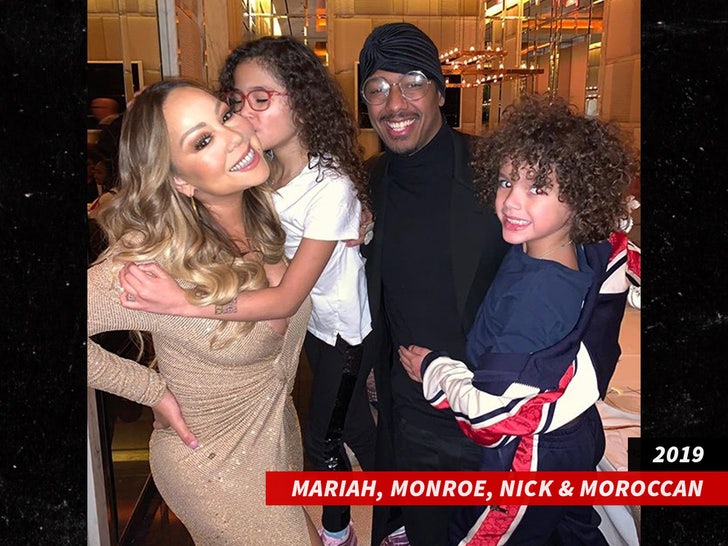
Despite his initially strong stance on the dating disparity, Cannon indicated a willingness to adapt his restrictions for Monroe. He stated that he is "open to loosening his restrictions for Monroe — if she can properly explain to him what will happen on these dates." This conditional openness highlights a crucial aspect of effective parenting: the emphasis on open and honest communication. Like many parents, Cannon expressed a desire for his daughter to articulate her understanding of dating, the nature of her interactions, and how she plans to navigate potential situations.
This approach aligns with psychological advice suggesting that strict, unbending rules can sometimes backfire, leading teenagers to conceal their activities rather than seeking guidance. Instead, fostering an environment where children feel comfortable discussing their experiences, concerns, and intentions can lead to more responsible decision-making and stronger parent-child bonds. For Monroe, this means demonstrating maturity and a clear understanding of the implications of dating, which could eventually earn her more autonomy. The specific age at which Monroe might gain this freedom was not explicitly revealed in the provided excerpts but was offered as a point of interest for listeners to delve into the full podcast.
Broader Societal Implications and Celebrity Influence
Nick Cannon’s candid discussion on parental double standards for dating contributes to a broader societal conversation about gender equality, autonomy, and the protective instincts of parents. While many parents, particularly fathers, grapple with similar concerns, a public figure articulating such a stance can amplify the debate. It challenges conventional notions of gender equality by highlighting how traditional gender roles can still influence parenting decisions, even in seemingly progressive contexts.
Celebrities, by virtue of their public platforms, often inadvertently become trendsetters or focal points for discussions on social issues. Cannon’s transparency might resonate with parents who harbor similar, unspoken biases, prompting introspection. Conversely, it might draw criticism from those who advocate for gender-neutral parenting approaches that empower both sons and daughters equally. The discourse around his comments will likely contribute to ongoing conversations in parenting forums, media outlets, and social circles about raising children in a world striving for greater gender equity while acknowledging inherent biological and societal differences.
Connecting Professional Engagements to Personal Revelations

The interview on "The TMZ Podcast" also served to promote Cannon’s professional endeavors, specifically the return of "Wild ‘N Out." The popular improv comedy show is scheduled for a special performance during the Netflix Is A Joke Festival in Los Angeles the following week. This integration of personal revelations with professional promotion is a common strategy in celebrity media, leveraging personal interest to generate buzz for upcoming projects.
Cannon’s ability to openly discuss his parenting challenges while simultaneously promoting his work underscores his comfort with public scrutiny and his adeptness at navigating the media landscape. The podcast, therefore, not only offered an intimate look into his family life but also highlighted the ongoing synergy between his public persona and his entertainment career.
In conclusion, Nick Cannon’s frank admission of a gender-based double standard in his 15-year-old twins’ dating lives has opened a multi-faceted discussion. It touches upon deep-seated parental fears, societal gender norms, the unique challenges of celebrity parenting, and the vital role of communication in raising adolescents. As Moroccan and Monroe navigate their teenage years, the evolution of these rules, and the continued dialogue between Cannon, Mariah Carey, and their children, will undoubtedly remain a topic of public interest, reflecting broader societal shifts in how we approach youth, dating, and gender.