


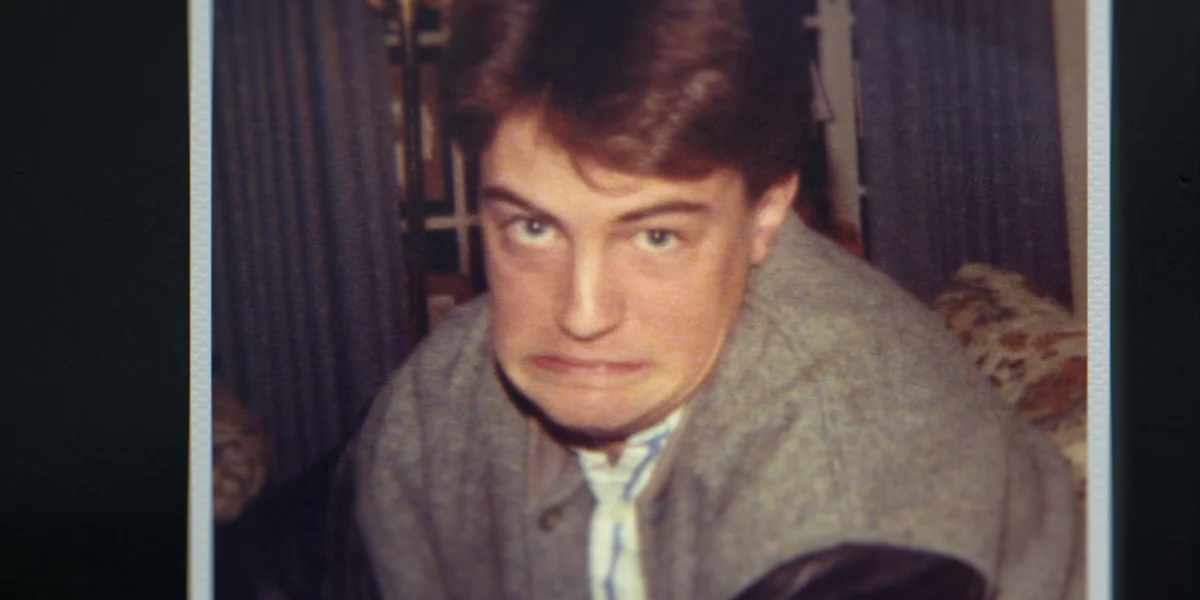
Produced by Maxine Productions—a division of Sony Pictures Television—the series draws upon a wealth of intimate, previously unheard testimonies from those who shared the closest proximity to Perry throughout his life. By moving away from the sensationalism that often accompanied reports of his struggles with substance abuse, the filmmakers have curated a narrative that emphasizes his humanity, his characteristic wit, and his enduring capacity for empathy.
A Chronology of a Public Life and Private Struggles
To understand the scope of the documentary, one must look at the timeline of Matthew Perry’s career and his well-documented personal challenges. Born in 1969, Perry rose to international stardom in 1994 with the premiere of Friends, a sitcom that would define an era of television. For ten seasons, he portrayed Chandler Bing, a character whose sarcasm and vulnerability made him a fan favorite. However, beneath the veneer of the hit show, Perry was navigating severe addiction issues that he would later candidly document in his 2022 memoir, Friends, Lovers, and the Big Terrible Thing.
The trajectory of his life was marked by cycles of professional triumph and personal hardship. Following the conclusion of Friends in 2004, Perry continued to work in both television and film, yet he remained a high-profile figure due to his transparent efforts to recover from addiction. His commitment to helping others struggling with similar issues became a cornerstone of his later life, even as he faced recurring health crises. The culmination of this journey occurred on October 28, 2023, when Perry was found unresponsive in his Los Angeles home. Medical examiners later concluded that his death was the result of the acute effects of ketamine, leading to a drowning incident in his hot tub.
The Vision Behind the Documentary
Mary Robertson’s approach to the subject matter is intentionally holistic. The series is executive produced by Robertson, alongside industry veterans Lisa Kalikow, Eli Holzman, and Aaron Saidman, with Lora Moftah serving as co-executive producer. The creative team has focused on stripping away the "icon" status to reveal the person who existed behind the cameras.
The documentary features prominent interviews with those who knew Perry intimately, most notably his sister, Mia Perry Bowick. Her participation is perhaps the most significant aspect of the project, as it marks a departure from the external observations of critics or media pundits. In a statement released ahead of the series’ October 27 premiere, Bowick expressed the difficulty and the necessity of this project: "It’s taken time for me to feel ready to share these memories and what it was like to love Matthew through all the complexity of his life—to see him as a whole person, not just as Chandler, and not just as someone who struggled with addiction."
Bowick’s contribution provides a longitudinal perspective on Perry’s personality, describing a man who was, above all, a constant presence in the lives of his family. She noted that his ability to offer humor and love, even during his lowest points, remains his most enduring legacy.
Data and Cultural Impact: The Friends Phenomenon
The relevance of a documentary about Matthew Perry is underscored by the unprecedented cultural footprint of the series that made him a household name. Friends remains one of the most-watched television shows in history. According to data provided by Warner Bros. Discovery and various streaming platforms, the show consistently generates billions of minutes of viewership annually, even decades after its finale.
For an entire generation, Perry was not just an actor but a cultural touchstone. The implications of this documentary extend to the broader conversation surrounding celebrity mental health. By documenting the "real" Matthew Perry, the series addresses the disconnect often felt by fans who believe they "know" a public figure through their screen persona. The documentary argues that the pressure of maintaining a comedic, lighthearted character while navigating personal pain is a universal struggle, albeit one amplified by the machinery of Hollywood fame.
Analysis: Shifting the Narrative on Addiction
A core focus of the series is the framing of Perry’s battle with substance abuse. For years, tabloid coverage often prioritized his relapses over his achievements. The Netflix series attempts a corrective, focusing on his resilience and his advocacy work. By centering the story on his family and closest confidants, the documentary invites the audience to view his addiction as a component of his life story rather than the totality of his identity.
Industry analysts suggest that this project fits into a growing trend of "re-evaluative" documentaries. In recent years, audiences have shown a marked preference for biographical content that provides nuance and empathy rather than exploitation. By focusing on his generosity and "larger than life" spirit, the documentary shifts the dialogue from how Perry died to how he lived, providing a sense of closure for the millions of viewers who felt a personal connection to the star.
Official Responses and Anticipation
Netflix has positioned this project as a "documentary event," signaling its importance within the platform’s library of original content. The trailer, released alongside the announcement, showcases archival footage of Perry interspersed with modern interviews, emphasizing the stark contrast between his youthful, energetic public persona and the mature, reflective accounts provided by his inner circle.
The industry response has been one of anticipation, as the project is viewed as the definitive account of a complex life. Peers and former colleagues have noted that the documentary will likely serve as the final word on his career, effectively separating the actor from the character of Chandler Bing for posterity.
Broader Implications for the Entertainment Industry
The release of this docuseries also raises important questions about the nature of celebrity and the duty of care within the television industry. Perry’s career spanned a transitional period in media—from traditional network dominance to the streaming era—and his experiences reflect the evolution of how fame is managed.
As the documentary prepares for its global release on October 27, it stands as a testament to the fact that the public’s relationship with beloved figures does not end at death. Instead, it enters a phase of preservation. Through the lens of Mary Robertson’s production, viewers are offered a chance to engage with a version of Matthew Perry that is more vulnerable, more flawed, and ultimately more human than the one captured in the laugh tracks of the 1990s.
By providing a "raw record of a life lived in full," the filmmakers have ensured that the legacy of Matthew Perry will be defined by his resilience and the honesty that he championed in his final years. As the industry continues to reflect on the loss of one of its brightest stars, this documentary will serve as both a memorial and a pedagogical tool, illustrating the complexities of human struggle in the public eye and the enduring importance of empathy in storytelling. Whether for the casual fan or those who grew up alongside the characters of Friends, the series promises a deeper, more appreciative understanding of a man who, despite his immense fame, remained deeply connected to the people who knew him best.