

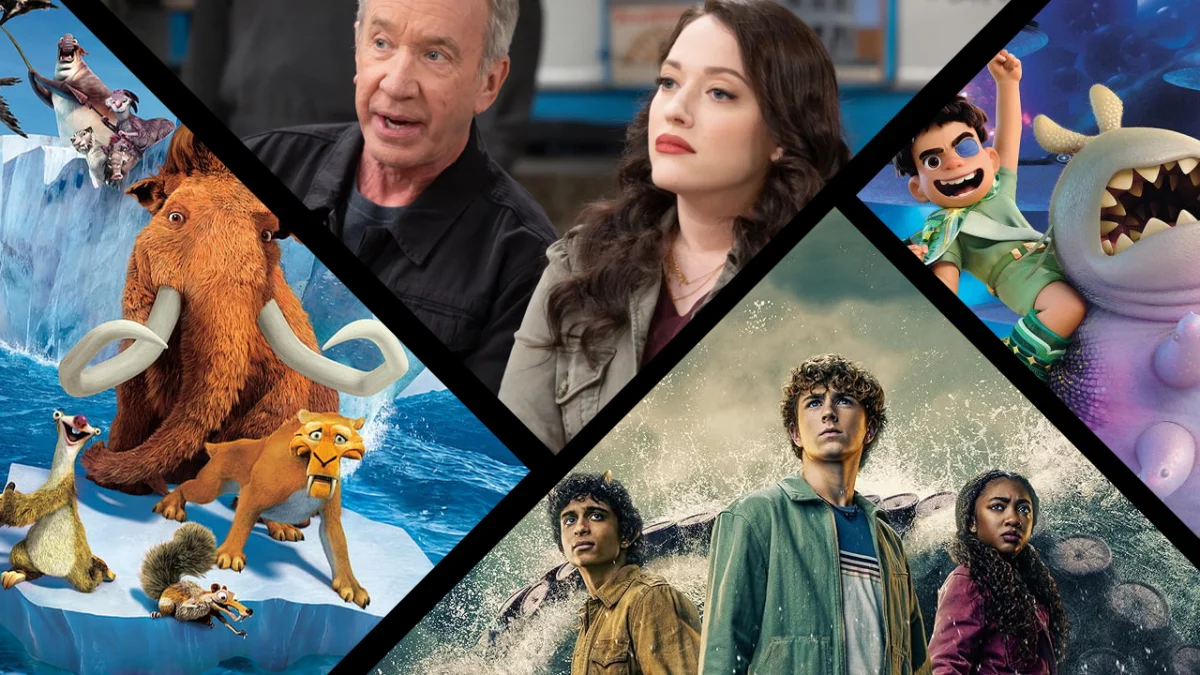
The landscape of the global streaming industry has undergone a significant transformation as The Walt Disney Company and Netflix have finalized an expansive, multi-year licensing agreement. This strategic pivot represents a departure from the isolationist content strategies that defined the "Streaming Wars" of the early 2020s. Under the terms of the deal, a diverse portfolio of Disney-owned intellectual property—encompassing prestige network dramas, animated feature films, and high-profile series—will become available on Netflix’s global platform over the next two years.
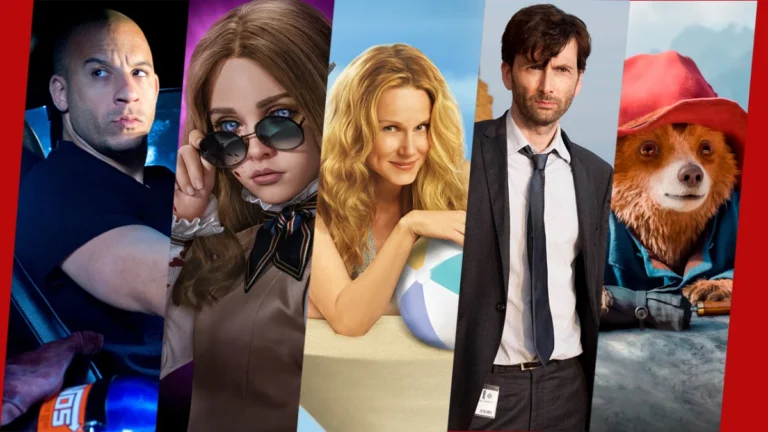
This move underscores a broader industry trend toward maximizing asset monetization. By utilizing Netflix’s massive international subscriber base, Disney aims to bolster viewership for its own proprietary franchises while generating significant licensing revenue. The agreement includes popular titles such as the Percy Jackson series, various Pixar feature films, and procedural hits like Will Trent.
A Historical Shift in Strategy
To understand the magnitude of this agreement, one must examine the turbulent history between the two entertainment giants. During the mid-2010s, Netflix and Disney maintained a lucrative partnership that granted the streaming service exclusive access to Disney’s theatrical releases. This era provided Netflix with a massive competitive advantage, helping to cement its position as the market leader.
However, as Disney prepared for the launch of its own direct-to-consumer platform, Disney+, the company aggressively pivoted. Between 2019 and 2022, Disney began clawing back its library. The removal of the Marvel "Defenders" series—including Daredevil and Jessica Jones—from Netflix in 2022 served as a symbolic end to their collaborative era. At that time, Disney CEO Bob Iger famously characterized the licensing of content to competitors as a strategic error, comparing the practice to "selling nuclear weapons technology to a Third World country."
The reversal of this policy in late 2026 suggests that the financial realities of the streaming market have shifted. With Wall Street shifting its focus from raw subscriber growth to long-term profitability and free cash flow, Disney’s decision to license content to a direct competitor signals a prioritization of efficiency over exclusivity.
Chronology of the New Licensing Agreement
The transition of these assets onto the Netflix platform is scheduled to occur in phases, beginning in October 2026.
- October 2026: The initial phase focuses on "promotional windows." Disney will deploy high-profile series and film properties to Netflix for three-month intervals. The goal is to generate audience awareness and hype ahead of new franchise installments or sequels debuting on Disney+ or in theaters.
- Early 2027: The second phase involves the integration of a broader, rotating library of animated feature films. This marks a departure from Disney’s previous strategy of keeping its core animation catalog strictly within the Disney+ ecosystem.
- Ongoing through 2028: The final phase will see the arrival of several legacy broadcast series, aiming to provide "comfort viewing" to Netflix’s global user base.
It is important to note that this arrangement is non-exclusive. Titles licensed to Netflix will remain available on Disney+ and Hulu, ensuring that Disney maintains its own platform’s value proposition while simultaneously extracting value from the Netflix ecosystem.
Market Data and Economic Implications
The decision to license content to competitors is a reaction to shifting macroeconomic conditions in the entertainment sector. According to recent industry reports, the cost of content production has risen by approximately 15% annually since 2021, while average revenue per user (ARPU) has seen more modest growth. By licensing older library content, Disney effectively converts stagnant assets into high-margin revenue streams.
Industry analysts suggest that this strategy serves two primary functions. First, it allows Disney to offset the heavy investment costs associated with its flagship Disney+ service. Second, it serves as a marketing engine. By introducing audiences to established series like Will Trent or Percy Jackson on a platform as pervasive as Netflix, Disney can convert casual viewers into dedicated fans, ultimately driving them toward Disney’s own platforms for future sequels or spin-offs.
For Netflix, the deal reinforces its dominance in the licensed content space. While the company has invested heavily in original programming—spending roughly $17 billion annually on content—it has found that a hybrid model of originals and high-quality licensed legacy content yields the highest engagement levels.
Official Perspectives and Industry Reactions
While neither company has released a comprehensive breakdown of the financial terms, industry insiders estimate the deal to be worth hundreds of millions of dollars. The strategy reflects a "co-opetition" model that has become increasingly common among major studios. Warner Bros. Discovery and Paramount Global have similarly engaged in licensing deals with Netflix to improve their bottom lines, indicating that the era of "walled garden" streaming may be reaching a pragmatic conclusion.
Disney’s leadership has not commented on the perceived contradiction between the current deal and Bob Iger’s 2019 remarks. However, the operational shift is clear: Disney is moving toward a model where intellectual property is treated as a modular asset that can be deployed across various channels to maximize visibility and revenue, rather than being restricted solely to the company’s proprietary digital storefront.
Impact on Global Subscribers
For the average consumer, this deal is largely beneficial. It eliminates the necessity of maintaining multiple subscriptions to access a comprehensive library of television and film. By consolidating popular network hits and animated classics, Netflix is effectively positioning itself as the "central hub" for home entertainment, while Disney maintains the role of the "premium content creator."
As these titles begin to roll out, observers will be watching closely to see how this affects Disney+ churn rates. If the presence of these titles on Netflix drives users away from Disney+, the company may reconsider the duration and scope of future licensing deals. Conversely, if the exposure on Netflix leads to an increase in viewership for subsequent seasons or sequels, it will likely validate the current strategy as the new industry standard.
Conclusion
The return of Disney content to the Netflix library marks a significant chapter in the evolution of digital media. What began as a fierce battle for exclusivity has matured into a complex, nuanced market where the largest players are increasingly reliant on one another to sustain growth. As the industry moves into 2027, the focus will remain on whether this collaborative approach can stabilize the streaming economy and provide a sustainable path forward for content creators and distributors alike. For the viewer, the result is a more accessible, albeit more interconnected, landscape of entertainment, where the lines between competing platforms are becoming increasingly blurred.