
The cinematic landscape has long grappled with the portrayal of sex work, frequently resorting to simplistic archetypes that fail to capture the multifaceted realities of those involved. Director Nicole Bazuin’s hybrid documentary, "Modern Whore," emerges as a powerful counter-narrative, meticulously crafted to dismantle harmful stereotypes and illuminate the lived experiences of writer, performer, and sex worker Andrea Werhun. This 80-minute feature, a significant evolution from its 2020 short film precursor, transforms Werhun’s deeply personal 2018 memoir, "Modern Whore: A Memoir," into a compelling exploration of identity, stigma, and self-reclamation. The film is not merely an adaptation; it is a testament to the transformative power of storytelling when placed in the hands of artists who understand and respect their subject matter.
A Deep Dive into "Modern Whore": Reimagining Sex Work on Screen
"Modern Whore" distinguishes itself by centering the authentic voice and perspective of Andrea Werhun, who also co-writes the screenplay. This collaboration is crucial, allowing the film to move beyond external observation and into the intimate spaces of Werhun’s journey. The documentary weaves together elements of personal testimony, dramatized reenactments, and insightful interviews with Werhun’s support network, creating a rich tapestry that challenges conventional depictions. These depictions often reduce sex workers to either tragic victims or predatory villains, failing to acknowledge the agency, resilience, and complex humanity that defines their lives. Bazuin and Werhun’s approach offers a refreshing departure, presenting a nuanced and empathetic portrait that advocates for understanding and compassion.
The film’s narrative unfolds chronologically, beginning with Werhun’s entry into sex work. Under the pseudonym Mary Ann, she navigates the world of escorting, a decision driven by a desire to pursue her aspirations as a writer and performer while facing the economic realities of minimum wage jobs and student life at the University of Toronto. The early chapters, such as "A Whore Is Born" and "Learning Curves," offer glimpses into the practicalities of the profession, including a surprisingly pragmatic decision-making process based on the aesthetic appeal of agency websites. This seemingly trivial detail underscores a key theme: the often-overlooked human elements and personal choices that shape individuals’ paths.
Navigating the Industry: Early Encounters and Safety Concerns
Werhun’s early experiences as an escort, as depicted in the film, are marked by a surprising degree of politeness from many clients. However, this personal experience is juxtaposed with the stark reality of systemic failures within the industry. Despite the existence of a client blacklist, the agencies Werhun worked with reportedly lacked robust safety protocols to protect sex workers from the pervasive risks of sexual assault and other occupational hazards. This lack of institutional support is a critical point of contention, highlighting the vulnerability of individuals in an industry that, while providing income, often fails to provide adequate security. The film subtly points to the internal shame and external pressures, such as her mother’s growing concerns, that Werhun grappled with during this period.
The narrative then transitions to Werhun’s move into exotic dancing, under the persona of Sophia. This shift, explored in "The Birth of Sophia," was not necessarily a step towards greater safety, illustrating the ongoing challenges and evolving nature of navigating the sex work industry. The film emphasizes that sex work encompasses a broader spectrum of activities and experiences than often assumed, and that the pursuit of safety and agency is a continuous process.
The Art of Storytelling: Hybridity and Stylistic Innovation
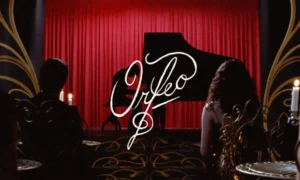
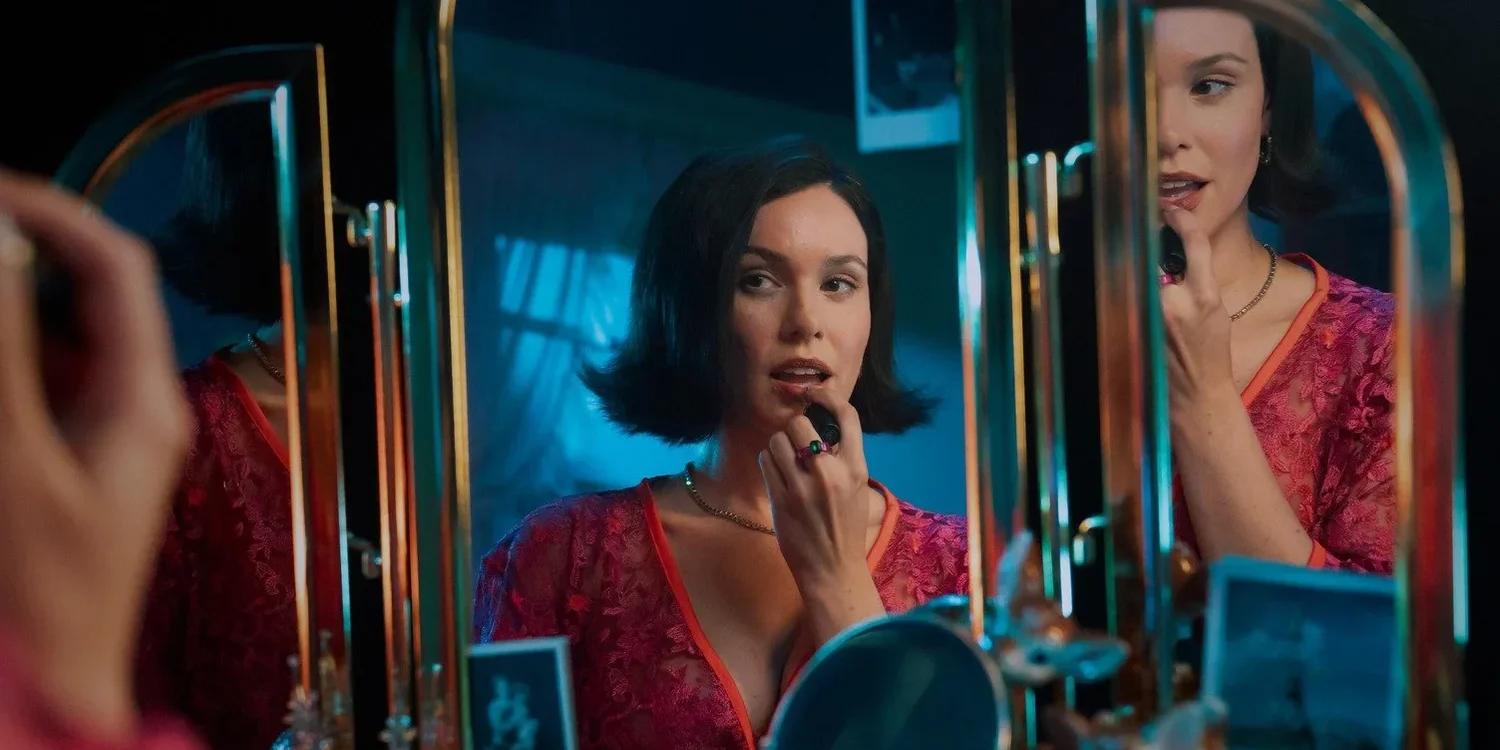
A significant strength of "Modern Whore" lies in its innovative hybrid documentary style. Bazuin masterfully employs performance and theatrical elements to re-enact Werhun’s experiences, creating a dynamic contrast between the artist and the characters she embodies. This artistic choice draws directly from Werhun’s background as a theatre star, allowing her to channel her own life events through performance. The film is visually striking, featuring glamorous neo-noir aesthetics, dramatic costume changes by Cameron Lee, and stylized theatrical sets that contribute to its unique visual language.
The direction by Bazuin is a key element in the film’s success. She skillfully blends different time periods and storytelling mediums, infusing the narrative with an imaginative, almost otherworldly dimension. The inclusion of animation, for instance, serves as a particularly effective tool for conveying Werhun’s emotional landscape, translating complex feelings into a visual medium that words alone might struggle to capture. The film adopts a vibrant, pop-up-book-like aesthetic during reenactments, utilizing bright color palettes to bring Werhun’s personality to life. This visual approach, complemented by Chareese McLaughlin’s engaging production design, creates an immersive and visually stimulating experience that enhances the storytelling without overshadowing its emotional core.
Balancing Style and Substance: The Power of Intimate Interviews
While the stylized reenactments provide a captivating visual experience, "Modern Whore" also grounds itself in the authenticity of documentary interviews. Bazuin navigates the delicate balance between the hyper-feminine, stylized world of the reenactments and the raw, unfiltered footage from Werhun’s interviews with remarkable skill. Although the editing occasionally feels disjointed, this approach effectively complements Werhun’s personality and ensures that the weight of her experiences is never diminished.
The film’s most compelling moments often occur during these grounded interview segments. Werhun engages in candid conversations with her inner circle, including her mother, her partner (who makes an endearing debut in the film), and her industry friends. These interactions expand the narrative beyond Werhun’s individual journey, illustrating a collective path from wrestling with shame to embracing the strength of community. The emotional resonance is palpable, particularly in the depiction of Werhun’s relationship with her mother, whose unwavering love and support serve as a powerful testament to the importance of family bonds.
The Crucial Role of Support Systems and De-stigmatization
"Modern Whore" places a profound emphasis on the significance of support systems, particularly within Werhun’s circle of friends. Their shared personal stories collectively underscore the often-unsupervised nature of the sex work industry and its historical failures in adequately protecting its workers. These shared narratives are not only educational but actively contribute to the de-stigmatization of sex work, offering a vital platform for a diverse range of voices on the subject. The interview setups themselves are notable for their warmth and relaxed atmosphere, a refreshing departure from the often-formal "talking head" segments common in documentaries. Instead of isolated interviews, subjects engage in intimate, personal conversations with Werhun, fostering a deeper sense of connection and shared experience.
A Vision for the Future: Artistry and Advocacy
The final chapter of the film, "A New Archetype," encapsulates Werhun’s ambition to forge a sustainable living through her art. The success of "Modern Whore" across its various iterations suggests that this ambition is well within reach. The creative partnership between Werhun and Bazuin is a dynamic force, exemplifying the power of collaboration. Bazuin’s theatrical direction beautifully complements Werhun’s captivating presence, resulting in a film that is both aesthetically innovative and deeply resonant. Through a smart script that artfully reclaims stigmatized narratives, they have created a thoughtful documentary that explores sex work through an imaginative and profoundly humanistic lens. This work not only entertains but also educates and advocates, paving the way for more honest and empathetic portrayals of marginalized communities in cinema. The film’s implications extend beyond its narrative, serving as a model for how art can be a powerful tool for social change and understanding.
The journey of "Modern Whore" from a memoir to a short film and now to a feature-length documentary highlights a significant timeline in the evolving discourse around sex work. The initial adaptation in 2020 likely served as a testing ground for the concepts and visual styles that would be further refined in the 2024 feature. This iterative process allowed for deeper exploration and development, building upon the foundational work of Werhun’s memoir. The continued collaboration between Bazuin and Werhun over these years underscores a shared vision and commitment to telling this story with authenticity and artistic integrity. The film’s reception and its potential to spark further dialogue underscore the growing demand for more nuanced and humanizing representations of complex social issues within the media. The broader impact of "Modern Whore" lies in its capacity to challenge preconceived notions, foster empathy, and contribute to a more informed and compassionate societal understanding of sex work and the individuals who engage in it.