


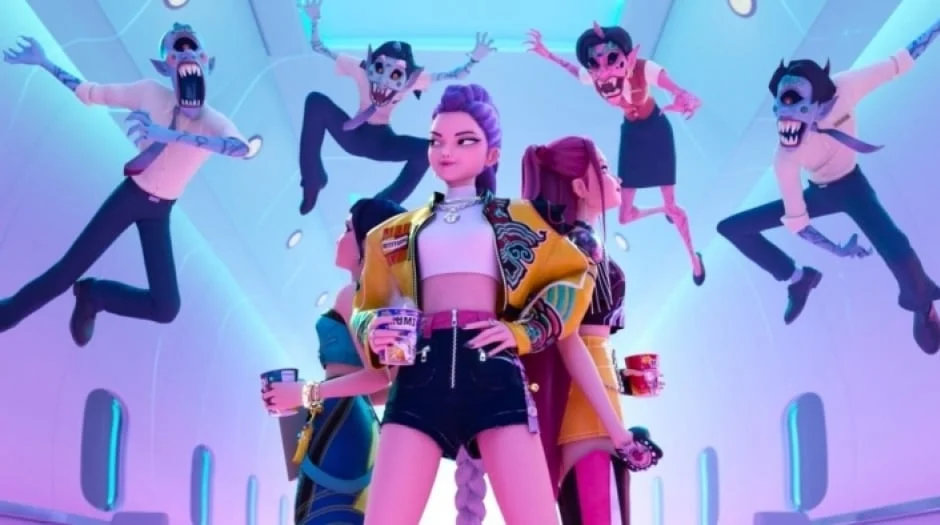
Netflix is aggressively evolving its distribution strategy, signaling a major shift toward traditional theatrical windows for its high-profile original feature films. During an appearance at Bloomberg’s Screentime event, Netflix Co-CEO Ted Sarandos announced that the highly anticipated sequel to the blockbuster animated film KPop Demon Hunters will receive a wide, global theatrical release ahead of its streaming debut. Produced by Sony Pictures Animation, the follow-up is currently slated for a 2029 release, reflecting the streaming giant’s growing confidence in the box office potential of universally appealing intellectual property.
The strategic policy shift marks a notable departure from Netflix’s historically rigid model of day-and-date streaming or limited, token theatrical runs designed merely to qualify for industry awards. By establishing robust theatrical windows for major family franchises and select prestige art-house projects, Netflix is actively repositioning itself within the broader cinematic landscape, aiming to capture both theatrical revenues and heightened cultural cachet.
The Phenomenal Success of the Original Film
The decision to grant the KPop Demon Hunters sequel a massive global theatrical rollout is rooted in the unprecedented, record-breaking performance of the original feature. Produced in collaboration with Sony Pictures Animation and initially released directly to the streaming platform without a traditional theatrical run, the first installment became an overnight global cultural phenomenon.
During its opening 90 days on the platform, the animated feature accumulated an astounding 325.1 million views, establishing itself as one of the most-watched original films in the history of the streaming service. Furthermore, the film demonstrated extraordinary staying power, maintaining a coveted spot in Netflix’s Global Top 10 list for 63 consecutive weeks.
Capitalizing on this massive, sustained momentum, Netflix later tested the theatrical waters by releasing a special sing-along version of the film just two months after its streaming debut. Despite encountering pushback and a notable boycott from major exhibitor AMC—which maintained its longstanding policy against screening films from streamers that do not guarantee a standard 45-day theatrical exclusivity window—the sing-along version triumphed at the box office. It debuted at the No. 1 spot, grossing an estimated $19 million over a two-day period. This unexpected theatrical bounty proved to studio executives that audiences were more than willing to pay for a communal, theatrical experience derived from a streaming property, laying the groundwork for the expansive distribution plans now being implemented for the franchise’s future.
Directors Maggie Kang and Chris Appelhans, who helmed the critical and commercial success of the first film, are officially returning to direct the 2029 sequel, ensuring continuity in creative vision and style for the expanding universe.
Reframing the Theatrical Strategy: Two-End Spectrum

Speaking at the Bloomberg Screentime event, Ted Sarandos elaborated on the sophisticated philosophy guiding Netflix’s new distribution matrix. Rather than applying a blanket policy to its entire film slate, the company is categorizing its cinematic output into two distinct operational poles: micro-budget or prestige art-house titles at one end, and broad, four-quadrant family rewatch properties at the other.
"On one end of the spectrum is La Bola Negra, Train Dreams last year that could have played in the theaters for six months and it wouldn’t have impacted, it would have done net positive on Netflix," Sarandos explained, detailing how low-risk, critically driven projects can coexist comfortably in theaters and on the platform. "Those kind of art house films play like that. And then the other end is the kind of four-quadrant family rewatch movie, so we said let’s take those two and treat them different."
This bifurcation allows Netflix to maximize financial and creative outcomes. Prestige titles benefit from theatrical prestige and extended lifespans, while family blockbusters leverage the massive marketing power of a global theatrical release to build anticipation, drive consumer products, and fuel long-term rewatchability on the streaming application.
Upcoming Theatrical Slate and Exclusivity Windows
The newly minted theatrical strategy is anchored by a robust calendar of high-profile releases spanning late 2026 through 2029. Netflix has committed to specific, guaranteed theatrical windows for these projects, assuring exhibitors of dedicated time on the big screen before the films transition to the home viewing market.
Among the cornerstone family releases leading the charge are Greta Gerwig’s highly anticipated adaptation Narnia: The Magician’s Nephew, which is scheduled for a wide theatrical release on February 12, 2027, backed by a generous 50-day window. Following closely behind will be the animated feature Charlie vs. the Chocolate Factory, set to hit theaters wide on November 5, 2027, with a 47-day exclusivity window.
In addition to these monumental family tentpoles, Netflix’s fall and winter 2026 theatrical slate features an eclectic mix of auteur-driven projects and commercial dramas. The upcoming release schedule includes:
- La Bola Negra, directed by Javier Ambrossi and Javier Calvo, opening October 16 with a 46-day window.
- Mosquito Bowl, directed by Peter Berg, opening October 30 with a 26-day window.
- The Further Mis-Adventures of Cliff Booth, directed by David Fincher, opening November 25 with a 27-day window.
- Ink, directed by Danny Boyle, opening December 11.
Financial Accounting and Box Office Transparency
As part of this strategic pivot, Netflix has announced a major policy shift regarding box office reporting. For the first time, the streaming service will publicly report box office grosses for its theatrical-first titles.

However, Sarandos clarified that these box office receipts will not be factored into the traditional Profit and Loss (P&L) performance metrics of the films internally. This accounting firewall is designed to encourage creative risk-taking without penalizing projects if theatrical returns fluctuate.
"If you’re gonna say, pick a little risk to the Netflix performance, it should have the potential for a very big upside in the theater," Sarandos noted. "So, for Narnia, for KPop Demon Hunters, that’s why they’re gonna get big, broad, global release."
By decoupling theatrical box office from internal operational metrics, Netflix is attempting to create a win-win scenario: filmmakers receive the traditional validation and financial upside of a global theatrical campaign, while the platform secures major marketing events that elevate the perceived value of its subscription service.
Broader Industry Impact and Changing Landscape
Netflix’s evolving stance on theatrical distribution represents a seismic shift in the modern entertainment ecosystem. For over a decade, the streaming pioneer stood as the primary antagonist to the traditional theatrical window, sparking bitter feuds with cinema chains and major studio executives who argued that day-and-date releases or rapid streaming transitions would permanently devalue the cinematic experience.
However, the unprecedented endurance of family content and the immense marketing synergy provided by the global box office have forced a pragmatic re-evaluation. While Netflix originals continue to dominate overall viewing hours on the platform compared to licensed pay-TV window titles—with the notable exception of children’s and family content, which benefits from exceptionally high rates of repeat viewing—the company now recognizes that theatrical exposure acts as a powerful amplifier for franchise health.
By embracing extended theatrical windows for properties like Narnia and the KPop Demon Hunters sequel, Netflix is effectively bridging the gap between Silicon Valley disruption and Hollywood tradition. As these tentpoles roll out across global cinemas in the coming years, their performance will likely serve as a definitive litmus test for the future of hybrid distribution, demonstrating whether a streaming behemoth can successfully conquer the box office without compromising its core digital subscription model.