



The Scope of the Cancelled Vision
According to the revelations shared by Dantics, who claims to have provided direct feedback to the development team, the game was intended to shift the series away from the apocalyptic "galaxy-ending threat" narrative that defined the original Shepard-led trilogy. Instead, Mass Effect Universe would have leaned into the complexity of a galactic Cold War. The political landscape was described as a three-way standoff: an alliance of traditional Council races, a consolidated faction of humanity, the Krogan, and the Batarians, and the Geth, who were poised to emerge as a technologically superior third superpower.
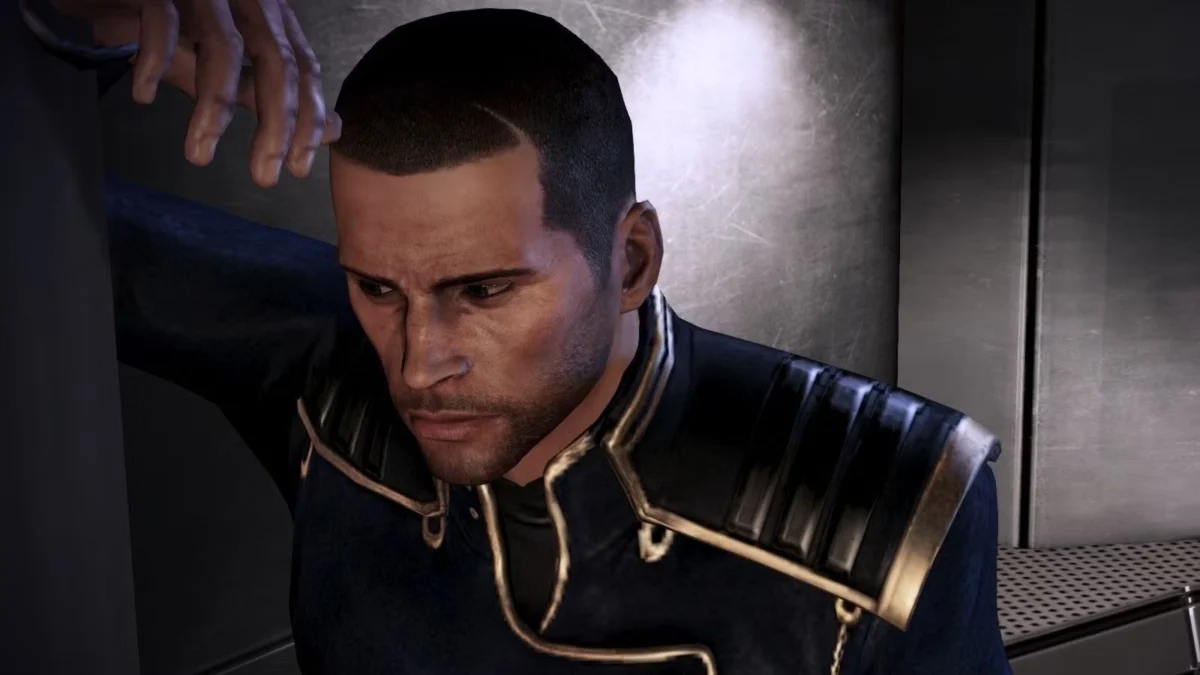
This narrative pivot suggested a shift toward intrigue and systemic gameplay. Rather than focusing on a singular hero-commander, players would have stepped into the shoes of a customizable N7 agent. The character’s design philosophy was reportedly intended to move away from the "walking gun rack" archetype toward a more tactical, agile operative, drawing comparisons to cinematic espionage figures. This agent would have been equipped with experimental technology, allowing for environmental manipulation, digital infiltration, and advanced surveillance capabilities—features that would have supported a more emergent, "Hitman-style" approach to mission design.
A Chronology of the Project’s Demise
The cancellation of Mass Effect Universe is a direct casualty of the broader organizational restructuring at Electronic Arts (EA). The timeline of these events began in earnest following EA’s massive $55 billion leveraged buyout, a move that fundamentally altered the financial obligations of the parent company.
- Pre-2026: BioWare operates as a cornerstone of the EA development portfolio, with early development on a new Mass Effect title reportedly well underway, including the creation of internal trailers and community engagement initiatives.
- Early 2026: Economic pressures mount as the debt obligations from the Saudi Arabia-backed acquisition take effect. Experts within the financial sector begin to warn of inevitable layoffs across EA-owned subsidiaries.
- Mid-2026: Reports begin to circulate regarding deep cuts at major studios, including Respawn Entertainment, Motive Studio, and Maxis.
- October 2026: The definitive end for BioWare is announced. The studio is shuttered, and all ongoing projects—including Mass Effect Universe—are formally cancelled.
- Post-Closure: The gaming community grapples with the loss of one of the industry’s most influential RPG developers, with industry analysts citing the closure as a bellwether for the shifting priorities of major publishers toward safer, lower-risk titles.
Technical Aspirations and Narrative Continuity
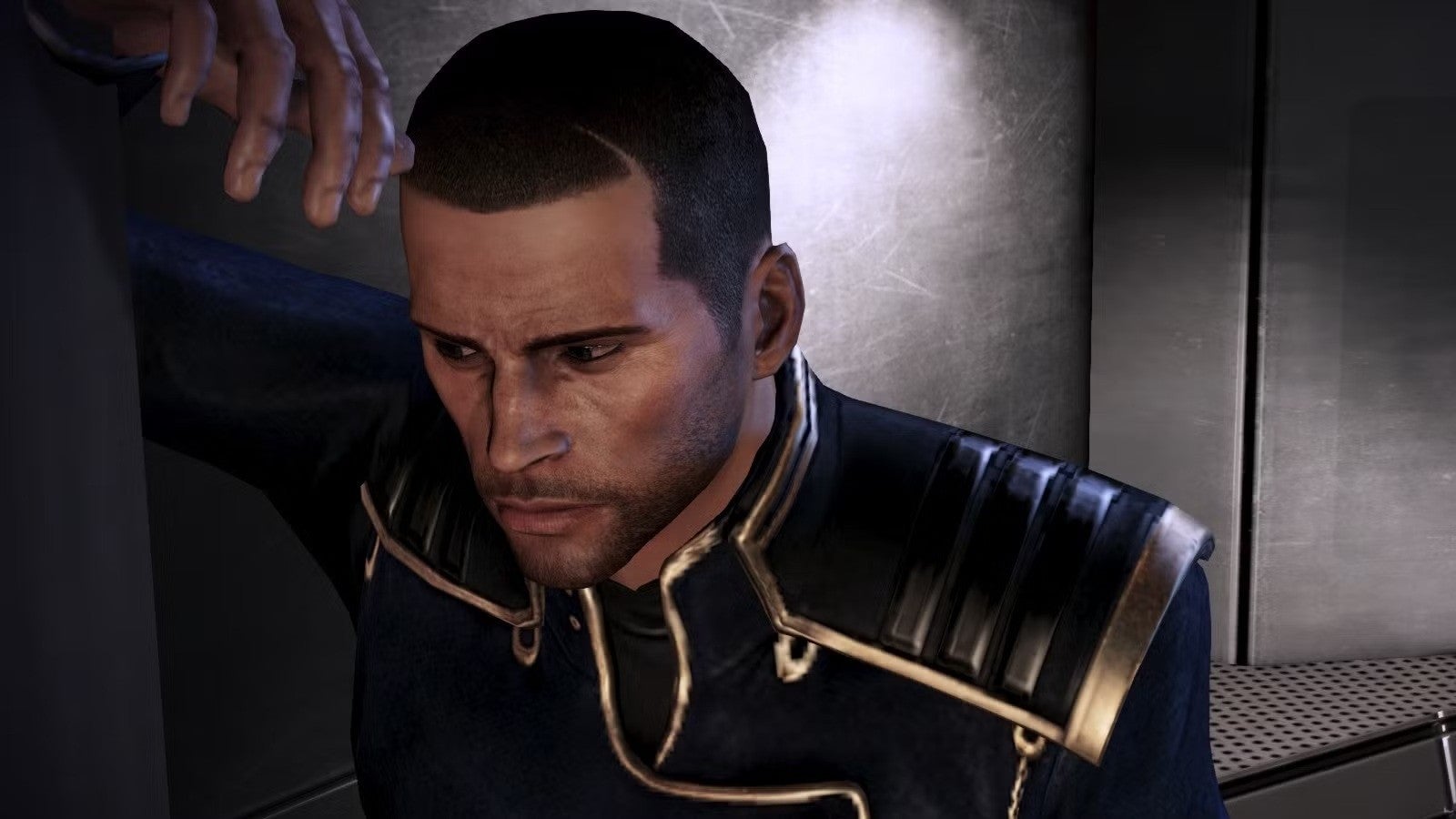
One of the most significant points of interest regarding the leaked details is how the game intended to reconcile the disparate endings of the original Mass Effect trilogy. For years, fans have debated how BioWare would address the varying states of the galaxy after Shepard’s final decision. Dantics suggests that the developers had settled on a strategy that preserved Shepard’s legacy regardless of the player’s specific choice, effectively weaving those outcomes into the history of the new setting.
Mechanically, the game was slated to feature a deep, non-sanitized romance system and a squad-based dynamic that prioritized interpersonal conflict. Squadmates were intended to have their own ideological agendas, potentially leading to friction within the player’s crew. Furthermore, the return of Liara T’Soni as a powerful Asari Matriarch would have served as the narrative anchor, providing a sense of continuity for long-time fans while moving the timeline forward to an era of Geth-built megastructures and interstellar uncertainty.
Industry Context and the Financial Reality
The closure of BioWare is not an isolated incident but part of a larger trend of consolidation and cost-cutting that has swept through the AAA video game industry. With production budgets for modern titles frequently exceeding $200 million, the risk tolerance of parent corporations like EA has diminished. When the financial weight of a $55 billion acquisition is applied, even prestigious studios like BioWare, which have long been considered "too big to fail," become subject to rigorous bottom-line scrutiny.
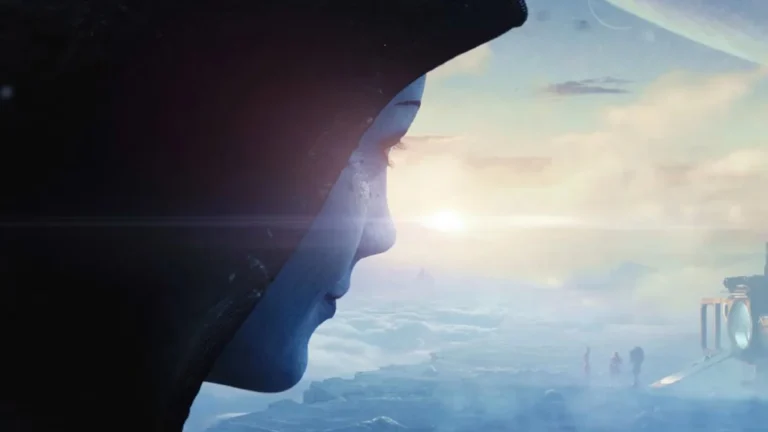
The "Mass Effect Universe" trailer, which surfaced shortly after the studio’s closure, has been confirmed as authentic. Its existence, combined with the detailed accounts from council members, paints a picture of a project that was not merely in the conceptual phase but was actively being built and refined. The decision to terminate such a project highlights the brutal reality of current industry economics, where even well-received intellectual properties are not immune to the demands of debt servicing and short-term quarterly performance.
Broader Implications for the RPG Genre
The loss of BioWare carries significant weight for the RPG genre. For over two decades, the studio defined the standard for choice-driven narrative design and character-centric storytelling. The cancellation of their next major project suggests a potential move away from the high-fidelity, choice-heavy narrative experiences that fans have come to expect.
From a design perspective, the reported "Hitman-style" freedom in Mass Effect Universe represented an evolution in how BioWare approached player agency. By moving away from strictly linear mission structures, the developers were attempting to modernize the franchise for a player base that increasingly demands sandbox-like flexibility. This loss leaves a vacuum in the market for high-budget, story-driven sci-fi RPGs, a niche that was once the company’s primary domain.
Reactions and Finality
The announcement of the studio’s closure triggered a wave of public outcry and professional mourning. Developers from across the industry shared tributes to the impact BioWare had on their own careers and the medium of interactive entertainment. While EA has remained largely silent regarding the specifics of the cancelled projects, the sentiment among the former development team is one of profound frustration. As Dantics noted in his public address, the team felt they were building a game specifically for the dedicated fan base—a sentiment that resonates with many who feel that the industry is moving further away from its core audience in favor of financial stability.
As of late 2026, there are no indications that the project will be salvaged or transferred to another studio. The assets, the narrative groundwork, and the technical innovations developed for Mass Effect Universe appear destined to remain under lock and key, serving as a reminder of the fragility of creative output in an industry increasingly dominated by macro-financial trends. For now, the legacy of the Mass Effect series remains anchored in the original trilogy, leaving fans to wonder what might have been had the project survived the corporate restructuring that eventually ended the studio’s storied tenure.