As the fervor of the 2026 FIFA World Cup reaches its climactic stages, Major League Soccer (MLS) is strategically positioning itself to leverage the global spectacle, launching what the league describes as the most extensive and coordinated marketing campaign in its 33-year history. This monumental undertaking is designed to convert the fleeting excitement of international football into enduring engagement with North America’s premier domestic league, aiming to solidify soccer’s place in the competitive landscape of American sports.
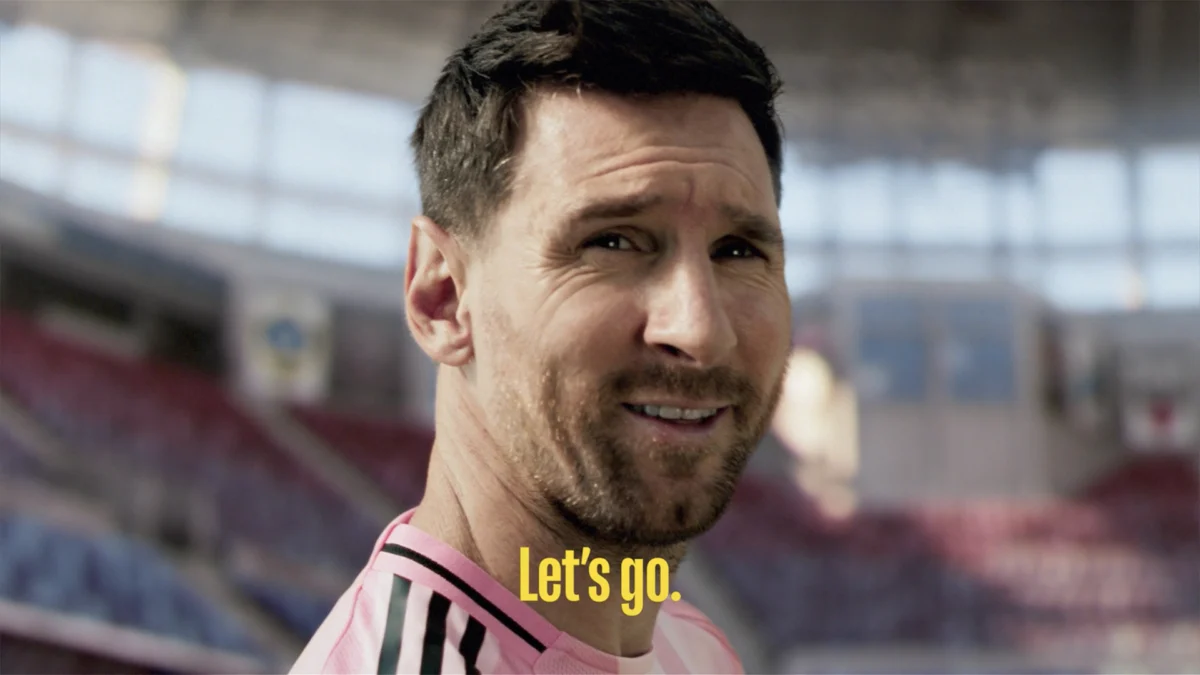
The cornerstone of this unprecedented marketing push is its audacious and confident tagline: "Thanks World, We’ll Take It From Here." This declaration not only acknowledges the immense global appeal of the World Cup but also asserts MLS’s readiness and capability to sustain and grow the newfound interest in the sport. The campaign is further bolstered by the star power of its diverse roster of owners and top athletes, featuring global icons such as Inter Miami megastar Lionel Messi, LAFC sensation Son Heung-Min, Inter Miami co-owner David Beckham, Austin FC owner Matthew McConaughey, LAFC co-owner Magic Johnson, and Philadelphia Union co-owner Kevin Durant. These figures bring not only athletic prowess but also significant cultural cachet and broad appeal, transcending traditional sports demographics.
The Strategic Imperative: Capitalizing on the 2026 World Cup Host Advantage
The timing of this campaign is no coincidence. The 2026 FIFA World Cup marks a historic moment for North American soccer, as the United States, Canada, and Mexico collectively host the expanded 48-team tournament. This tri-national hosting arrangement is anticipated to generate unprecedented levels of engagement, patriotism, and exposure for the sport across the continent. For MLS, which was famously launched in the wake of the 1994 World Cup hosted solely by the U.S., the 2026 event presents an unparalleled opportunity for a transformative leap forward. The league’s leadership recognizes that this is not merely a chance to attract new fans, but to embed soccer more deeply into the cultural fabric of North America.
Radhika Duggal, the Chief Marketing Officer of MLS, articulated the core philosophy behind the initiative in an interview with The Hollywood Reporter: "The FIFA World Cup is going to bring millions of new fans into the game, and our job is to make sure their soccer journey doesn’t end when the tournament does. This campaign is about showing people that there’s a club, a community, and a story waiting for them every week in MLS. We’re meeting fans through culture, music, and entertainment, making it easy to discover the league, whether that’s on Apple TV or at their local stadium. MLS has never been more ambitious or more connected to the moments shaping culture, and we’re excited to welcome a whole new generation of fans." This statement underscores a holistic approach, moving beyond mere viewership to cultivate a sense of belonging and ongoing engagement.
Unpacking the "Thanks World" Campaign: A Multi-faceted Approach
The "Thanks World, We’ll Take It From Here" campaign is meticulously designed for broad reach and deep impact, rolling out across a comprehensive suite of media platforms.
-
Launch and Rollout: The campaign commenced strategically during Fox’s broadcast coverage of the World Cup semifinals and final, ensuring maximum visibility during the tournament’s peak excitement. Following this high-profile launch, the campaign will continue its extensive presence across Apple TV, which holds the exclusive streaming rights for MLS Season Pass, as well as various linear television channels, other streaming platforms, digital media, social networks, and prominent out-of-home advertising spaces. This multi-channel deployment ensures that the message reaches potential fans wherever they consume media, from traditional broadcasts to hyper-targeted digital interactions.
-
Leveraging Star Power and Celebrity Ownership: The deliberate inclusion of high-profile athletes like Lionel Messi and Son Heung-Min, alongside celebrity owners such as David Beckham, Matthew McConaughey, Magic Johnson, and Kevin Durant, is a critical component of the strategy. Messi’s arrival in MLS in 2023 already catalyzed an unprecedented surge in interest, viewership, and attendance, demonstrating the immense power of global sporting icons. Son Heung-Min, a beloved figure in Asian football and beyond, further expands the league’s international appeal. The celebrity owners, from sports legends like Beckham and Johnson to entertainment titans McConaughey and Durant, lend credibility, visibility, and a crossover appeal that can attract audiences who might not traditionally follow soccer. Their involvement signals a modern, dynamic, and culturally relevant league.
-
Grassroots Engagement and Community Building: Beyond the high-profile endorsements, the campaign deeply integrates local club initiatives. All 30 MLS clubs are participating, with 22 of them offering "first match on us" promotions, providing free tickets to new attendees. This grassroots approach is vital for converting casual World Cup observers into dedicated local club supporters. By inviting fans directly into their stadiums, MLS clubs aim to foster a sense of community and belonging, demonstrating that the "club, community, and story" mentioned by CMO Radhika Duggal are tangible experiences available in every MLS market. This strategy acknowledges that sustained loyalty often begins with a personal connection to a local team.
-
Cultural Integration Through Music and Entertainment: Recognizing the importance of cultural relevance, the campaign also features a unique collaboration with the music industry. It includes an Amazon Music Original cover of the iconic A Tribe Called Quest song "Can I Kick It?" – a track created exclusively for MLS. This bespoke production is helmed by legendary producer DJ Premier and features new vocals and lyrics from breakout artist Samara Cyn. This musical element is a strategic move to tap into broader cultural conversations and reach audiences through avenues beyond traditional sports media. By aligning with respected figures in music and reimagining a classic hip-hop track, MLS aims to resonate with younger, culturally diverse demographics and further establish soccer as a lifestyle brand.
Executive Vision and Objectives: From Hype to Legacy
Camilo Durana, Executive Vice President & Chief Business Officer of MLS, articulated the league’s overarching objective: "At a defining moment for soccer in North America, MLS is turning global excitement into lasting engagement and connection. As the World Cup inspires new fans, our clubs and communities are ready to welcome them as the season resumes and the next chapter of their soccer journey begins with MLS." This statement encapsulates the league’s ambition to transform a transient global event into a catalyst for long-term growth and fan loyalty.
The executives’ statements collectively reveal a sophisticated understanding of fan psychology and market dynamics. They recognize that while the World Cup provides an unparalleled awareness boost, true growth hinges on offering a compelling, accessible, and culturally integrated domestic product. The emphasis on "community," "story," and "cultural connection" points to a strategy that goes beyond mere athletic competition, aiming to build a deeply rooted fan base that feels invested in the league’s narrative and local club identities.
The Economic and Cultural Impact: A New Era for North American Soccer
MLS is placing a significant bet that the enormous interest generated by the 2026 World Cup can be successfully translated into invigorated and sustained interest in its league. The historical precedent of the 1994 World Cup, which directly led to the founding of MLS, serves as a powerful reminder of such events’ transformative potential. However, the current landscape is vastly different, with a more mature and expansive MLS, a growing youth soccer infrastructure, and a significantly larger, more diverse soccer fan base in North America.
The World Cup’s drawing power is undeniable. Recent tournaments have been ratings bonanzas, consistently garnering viewership numbers comparable to major American sporting events like the NFL. For instance, the original article notes that matches featuring the U.S. team or blockbuster contests like "Mexico-England" (likely a hypothetical example or a placeholder for a high-profile international friendly that drew massive numbers, considering England and Mexico wouldn’t typically play in the same World Cup group stages in the final rounds) have drawn tens of millions of viewers across Fox and Telemundo and their streaming platforms, sometimes exceeding 44 million people for a single game. These "NFL-like numbers" underscore the immense potential audience that MLS is targeting. The challenge, and the opportunity, lies in converting these casual World Cup viewers into regular MLS spectators and supporters.
The implications of a successful campaign are far-reaching. Economically, increased attendance, viewership, merchandise sales, and sponsorship deals would significantly boost MLS’s revenue streams, allowing for further investment in player development, stadium infrastructure, and club expansion. Culturally, it would solidify soccer’s position as a "major league" sport in North America, shedding its "niche" label and competing more directly with established giants like American football, basketball, and baseball. This cultural shift would empower a new generation of athletes, fans, and media personalities to embrace the sport without reservation.
Challenges and Opportunities Ahead
Despite the ambitious nature and comprehensive planning of this campaign, MLS faces inherent challenges. The North American sports market is highly saturated and competitive, with deeply entrenched loyalties to other leagues. Sustaining interest beyond the immediate post-World Cup glow will require ongoing innovation, compelling narratives, and consistent high-quality play. The sheer volume of content available to consumers also means that MLS must continually fight for attention in a crowded media landscape.
However, the opportunities are equally immense. The demographic shifts in North America, particularly the growing Hispanic population with strong ties to soccer, provide a natural growth engine for the sport. The increasing global interconnectedness, fueled by social media and international player transfers, also means that MLS can tap into a worldwide fan base. With strategic investments, a clear vision, and the momentum from the 2026 World Cup, Major League Soccer is poised to embark on its most significant chapter yet. This record-breaking marketing campaign is not just about promoting a league; it’s about cementing the future of soccer in North America.