




The shifting economic realities of the modern entertainment industry have once again stepped into the spotlight following a candid announcement by acclaimed actor Asia Kate Dillon. Best known for standout performances in blockbuster features such as John Wick: Chapter 3 – Parabellum and critically acclaimed television dramas including Billions and Orange Is the New Black, Dillon revealed via social media that the current contraction in Hollywood production has forced a return to the job market. Despite more than a decade of supporting themselves exclusively through professional acting, Dillon is actively seeking part-time and full-time positions within the customer service and hospitality sectors.
The announcement, shared on Instagram, underscores a broader, systemic challenge facing working-class and mid-tier performers in the United States. While high-profile actors often command multi-million-dollar salaries, a significant percentage of Screen Actors Guild (SAG-AFTRA) members rely on a consistent stream of guest-star roles, recurring television parts, and independent film projects to maintain financial stability. As the industry grapples with post-strike recovery, shifting streaming economics, and reduced production volumes, even recognizable faces with high-profile credits are finding it increasingly difficult to secure steady employment in their primary field.
A Decade of Stability Gives Way to Uncertainty
For the past eleven years, Dillon’s career trajectory appeared secure. Breaking barriers as one of the most prominent nonbinary actors in mainstream media, Dillon earned widespread recognition as the Adjudicator in John Wick: Chapter 3 (2019), showcased formidable dramatic range as Taylor Mason in Showtime’s financial drama Billions, and portrayed Brandy Epps in Netflix’s groundbreaking prison series Orange Is the New Black. These roles not only elevated Dillon’s profile within the industry but also provided the financial foundation necessary to work full-time as an artist.

However, the landscape of television and film production has undergone a profound transformation over the past several years. Industry contractions—accelerated by corporate media consolidation, budget tightening across major studios and streaming platforms, and the lingering financial impacts of the 2023 Hollywood labor strikes—have resulted in significantly fewer greenlit projects. For actors who do not anchor multi-season network series or carry franchise-leading film titles, the gap between employment opportunities has widened considerably.
In their social media statement, Dillon addressed this stark reality head-on, noting that the scarcity of acting work is part of a larger trend affecting many of their peers. The situation is particularly acute for marginalized performers, with Dillon explicitly highlighting the disproportionate impact on trans, nonbinary, and gender-nonconforming artists within the entertainment sector.
Returning to the Service Industry
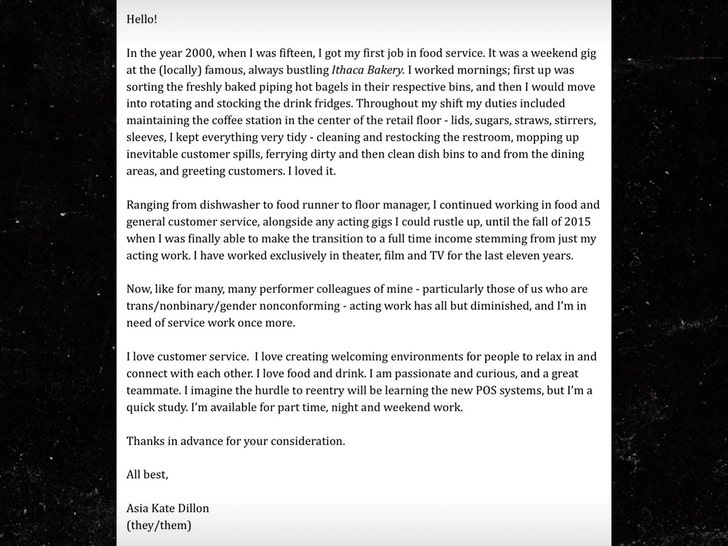
Faced with diminishing job prospects in television and film, Dillon is turning to familiar territory. Long before achieving mainstream recognition on prestige television, Dillon worked in the food service and hospitality industries. Far from viewing a return to these sectors as a step backward, Dillon embraced the transition with enthusiasm and professional pride, outlining an extensive background that spans multiple operational roles.
According to Dillon’s professional outreach, past experience includes everything from entry-level positions such as dishwasher and food runner to front-of-house responsibilities including floor management. Leveraging this diverse skill set, Dillon announced availability for part-time, evening, and weekend schedules to accommodate any potential audition callbacks or sudden acting engagements.
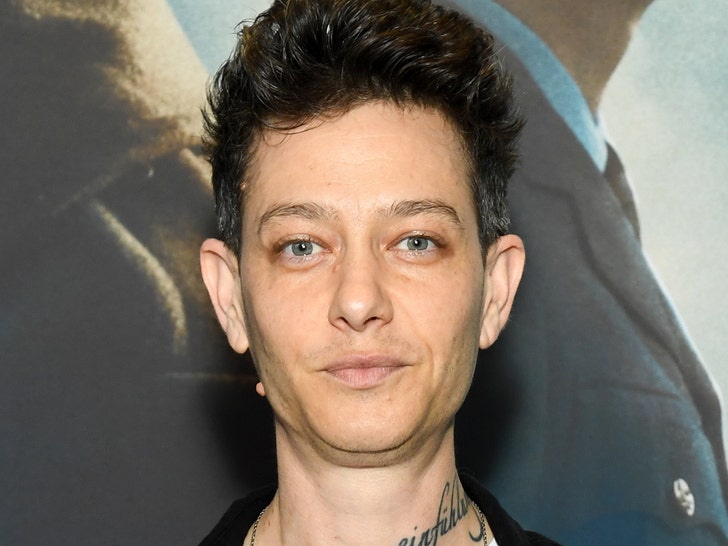
"I love customer service," Dillon shared in the Instagram post. "I love creating welcoming environments for people to relax in and connect with each other. I love food and drink. I am passionate and curious, and a great teammate."
This pragmatic approach highlights a resilient attitude shared by many artists who navigate the unpredictable nature of the entertainment business. Rather than remaining idle during industry slowdowns, Dillon’s proactive job search mirrors the traditional "waiter-actor" dynamic historically associated with aspiring talent in cultural hubs like New York and Los Angeles—though rarely acknowledged publicly by established performers with major studio credits.
Broader Industry Impacts and Systemic Challenges
Dillon’s public job search brings to light broader structural issues within the contemporary entertainment economy. In the wake of the 2023 Writers Guild of America (WGA) and SAG-AFTRA strikes, industry analysts predicted a lengthy recovery period characterized by reduced output. Studios and streaming services have increasingly pivoted toward risk-averse programming, shorter season orders, and lower overall budgets, directly impacting the volume of available work for recurring and guest-star actors.
Furthermore, data from labor organizations consistently shows that the vast majority of working actors earn far below the median income required to live comfortably in major production centers. While headline-grabbing paychecks dominate public perception of Hollywood, the median earnings for a working-class actor often fluctuate wildly from year to year. When production slumps occur on a macro level, the safety net for mid-tier performers can evaporate rapidly.
The situation is further compounded for actors from historically underrepresented backgrounds. Diversity initiatives within casting have made notable strides over the past decade, yet economic volatility often triggers regression or stagnation in inclusive hiring practices. Industry advocacy groups frequently point out that trans, nonbinary, and gender-nonconforming talent face unique systemic barriers, both in terms of limited authentic role availability and the broader socioeconomic pressures affecting the creative workforce.
Reactions and Industry Solidarity
Dillon’s candid revelation was met with an outpouring of support from fans, colleagues, and fellow industry professionals across social media platforms. The transparency was praised for dismantling the polished illusion of continuous celebrity wealth, offering a grounded perspective on the economic fragility that underpins much of the creative sector.
Several working actors and crew members echoed Dillon’s sentiments, noting that the current market conditions have forced many behind-the-scenes workers and performers alike to seek supplemental income in retail, hospitality, gig-economy driving, and corporate administrative roles. The discussion has reignited conversations regarding the sustainability of an artistic career in an era defined by compressed residual payments from streaming services and fewer available episodic roles.
As Hollywood continues to navigate its ongoing structural evolution, the experiences of artists like Asia Kate Dillon serve as a clear indicator of the challenges facing the creative labor force. For now, one of cinema’s most memorable antagonists is ready to trade the high-stakes world of the Continental hotel for the customer service floor—demonstrating a commendable work ethic and a refreshing commitment to financial self-sufficiency in uncertain times.