

The cinematic landscape for C.S. Lewis’s beloved literary masterpiece, The Chronicles of Narnia, is undergoing a profound transformation. Director Greta Gerwig, known for her critical and commercial successes with Little Women and Barbie, has officially pulled back the curtain on her upcoming adaptation of The Magician’s Nephew. This project, which serves as the inaugural entry in a new multi-film franchise, marks a radical departure from the established aesthetic and narrative conventions of previous screen iterations. By infusing the world of Narnia with a high-concept, glam-rock-inspired visual language, Gerwig has ignited a firestorm of public debate regarding the sanctity of source material versus the necessity of artistic reinvention.
The project represents a significant investment for Netflix, which acquired the rights to the entire seven-book series in 2018. The decision to prioritize The Magician’s Nephew as the opening chapter is a strategic move to establish the cosmic lore of the Narnian universe before venturing into the familiar territory of The Lion, the Witch, and the Wardrobe. This chronological shift serves to anchor the origin story of Jadis, the White Witch, and provides the production team with a fresh canvas to define the visual identity of the franchise.
A Chronology of Narnia Adaptations
The history of Narnia on screen is long and varied, reflecting the challenges of translating Lewis’s high-fantasy prose into visual media. The BBC first brought the series to life in the late 1980s and early 1990s through a series of live-action television productions that remained largely tethered to the original text. Following this, Walden Media’s 2005 production of The Lion, the Witch, and the Wardrobe set a high bar for big-budget fantasy, grossing over $745 million globally.
Gerwig’s vision, however, diverges sharply from these predecessors. By shifting the timeline of the Pevensie children’s story from the World War II era to the late 1990s or early 2000s, the adaptation seeks to ground the narrative in a contemporary sensibility. This temporal relocation is not merely a stylistic choice but a fundamental restructuring of the franchise’s cultural touchstones. According to production notes from Empire Magazine, Gerwig is looking to capture the "transporting" power of music, citing icons such as David Bowie, Paul McCartney, and Jimmy Page as primary influences for the film’s atmosphere.
The Aesthetics of Charn and the Glam Rock Influence
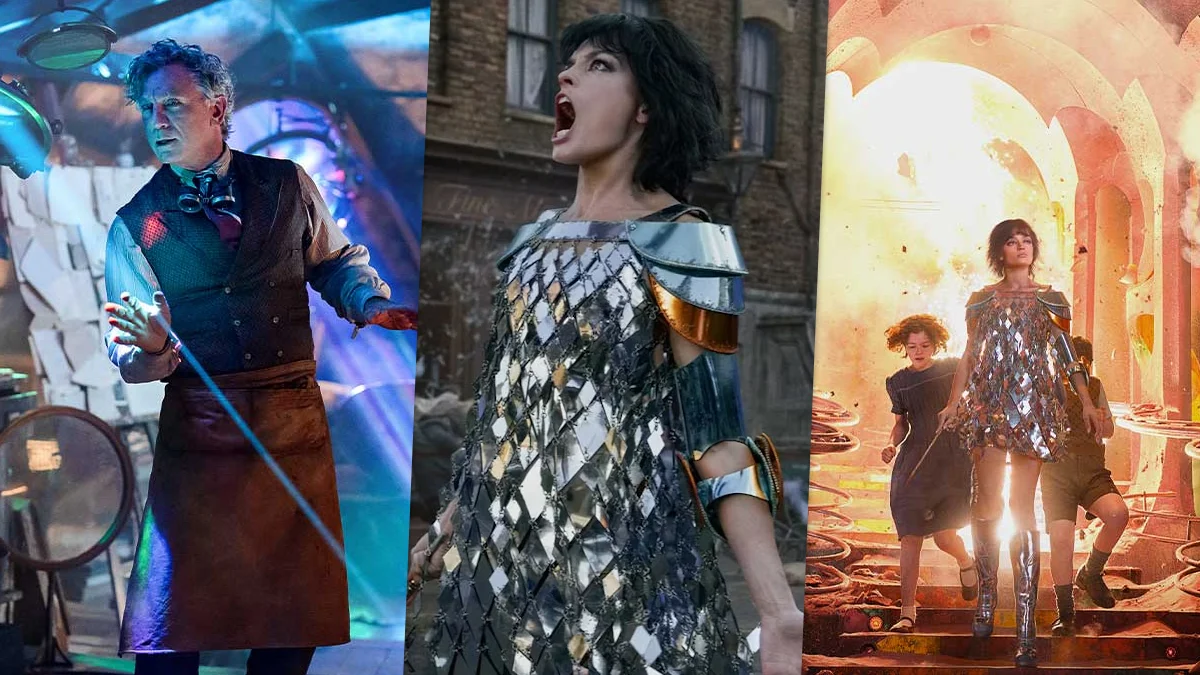
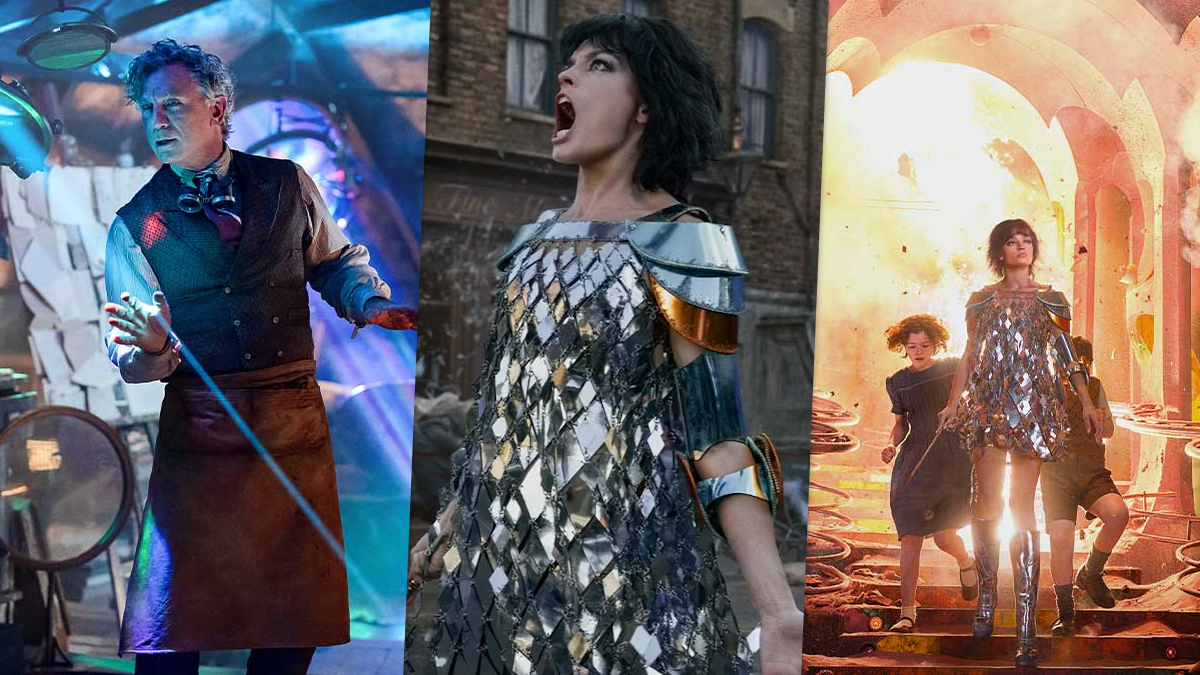
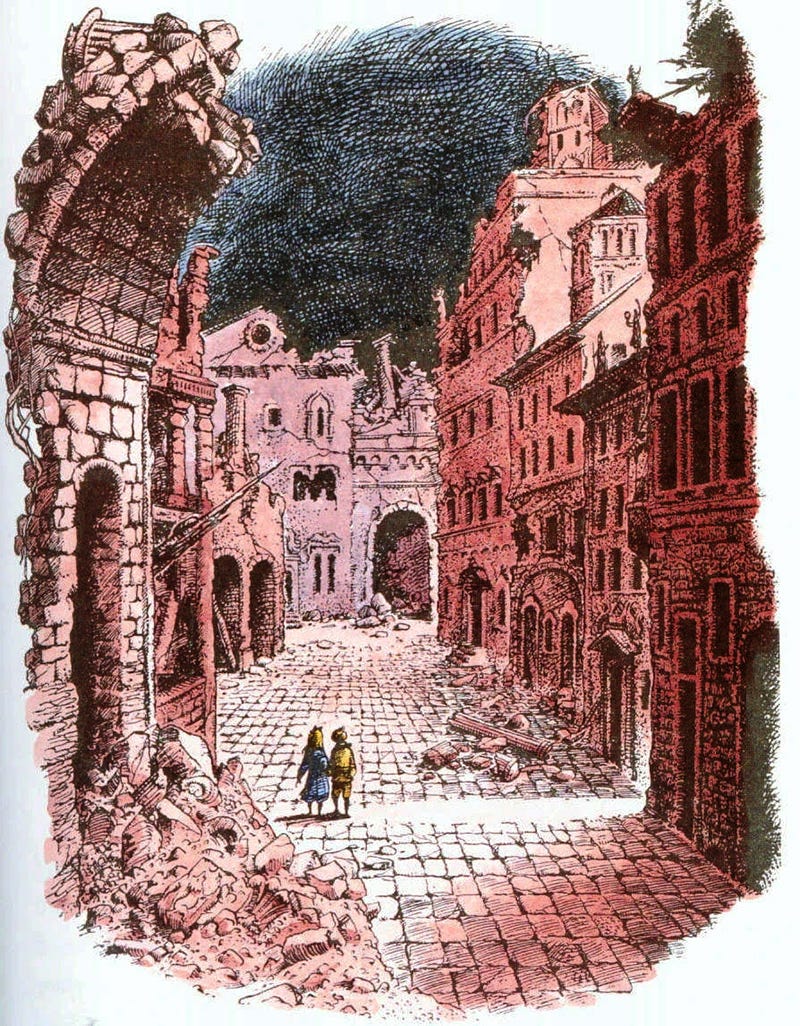
The most contentious element of the recent reveal is the visual depiction of the world of Charn. In the source material, Charn is a desolate, dying world—the birthplace of Jadis. Gerwig’s interpretation leans into a vibrant, high-contrast palette that favors stylized production design over the more grounded, muted realism seen in previous fantasy adaptations. The promotional images, which feature Emma Mackey as Jadis, showcase a costume design that draws heavily from 1970s glam rock.
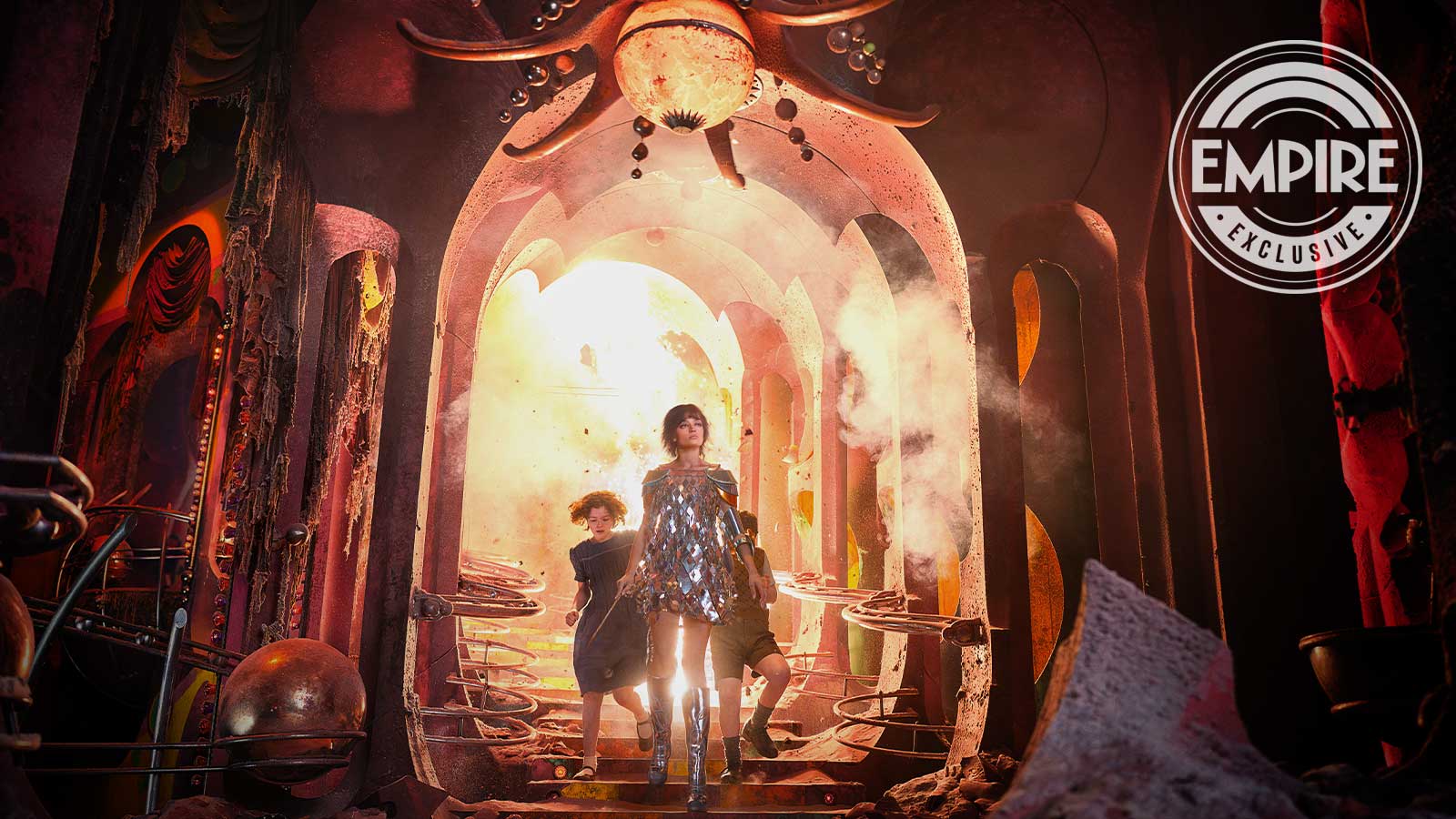
This departure from the regal, icy aesthetic typically associated with the White Witch is deliberate. Gerwig has stated that she views Narnia as a world "sung into existence" by Aslan, drawing a direct parallel between the act of creation and the improvisational, wild energy of rock music. The inclusion of Daniel Craig as Uncle Andrew Ketterley further highlights this shift. Craig’s character, described by the actor as the "stupidest magician in the world," operates within an environment characterized by a distinct steampunk aesthetic, blending Victorian sensibilities with the eccentricities of late-20th-century rock subcultures.
Data and Production Context
The production budget for the Narnia reboot is estimated to be among the largest in Netflix’s history, reflecting the platform’s desire to build a flagship fantasy franchise to compete with Amazon’s The Lord of the Rings: The Rings of Power and HBO’s House of the Dragon. Industry analysts suggest that the "rock opera" approach is a calculated strategy to differentiate the series in an oversaturated market.
However, the risk inherent in this approach is high. Data from early social media sentiment tracking indicates a polarized audience. While a segment of the fan base appreciates the "bold" and "unique" creative direction, a significant portion of long-time readers has expressed concern over the loss of the "cozy" and "timeless" quality associated with Lewis’s work. The reaction from fans, particularly on platforms like X (formerly Twitter), highlights a tension between modern cinematic trends—which favor high-concept visual identity—and the traditional expectations of literary purists.
Implications for the Fantasy Genre
The broader implications of Gerwig’s project suggest a shift in how classic IPs are being handled by major studios. We are witnessing an era where intellectual property is treated as a foundation for interpretation rather than a strict blueprint. This "auteur-driven" approach, exemplified by the recent success of Wicked and other musical-adjacent fantasy epics, suggests that studios are prioritizing emotional resonance and visual spectacle over strict narrative fidelity.
If the "rock opera" aesthetic proves successful, it could redefine the visual language of fantasy for the next decade. Conversely, if the reception remains lukewarm, it may force studios to reconsider the balance between creative freedom and the expectations of a legacy fan base.
Official Responses and Future Outlook
While Netflix and the production team have remained tight-lipped regarding the specific narrative beats of the film, they have acknowledged the necessity of a "modern" Narnia. By framing the creation of the world as a musical event, Gerwig is inviting audiences to experience the narrative as a sensory journey rather than a literal adaptation.
The film, titled Narnia: The Magician’s Nephew, is slated for a theatrical release on February 12, 2027, followed by a wide release on Netflix on April 2, 2027. This release strategy underscores the importance of the project, with a traditional theatrical window designed to build prestige before the film finds its long-term home on the streaming platform.
As the production moves toward its final stages, the focus will likely shift from the aesthetics of the characters to the performance of the ensemble cast. The inclusion of actors of the caliber of Daniel Craig and Emma Mackey suggests that the studio is confident in the script’s ability to anchor these stylized visuals in strong, character-driven drama. Whether this "rock ‘n’ roll" Narnia succeeds as a cohesive piece of cinema or remains a divisive experiment will ultimately depend on the film’s ability to bridge the gap between the internal logic of the novels and the external ambitions of its director.
Ultimately, the debate surrounding this adaptation serves as a microcosm of the modern relationship between classic literature and contemporary media. As audiences continue to weigh in, the industry will be watching closely to see if Greta Gerwig’s ambitious, music-infused vision can capture the hearts of a new generation, or if the "Narnia" of our memories remains too fixed to be reimagined. For now, the world waits to see if this gamble on a rock-inspired, vibrant Narnia will hit the right notes or fall out of tune with the legacy of C.S. Lewis.