

Production Context and Creative Ambitions
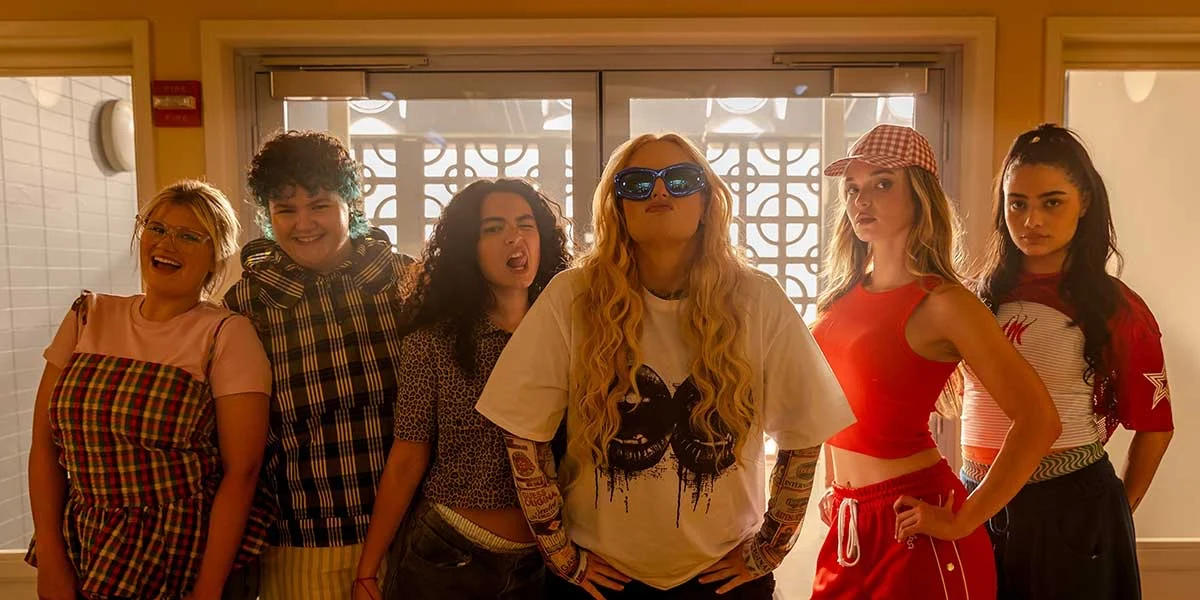
The project, Girl Group, centers on the character Tassie Young, a former pop sensation from a 1990s girl band modeled after the era’s dominant musical acts. The narrative follows Young—portrayed by Wilson—as she navigates the fallout of a career collapse, eventually finding a path toward redemption by coaching a group of marginalized teenage girls in East Los Angeles. The film draws heavy inspiration from the “underdog” musical comedy genre, frequently referencing the cultural impact of films such as Pitch Perfect and Bridesmaids.
The production assembly is notable for its expansive cast, which includes veteran performers such as Randall Park, Sheridan Smith, Melanie Chisholm, Nicole Scherzinger, and Jennifer Coolidge, alongside newcomers including Chabely Ponce, Daniela Couso, and Lilah Pate. The film’s development was anchored by the vision of Rebel Wilson, who sought to leverage her experience in the musical-comedy space to craft a story that explores the evolution of female empowerment across two distinct musical generations.
Chronology of the Narrative
The film’s structure follows a dual-timeline approach, beginning in an all-girls preparatory school in 1997. In this opening act, a young Tassie is encouraged by her teacher—played by Sally Hawkins—to embrace her potential as a performer. This period establishes the rapid ascent of her fictional girl group, characterized by the meteoric rise and subsequent ego-driven dissolution that defines the character’s trajectory.
The primary action takes place in 2026. Tassie, now portrayed as a struggling, alcohol-reliant figure, is sidelined as her former bandmates plan a reunion tour that excludes her. Following a legal infraction involving drunk driving, Tassie is sentenced to community service. Her manager, played by Jennifer Coolidge, facilitates her placement with a group of social outcasts, setting the stage for the traditional redemption arc. While the story follows a predictable path of failure, mentorship, and eventual success, the film frequently deviates into subplots involving the clash between 1990s pop sensibilities and modern-day social awareness.
Critical Reception and Audience Engagement
The World Premiere at the Toronto International Film Festival (TIFF) served as the primary litmus test for the film’s commercial and artistic viability. Industry observers noted a distinct lack of audience responsiveness during the screening, a factor that is often cited as a critical indicator for comedies relying on timing and physical humor.
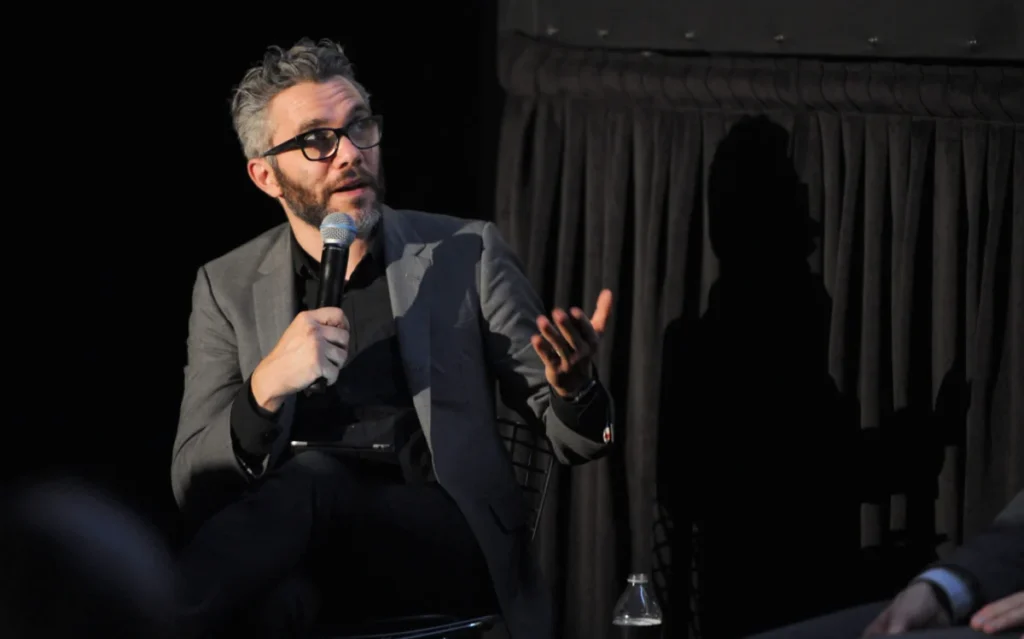
During a post-screening Q&A session, Rebel Wilson addressed the production process, revealing that the initial assembly of the film exceeded three hours in length. The decision to truncate the film to its current 103-minute runtime suggests an extensive post-production editing process. Critics have pointed to the inconsistent pacing and the inclusion of specific, polarizing dialogue—such as the naming of a character as “hashtag-baby, hyphenated”—as evidence of a disconnect between the intended humor and the audience’s reception. While Nicole Scherzinger’s comedic performance has been highlighted as a standout element, the film’s inability to fully utilize its ensemble cast has been a consistent point of feedback.
Thematic Analysis: Empowerment and Representation
Girl Group attempts to reconcile two conflicting eras of female representation in media. The younger characters within the film frequently challenge Tassie’s reliance on the hyper-sexualized aesthetics of the 1990s, highlighting the transition toward more nuanced forms of empowerment. However, analysts suggest that the film often treats these themes as secondary to its comedic structure.
The tension between the film’s attempts at social commentary and its reliance on irreverent humor creates a narrative imbalance. The story advocates for a move away from the competitive, "vicious" nature of girl-group culture—a trope prominent in early 2000s media—but struggles to provide a compelling alternative due to the preordained nature of its plot. By prioritizing formulaic redemption beats over a deeper exploration of these generational shifts, the film often leaves its central themes under-examined.
Production Highlights and Musical Execution
Despite the challenges cited in the film’s screenplay and direction, the musical numbers remain the production’s most lauded feature. The staging of performances—ranging from unconventional settings like boxing rings and local shopping malls to more traditional stage environments—demonstrates a commitment to the "musical" aspect of the genre.
The film’s most effective sequence involves a performance by the group "Explode," which intentionally eschews the high-budget, over-produced aesthetics of their professional counterparts. This moment, which emphasizes raw talent and authentic choreography, is widely considered the film’s creative peak. It suggests that the project’s strengths lie in its musicality rather than its verbal comedy. The contrast between these high-energy segments and the forced dialogue suggests that the film might have been more successful as a pure musical rather than a comedy-driven narrative.
Industry Implications and Future Outlook
The performance of Girl Group at TIFF raises questions regarding the current landscape of studio comedies. For years, the “pitch” model—a successful musical comedy formula—has been a staple of the film industry. However, the reception of Girl Group suggests that audiences may be looking for more innovation within the genre.
The film serves as a case study for the risks involved in multi-hyphenate creative roles, where the burden of writing, directing, and starring in a major feature can result in a lack of objective oversight. For the stakeholders involved, the financial and critical success of the film remains to be determined by its wider release. The potential for a "Director’s Cut" or a re-edit of the footage remains a subject of speculation, given Wilson’s comments regarding the original three-hour assembly.
Ultimately, the film stands as a reflection of the challenges involved in balancing nostalgia with modern sensibilities. While it features moments of genuine artistic merit—particularly in its choreography and ensemble performances—it remains tethered to a conventional narrative structure that struggles to find a fresh voice. For a film centered on the idea of “exploding” onto the stage, the final product remains a cautionary example of how even a high-wattage cast and a clear, music-driven premise can struggle to achieve a cohesive identity. As the film moves toward its general release, the industry will be watching to see if the broader public aligns with the critical sentiment displayed at its Toronto debut, or if the music-forward elements are enough to drive interest despite the narrative shortcomings.