



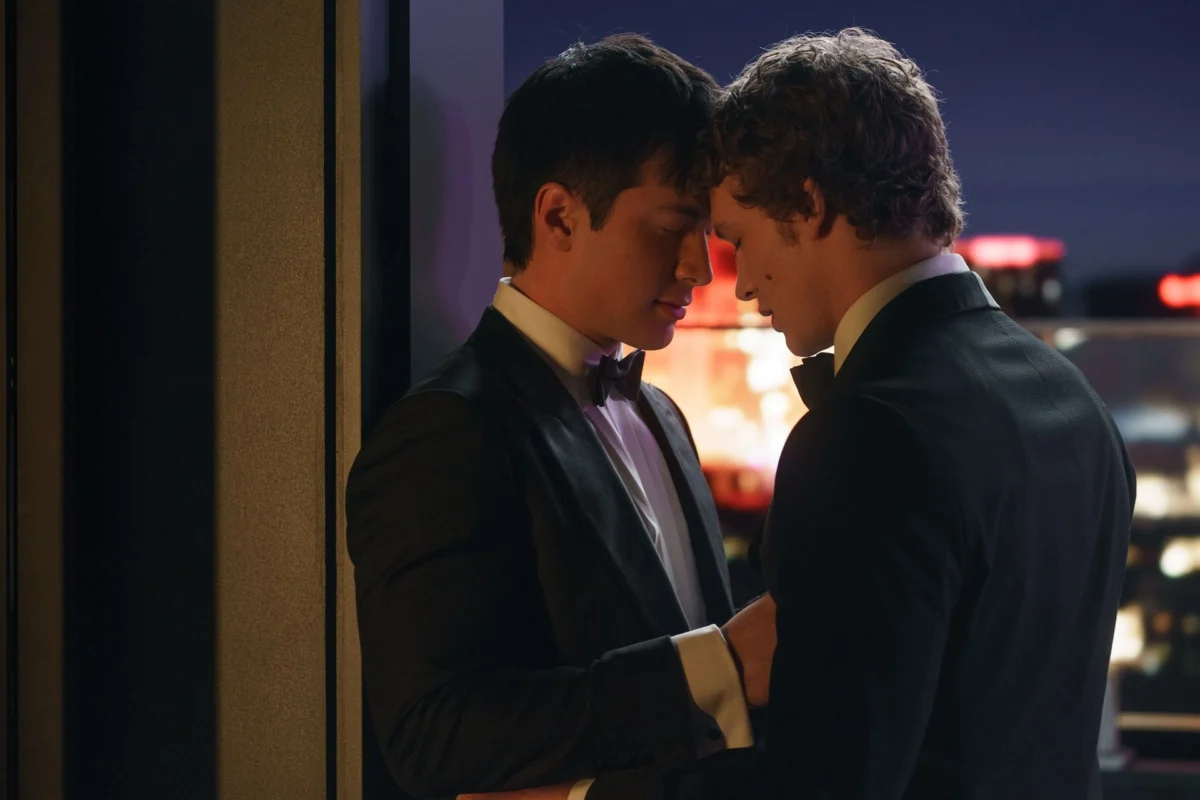
The global streaming industry, long characterized by its reliance on established intellectual property and the recycling of proven narratives, has pivoted toward a niche but explosive subgenre: the hockey-themed romance. This trend, currently manifesting in Prime Video’s recently debuted Off Campus and Netflix’s upcoming series Icebreaker, follows the massive critical and commercial success of Heated Rivalry, which premiered on Crave and HBO Max. While the industry has historically leaned on "safe" formulas, the current rush to adapt hockey-centric novels highlights a growing tension between audience demand for diverse, queer narratives and Hollywood’s tendency to revert to traditional heteronormative frameworks.
The shift represents more than just a change in setting from boardrooms or high schools to the ice rink. It marks the culmination of a multi-year trend originating in digital literary spaces like Wattpad and Archive of Our Own (AO3), which has now transitioned into a multi-million-dollar production race among major streaming platforms. However, industry analysts and diversity researchers suggest that by focusing solely on the sport of hockey rather than the specific queer dynamics that propelled Heated Rivalry to viral status, studios may be miscalculating the core appeal of the genre.
The Chronology of the Hockey Romance Phenomenon
The current surge in hockey-themed media did not occur in a vacuum. It is the result of a steady progression from niche internet fandoms to mainstream television development.
In the early 2020s, "BookTok"—a sub-community of TikTok—began driving massive sales for "puck romance" novels. Authors such as Elle Kennedy and Rachel Reid saw their backlists revitalized by a young, predominantly female and LGBTQ+ demographic. This digital momentum culminated in the winter of 2024 with the television adaptation of Rachel Reid’s Heated Rivalry. Produced for Crave and later distributed via HBO Max, the series centered on the secret, decade-long relationship between two rival NHL players, Shane Hollander and Ilya Rozanov.
The success of Heated Rivalry served as a proof-of-concept for the industry. Shortly after its debut, Prime Video fast-tracked the development of Off Campus, based on Elle Kennedy’s bestselling series. The first season, which premiered last month, focuses on the "fake dating" trope between a college musician and a hockey captain. Following this, Netflix announced this week its own entry into the space: Icebreaker, an adaptation of Hannah Grace’s Young Adult novel. The Netflix series is scheduled to begin production later this year, focusing on the forced proximity of a figure skater and a hockey player sharing a practice rink.
Analyzing the Divergence: From Queer Subversion to Heteronormative Tradition
While Off Campus and Icebreaker share the "enemies-to-lovers" trope popularized by Heated Rivalry, they diverge significantly in their demographic focus. Heated Rivalry was lauded for its depiction of the hyper-masculine, often homophobic environment of professional sports, and the psychological toll of maintaining a secret gay relationship within that space. The chemistry between leads Connor Storrie and Hudson Williams became a focal point of social media discourse, particularly among "fujoshi" fans—a term originating in Japan to describe women who consume stories featuring male-male romance.
In contrast, the new slate of programs from Prime Video and Netflix returns to heterosexual dynamics. This pivot has raised questions among cultural critics regarding Hollywood’s ability to interpret data. While the "hockey aesthetic" is a common thread, the "taboo" nature and the emotional stakes of the queer narrative in Heated Rivalry are cited by many as the primary drivers of its engagement.
Matt Puretz, a senior researcher for UCLA’s Center for Storytellers and Scholars, notes that the subversion of the "macho" hockey culture was a key ingredient in the original show’s success. "The tension comes from the environment," Puretz explains. "When you remove the queer element and replace it with a standard heterosexual romance, you are essentially just changing the uniforms of a story we have seen many times before."
Supporting Data: The "Diversity Premium" in Streaming
The insistence on traditional narratives often contradicts the empirical data available to studio executives. According to UCLA’s 2025 Hollywood Diversity Report, there is a quantifiable "diversity premium" associated with modern streaming content. The report found that shows featuring "underrepresented stories," including those with LGBTQ+ leads, consistently achieve higher median ratings and generate significantly more social media engagement than their more traditional counterparts.
"The evidence is clear that audiences today are hungry for both diverse stories and diverse storytellers," stated report coauthors Ana-Christina Ramón and Michael Tran. Their research suggests that the "Heated Rivalry Effect" was not merely a result of the sport involved, but of the authenticity and specificity of the LGBTQ+ experience portrayed.
Furthermore, the impact of these shows extends beyond the screen. Following the launch of Heated Rivalry, the National Hockey League (NHL) reportedly saw a measurable surge in ticket sales and merchandise interest among younger female demographics. This "fandom crossover" suggests that the romance genre is a powerful pipeline for sports marketing, provided the content resonates emotionally with the viewers.
Production and Literary Backgrounds
The three major series currently dominating the conversation are all rooted in successful literary franchises, demonstrating the industry’s reliance on "built-in" audiences.
- Heated Rivalry (Rachel Reid): Originally a series of novels, the show benefited from a dedicated fanbase on AO3. Its focus on the professional NHL level added a layer of realism and high-stakes drama that appealed to both romance readers and sports fans.
- Off Campus (Elle Kennedy): This series is firmly situated in the "New Adult" genre, focusing on college-aged characters. Its transition to Prime Video was seen as a move to capture the demographic that made The Summer I Turned Pretty a hit. The plot involves Hannah Wells and Garrett Graham engaging in a transactional relationship—tutoring for a fake date—a staple of the romance genre.
- Icebreaker (Hannah Grace): Netflix’s acquisition of this title targets the YA (Young Adult) and "clean" romance market. The story of Anastasia Allen and Nathan Hawkins follows a more traditional, lighter path, focusing on the "ice-sharing" conflict that leads to a predictable but commercially safe romantic conclusion.
Industry Implications and Future Outlook
The current trend reveals a broader strategy within Hollywood: the "Safe Follow-Up." When a groundbreaking piece of media (like Heated Rivalry) succeeds, the industry often attempts to replicate the superficial elements (hockey) while stripping away the more "risky" or "complex" elements (queer identity) in favor of broad-market appeal.
However, this strategy may face diminishing returns. As the market becomes saturated with hockey-themed content, the lack of narrative innovation could lead to "genre fatigue." If Prime Video and Netflix fail to capture the same level of social media fervor that propelled Heated Rivalry, it may signal to executives that the "secret sauce" was never the hockey pads, but the representation.
The financial stakes are high. As streaming platforms face increasing pressure to turn a profit and reduce churn, the ability to tap into dedicated, vocal fandoms is essential. The LGBTQ+ community and the "fujoshi" demographic have proven to be among the most loyal and active participants in digital promotion. By pivoting back to heteronormative stories, studios risk alienating the very audience that signaled the viability of the genre in the first place.
Conclusion
The "hockey romance" era of streaming is in full swing, with Off Campus and Icebreaker poised to test whether the sport itself is enough to sustain viewer interest. While the recycling of tropes is a foundational element of the Hollywood machine, the success of Heated Rivalry suggests that the modern audience is looking for more than just a change of scenery. They are looking for stories that challenge traditional spaces.
As the 2025 television season progresses, the performance of these new series will serve as a definitive case study. Will the "girls, gays, and theys" who drove the hockey romance to the top of the charts follow the trend into more traditional territory, or will they continue to demand the specific, diverse narratives that the data suggests are the true drivers of modern streaming success? For now, the puck remains in the studios’ court, even if they appear to be playing a different game than their audience.