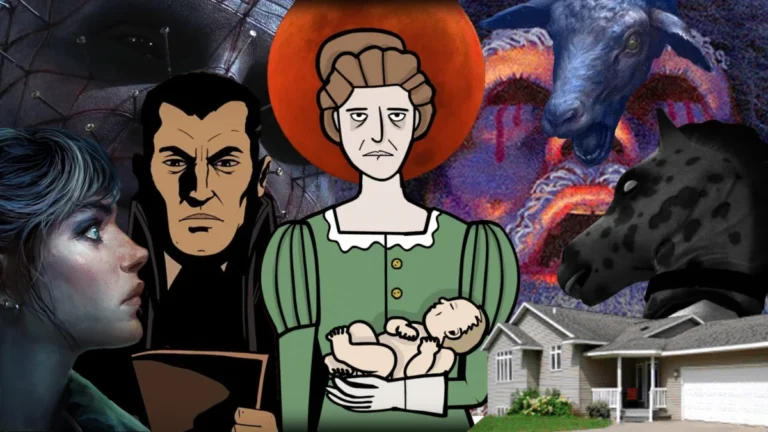


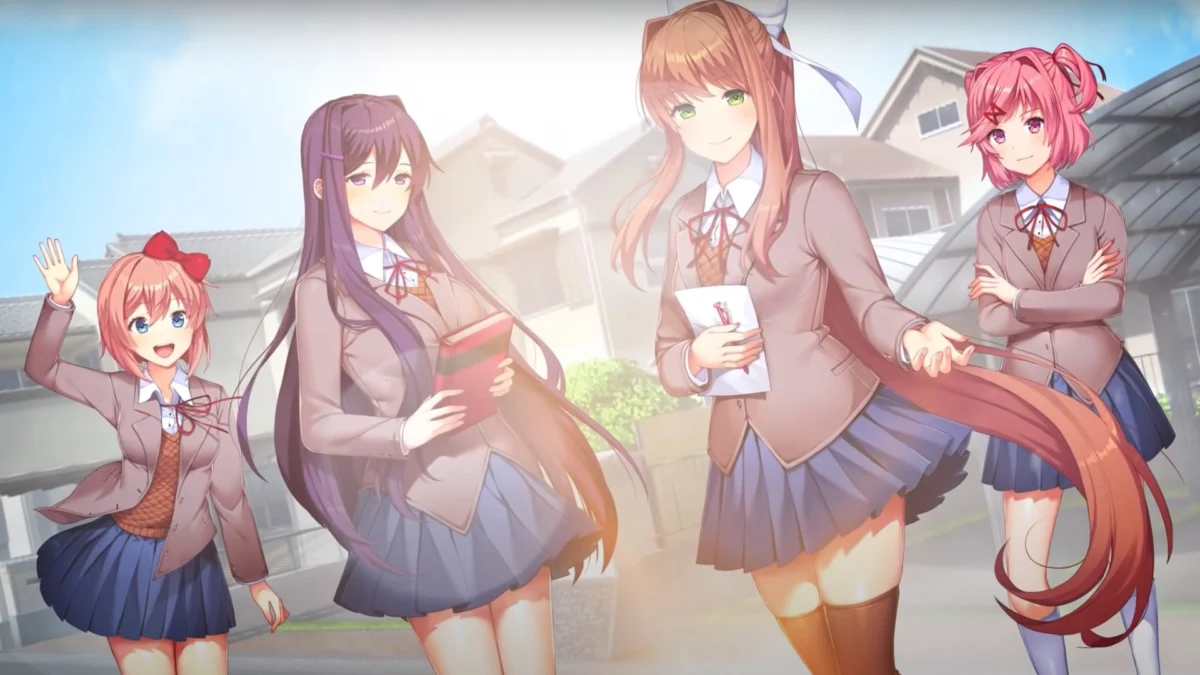
The digital landscape for mobile gaming experienced a significant shift this week as Google officially removed the critically acclaimed psychological horror title, Doki Doki Literature Club (DDLC), from the Google Play Store. The removal, which took place in early April 2026, follows a determination by Google that the game’s content violates its Terms of Service, specifically regarding the depiction of sensitive themes. While the game remains available on the Apple App Store and various PC and console platforms, its disappearance from the Android ecosystem has sparked a renewed debate regarding platform gatekeeping, the nuances of content moderation, and the portrayal of mental health in interactive media.
Developed by Team Salvato and published for mobile platforms by Serenity Forge, Doki Doki Literature Club has long been a lightning rod for discussion within the gaming community. Originally released as a free-to-play title for PC in 2017, the game subverts the tropes of the "dating simulator" genre, transitioning from a lighthearted school-based visual novel into a dark, meta-fictional horror experience. Despite its colorful aesthetic and anime-style character designs, the game is renowned for its intense exploration of depression, anxiety, and self-harm—themes that have now brought it into direct conflict with Google’s increasingly stringent mobile distribution policies.
A Chronology of the Doki Doki Literature Club Phenomenon
To understand the weight of the current removal, it is necessary to examine the trajectory of the title over the past decade. Doki Doki Literature Club first appeared on the indie scene in September 2017. Created by Dan Salvato, the game was a surprise hit, garnering millions of downloads within months due to its innovative use of file-manipulation mechanics and its "fourth-wall-breaking" narrative.
By 2021, the game’s success led to the release of Doki Doki Literature Club Plus!, an expanded version featuring high-definition visuals and additional side stories. This version solidified the game’s status as a cult classic, eventually reaching a milestone of over 30 million players across all platforms. The demand for a mobile version remained high for years, leading to the eventual announcement and launch of the official iOS and Android ports in December 2025.
The mobile launch was initially seen as a triumph for Serenity Forge and Team Salvato, bringing the experience to a massive audience that prefers handheld gaming. However, the tenure of the game on the Google Play Store lasted less than five months. On April 9, 2026, the developers received notification that the app had been delisted. According to the joint statement from Team Salvato and Serenity Forge, Google’s primary justification centered on the game’s "depiction of sensitive themes," a broad category in Google’s developer policy that often covers depictions of self-harm, suicide, and extreme psychological distress.
The Intersection of Content Warnings and Platform Policies
One of the central points of contention in the game’s removal is the presence of explicit content warnings. Since its inception, Doki Doki Literature Club has been proactive in its disclosure of mature themes. The game begins with a prominent disclaimer stating, "This game is not suitable for children or those who are easily disturbed." Furthermore, the mobile store descriptions and the game’s introductory screens require players to acknowledge the presence of psychological horror and sensitive subject matter before proceeding.
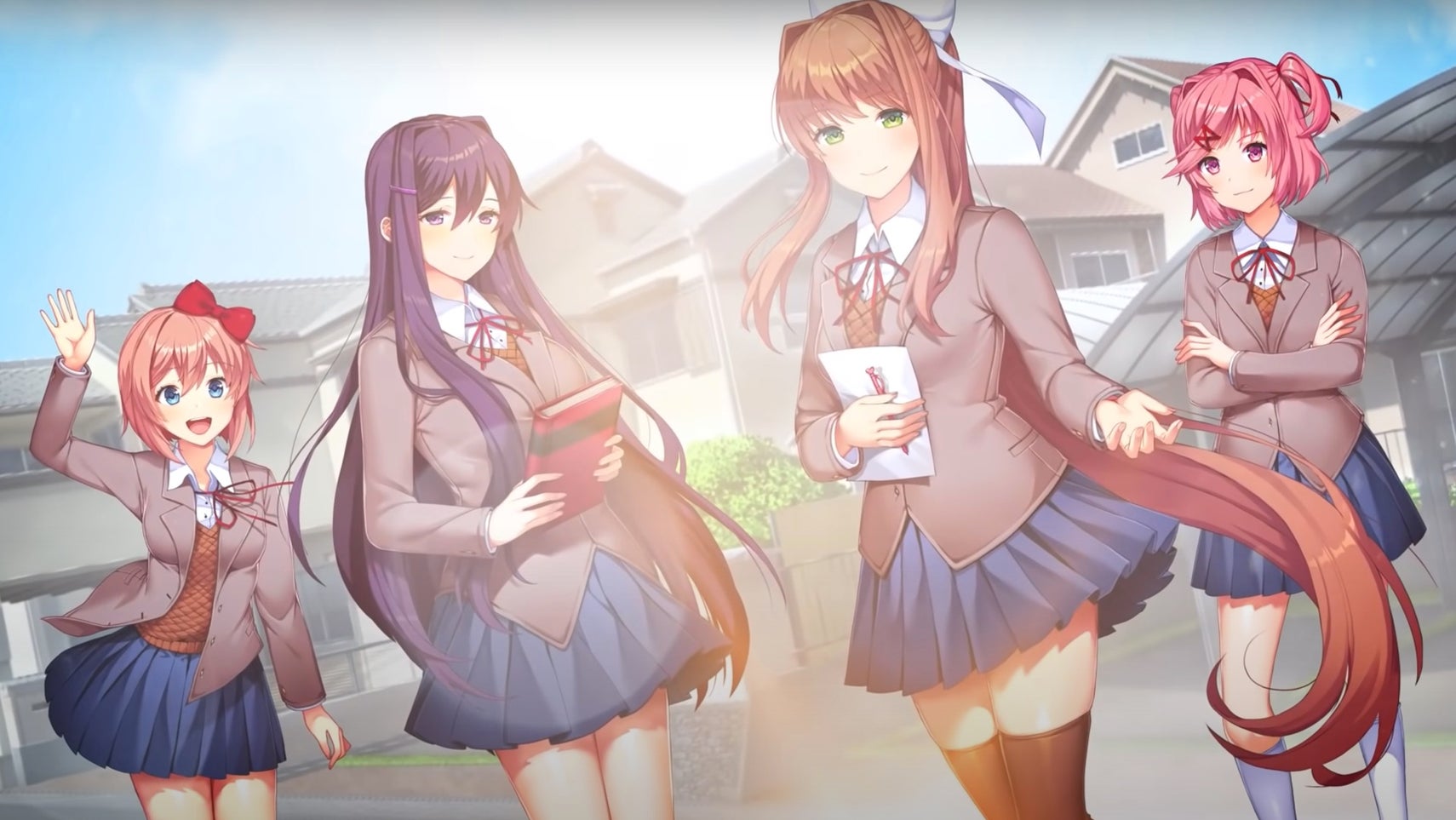
Google’s "Sensitive Events" and "User-Generated Content" policies, however, often override developer-led warnings if the platform deems the content itself to be inherently violative. In recent years, Google has tightened its oversight of the Play Store to comply with evolving international regulations regarding digital safety for minors. This has led to a more "blanket" approach to content moderation, where games that depict certain taboo subjects—regardless of their artistic intent or the presence of age-gating—are flagged for removal.
Industry analysts suggest that the "meta" nature of DDLC may have also contributed to the flagging. The game simulates system errors and "glitches" that can appear to a casual observer (or an automated moderation bot) as a security risk or a malfunction of the device’s operating system. When combined with the heavy narrative themes, the title presents a unique challenge for standard automated review processes.
Official Responses from Team Salvato and Serenity Forge
In the wake of the delisting, Dan Salvato and the team at Serenity Forge issued a comprehensive statement addressing the situation and their commitment to the Android user base. The statement emphasized the positive impact the game has had on players struggling with their own mental health challenges.
"DDLC is widely celebrated for portraying mental health in a way that meaningfully connects deeply with players around the world, helping them feel heard, understood, and less alone on their journey," the developers stated. They argued that the power of fiction to connect with individuals in need of emotional resonance is a core component of the game’s identity.
The developers expressed disappointment that Google’s interpretation of "sensitive themes" did not account for the context in which those themes are presented. Salvato noted that the team is "continuing to do everything we can to find a path forward for getting DDLC reinstated on the Google Play Store." This includes ongoing negotiations with Google’s policy review team to determine if specific modifications to the mobile version could bring it back into compliance without compromising the narrative integrity of the work.
Comparative Platform Standards: Android vs. iOS
The removal highlights a growing disparity between how major mobile platforms handle mature content. As of this writing, Doki Doki Literature Club remains available for download on the Apple App Store. Apple, which is often criticized for its "walled garden" approach and strict censorship of certain types of content (such as adult-oriented material), has apparently found DDLC’s psychological horror elements to be within the bounds of its entertainment guidelines, provided the appropriate age ratings are maintained.
This discrepancy places Android users in a difficult position. While Android is historically known as the more "open" platform, the Google Play Store serves as the primary—and for many, the only—source of applications. The removal of a high-profile, award-winning title like DDLC suggests that Google may be moving toward a more conservative content baseline than its competitors in the mobile space.

For users who already purchased or downloaded the game on Android, the app may remain functional on their devices, but they will no longer receive updates, and new users are barred from acquiring the game through official channels. This has led the developers to explore "potential options for alternate methods of distribution on Android devices," which likely refers to hosting the APK (Android Package Kit) on their own websites or third-party indie stores like Itch.io.
Broader Implications for Indie Developers and Digital Art
The removal of Doki Doki Literature Club is more than just a hurdle for one specific title; it serves as a cautionary tale for indie developers working with mature or challenging themes. If a game with 30 million players and a decade of critical acclaim can be removed overnight due to shifting policy interpretations, smaller developers may feel pressured to self-censor their work to ensure platform stability.
Psychological horror, by its very nature, seeks to unsettle the audience. When digital storefronts equate "unsettling" with "violating," the medium of mobile gaming risks losing its depth as a storytelling platform. Critics of Google’s decision argue that the platform should rely on robust age-verification tools rather than outright bans, allowing adult audiences to access mature content while protecting younger users.
Furthermore, the "sensitive themes" cited by Google are often the very elements that make DDLC a vital piece of media for its fans. By depicting characters who struggle with internal demons, the game provides a space for dialogue about issues that are often stigmatized in society. The developers’ assertion that the game helps players feel "less alone" is backed by years of community testimonials and academic discussions regarding the game’s impact on the visual novel genre.
Looking Ahead: The Path to Reinstatement
As the situation evolves, the focus remains on whether a compromise can be reached. Serenity Forge has indicated that they are exploring every available avenue to restore the game to the Play Store. This process can be arduous, often requiring multiple rounds of appeals and potential changes to the game’s metadata, icons, or even specific scenes that may have triggered the violation.
In the interim, the Doki Doki Literature Club community has rallied behind the developers, using social media platforms to express their support and share their experiences with the game. The incident has also reignited interest in the title on other platforms, as players seek to preserve a piece of gaming history that currently faces a digital "blackout" on the world’s most popular mobile operating system.
The resolution of this conflict will likely set a precedent for how Google handles other high-profile narrative games in the future. Whether Google will provide a clearer definition of what constitutes a "violation" in the context of psychological horror remains to be seen. For now, the literature club’s doors remain closed to new Android members, leaving a significant gap in the platform’s library of independent art.