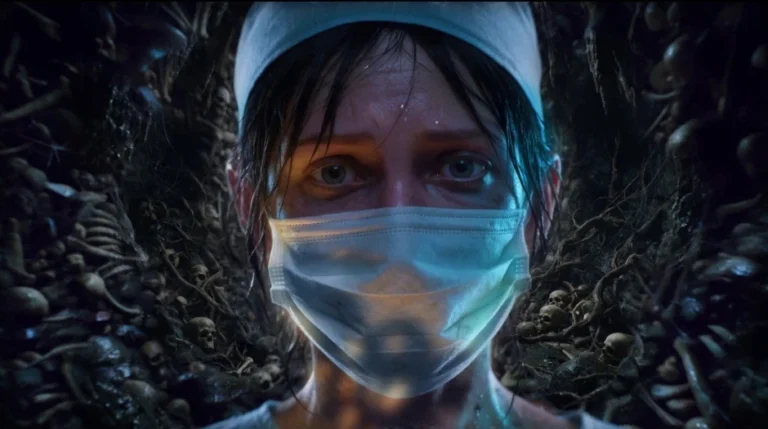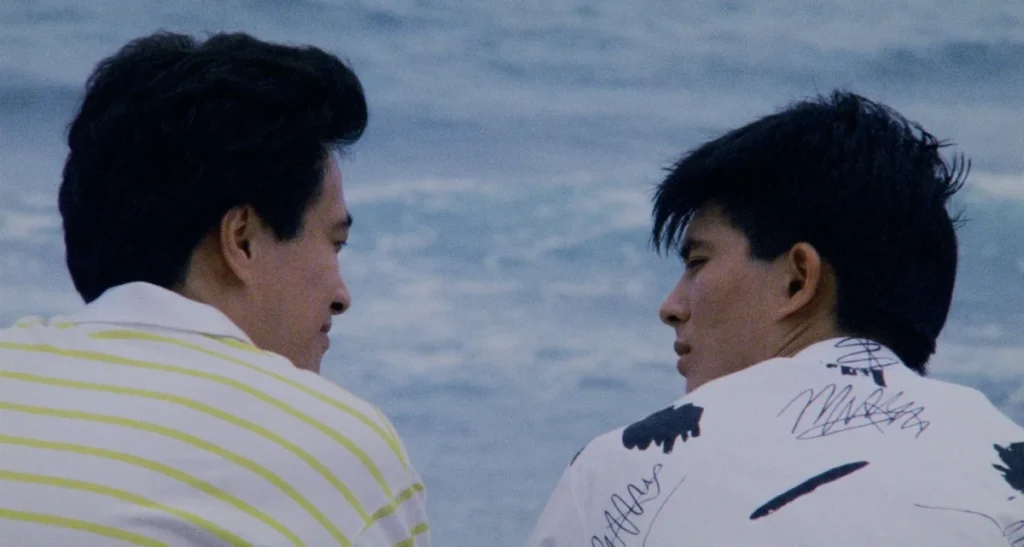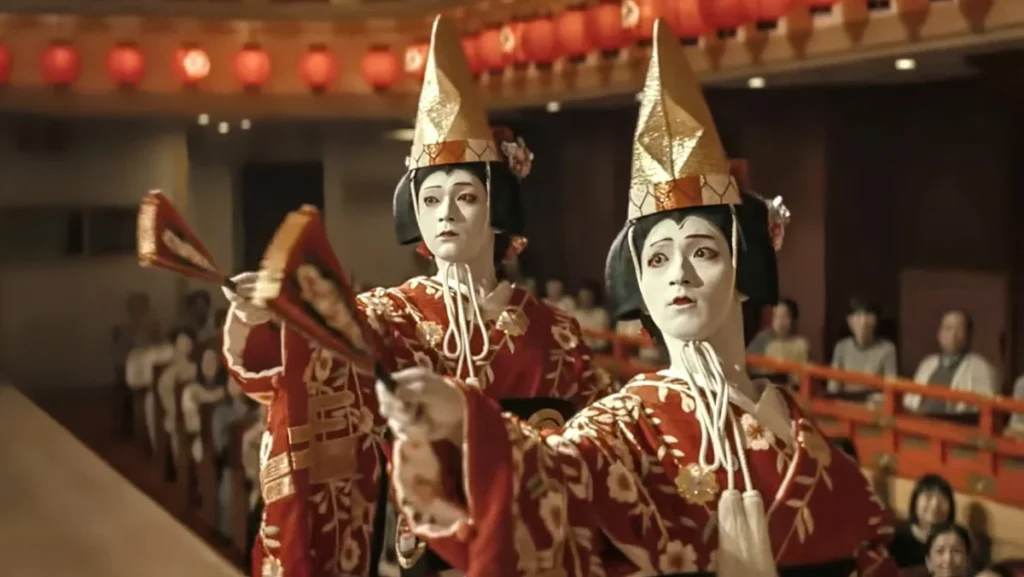

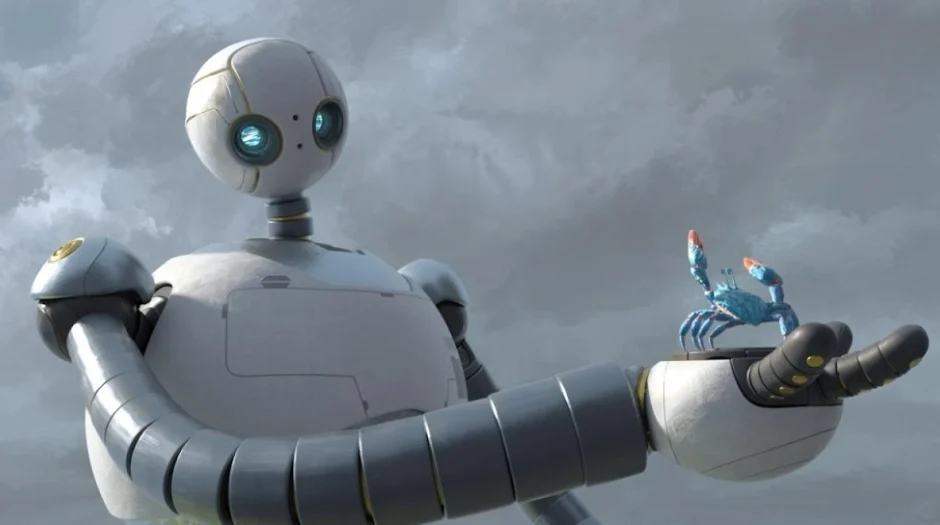
MoonRay, the sophisticated open-source path-tracing renderer meticulously developed by DreamWorks Animation, has officially become a hosted project under the esteemed Academy Software Foundation (ASWF). This significant integration marks a pivotal moment for the visual effects and animation industries, promising to accelerate innovation and foster a more collaborative environment for digital content creation. The renderer, a cornerstone of DreamWorks Animation’s technological pipeline since 2019, has been instrumental in bringing to life some of the studio’s most visually stunning and critically acclaimed feature films, including the How to Train Your Dragon saga, The Bad Guys, Puss in Boots: The Last Wish, Kung Fu Panda 4, and the upcoming The Wild Robot. Its adoption by the ASWF signifies a profound commitment to open-source principles and a desire to empower a broader community of artists and developers.
A Legacy of Innovation and a Future of Collaboration
The journey of MoonRay from a proprietary studio tool to a foundational open-source project is a testament to DreamWorks Animation’s dedication to advancing the art and science of animation. As Chief Technology Officer Bill Ballew articulated, "MoonRay was built on a DreamWorks Animation legacy of producing stunning visuals, and moving the project to the ASWF is the natural next step in its evolution." This transition is not merely a handover of technology; it represents an invitation to the global creative community to participate in its ongoing development. The ASWF, an initiative born from the collaboration between the Academy of Motion Picture Arts and Sciences and the Linux Foundation, provides a neutral and robust platform for such endeavors, aiming to serve as a central hub for open-source software in the media and entertainment sectors.
MoonRay’s architecture is designed with a keen focus on efficiency and scalability, incorporating modern features that empower artists with unparalleled creative freedom. Its ability to produce a diverse spectrum of visual aesthetics, ranging from hyperrealism to highly stylized interpretations, combined with a comprehensive library of production-tested, physically based materials, positions it as a powerful tool for a wide array of creative visions. The renderer’s cutting-edge, highly scalable framework, built without legacy code constraints, facilitates rapid artistic iteration while maintaining feature-film quality output, making it an attractive proposition for studios and individual artists alike.

Key Features and Technical Prowess
The technical capabilities of MoonRay are extensive, designed to meet the demanding requirements of modern feature film production. Among its high-performance features are robust support for distributed rendering, enabling complex scenes to be rendered across multiple machines efficiently. Furthermore, its innovative XPU (eXtended Processing Unit) mode offers significant performance enhancements by processing bundles of rays concurrently on both the GPU and CPU. This hybrid approach optimizes rendering times without compromising visual fidelity. The inclusion of bundled path tracing further streamlines the rendering process, delivering high-quality results with greater speed.
A crucial aspect of MoonRay’s integration into the broader industry ecosystem is its USD (Universal Scene Description) Hydra Render Delegate. This allows for seamless integration into content creation pipelines that adhere to the OpenUSD standard, a collaborative effort led by Pixar Animation Studios to create an open-source ecosystem for 3D scene description and interoperability. This integration is vital for fostering a connected and efficient workflow across different software applications and studios. For a comprehensive overview of MoonRay’s technical specifications and capabilities, interested parties can refer to the project’s dedicated website at openmoonray.org/about.
Impact on the Creative Landscape
The implications of MoonRay’s open-sourcing under the ASWF are far-reaching. For visual effects supervisors and filmmakers, this development promises greater access to advanced rendering technology, potentially democratizing high-end visual creation. Jeff Budsberg, Visual Effects Supervisor on The Wild Robot, highlighted MoonRay’s significance: "MoonRay has been integral to helping us achieve the full scope of our creative ambitions at DreamWorks. By facilitating stylization directly out of the renderer, it provides filmmakers with the freedom to achieve diverse art styles – from graphic novel and ornate fantasy to a loose painterly aesthetic or digital futurism – without being limited to existing looks." This freedom to experiment with diverse artistic styles directly within the rendering pipeline is a significant boon for creative exploration and pushes the boundaries of what is visually achievable.

By making MoonRay available to the wider industry, DreamWorks Animation is not only contributing a powerful tool but also fostering an environment where collective innovation can flourish. The ASWF, with its mission to support open-source software development for the media and entertainment industries, provides the ideal stewardship for this initiative. David Morin, Executive Director of the Academy Software Foundation, expressed his enthusiasm, stating, "Some of the most beautiful animated movies of our time have been rendered with MoonRay. We are grateful to DreamWorks Animation for contributing MoonRay to the open source community, and honored to provide the platform for its collaborative development moving forward."
A Collaborative Ecosystem: ASWF’s Role
MoonRay joins a robust portfolio of over 20 existing ASWF projects, including foundational technologies such as OpenColorIO (color management), OpenEXR (high dynamic range image file format), OpenVDB (volumetric data storage and manipulation), OpenTimelineIO (editing timeline interoperability), and Open Shading Language (GPU-accelerated shading). This existing ecosystem of open-source tools creates a synergistic environment where MoonRay can seamlessly integrate and contribute to a more unified and efficient production pipeline for the entire industry.
The ASWF’s role extends beyond merely hosting projects; it actively facilitates collaboration, provides governance, and encourages community engagement. DreamWorks Animation will continue to provide ongoing support and dedicated engineering resources to MoonRay, ensuring its continued evolution and maintenance. Developers interested in contributing to MoonRay or learning more about its technical intricacies are encouraged to visit openmoonray.org and join the project’s dedicated Slack channel through the ASWF Slack workspace (slack.aswf.io). This open invitation to participate underscores the ASWF’s commitment to a truly collaborative development model.
Looking Ahead: Keynote and Future Opportunities

The significance of this integration will be further underscored at the upcoming ASWF Open Source Days, scheduled to take place from July 19-20, 2026, in Los Angeles. Coinciding with the SIGGRAPH 2026 Conference, this annual event is dedicated to showcasing and advancing open-source software for visual effects, animation, and digital content creation. Bill Ballew, DreamWorks Animation’s CTO, is slated to deliver the keynote address, titled "How to Train Your Renderer: MoonRay’s Journey from DreamWorks’ Dragons to the ASWF." His presentation is expected to delve into the technical challenges and strategic decisions involved in transitioning a critical studio technology to an open-source model, offering valuable insights into community building and sustainable development.
Ballew’s keynote will explore the intricate process of "breaking out" a proprietary tool from a studio environment, the strategies employed to cultivate a thriving open-source community, and the crucial role the ASWF plays in guiding the project’s future trajectory. This address is anticipated to be a key event for developers, technical directors, and artists eager to understand the intricacies of open-source adoption in high-stakes production environments.
Furthermore, the ASWF has opened its Call for Proposals for ASWF Open Source Days 2026, with submissions due by May 24, 2026. The foundation actively encourages engineers, technical directors, artists, and all professionals involved in open-source software for visual effects, animation, and digital content creation to submit their proposals, fostering a vibrant exchange of ideas and innovations.
A Foundation for the Future of Digital Creation
The Academy Software Foundation, a collaborative effort between the Academy of Motion Picture Arts and Sciences and the Linux Foundation, was established with the clear objective of providing a central nexus for open-source software developers within the motion picture and broader media industries. Its mission is to facilitate resource sharing and foster collaboration on the technologies that underpin image creation, visual effects, animation, and sound. With 21 active projects and four working groups, the ASWF has become a vital institution in the advancement of open-source technologies that drive the global media landscape. The integration of MoonRay signifies a substantial expansion of its capabilities and a testament to its growing influence in shaping the future of digital content creation. This move by DreamWorks Animation not only benefits the visual effects industry by providing access to a powerful and versatile rendering engine but also reinforces the ASWF’s position as a critical enabler of innovation and collaboration in the digital realm.