


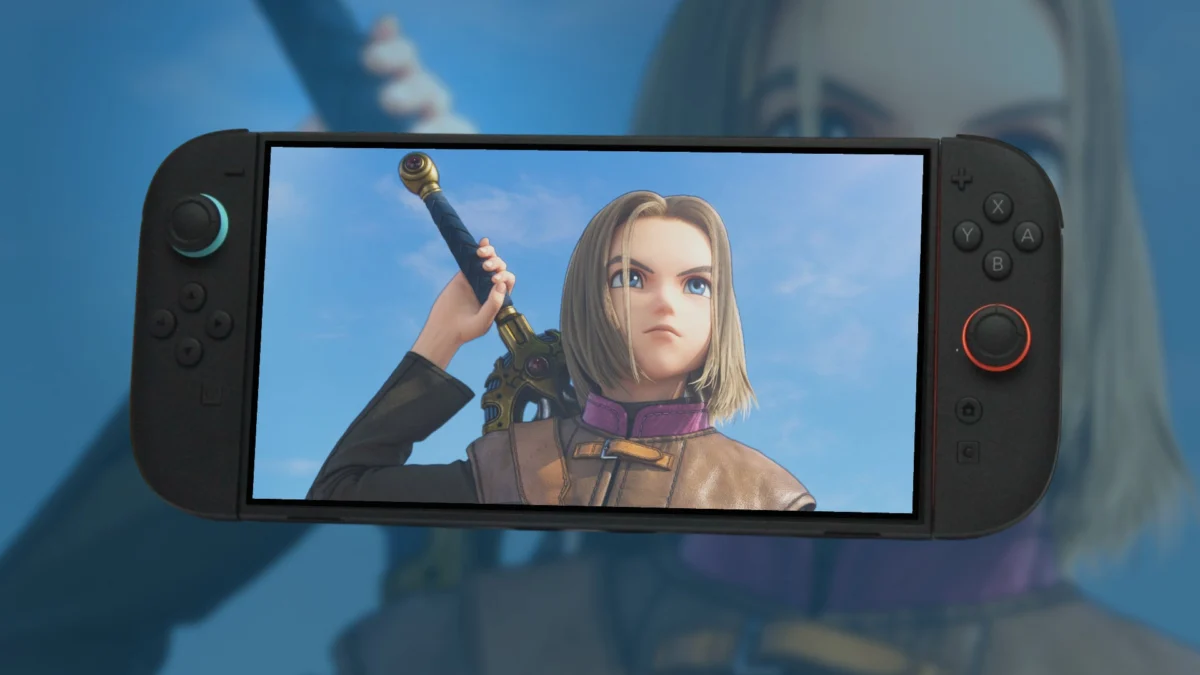
The global gaming community has received its most concrete indication yet of Square Enix’s software plans for Nintendo’s upcoming hardware, following a classification filing by the Taiwan Digital Game Rating Committee. On April 29, 2024, a rating for Dragon Quest XI S: Echoes of an Elusive Age – Definitive Edition appeared in the board’s public database, specifically listing the platform as the successor to the current Nintendo Switch. This development aligns with recent industry murmurs regarding Square Enix’s commitment to porting its high-profile back catalog to more powerful hardware, while simultaneously fueling anticipation for the long-awaited next chapter in the storied role-playing franchise.
The Taiwanese ratings board has established a reputation within the industry as a precursor to official announcements, often inadvertently revealing titles months before their formal unveilings. Notable precedents include the early exposure of Starfield for new platforms, the reveal of Crash Bandicoot 4: It’s About Time, and the Western localization of The Great Ace Attorney Chronicles. Given the specificity of the Dragon Quest XI S listing, analysts view this as a definitive confirmation that Square Enix is optimizing its flagship JRPG for Nintendo’s next-generation architecture.
A Legacy of Iteration: The Evolution of Dragon Quest XI
Dragon Quest XI: Echoes of an Elusive Age has undergone one of the most complex release cycles in modern gaming history. Originally launched in 2017 in Japan for the PlayStation 4 and Nintendo 3DS, the game utilized two entirely different engines to cater to the disparate capabilities of the hardware. While the PlayStation 4 version boasted high-fidelity visuals powered by Unreal Engine 4, the 3DS version offered a unique dual-screen experience featuring both 3D graphics and a classic 16-bit 2D sprite mode.
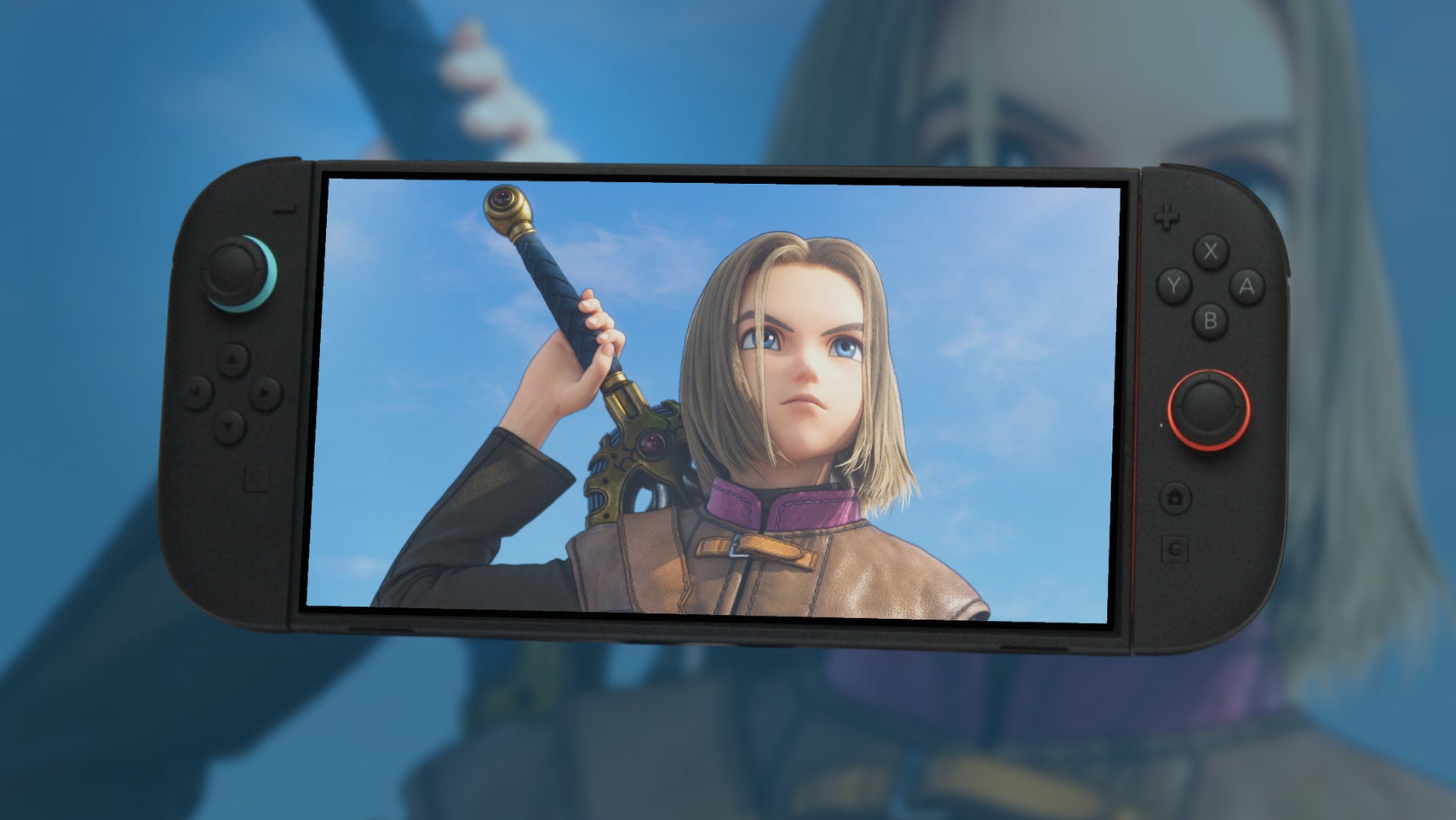
When the title eventually migrated to the Nintendo Switch in 2019 as the "S" edition, it was marketed as the "Definitive Edition." This version was a technical marvel of optimization, bringing the high-fidelity assets of the PlayStation 4 version to Nintendo’s hybrid handheld, albeit with necessary compromises in resolution, lighting, and texture quality. To compensate for these technical hurdles, Square Enix added a wealth of content, including:
- Fully Orchestrated Soundtrack: Replacing the controversial synthesized midi-tracks of the original release.
- Expanded Narrative: New character-specific story arcs that bridged the gap between the game’s major acts.
- Retro 2D Mode: Incorporating the 16-bit gameplay style originally exclusive to the Japanese 3DS version.
- Quality-of-Life Improvements: Such as an "Ultra-Fast" battle speed and the ability to summon mounts anywhere in the overworld.
The subsequent porting of this "S" version back to PlayStation 4, Xbox One, and PC in 2020 created a unique situation where the "Definitive" version of the game actually featured lower-polygon models and simplified lighting compared to the original 2017 non-S release. A Nintendo Switch 2 version represents an opportunity for Square Enix to finally marry the mechanical improvements of the Definitive Edition with the visual fidelity—or perhaps even superior assets—of the original high-end release.
Technical Implications for Nintendo Switch 2
While Nintendo has yet to officially detail the specifications of its next console, widespread reports from supply chain analysts and developers suggest a significant leap in processing power. The "Switch 2" is rumored to feature an Nvidia chipset capable of supporting DLSS (Deep Learning Super Sampling), which would allow the system to upscale lower-resolution images to 4K quality with minimal performance overhead.
For a title like Dragon Quest XI S, which struggled to maintain a consistent 720p resolution in handheld mode on the current Switch, the new hardware could offer a transformative experience. Industry experts anticipate that a next-gen port would feature:

- Enhanced Visual Fidelity: Reintroducing high-resolution textures and complex lighting systems that were stripped from the 2019 Switch port.
- Stable Performance: A locked 60 frames-per-second (FPS) experience, a significant upgrade over the 30 FPS cap found on current consoles.
- Reduced Load Times: Utilizing modern storage solutions to eliminate the lengthy transitions between the game’s sprawling open zones and dense urban environments.
Square Enix’s Strategic Shift Toward Multi-Platform Accessibility
The appearance of Dragon Quest XI S on a next-generation Nintendo platform coincides with a broader strategic pivot within Square Enix. Under the leadership of CEO Takashi Kiryu, the company has signaled a move away from aggressive platform exclusivity in favor of a "multi-platform" approach. This shift is intended to maximize the reach of their major intellectual properties following the varied commercial performances of recent exclusives.
Reports have circulated that Square Enix is also preparing a port of Final Fantasy VII Rebirth for the Nintendo Switch successor. By bringing both Final Fantasy and Dragon Quest—the two pillars of the JRPG genre—to Nintendo’s new ecosystem early in its lifecycle, Square Enix aims to secure a dominant position in the handheld and hybrid market. Dragon Quest XI S, which has already sold over 6.5 million copies globally as of 2021, remains a potent evergreen title capable of driving hardware adoption among RPG enthusiasts.
The Dragon Quest XII Connection and The "Flames of Fate"
The timing of this rating is particularly significant given the current status of Dragon Quest XII: The Flames of Fate. Announced during the series’ 35th-anniversary livestream in May 2021, the twelfth entry was described by series creator Yuji Horii as a "darker, more adult" take on the franchise. It is confirmed to be in development using Unreal Engine 5 and will feature a revamped command-battle system.
However, since that initial teaser three years ago, official updates have been scarce. In 2023, Horii took to social media to reassure fans that the project was still progressing, acknowledging the challenges of developing a title of such massive scale. The industry consensus is that Dragon Quest XII is being built primarily for next-generation hardware, including the Switch 2.

The release of an enhanced Dragon Quest XI S on the new console could serve multiple purposes for Square Enix:
- Market Priming: Reintroducing the franchise to the Nintendo audience on new hardware to build momentum for the sequel.
- Development Testing: Using the porting process of Dragon Quest XI S as a "litmus test" for optimizing the engine and toolsets for the Switch 2’s specific architecture before the launch of Dragon Quest XII.
- Revenue Bridge: Generating steady income during the lengthy development cycle of the next mainline entry.
Anticipation for Dragon Quest Day 2024
Fans and analysts are now looking toward May 27, 2024, known globally as "Dragon Quest Day." This annual celebration commemorates the release of the original Dragon Quest in Japan on May 27, 1986. Historically, Square Enix utilizes this date to provide updates on the franchise, ranging from mobile game collaborations to major console announcements.
Given the April 29 rating leak, there is a strong possibility that Square Enix will officially announce the Switch 2 version of Dragon Quest XI S during this year’s festivities. Furthermore, expectations are high for a new trailer or release window for Dragon Quest XII, as well as updates on the HD-2D remake of Dragon Quest III, which has also been largely absent from the public eye since its 2021 reveal.
Broader Impact on the Gaming Landscape
The classification of Dragon Quest XI S for the Switch 2 is more than just a single game port; it is a harbinger of the transition between console generations. It confirms that third-party publishers are already deep into the process of categorizing and preparing their libraries for Nintendo’s next move.

As the industry moves toward more powerful portable hardware, the "definitive" way to play classic titles is shifting. For Dragon Quest XI S, a game that celebrates the history of the genre while pushing it forward, a move to the Switch 2 represents the final step in its long journey—a version that finally requires no compromises, offering the best of both the visual and mechanical worlds.
Square Enix has not yet responded to requests for comment regarding the Taiwanese rating. However, the documentation remains public, standing as a silent confirmation of the enduring legacy of the Luminary and the bright future of the Dragon Quest franchise on next-generation platforms. Professional circles suggest that while the wait for Dragon Quest XII continues, this enhanced port will provide the perfect bridge for veterans and newcomers alike to experience one of the greatest role-playing games of the modern era in its most polished form to date.