


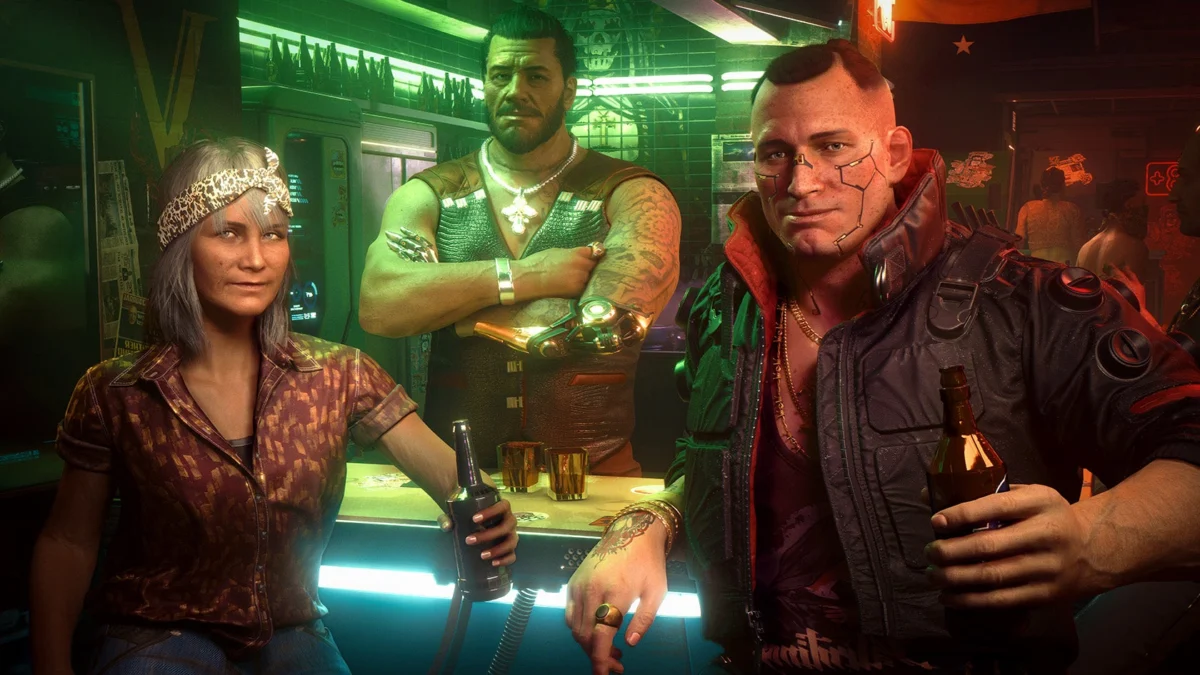
Michał Nowakowski, joint-CEO of CD Projekt Red, framed the achievement as a validation of the studio’s long-term commitment to its intellectual properties. Nowakowski noted that the 40 million sales figure serves as a testament to the company’s ability to create immersive, high-quality narratives that resonate with players over several years. He further emphasized that this success provides a robust foundation for the studio’s expanding "Cyberpunk" universe, which currently includes a high-profile anime sequel and an upcoming high-budget video game successor.
A Chronology of Recovery: From Volatility to Stability
To understand the weight of the 40-million-sales milestone, one must look at the historical trajectory of Cyberpunk 2077. Released in December 2020, the game initially faced severe criticism regarding its technical performance, particularly on last-generation consoles like the PlayStation 4 and Xbox One. The fallout was so significant that Sony Interactive Entertainment took the unprecedented step of removing the game from the PlayStation Store for several months, while CD Projekt Red issued widespread refunds.
However, the period between 2021 and 2024 has been defined by a meticulous "redemption arc" facilitated by consistent post-launch support. The studio’s strategy shifted from damage control to comprehensive evolution. Key milestones in this timeline include:
- The Next-Gen Update (February 2022): The release of Version 1.5 brought native support for PlayStation 5 and Xbox Series X/S, introducing technical stability and graphical fidelity that matched the original vision for the game.
- The Edgerunners Effect (September 2022): The debut of the Netflix anime series Cyberpunk: Edgerunners sparked a massive resurgence in player interest. The "transmedia" synergy proved highly effective, bringing millions of new players to the game who were drawn in by the show’s aesthetic and narrative.
- The 2.0 Overhaul and Phantom Liberty (September 2023): Perhaps the most critical juncture was the release of the Phantom Liberty expansion alongside the free 2.0 systems update. This update fundamentally redesigned the game’s core mechanics, including the perk system, police AI, and vehicle combat, effectively transforming Cyberpunk 2077 into the product many had expected at launch.
- Platform Expansion (2023-2024): The arrival of the game on the Nintendo Switch 2 and specialized hardware updates, such as the PlayStation 5 Pro patch, ensured the game remained at the cutting edge of consumer technology.
Data Analysis: Driving the 40 Million Surge
The jump from 35 million to 40 million sales can be attributed to several converging factors. Primary among these is the aggressive discounting strategy employed by CD Projekt Red on digital storefronts. On platforms like Steam, Cyberpunk 2077 has frequently been featured at 70 percent off, lowering the barrier to entry for cautious consumers who may have avoided the title during its earlier years.
Furthermore, the expansion of the game’s footprint into the Nintendo ecosystem via the Switch 2 has opened a previously untapped market. While the original hardware could not support the game’s demanding REDengine, the increased specifications of the successor console allowed for a competent port that appealed to a massive handheld audience.
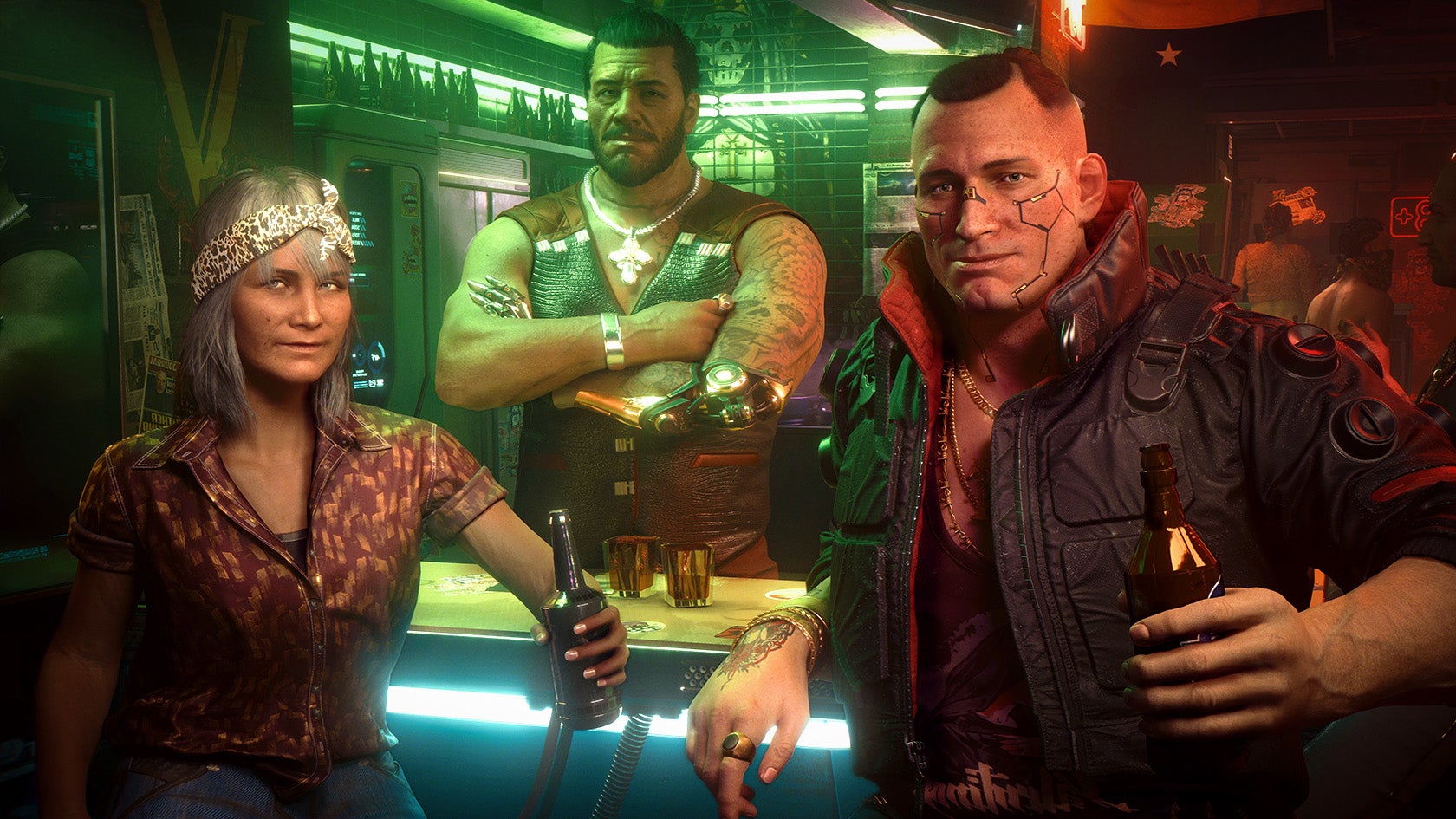
Technological benchmarking has also played a role in maintaining the game’s relevance. Digital Foundry’s recent analysis of the PlayStation 5 Pro update highlighted significant upgrades in ray-tracing and performance, positioning Cyberpunk 2077 as a "must-have" title for early adopters of new hardware. By positioning the game as a graphical showcase for every new iteration of hardware, CD Projekt Red has ensured that the title remains a standard benchmark in the gaming community.
Multimedia Synergy and Brand Expansion
The success of Cyberpunk 2077 is no longer tethered solely to the interactive medium. The "Cyberpunk" brand has evolved into a multi-pronged entertainment franchise. A central pillar of this expansion is the partnership with Studio Trigger and Netflix. Following the critical and commercial success of the first season of Edgerunners, CD Projekt Red has confirmed that a second season—Cyberpunk: Edgerunners 2—is scheduled for release this fall.
In addition to animation, the franchise has seen record-breaking success in the tabletop and physical gaming sectors. A recently launched Kickstarter campaign for a Cyberpunk 2077 trading card game shattered crowdfunding records, demonstrating the depth of the fan base’s engagement with the lore of Night City. This diversification of revenue streams and engagement points has created a self-sustaining ecosystem where one medium drives sales in another.
Corporate Restructuring and the Shift to Unreal Engine 5
The sales milestone coincides with a period of significant internal transformation at CD Projekt Red. The company recently underwent a formal rebranding, consolidating its identity under the "CD Projekt Red" banner. Historically, CD Projekt served as the parent company for various arms, including the GOG distribution platform and the Red development studio. With a renewed focus on its core competency—game development—the company has streamlined its operations to prioritize its massive upcoming slate.
One of the most consequential shifts is the abandonment of the proprietary REDengine in favor of Epic Games’ Unreal Engine 5 for future projects. While REDengine powered the visual marvels of The Witcher 3 and Cyberpunk 2077, the transition to Unreal Engine 5 is intended to streamline development pipelines and facilitate easier collaboration across the studio’s global offices. This move is seen as a strategic play to avoid the technical hurdles that plagued the launch of Cyberpunk 2077.
Future Projects: Project Orion and the Witcher Universe
With Cyberpunk 2077 now established as a financial juggernaut, attention is turning to the future of the IP. CD Projekt Red has confirmed that a sequel, codenamed Project Orion, is currently in the early stages of development. Crucially, the development of the Cyberpunk franchise has been moved to a newly established hub in Boston, Massachusetts. This North American studio is intended to tap into a different talent pool and bring a fresh perspective to the series, which explores themes deeply rooted in Western cyberpunk literature and philosophy.

Simultaneously, the studio’s headquarters in Poland remains focused on the "Witcher" franchise. Work is well underway on The Witcher 4 (Project Polaris), which will kick off a new trilogy for the series. In an unexpected move, the studio also announced Songs of the Past, an expansion for the nearly decade-old The Witcher 3: Wild Hunt. This expansion strategy suggests that CD Projekt Red intends to treat its major titles as long-term platforms rather than one-off releases.
Industry Implications and the "Long-Tail" Sales Model
The 40-million-unit success of Cyberpunk 2077 offers a compelling case study for the modern video game industry. It challenges the traditional industry wisdom that a game’s success is determined solely by its launch window. In an era of "games as a service" and digital distribution, the "long-tail" sales model—where a game continues to sell millions of copies years after release through updates, expansions, and transmedia support—has proven to be a viable path to profitability.
For CD Projekt Red, the financial health granted by these sales is vital. The studio remains one of the few large-scale AAA developers that remains independent and self-published. The revenue generated by Cyberpunk 2077 and The Witcher 3 (which sits at 65 million units) provides the capital necessary to fund multiple concurrent high-budget projects without relying on the immediate oversight of external publishers.
As the studio prepares for the release of Edgerunners 2 and continues the pre-production of Project Orion, the 40-million-sales mark serves as more than just a number; it is a symbol of the studio’s resilience. By refusing to abandon a flawed product and instead investing years into its refinement, CD Projekt Red has managed to turn a potential corporate catastrophe into one of the industry’s most enduring success stories. Night City, it seems, will remain a primary destination for gamers for many years to come.