


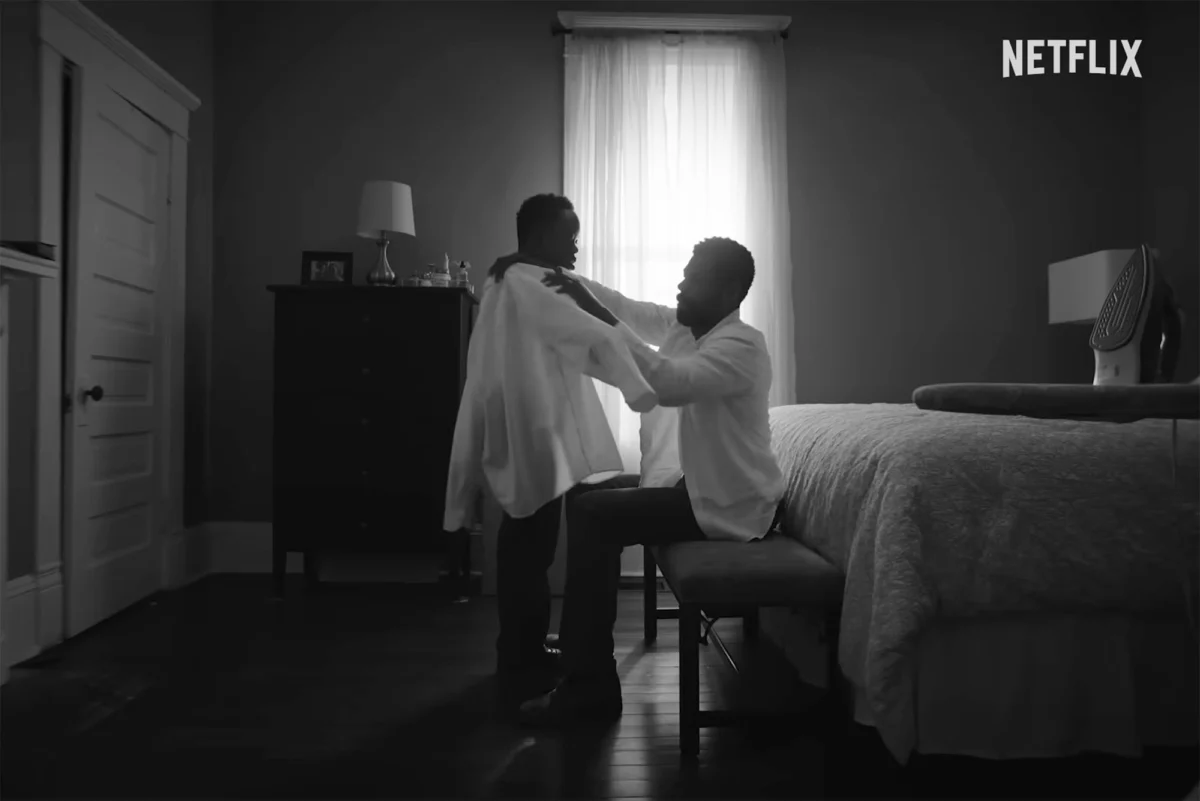
The eagerly anticipated independent drama, Color Book, from first-time feature director David Fortune, is slated for a worldwide streaming release on Netflix on June 19, 2026, two years after its acclaimed premiere at the 2024 Tribeca Film Festival. This emotionally resonant film, which earned significant buzz during its festival run, stars William Catlett as Lucky, a newly widowed father, and Jeremiah Alexander Daniels as his son, Mason, who has Down syndrome, in a poignant narrative exploring themes of grief, resilience, and the unbreakable bond between parent and child. The announcement from Netflix underscores the streaming giant’s continued investment in diverse, character-driven independent cinema, bringing a film lauded for its authenticity and raw emotional power to a global audience.
A Director’s Vision: David Fortune’s Feature Debut
David Fortune, a name previously recognized within independent film circles for his compelling short-form work, marks a significant career milestone with Color Book. His transition from crafting concise narratives to helming a full-length feature has been met with critical approval, signaling the arrival of a distinctive new voice in cinema. Fortune’s prior shorts, often characterized by their intimate storytelling and focus on human connection amidst adversity, laid the groundwork for the thematic depth and emotional sensitivity evident in Color Book. Filmmakers making the leap to features face a myriad of challenges, from securing financing and assembling a crew to navigating the complexities of a longer production schedule. Fortune, however, appears to have adeptly managed these hurdles, delivering a film that critics have described as "something truly special." His directorial style in Color Book is noted for its ability to draw out powerful performances and craft an immersive atmosphere, particularly through the striking use of black-and-white cinematography. This artistic choice is not merely aesthetic but serves to heighten the emotional stakes and timeless quality of the story, stripping away distractions to focus on the raw human experience. Industry analysts suggest that Fortune’s debut is indicative of a broader trend where streaming platforms are increasingly providing a crucial avenue for emerging talents to bypass traditional distribution bottlenecks, offering unprecedented reach for films that might otherwise struggle to find a wide audience.
The Narrative Heart: A Journey of Strength and Connection
At its core, Color Book is a moving drama centered on Lucky, a father grappling with profound loss after the passing of his wife. In a heartfelt effort to create new memories and foster connection, he embarks on a seemingly simple quest: to take his son, Mason, to his first-ever baseball game. What begins as a hopeful outing in the sprawling metropolitan area of Atlanta quickly transforms into an odyssey of unexpected obstacles, a narrative device aptly described as "Murphy’s Law" in motion. From unforeseen car breakdowns to narrowly missed public transport connections, the duo encounters a relentless series of setbacks that test their patience, their resolve, and ultimately, the strength of their relationship.

The film’s exploration of grief is handled with a delicate yet unflinching hand. Lucky’s journey with Mason is not merely a physical one across Atlanta but an emotional traverse through the landscape of loss. He is navigating the uncharted territory of single parenthood while simultaneously processing his own sorrow, all while striving to provide a semblance of normalcy and joy for his son. This dual challenge creates a rich tapestry of emotional complexity, allowing the audience to witness the quiet strength required to persevere in the face of immense personal hardship. The narrative cleverly uses the external obstacles as metaphors for the internal struggles Lucky faces, highlighting how adversity can either fracture or forge stronger bonds.
Furthermore, Color Book delves deeply into the theme of father-son bonding, presenting an intimate portrait of a unique relationship. Mason, who has Down syndrome, adds another layer of specificity and authenticity to this dynamic. The film avoids stereotypes, instead focusing on the genuine interactions, the unspoken understanding, and the unconditional love that defines their connection. The "day-long journey of setbacks" becomes a crucible, forcing Lucky and Mason to rely on each other, to communicate in ways beyond words, and to discover new depths of their shared resilience. This intimate portrayal resonates universally, touching on the challenges and profound rewards inherent in parental love and the process of growing together through life’s trials. The decision to set the story in Metro Atlanta also adds a subtle layer of character to the film, portraying the bustling, diverse backdrop against which this intensely personal drama unfolds, providing a sense of place without overshadowing the human story.
Casting and Authentic Representation
The critical acclaim for Color Book is significantly bolstered by the powerful performances of its lead actors, William Catlett and Jeremiah Alexander Daniels. William Catlett, known for his compelling screen presence and ability to convey deep emotional nuance, delivers what critics are calling a career-defining performance as Lucky. His portrayal of a father grappling with grief, responsibility, and unwavering love for his son is reportedly both raw and incredibly empathetic. Catlett’s ability to anchor the film’s emotional weight while navigating the myriad of challenges presented by the plot is central to the film’s impact. His performance is expected to resonate with audiences, particularly those who have experienced similar struggles with loss and the complexities of parenthood.
Equally vital to the film’s authenticity and emotional resonance is Jeremiah Alexander Daniels as Mason. The casting of an actor with Down syndrome in a significant, non-stereotypical role is a commendable decision that elevates the film’s commitment to genuine representation. Daniels’ portrayal is crucial in humanizing the experience of individuals with Down syndrome, moving beyond common tropes to showcase the character’s unique personality, emotional depth, and integral role in the narrative. This approach aligns with a growing movement in Hollywood towards more inclusive casting, advocating for authentic representation of diverse abilities and experiences on screen. Such portrayals not only provide opportunities for talented actors but also serve to educate and foster greater understanding among audiences, challenging preconceived notions and celebrating human diversity. The dynamic between Catlett and Daniels is reportedly the heart of the film, with their on-screen chemistry conveying a believable and deeply affecting father-son bond that transcends the narrative’s external conflicts.
The Artistic Choice: Black-and-White Cinematography

One of the most distinctive artistic decisions in Color Book is its use of potent black-and-white cinematography. This choice is far from a mere stylistic flourish; it serves as a deliberate narrative and emotional tool, deepening the film’s impact. In an era dominated by vibrant, high-definition color, opting for monochrome signals an intention to strip away distractions and focus the viewer’s attention on the core human elements: emotion, character, and story.
Historically, black-and-white cinema has been employed to evoke a sense of timelessness, nostalgia, or stark reality. In Color Book, it likely achieves a blend of these effects. The absence of color can accentuate the emotional landscape, making expressions, gestures, and the subtle interplay between characters more pronounced. It can also create a dreamlike quality, reflecting Lucky’s internal world as he grapples with grief, or a stark realism that underscores the challenges he faces. Critics have praised this choice, noting how it enhances the film’s "emotionally rich, sensitive portrait" and contributes to the feeling of "witnessing greatness unfold." It forces the audience to engage more deeply with the narrative and the characters’ internal struggles, rather than being distracted by the vibrancy of the external world. This artistic commitment underscores Fortune’s vision to craft a cinematic experience that is both profound and memorable, aligning Color Book with a lineage of powerful black-and-white dramas that have transcended their visual limitations to achieve universal acclaim.
From Tribeca Acclaim to Netflix Global Reach: The Journey of an Indie Gem
Color Book‘s journey from its 2024 Tribeca Film Festival premiere to its upcoming Netflix release in 2026 highlights a common trajectory for critically acclaimed independent films in the current media landscape. Film festivals like Tribeca serve as vital launching pads, providing emerging filmmakers with a platform to showcase their work, generate industry buzz, and secure distribution deals. The festival’s description of Color Book as "an emotionally rich, sensitive portrait" underscored its potential, and its positive reception likely attracted the attention of major distributors and streaming services.
The two-year gap between its festival debut and its Netflix release is not uncommon. Following a successful festival run, independent films often enter a period of negotiation for distribution rights, followed by strategic planning for release. This involves marketing campaigns, localization for international audiences, and scheduling within a crowded content calendar. Netflix’s acquisition of Color Book is a significant coup for David Fortune and the film’s producers, Autumn Bailey, Kiah Alexandria Clingman, and Kristen Uno. As a global streaming behemoth, Netflix offers an unparalleled reach, bringing Color Book to millions of subscribers across numerous territories simultaneously. This provides a stark contrast to the traditional theatrical release model, which can be particularly challenging for smaller, independent features that lack the marketing budgets of major studio productions.
Netflix’s strategy of investing in diverse independent content aligns with its mission to cater to a wide array of tastes and provide a platform for stories that might not otherwise find a broad audience. For Color Book, this means immediate global exposure and the potential to spark important conversations around grief, fatherhood, and the representation of individuals with disabilities. The film’s debut on June 19, 2026, positions it as a significant summer release for the platform, suggesting Netflix anticipates strong viewership and critical engagement, further cementing its reputation as a champion of quality indie cinema.

Broader Implications and Anticipated Impact
The impending release of Color Book carries several broader implications for independent filmmaking, representation, and the evolving role of streaming services. For director David Fortune, this Netflix debut is not just a personal triumph but a testament to the viability of a career in independent cinema, proving that compelling storytelling can indeed find a vast audience. His success may inspire other aspiring filmmakers, particularly those from underrepresented backgrounds, to pursue their visions.
Furthermore, Color Book‘s focus on a father-son relationship where the son has Down syndrome contributes significantly to the ongoing discourse around disability representation in media. By portraying Mason as a fully realized character within a complex emotional narrative, the film helps to dismantle stereotypes and foster greater empathy and understanding. This kind of authentic storytelling is crucial for societal progress and reflects a growing demand from audiences for more inclusive and diverse narratives.
For Netflix, the acquisition and prominent release of Color Book further solidifies its commitment to curating a rich library of critically acclaimed, culturally relevant content. It demonstrates that beyond blockbuster franchises, the platform remains a crucial home for intimate, powerful dramas that resonate on a deeply human level. The film is poised to garner significant attention from critics and viewers alike, potentially sparking discussions and becoming a benchmark for character-driven indie films. Its strong reviews from Tribeca suggest it could also enter the conversation for various industry accolades in the coming awards seasons, further elevating its profile and that of its talented cast and crew. The anticipation surrounding Color Book is a clear indicator that audiences are eager for stories that challenge, move, and connect them, and David Fortune’s debut feature appears set to deliver precisely that.