


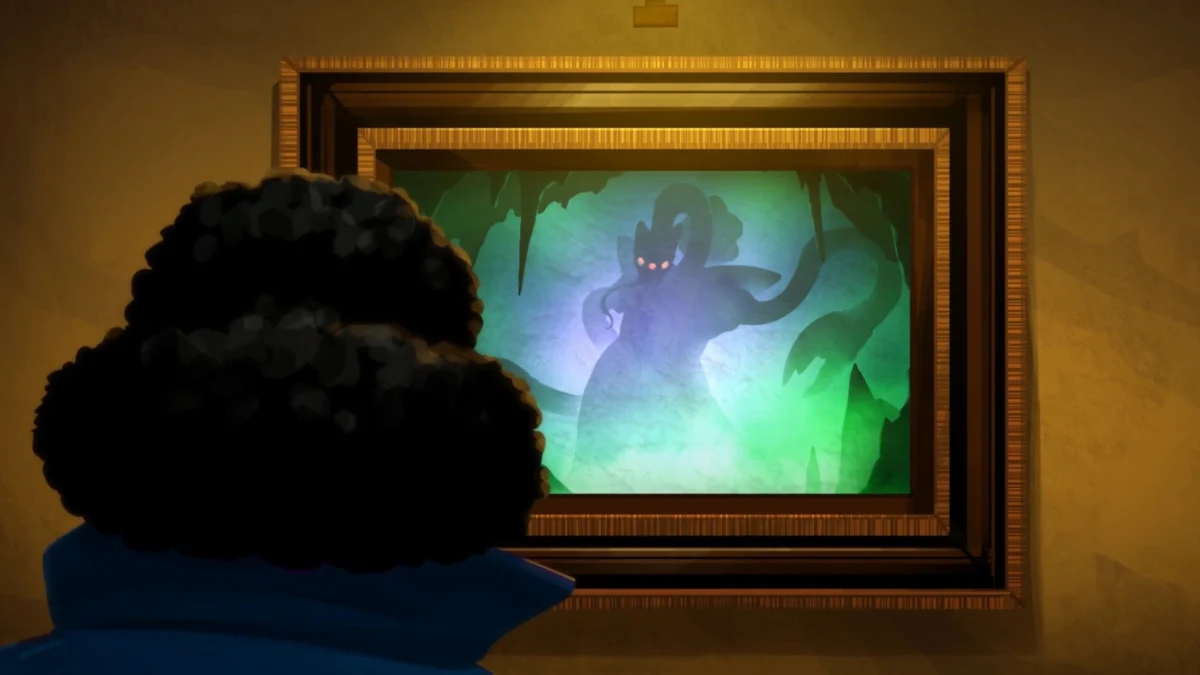
Call of the Elder Gods represents the latest expansion of the narrative universe established by the Spanish development studio Out of the Blue Games, serving as a direct but tonally distinct successor to the 2020 critically acclaimed title Call of the Sea. Moving the timeline forward from the mid-1930s to the 1950s, this new installment shifts the focus from an isolated tropical mystery to a globe-spanning adventure that integrates elements of classic pulp fiction with the established cosmic horror of the H.P. Lovecraft mythos. While the predecessor focused on the intimate search of Norah Everhart for her missing husband, the sequel broadens its scope to include secret societies, international espionage, and ancient civilizations, all while maintaining the core deductive gameplay that defined the studio’s earlier work.
Narrative Framework and Character Dynamics
The story of Call of the Elder Gods introduces a new primary protagonist, Evangeline Drayton, a physics student at the prestigious Miskatonic University in Arkham, Massachusetts. Drayton’s involvement in the supernatural plot is precipitated by recurring, vivid dreams of cyclopean cities and extraterrestrial entities, a hallmark of Lovecraftian literature. She is joined by Professor Harry Everhart, the Dean of Archaeology at Miskatonic and the widower of the previous game’s protagonist, Norah Everhart.
A significant narrative bridge between the two titles is the presence of Norah herself, who serves as the game’s narrator. Despite the chronological gap and her physical absence, her voice provides a meta-commentary on the proceedings, offering a witty and occasionally sardonic perspective on the actions of Evangeline and Harry. This narrative device allows the developers to maintain continuity while exploring new thematic territory. Players who completed Call of the Sea are reportedly given the agency to influence the canonical ending of the first game, which informs the context of Norah’s narration in this sequel.
Chronology of the Adventure
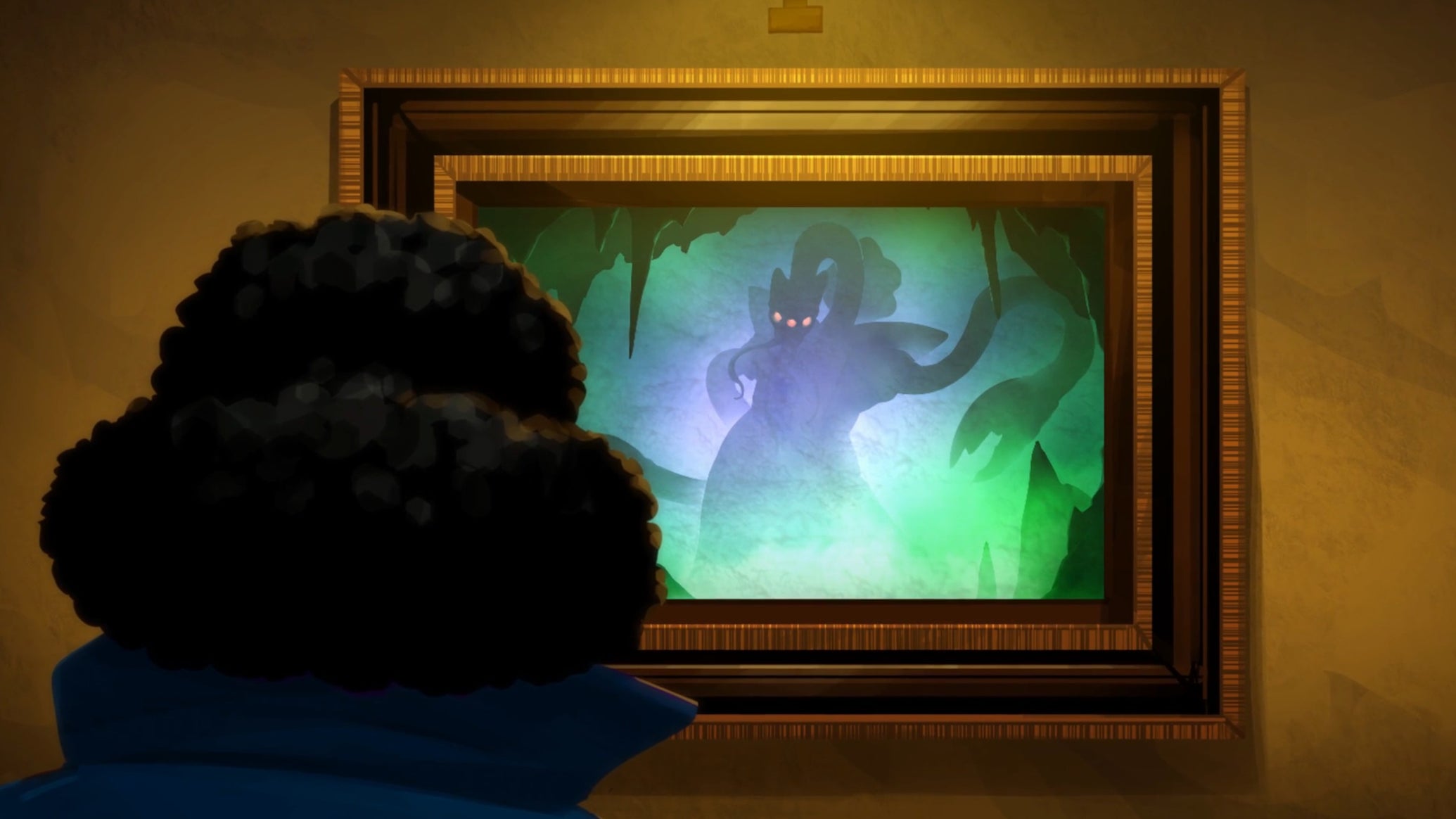
The game’s structure is designed as a series of escalating investigations that take the characters across several continents. The timeline of the game’s primary campaign follows a linear progression through distinct atmospheric locales:
- Arkham and Miskatonic University: The introductory phase establishes the academic and occult foundations of the plot, centering on Drayton’s research and the initial call to adventure.
- The Boston Manor: A transitional sequence that moves the action to a rain-slicked estate, emphasizing environmental storytelling and the introduction of the game’s central mystery: a statue purportedly containing the blood of an "Elder God."
- The Crystalline Caverns: An exploration phase that delves into subterranean secrets, shifting the visual palette from urban gloom to bioluminescent wonders.
- The Egyptian Cult Headquarters: A mid-game pivot into high-stakes pulp adventure, featuring an opulent setting dominated by gold and black marble, where the protagonists confront a secret society obsessed with ancient Egyptian deities.
- The Norwegian Stronghold: A climactic segment set in a blizzard-blasted abandoned Nazi facility, integrating mid-century historical geopolitical tensions with supernatural threats.
Mechanical Heart: The Journal and Deductive Puzzles
Central to the gameplay loop of Call of the Elder Gods is the return of the interactive journal. In this installment, the journal is framed as Norah’s spiritual record-keeping, serving as the primary interface for solving the game’s complex environmental puzzles. Unlike many contemporary adventure games that utilize simplified "quest markers," Out of the Blue Games employs a system that requires active player participation in the gathering and synthesis of information.
The puzzle design philosophy emphasizes "expansive" rather than merely "difficult" challenges. Players are required to explore large environments to find fragmented clues—such as discarded letters, photographic evidence, and historical timetables—which are then automatically transcribed into the journal. The true challenge lies in cross-referencing these entries to deduce solutions. For example, a player might need to reconstruct a timeline of events by matching dates found in a diary with occupational rosters found on a separate bulletin board.
This "built-in note-taking" system is designed to simulate the feeling of a real-world investigation. The developers have balanced these heavy deductive sequences with tactile, physical puzzles involving levers, dials, and intricate machinery, ensuring a varied pace that rewards both intellectual labor and environmental interaction.

Visual and Technical Specifications
From a technical standpoint, Call of the Elder Gods utilizes a stylized art direction characterized by bold, vibrant colors and high-contrast lighting. This aesthetic choice distinguishes it from the typically muted and grimy visuals associated with the horror genre. The use of atmospheric effects—such as the play of light on frosted glass or the reflection of rain on cobblestone streets—is intended to immerse the player in a 1950s "matinee" atmosphere.
While the environmental assets are highly detailed, the game utilizes a mix of 3D character models and 2D cutscenes to deliver its narrative. Industry analysts note that this stylistic blend is a common approach for independent studios to manage production costs while maintaining a high level of environmental fidelity. The contrast between the lush, 3D-rendered worlds and the more rudimentary character animations has been noted as a point of stylistic tension, though it aligns with the "pulpy" comic-book inspiration of the source material.
Supporting Data and Development Context
Out of the Blue Games, based in Madrid, has built a reputation for narrative-driven puzzle games that prioritize atmosphere and logic. Their previous project, American Arcadia, demonstrated the studio’s ability to handle complex social themes through the lens of a retro-futuristic thriller. Call of the Elder Gods appears to be their most ambitious project to date in terms of geographical variety and narrative scope.
According to development insights, the shift to a "pulp adventure" tone was a deliberate choice to move away from the "walking simulator" label that some critics applied to Call of the Sea. By introducing more dynamic locations and a faster-paced plot involving global stakes, the studio aims to appeal to a broader audience of adventure game enthusiasts while retaining the core fans of the first title.

Official Responses and Market Positioning
While specific sales figures for the upcoming title are not yet public, the reception of the franchise has been generally positive within the indie gaming community. Raw Fury, the game’s publisher, has positioned the title as a premium narrative experience. In statements regarding the game’s direction, the creative team has emphasized the importance of "player agency in deduction," noting that the goal was to create a game that "respects the player’s intelligence."
The decision to set the game in the 1950s also reflects a growing trend in historical fiction media to explore the post-WWII era’s unique blend of optimism and paranoia. By moving past the 1930s setting of the original game, the developers are able to incorporate themes of the early Cold War and the technological transition into the atomic age, providing a fresh backdrop for the timeless themes of cosmic horror.
Broader Impact and Industry Implications
The release of Call of the Elder Gods is significant for several reasons within the broader gaming industry:
- The Evolution of the "Lovecraftian" Genre: The game challenges the notion that Lovecraftian horror must be synonymous with dread and hopelessness. By blending it with the "Indiana Jones" style of adventure, it carves out a unique niche in the market.
- Narrative Continuity in Indie Franchises: The use of a returning narrator to bridge the gap between two different protagonists is an innovative solution to the problem of franchise continuity, allowing for a fresh start without abandoning the emotional investment of the original player base.
- The "Anti-Handholding" Movement: As AAA games face criticism for over-simplifying puzzles and providing too many hints, titles like Call of the Elder Gods serve as a counterpoint, proving there is a viable market for games that require manual deduction and careful observation.
In conclusion, Call of the Elder Gods stands as a sophisticated evolution of the narrative adventure genre. By refining the deductive mechanics of its predecessor and expanding the world-building into a global 1950s odyssey, Out of the Blue Games has created a sequel that seeks to balance intellectual challenge with high-concept storytelling. Its success will likely influence how future indie titles approach the integration of complex puzzles within a cinematic narrative framework.