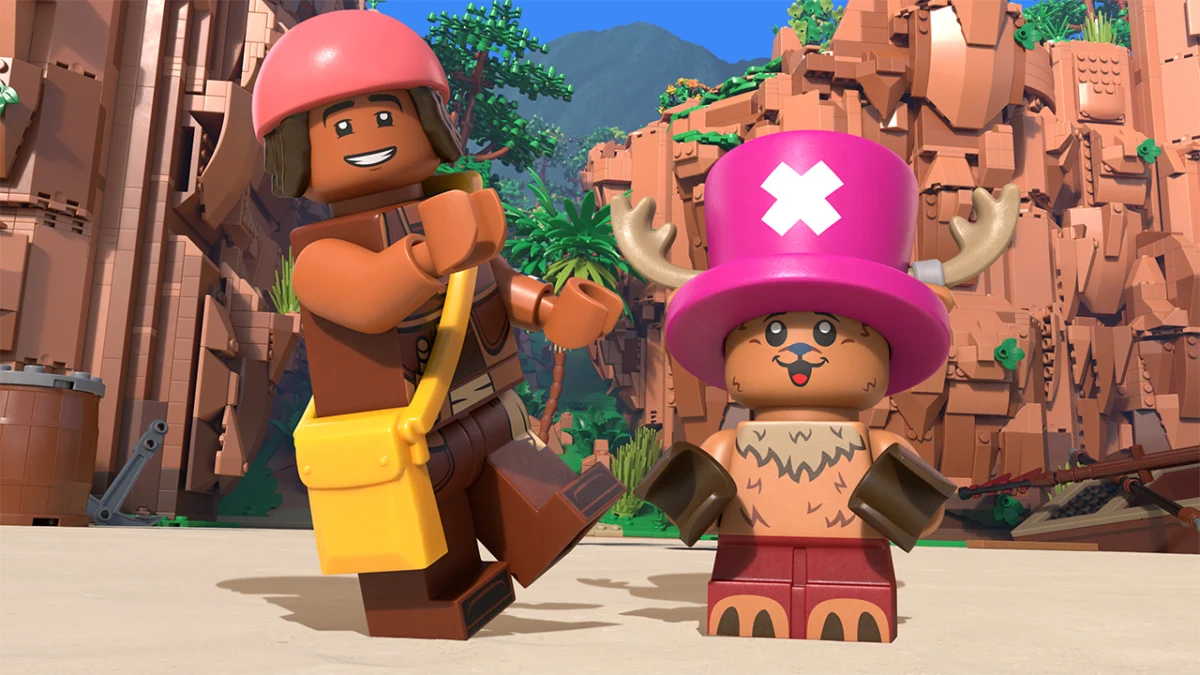
The convergence of Eiichiro Oda’s global manga phenomenon and the iconic Danish building-block aesthetic has culminated in the release of the two-part animated special LEGO One Piece on Netflix. This project marks a significant expansion of the One Piece intellectual property, bridging the gap between the gritty, grounded tone of the live-action series and the whimsical, high-energy potential of the animation medium. To understand the mechanics behind this adaptation, one must look at the production timeline, the creative philosophy of showrunner Tom Hyndman, and the broader strategic implications of Netflix’s partnership with the LEGO Group.
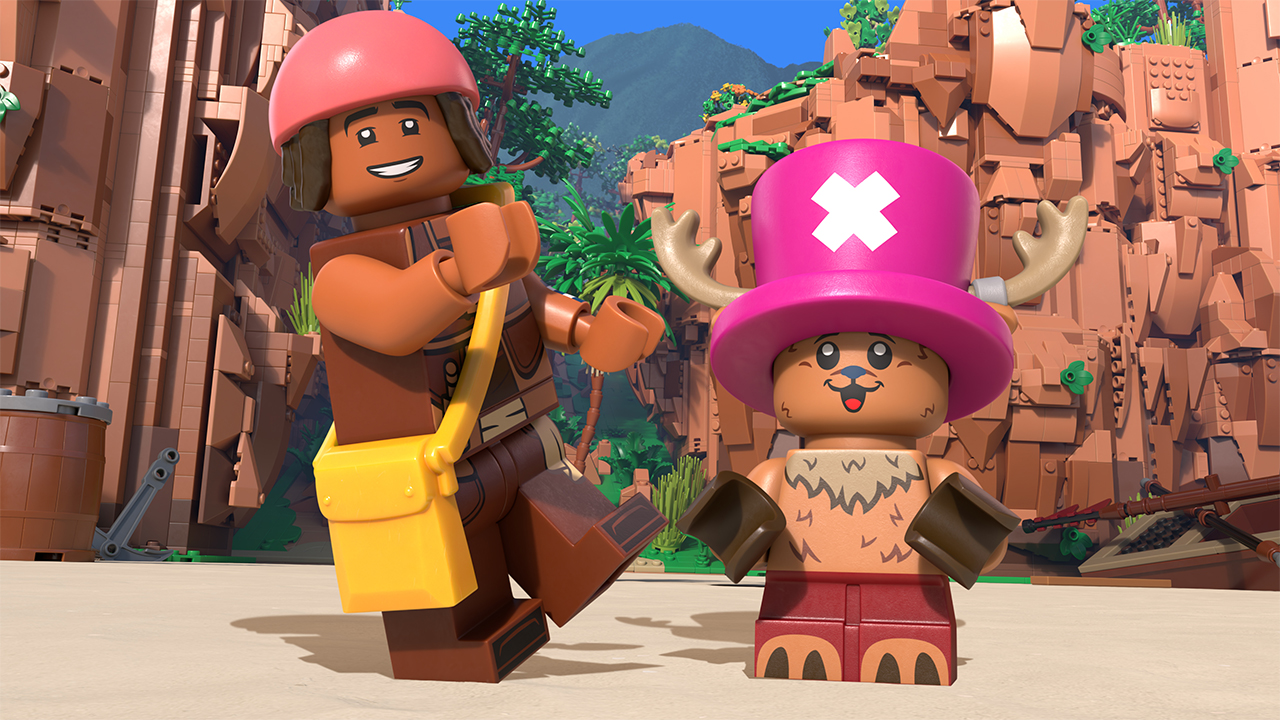
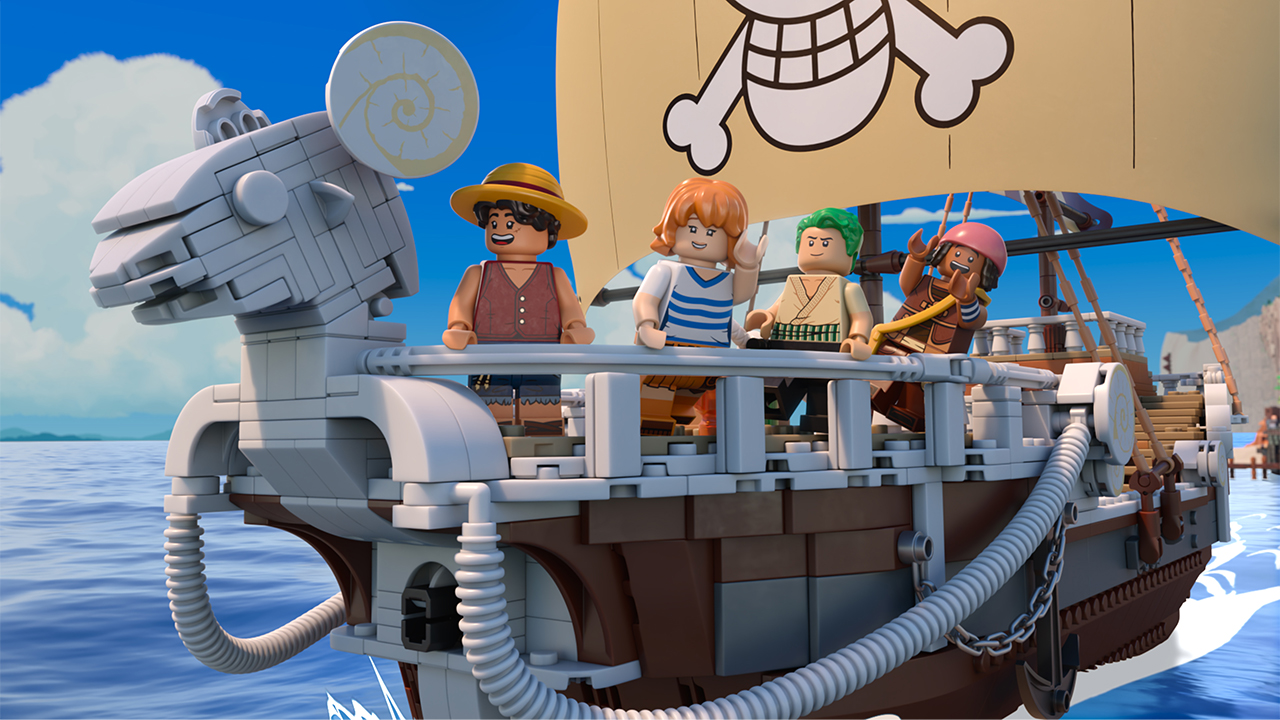
The project, which began formal development in early 2025, represents a unique collaborative effort between Netflix’s internal production units and the established creative infrastructure of the LEGO Group. For Hyndman, who previously served as a producer on the live-action One Piece series and a writer for the acclaimed Harley Quinn, the transition to a brick-based format required a shift in narrative perspective. The special functions as an episodic retelling of the Straw Hat Pirates’ initial journey, framed through the unreliable narration of Usopp, with Tony Tony Chopper serving as a secondary narrative anchor.
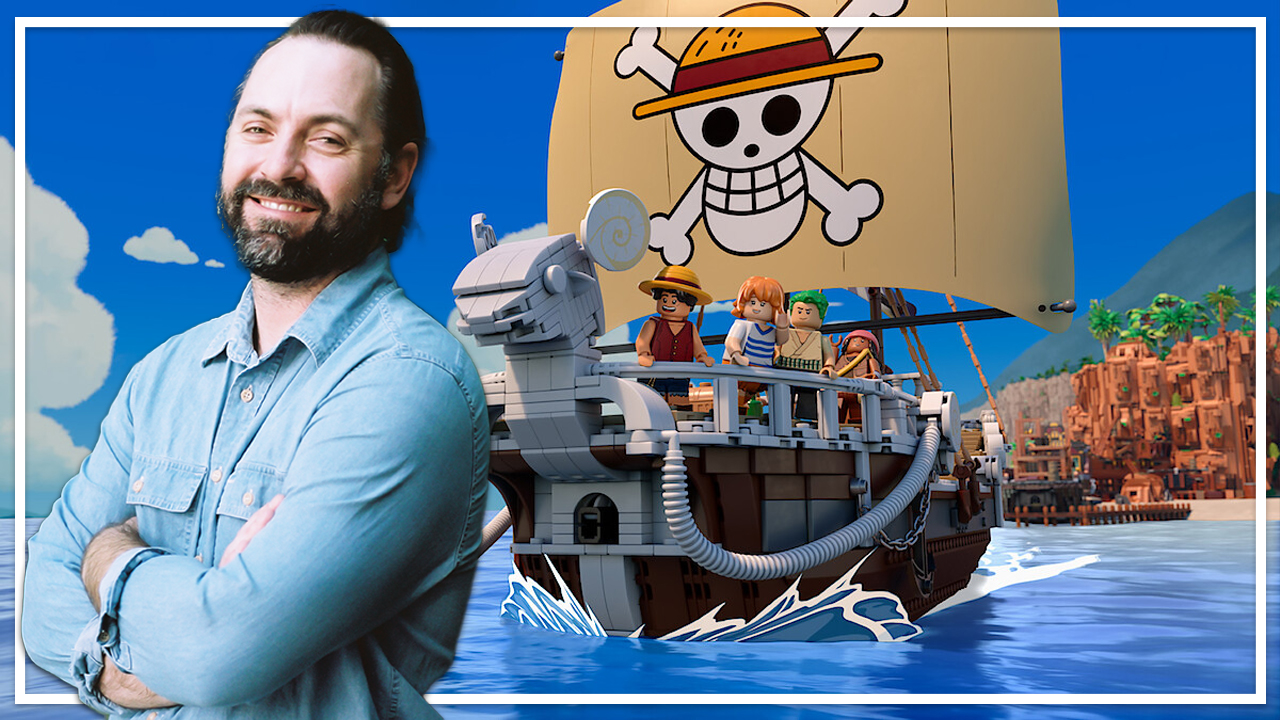
A Chronology of Development and Production
The genesis of LEGO One Piece can be traced back to November 2024, when the concept was first introduced to key stakeholders. Given the logistical complexities involved in merging two major global brands, the project underwent a rigorous planning phase. Formal meetings commenced in February 2025, initiating a rapid production schedule that emphasized creative agility.
The casting process was simplified by the fact that the primary voice talent had already been established in the live-action sphere. Actors such as Jacob Romero Gibson (Usopp) and others from the live-action ensemble returned to provide the voices for their plastic counterparts. This continuity allowed the production team to bypass the lengthy "discovery" phase of character development, enabling them to focus immediately on the nuances of voice acting for an animated environment. The production team utilized the inherent freedom of the LEGO medium to push the characters toward a heightened level of performative energy, adhering to the "more is more" mantra that defines the LEGO brand’s comedic output.
The Strategic Value of the LEGO Format
The decision to adapt One Piece into a LEGO format is not merely a creative choice; it is a strategic maneuver designed to broaden the demographic appeal of the franchise. While the original manga and anime series contain mature themes and stylized violence that may restrict the audience to older demographics, the LEGO aesthetic serves as a gateway for younger viewers.
Data from the streaming industry suggests that IP-based animation often sees a higher rate of "co-viewing," where parents and children consume content together. By utilizing the LEGO brand, Netflix effectively lowers the barrier to entry for prospective fans who might be intimidated by the daunting 1,100+ episode count of the traditional anime. According to industry analysts, "appetizer" content—short-form specials that condense complex lore into easily digestible segments—is a proven method for driving traffic to larger, long-form series. This special functions as a narrative bridge, helping to sustain engagement during the gaps between live-action seasons.
Creative Methodology and Visual Identity
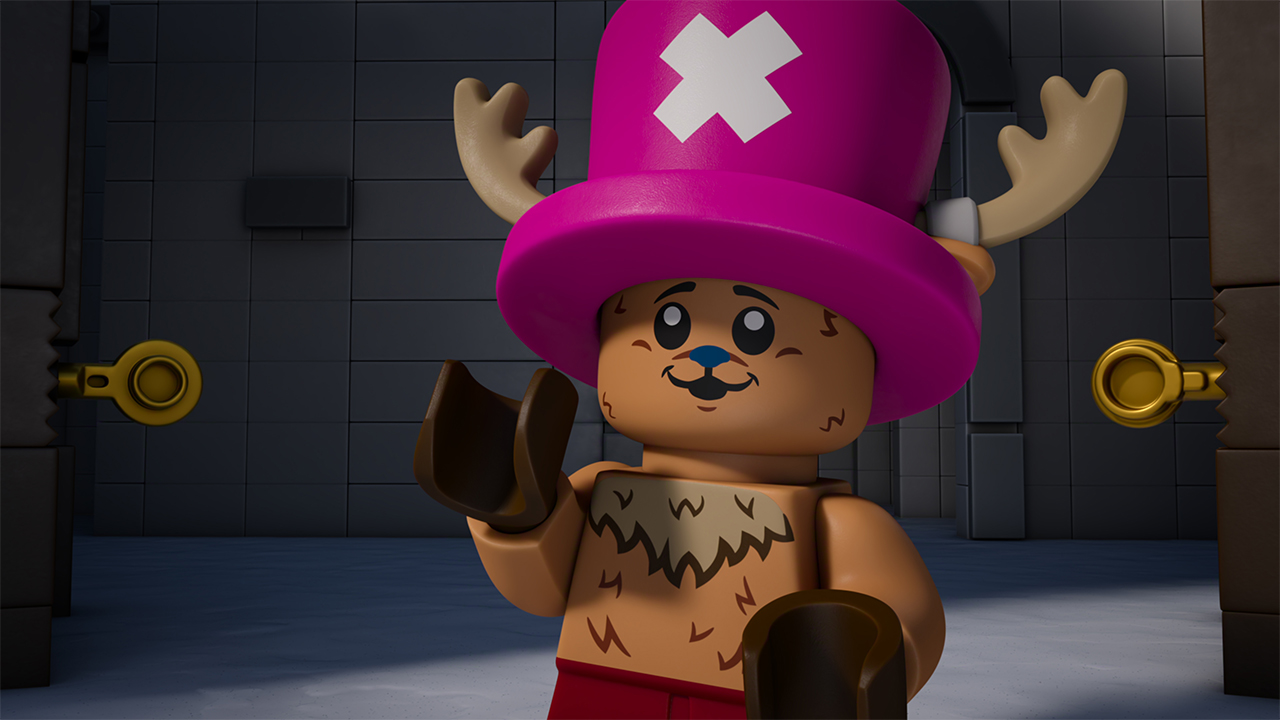
One of the most notable aspects of the production is the visual hybridization of the special. Under the guidance of director Chelsea Kerr, the team opted to integrate 2D animation elements into the 3D LEGO environment. This stylistic choice was intended to ground the project in the source material’s manga roots while maintaining the tactile, physical appeal of LEGO bricks.
"The coolest idea Chelsea had was to add a 2D animation aspect into the episodes to meld our version of LEGO with the manga," Hyndman noted during interviews. This hybrid approach, complemented by digitally matte-painted backgrounds, allowed the production to circumvent the sometimes sterile "digital toy" aesthetic that can plague lower-budget animated projects. By prioritizing visual flair and Easter egg density, the team ensured that the special appealed to long-term fans who possess an encyclopedic knowledge of the Grand Line, as well as newcomers.
Character Dynamics and Narrative Framing
The choice of Usopp as the primary narrator was a calculated narrative device. In the canon of One Piece, Usopp is defined by his penchant for tall tales and self-aggrandizement. By centering the special on his perspective, the writers provided a logical excuse for the occasional narrative embellishments and the hyper-kinetic, over-the-top nature of the LEGO-based combat sequences.
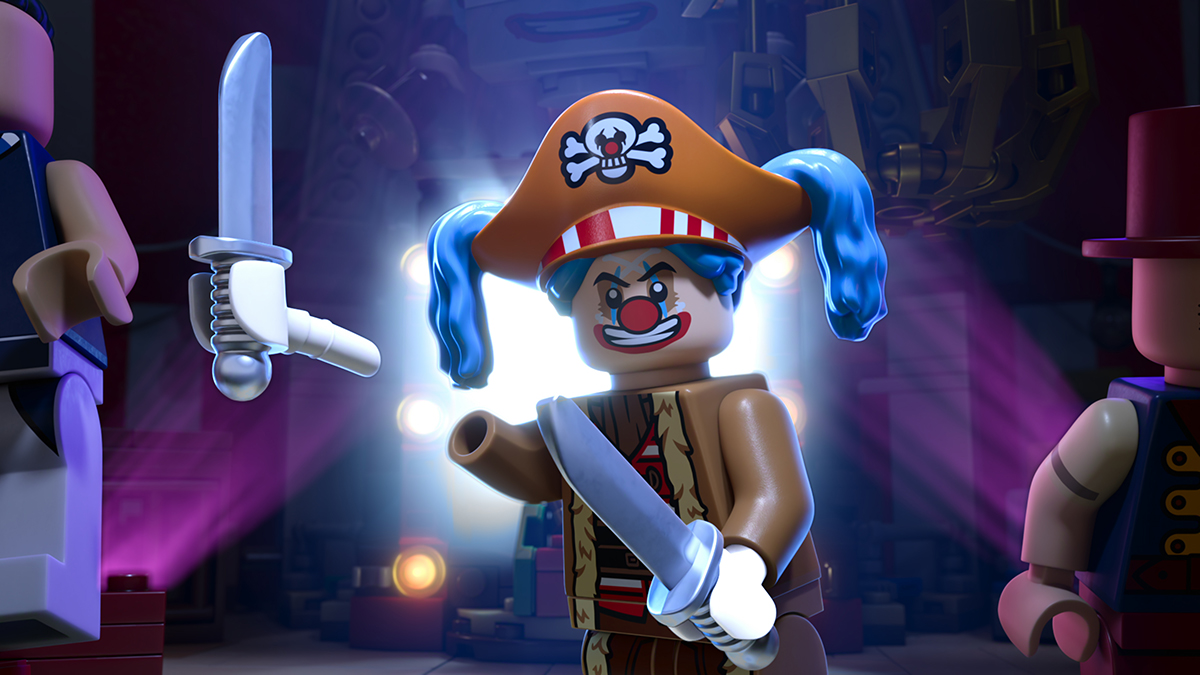
Chopper, as the "new guy" on the crew, acts as the audience surrogate. His wonder and, at times, his gullibility allow him to challenge Usopp’s claims, creating a dynamic that is both humorous and informative. This interaction serves to explain key plot points from the early stages of the series without resorting to tedious exposition. When the crew faces off against antagonists like Buggy the Clown or Wapol, the LEGO format allows for a level of physical comedy—such as the "boss fight" mechanics—that would be difficult to execute with the same impact in live-action.
Impact and Implications for the Franchise
The reception of LEGO One Piece will likely influence future collaborations between Netflix and the LEGO Group. As Netflix continues to scale its investment in original animation, the ability to leverage existing hit franchises into multi-format experiences is becoming a core pillar of their business model.
From an analytical standpoint, the success of this special can be measured by its ability to act as a "fun but safe" entry point. It does not attempt to rewrite the canon, nor does it aim to replace the source material. Instead, it offers a distinct, high-quality variation that reinforces the brand. For fans who have already consumed every chapter of the manga, the project provides a lighthearted, self-aware look at the characters they love, while for the uninitiated, it acts as a low-stakes introduction to the world of the Straw Hat Pirates.
Furthermore, the involvement of the live-action cast in the production serves to unify the various "universes" of One Piece. By maintaining the same voices for both live-action and LEGO iterations, Netflix creates a cohesive brand identity that encourages cross-platform consumption.
Final Reflections
The production of LEGO One Piece is a testament to the versatility of Eiichiro Oda’s original concepts. By adapting a property known for its grand scale and deep emotional resonance into a format often associated with humor and play, the creative team has managed to capture the essence of adventure that defines the series. As the industry looks toward future adaptations, the success of this project suggests that the most effective way to handle beloved IP is to embrace the unique strengths of the medium while maintaining a deep respect for the established lore.
As audiences continue to engage with the special on Netflix, the focus will likely shift toward how these creative methodologies might be applied to other arcs within the One Piece narrative. For now, the collision of the Grand Line and the LEGO universe stands as a unique case study in transmedia storytelling, balancing the demands of a massive global fandom with the creative liberties necessary to keep a decades-old franchise feeling fresh and accessible. Whether or not this leads to a broader series or further specials remains to be seen, but the current effort serves as a robust foundation for future expansions of the One Piece brand.