

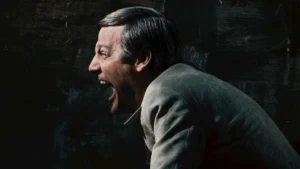


Genesis and Production: A Bold Departure for Chusei Sone
The establishment of Film Workers by Chusei Sone in the early 1980s signaled a significant shift in his career trajectory. Prior to this, Sone had cultivated a reputation within the more sensationalist corners of Japanese cinema, directing numerous films that often delved into exploitation, yakuza narratives, and samurai epics. However, with "Blow the Night," Sone aimed to leverage his genre filmmaking experience to address a pressing social issue with a documentary-like verisimilitude. The decision to cast a genuine delinquent, Namie Takada, was a calculated risk that undeniably amplified the film’s impact. Promotional materials at the time actively highlighted Takada’s background, detailing her involvement in smoking, thinner sniffing, reckless driving, fighting, and instances of sexual misconduct. This approach positioned the film not merely as entertainment but as a raw, quasi-documentary examination of a young girl caught in the liminal space between childhood innocence and the harsh realities of adulthood. This bold casting choice was central to the film’s marketing and its critical reception, blurring the lines between fiction and reality in a manner that was both compelling and disquieting for audiences of the era.
Thematic Resonance: Youth Rebellion and Institutional Collapse
At its core, "Blow the Night" delves into the complex phenomenon of juvenile delinquency, presenting it not as a simple moral failing but as a symptom of a profound societal breakdown, particularly in terms of communication and support systems. The narrative unfolds with the introduction of 15-year-old Namie Takada, whose arrival at a provincial middle school near Tokyo immediately marks her as an outsider. Her distinctive appearance—frizzy red hair, shaved eyebrows, and a long skirt—sets her apart from the more conventional student body, yet she finds a surprising acceptance among local biker gangs. Her early life is characterized by aimlessness, provocation, and a pervasive sense of danger. She engages in smoking, solvent sniffing, violent altercations with peers, and navigates environments where adult presence is either absent, ineffective, or demonstrably incapable of comprehending the unfolding chaos.
The film meticulously portrays the erosion of traditional authority figures. Parents are depicted as bewildered and detached, seemingly unaware of their children’s activities or motivations, and utterly lacking the tools to intervene. Educators fare little better, often appearing overwhelmed by the unruly student population. Their attempts at communication are frequently rendered futile by outdated or superficial rhetoric, failing to bridge the generational and emotional chasm. In some instances, teachers resort to violence, further underscoring their impotence or fear in the face of escalating disorder. This pervasive institutional failure becomes a significant thematic undercurrent, suggesting that the youth rebellion depicted is as much a consequence of systemic neglect as it is an act of defiance.
A Tumultuous Adolescent Romance
The narrative gains a crucial emotional anchor with Namie’s burgeoning relationship with Naoya Kido, a fellow delinquent who exhibits a stubborn refusal to conform, even in the face of physical intimidation from other students. Their connection is not portrayed as innocent romance but as another facet of youthful impulse, profound loneliness, and the inherent confusion of adolescence. The emotional stakes are heightened when Kido eventually leaves Namie and begins a relationship with her younger sister, Natsuko. Namie’s response to this betrayal—burning photographs of their shared past and pressing lit cigarettes into her own wrist—viscerally encapsulates the film’s depiction of raw anger, emotional numbness, and an almost unbearable sense of isolation. This sequence, in particular, highlights the film’s commitment to portraying the destructive emotional landscape inhabited by its young protagonists.
The Echoes of Youth Culture: Music and Rebellion
The presence of the popular rock band The Street Sliders, whose music and live performances are integrated into the film, further situates "Blow the Night" within the broader context of early 1980s Japanese youth culture. While the band’s inclusion undeniably injects a vibrant energy and connects the film to the burgeoning rock scene, the relationship between music and delinquency remains complex and somewhat uneasy. At times, the film appears to verge on becoming a showcase for the band, which can momentarily shift the narrative focus away from Namie’s personal struggles. Nevertheless, this fusion of delinquency and rock music is integral to the film’s identity, reflecting a period where these subcultures often intersected, even if their fundamental tenets were not always perfectly aligned. The inclusion of these musical interludes provides a sonic counterpoint to the grim realities depicted, offering moments of catharsis and exhilaration amidst the pervasive despair.
Cinematography and Editing: Capturing the Unsettled Atmosphere
The visual style of "Blow the Night" plays a crucial role in its impact. Cinematographer Masaru Mori employs long takes, imbuing scenes with a raw, observational quality. The camera often feels less concerned with aestheticizing the characters and more focused on capturing their confinement within classrooms, desolate streets, dingy live houses, and cramped interiors. This approach results in a visual language that is dry, restless, and occasionally abrasive, mirroring the harsh environment inhabited by the protagonists. Shinji Yamada’s editing further contributes to this sense of unease, creating a jagged rhythm that oscillates between periods of crushing boredom and explosive outbursts. The juxtaposition of contemplative moments with scenes of delinquent behavior and energetic music sequences underscores the volatile nature of the characters’ lives.
A Documentary-Like Approach to a Difficult Reality
One of the most compelling, and indeed challenging, aspects of "Blow the Night" is its unflinching portrayal of delinquent behavior. The film refuses to sanitize or melodramatize scenes of thinner sniffing, violence, sexual encounters, and young girls associating with older, unknown men. Director Sone adopts a dry, often detached observational stance, allowing viewers to witness the events unfold without explicit moral judgment. This documentary-like approach lends the film a powerful sense of authenticity but also cultivates a moral ambiguity that might alienate some viewers. The film’s refusal to offer easy answers or sentimental resolutions is precisely what gives it its enduring power.
The "Tsuppari" and "Sukeban" Phenomenon: A Product of its Time
"Blow the Night" is inextricably linked to the socio-cultural landscape of early 1980s Japan, particularly the phenomena of "tsuppari" (delinquent students) and "sukeban" (female delinquents). The film’s fashion, vernacular, and behavioral patterns are deeply rooted in this era’s subcultures. What might have seemed immediate and contemporary upon its release now possesses a distinct historical texture, lending the film a fascinating ethnographic quality. The visual and auditory grit, the loudness, and the abrasiveness of the film, which may have once been its most confrontational elements, now contribute to its allure, offering a glimpse into a social and cultural milieu that has largely receded. The film effectively illustrates how youth identities in this period were forged through image, music, defiance, and the dynamics of group performance.
Namie Takada’s Authentic Presence
Namie Takada’s performance is central to the film’s raw impact. Her acting eschews conventional techniques, delivering a portrayal that is simultaneously awkward, defiant, and at times eerily blank. This authenticity—the sense that she is not merely acting but embodying her experiences—imbues the most intense scenes with a visceral shock that a more polished performance might have lacked. In contrast, Kazumi Kawai, playing a more conventionally adolescent Tokyo schoolgirl, provides a valuable foil, effectively highlighting the stark contrast between ordinary teenage life and the perilous world Namie inhabits. This contrast serves to underscore the unique social and psychological circumstances that shape Namie’s trajectory.
The Climax of Rebellion: A Classroom Eruption
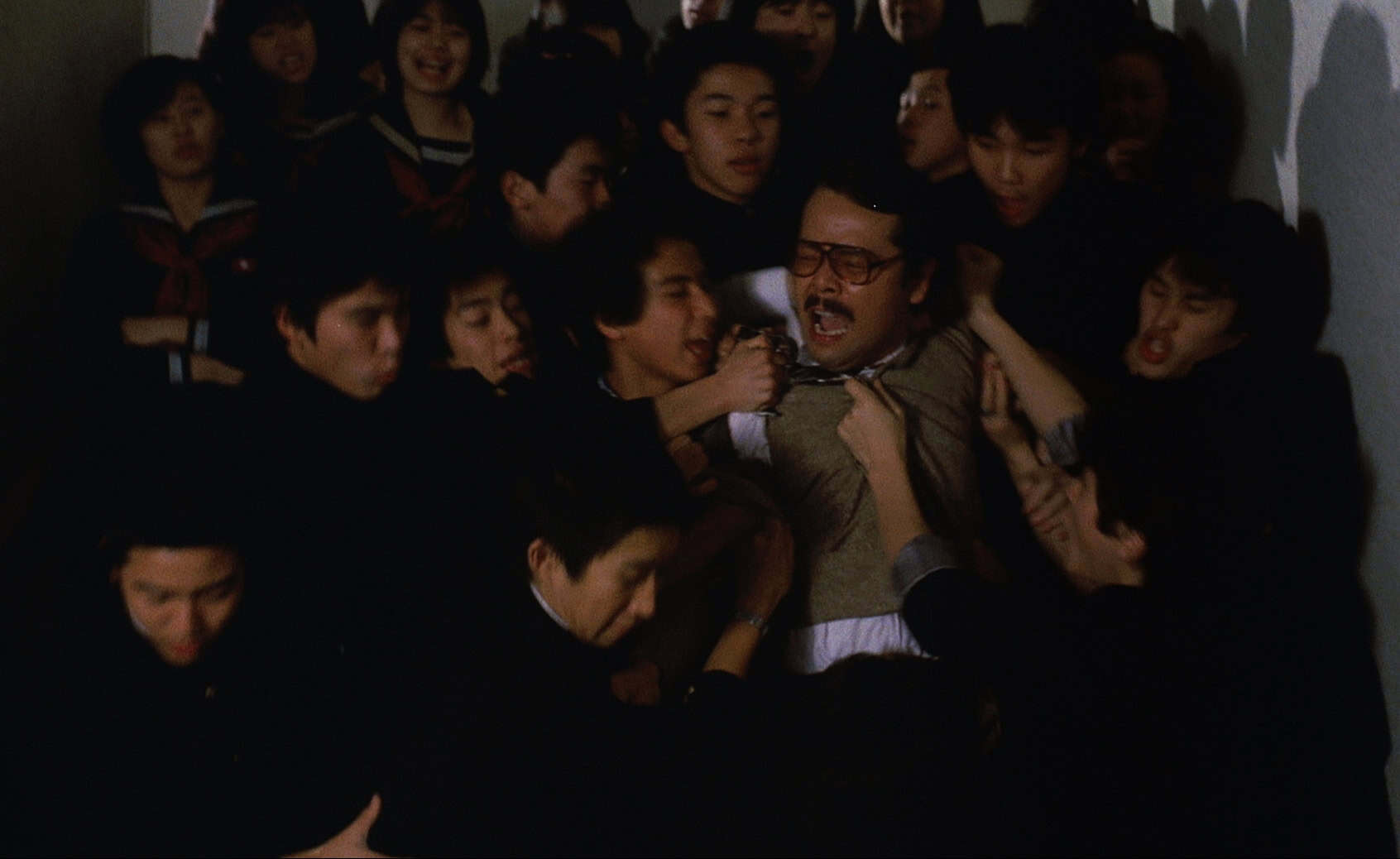
The film culminates in a dramatic and explosive classroom incident that escalates into a full-blown student revolt. Rock music blares through the school, teachers are targeted, barricades are erected, and the educational institution transforms into a battlefield. For Namie, this descent into chaos is not simply disorder; it represents a cathartic release, a moment where pent-up rage, energy, and frustration finally erupt. The sequence is intentionally excessive, ugly, and chaotic, yet it powerfully conveys the strange exhilaration the film associates with destruction and the shattering of societal constraints. This climactic scene serves as the ultimate expression of the film’s themes of rebellion and institutional failure.
Broader Implications and Enduring Legacy
"Blow the Night" remains a deeply uncomfortable yet undeniably significant film. It is a messy, noisy, and often crude portrayal of a subculture and a period in Japanese history. Chusei Sone masterfully avoids romanticizing the lives of his young protagonists, nor does he offer a simple condemnation. Instead, he presents a stark landscape where marginalized youth seek escape and identity through violence, sex, music, and self-destruction, all while the adult world stands by, largely helpless. The film’s power lies in its refusal to conform to conventional notions of respectability or narrative neatness. Its raw, unvarnished depiction of adolescent alienation and societal neglect offers a potent commentary on the challenges faced by young people when the structures designed to support them fail. The film’s enduring relevance can be attributed to its unflinching examination of these themes, making it a valuable historical document and a potent, albeit unsettling, cinematic experience. The film’s impact on subsequent depictions of youth delinquency in Japanese cinema is undeniable, paving the way for more candid and less sensationalized explorations of troubled youth.