


The intersection of modern geopolitics, live music touring, and digital streaming consumption has once again produced unprecedented commercial shifts across the global music industry. In mid-September, rapper Macklemore experienced a dramatic surge in his catalog’s streaming performance following his abrupt removal from Ed Sheeran’s sprawling stadium trek, the Loop Tour. The catalyst for this industry-shaking development was Macklemore’s vocal and persistent support of the "Free Palestine" movement, punctuated by controversial statements made during the opening dates of the tour and highlighted by his politically charged musical output. The subsequent fallout quickly expanded beyond a simple contractual termination, triggering a wave of solidarity withdrawals from other supporting acts on the tour, creating a polarized news cycle, and driving millions of curious or supportive listeners directly to digital streaming service providers (DSPs).
The Genesis of the Controversy
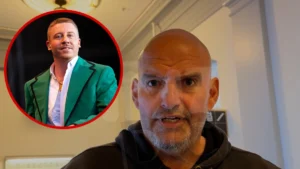
The sequence of events that ultimately reshaped the touring lineup and ignited digital consumption metrics began in the early weeks of September. Macklemore, known historically for chart-topping pop-rap hits alongside producer Ryan Lewis as well as a subsequent independent solo career, was secured as a high-profile supporting act for Ed Sheeran’s international stadium circuit. However, during the initial performances of the run, the rapper utilized his platform to address the ongoing conflict in the Middle East, explicitly voicing pro-Palestinian sentiments and chanting slogans associated with the "Free Palestine" movement.
These unscripted political declarations immediately polarized concert attendees and drew intense scrutiny from international media outlets, tour promoters, and stakeholders sensitive to the diplomatic and cultural sensitivities surrounding the Israel-Hamas conflict. As external pressures mounted, tour organizers and management teams evaluated the operational viability of maintaining the partnership. By Monday, September 14, news officially broke across major industry trade publications that Macklemore had been formally dropped from the remainder of the Loop Tour itinerary. The decision instantly transformed a routine touring adjustment into a major cultural flashpoint, dominating music industry headlines and sparking widespread debate regarding freedom of expression, artist autonomy, and corporate risk management in contemporary live entertainment.
The Chronology of the Fallout
The timeline of the controversy accelerated rapidly over a 48-hour period, capturing the attention of the global music community and prompting swift administrative and artistic reactions:
- Sunday, September 13: Macklemore performs routine tour dates, maintaining his public stance on geopolitical issues prior to official notification of his removal.
- Monday, September 14: News outlets break the story that Macklemore has been removed from Ed Sheeran’s Loop Tour due to his political remarks. Concurrently, initial streaming metrics show the beginnings of a digital mobilization.
- Tuesday, September 15: Ed Sheeran issues a formal statement addressing the controversy and the removal of the rapper. In rapid succession, multiple supporting acts—including Irish singer-songwriter Aaron Rowe and traditional Irish folk group Beoga—announce their voluntary withdrawal from the tour in solidarity with Macklemore and the Palestinian cause.
- Wednesday, September 16: Digital consumption data processed by music analytics firms confirms record-breaking streaming spikes across Macklemore’s catalog, with his classic hits re-entering prominent daily streaming charts.
Streaming Analysis: Hind’s Hall Hits New Heights
Unsurprisingly, the musical epicenter of this digital surge was Macklemore’s 2024 protest single, “Hind’s Hall.” Named in honor of Hind Rajab, a five-year-old Palestinian girl killed amid military operations in Gaza, and dedicated to the student activists occupying Hamilton Hall at Columbia University, the track was originally released independently as a direct statement of solidarity. Following its release in May 2024, the song enjoyed a brief window of heavy public engagement before settling into standard catalog rotation.

However, the September 2024 news cycle injected unprecedented life back into the composition. According to early data compiled by music data provider Luminate, “Hind’s Hall” pulled in a modest total of just over 5,000 official on-demand U.S. streams on Sunday, September 13. The morning after the termination news broke on Monday, that figure skyrocketed by 693% to reach approximately 43,000 streams. By Tuesday, September 15—coinciding with Sheeran’s public statement and the subsequent secondary withdrawals—the daily stream count doubled again to nearly 87,000.
This Tuesday figure represented the single largest daily U.S. streaming total for “Hind’s Hall” in over two years, approaching the high-water mark set shortly after its initial commercial drop on June 5, 2024. Furthermore, the track’s sequel, “Hind’s Hall 2,” which features contributions from Palestinian-American artist Anees, Gaza-born rapper MC Abdul, and author-comedian Amer Zahr, experienced a parallel trajectory. Its daily streams multiplied elevenfold, rising from under 2,000 streams on Sunday to surpass 22,000 streams by Tuesday.
Catalog-Wide Gains and Solo Material Surge
While the protest anthems experienced the most dramatic percentage increases, the entirety of Macklemore’s recorded output felt the ripple effects of the heightened public interest. Industry analysts noted that his complete discography—encompassing both his solo projects and his multi-platinum era alongside producer Ryan Lewis—nearly doubled in overall consumption during the critical two-day window.
Aggregate U.S. on-demand streams for Macklemore’s collective catalog rose from slightly more than one million on Sunday to nearly two million by Tuesday, marking an overall increase of approximately 97%. A closer examination of the data reveals a distinct consumer behavioral trend: while his historical catalog hits were primarily generated during his partnership with Ryan Lewis—such as the diamond-certified Hot 100 number-one singles “Can’t Hold Us” (featuring Ray Dalton) and “Thrift Shop” (featuring Wanz)—it was his independent solo material that captured the lion’s share of new engagement.
On Sunday, Macklemore’s strictly solo recordings accounted for 282,000 of his total streams. By Tuesday, solo track streams surged by 172%, reaching 767,000 and contributing significantly to the two-million overall total. Meanwhile, his collaborative catalog with Ryan Lewis experienced a healthy, albeit comparatively modest, 68% increase. The renewed interest manifested visibly on mainstream charts as well; “Can’t Hold Us” re-entered the Spotify Daily Top Songs USA chart at No. 166 on Tuesday before climbing aggressively to No. 95 by Wednesday.
Solidarity Withdrawals Elevate Supporting Acts
The controversy was not confined to Macklemore’s personal metrics; it directly altered the career trajectories of other artists scheduled to perform on the Loop Tour. In the wake of the removal announcement and Ed Sheeran’s subsequent clarification, supporting acts faced immediate decisions regarding their continued participation.
Aaron Rowe, an emerging Irish singer-songwriter whose commercial footprint in the United States had historically been minimal despite localized success on the Irish charts, became the first major supporting act to publicly break ties with the tour. Releasing a statement on Tuesday, Rowe declared that he could not carry on as normal without compromising his personal integrity, formally withdrawing from all future dates despite his personal and professional relationship with Sheeran.

The public stance resulted in a historic commercial milestone for the independent artist. Rowe’s catalog experienced a staggering single-day U.S. streaming increase of 2,665%, jumping from under 3,000 streams on Monday to nearly 80,000 streams on Tuesday. This figure eclipsed his previous U.S. streaming record—set on August 7, 2026—by an extraordinary 460%.
Similarly, Beoga, the celebrated Irish folk instrumental group that has frequently served as a backing band and opening act for Sheeran, announced their departure from the tour on Tuesday in solidarity with Macklemore and the broader Palestinian solidarity movement. The group’s digital footprint mirrored this solidarity: after registering just over 2,000 streams on Monday, Beoga’s catalog jumped by 1,092% to nearly 27,000 streams on Tuesday, marking their highest U.S. streaming day since mid-March.
Ed Sheeran’s Streaming Stability Amid Scrutiny
As the focal point of the administrative decisions surrounding the tour, headliner Ed Sheeran found himself navigating a delicate public relations landscape. Major artist controversies frequently spark reactionary consumption patterns, prompting questions regarding whether the headliner’s massive streaming baseline would suffer from fan backlash or benefit from heightened media exposure.
According to early analytics provided by Luminate—accounting for the vast majority of digital service providers while awaiting final metrics from a select few platforms—Sheeran’s streaming numbers remained remarkably neutral. The British pop superstar pulled in just over 3.7 million official on-demand U.S. streams on Tuesday, holding nearly dead even with the figures recorded on Monday. This stability suggests that while the operational and artistic makeup of the Loop Tour underwent a profound upheaval, the day-to-day listening habits of Sheeran’s massive global consumer base remained insulated from the immediate political fallout.
Broader Implications for the Music Industry
The events surrounding the Macklemore tour dismissal and subsequent streaming anomalies highlight a growing trend in the modern music economy: socio-political engagement can directly influence digital consumption patterns in real time. As DSP algorithms react to sudden search spikes, social media sharing, and intentional consumer streaming campaigns, politically explicit art frequently experiences rapid revivals outside traditional promotional cycles.
For industry observers, the episode serves as a clear indicator of how tightly intertwined digital streaming metrics are with contemporary cultural discourse. Whether through intentional solidarity streaming of protest anthems like “Hind’s Hall” or renewed curiosity regarding an artist’s broader catalog, modern audiences retain the structural capacity to rapidly alter the commercial standing of musicians involved in high-profile controversies. As touring entities and major artists continue to navigate the complexities of global politics, the immediate data feedback loop provided by modern streaming analytics ensures that artistic decisions and public controversies will continue to leave an instantaneous, measurable footprint on the charts.