

Genesis of a Narrative: From Web Novel to Multimedia Franchise
The genesis of "A Timid Lady Was Turned into an Ugly Cat…" lies in the burgeoning digital publishing landscape, where web novels have become a fertile ground for imaginative storytelling. Ema Okadachi’s work, initially published on Shōsetsuka ni Narō, a platform known for hosting a vast array of user-generated fiction, tapped into a desire for escapist narratives with strong character development and compelling plotlines. The rapid transition from web novel to a professionally published light novel by Tsugikuru Books, a publisher recognized for its commitment to popular light novel series, underscores the perceived commercial viability and artistic merit of Okadachi’s creation. The subsequent involvement of Kou Kusaka for illustrations, a crucial element in bringing characters to life in the light novel format, further solidified its potential for broader appeal.
The decision to adapt the story into a manga series by otori was a strategic move to reach an even wider audience. Manga, with its visual storytelling capabilities, often serves as a gateway for literary works to enter mainstream popular culture. SB Creative’s GA Comic imprint, known for its diverse range of manga titles, provided a suitable platform for this adaptation. The serialization and subsequent collection of the manga into three volumes over approximately a year and two months demonstrate a consistent and successful engagement with its readership, culminating in a complete narrative arc within the visual medium. This multi-stage release strategy is common for successful Japanese light novels and manga, aiming to maximize exposure and revenue streams across different formats.
Plot Unveiled: A Tale of Betrayal, Transformation, and Unexpected Salvation
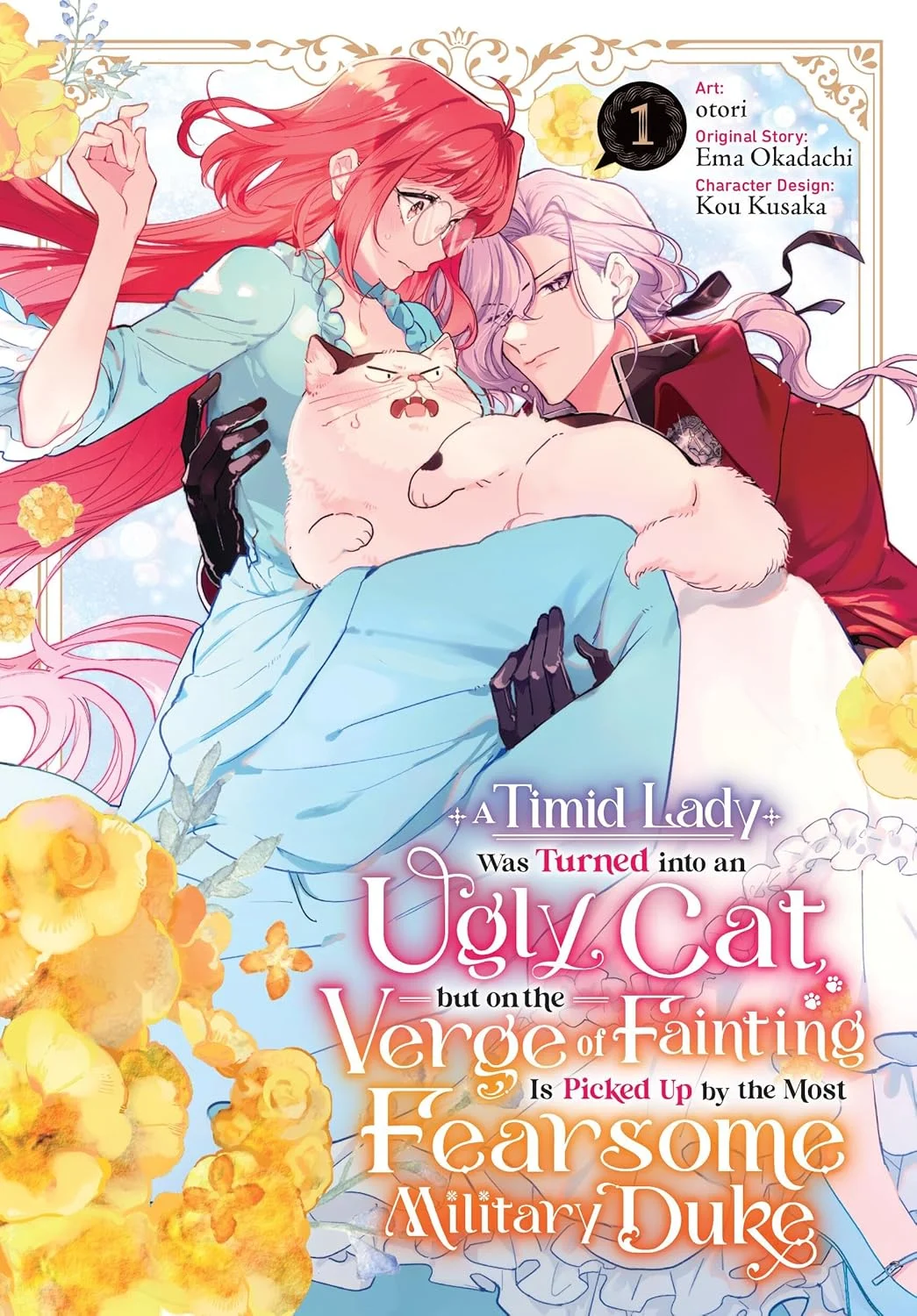
At its core, "A Timid Lady Was Turned into an Ugly Cat…" chronicles the poignant journey of Marie, the unassuming and often overlooked daughter of a viscount. In a society that values outward appearance and social grace, Marie exists in the perpetual shadow of her half-sister, Emilia, whose beauty and vivacity command the attention and admiration of all. Marie’s sole solace and source of pride is her engagement to Prince Maxim, a prospect that offers a glimpse of a brighter future. However, this fragile hope is shattered on Marie’s eighteenth birthday when Prince Maxim abruptly terminates their engagement, publicly declaring his love for Emilia.
The narrative takes a dramatic turn as Emilia, driven by a covetous desire to usurp Marie’s position and inheritance, resorts to dark magic. She enacts a potent curse, transforming Marie into a large, unattractive feline. Stripped of her voice and her human form, Marie is forced to flee her ancestral home, a pariah in her own right. The ensuing sequence depicts Marie’s desperate struggle for survival on the rain-slicked streets, her physical and emotional exhaustion pushing her to the brink of collapse. It is in this state of utter vulnerability that she is discovered by Duke Merck, a formidable military commander whose reputation precedes him as a figure of immense power, feared for his purportedly cold and unyielding demeanor.
Duke Merck, in an unexpected act of compassion, takes the distressed feline into his opulent residence and bestows upon her the name "Chiffon." Despite her unsightly form, Chiffon (Marie) experiences a profound shift in her circumstances. The duke, contrary to his fearsome reputation, treats her with a surprising degree of care and tenderness. Trapped in her feline guise and unable to reveal her true identity, Marie embarks on a clandestine quest to break the curse, yearning to reclaim her human form and her rightful place in society. This premise sets the stage for a narrative that explores themes of identity, deception, redemption, and the unexpected places where love and acceptance can be found.
Structural Analysis: A Tale of Two Halves
The manga adaptation of "A Timid Lady Was Turned into an Ugly Cat…" is notably structured into two distinct parts, reflecting the dramatic shift in the protagonist’s circumstances. The initial segment immerses the reader in Marie’s plight as an unfortunate young woman, facing betrayal and personal ruin. This part of the narrative is characterized by the inherent drama and pathos of her situation.
The second half of the manga marks a significant pivot, transforming Marie’s narrative into a series of fortunate events, albeit from the perspective of her feline alter ego. Her transformation into a cat, initially a curse, becomes a catalyst for an unexpected twist of fate, as she literally lands in the protective embrace of Duke Merck, arguably one of the most desirable bachelors in the kingdom. This juxtaposition of Marie’s initial misfortune with her subsequent "luck" as a cat creates a palpable sense of irony that the narrative effectively leverages. The tone shifts from dramatic tension to a more lighthearted and humorous exploration of a cat’s life, despite her internal perception of her own unattractiveness. This duality in the story’s progression, moving from a darker, more dramatic beginning to a lighter, more comedic middle, is a key element of its appeal.
However, the transition between these two narrative halves, and indeed the revelation of magic within Emilia’s family lineage, is noted by critics as being somewhat abrupt. This sudden shift in tone and plot progression can, at times, make the manga feel akin to two separate works, particularly in terms of its stylistic cohesion. While the abruptness might be intentional to mirror the suddenness of Marie’s transformation and the unfolding of magical elements, it could have benefited from more gradual integration to ensure a smoother reader experience across the entire narrative.
Thematic Depth: Appearance, Perception, and Societal Commentary
Beyond the fantastical premise, "A Timid Lady Was Turned into an Ugly Cat…" delves into profound thematic explorations that resonate with contemporary audiences. The story intricately examines the interconnectedness of appearances and gossip, and how these superficial elements can profoundly shape public perception and individual judgment. This commentary is particularly poignant within the Renaissance-inspired setting of the story, a period often characterized by rigid social hierarchies and a strong emphasis on outward presentation.
The narrative’s exploration of how characters are judged based on their looks and the rumors that surround them is presented in a manner that feels remarkably realistic, despite the magical elements. The story illustrates how societal biases can lead to misjudgments, both of the protagonist and other characters, highlighting the superficiality that can pervade social interactions. This aspect of the story is further amplified by its application to both Marie, who is initially judged for her perceived lack of beauty and social standing, and Duke Merck, who is feared due to his intimidating appearance and reputation. The dual application of this theme adds a layer of complexity and impact to the narrative, giving the story an additional depth that extends beyond a simple fairytale.
The ironic situation of Marie, who believes herself to be an "ugly cat" while being perceived as adorable by the duke, serves as a powerful metaphor for how self-perception can be distorted by societal pressures and internal insecurities. The narrative encourages a deeper consideration of inner beauty and character over superficial appearances, a timeless message that contributes to the story’s enduring appeal.
Artistic Execution: Otori’s Visual Narrative
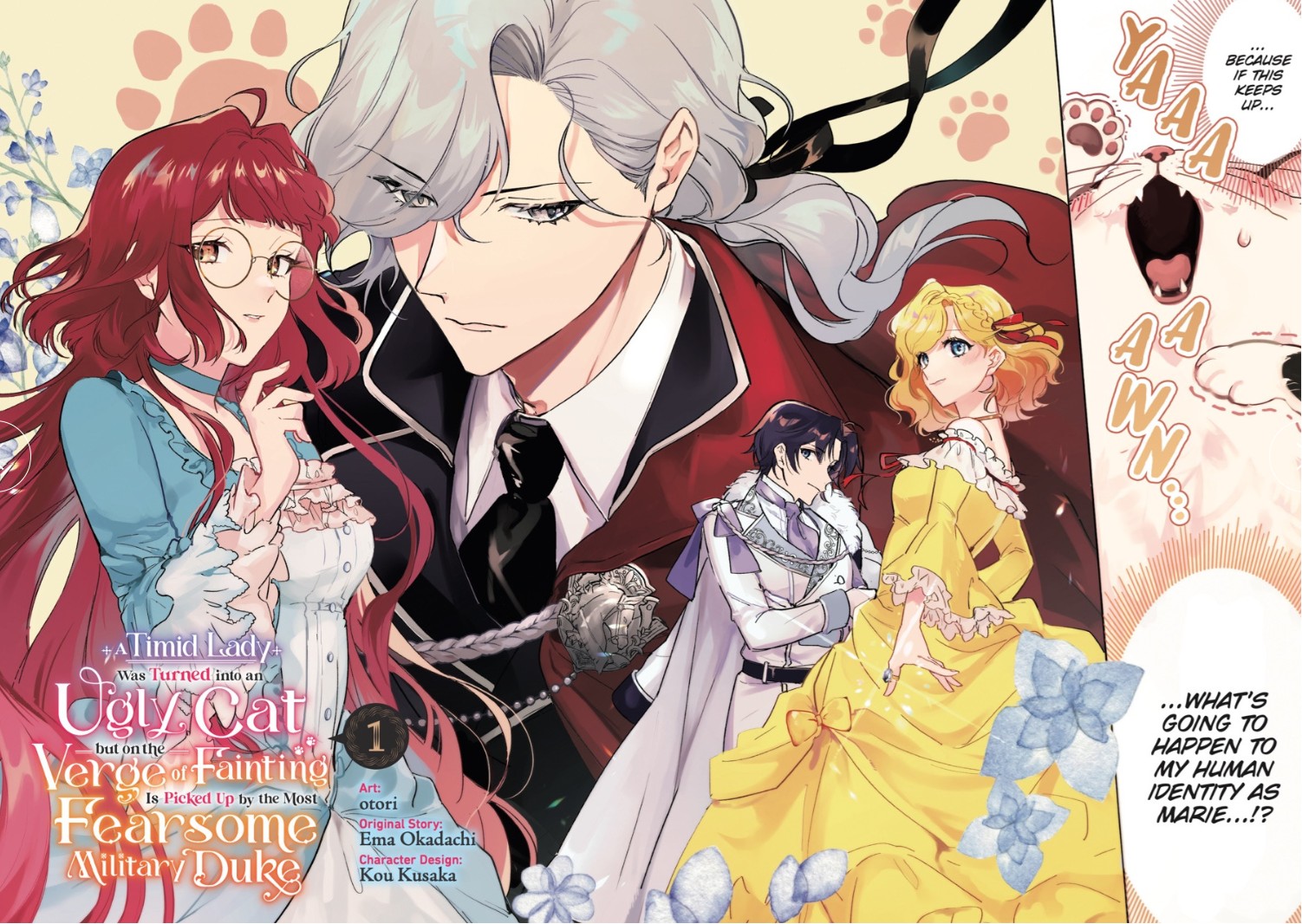
The manga adaptation’s artistic merit is a significant contributing factor to its success. Otori’s artwork is consistently praised for its high quality and meticulous detail. The character designs are distinct, ensuring that each individual is easily recognizable and memorable. Based on Kou Kusaka’s original character designs for the light novel, otori has successfully translated these visions into a compelling visual medium.
A particular highlight is the rendering of Marie in her cat form, Chiffon. The artist’s choice to emphasize the roundness and plumpness of the feline form imbues Chiffon with an undeniable adorability. This artistic decision is a clever one, as it directly contrasts with Marie’s own self-perception and provides a visual counterpoint to the story’s themes of appearance versus reality. This successful portrayal of the cat’s charm is crucial for the narrative’s romantic and comedic elements to flourish.
While the artwork is generally strong, the use of the "silly faces" trope is noted as being somewhat frequent. This is a common stylistic choice in manga, particularly within genres that incorporate humor and lightheartedness, but its overuse can, at times, detract from the overall aesthetic. Nevertheless, the backgrounds are rendered with considerable skill, adding depth and atmosphere to the scenes. This is especially evident in the latter half of the manga, where the reduction in dialogue allows the visual storytelling and the meticulously drawn environments to take center stage, further enhancing the reader’s immersion in the story’s world.
Target Audience and Broader Appeal
"A Timid Lady Was Turned into an Ugly Cat, but on the Verge of Fainting Is Picked Up by the Most Fearsome Military Duke" has established itself as a highly entertaining manga with a clear appeal to specific demographics. Cat lovers, in particular, are likely to be drawn to the central premise and the endearing portrayal of Chiffon. Furthermore, fans of period settings and historical fantasy will find the Renaissance-inspired backdrop and the societal dynamics engaging.
However, it is evident that the primary target audience for this work is female readers. The narrative’s focus on romance, personal transformation, overcoming adversity, and the inherent "shojo" (young girl) manga tropes positions it strongly within this demographic. The themes of betrayal, finding love, and societal expectations are often central to stories aimed at this audience.
The commercial success of the manga, culminating in its complete three-volume release, suggests a strong market reception. The availability of the work across multiple formats—web novel, light novel, and manga—indicates a strategic effort to cater to diverse reader preferences and to build a robust intellectual property. The potential for further adaptations, such as anime or even live-action dramas, remains a distinct possibility given the established popularity and the inherent visual and narrative strengths of the story. The narrative’s blend of fantasy, romance, and social commentary, executed with strong artistic talent, ensures its continued relevance and appeal within the popular entertainment landscape.