
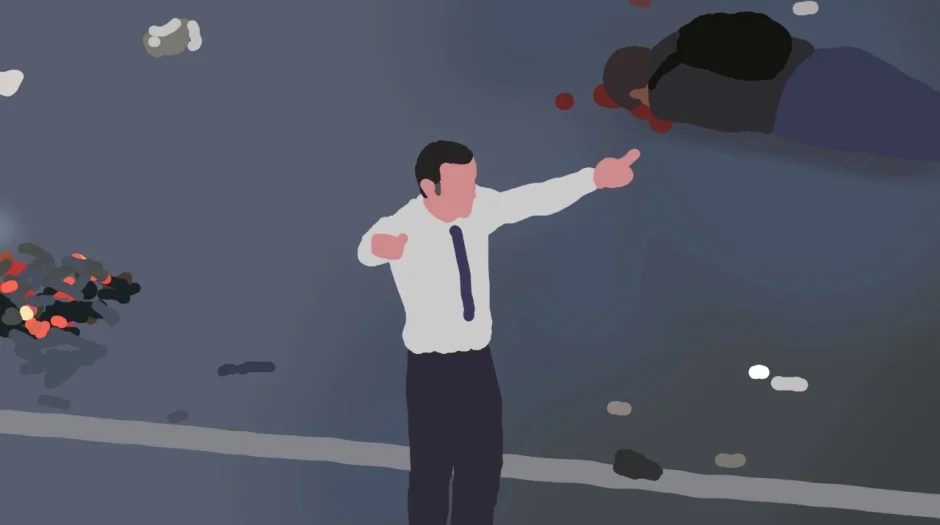
Alexis Beaumont, a director known for his work on the music video "Let’s Go" for Stuck in the Sound and the French animated series "Les Kassos" and "Vermin," has unveiled his latest short film, "A Little More Action (Un Peu Plus D’Action)." This visually striking animated piece, built around a French parody cover of Elvis Presley’s iconic "A Little Less Conversation," employs a fast-cut, rotoscoped style to deliver a sharp satirical commentary on contemporary media coverage of police violence and the pervasive issue of police impunity. Rather than adopting a documentary approach, Beaumont opts for humor to explore these sensitive and often disturbing real-world events.
The genesis of "A Little More Action" highlights the dedication and resourcefulness often seen in independent animation. Beaumont, like many artists in the field, undertook the project in his personal time, dedicating evenings and weekends to its creation. "From storyboard to final version, it took about a year," he shared in an interview. The meticulous rotoscoping process, where he painted frame by frame, proved to be a surprisingly "very relaxing process, compared to a classic 2D animation pipeline." He animated directly to the original Elvis track. Once this foundational work was complete, he approached musician Yoann Roussin, who also happens to be an animation director, to craft the distinctive French parody cover that underpins the film’s satirical edge.
Beaumont’s motivation for embarking on this independent project was also rooted in the realities of the animation industry. He explained, "I’ve been trying to write films and series and sell them to broadcasters, and I have several projects in development, but everything takes a long time, and projects often fall through." This experience, common among creators striving to bring their visions to fruition, underscored the appeal of a self-contained project. "That’s also why I wanted to make a small film on my own, to be able to finish it!" he stated, emphasizing the drive for tangible completion.
The Creative Process and Technical Challenges
The technical execution of "A Little More Action" presented its own set of hurdles. Beaumont identified the most significant challenge not in the animation itself, but in his own conviction about the film’s potential impact. "Since the shots are very fast and use rotoscoping, it was very hard to visualize how it would look in the end," he admitted. The rapid pacing and the inherently transformative nature of rotoscoping, which traces over existing footage, made it difficult to anticipate the final aesthetic and emotional resonance.
This uncertainty was further amplified during the animatic phase, where the preliminary version of the film was shared with his peers. "When I showed the animatic to people around me, I got mixed reactions," Beaumont recalled. This feedback likely underscored the subjective nature of artistic interpretation and the inherent risk in pushing creative boundaries. He persevered, stating, "I really had to wait until the film was finished to achieve the effect I wanted to create," a testament to his artistic vision and his belief in the ultimate power of the completed work.

A Satirical Lens on Media and Violence
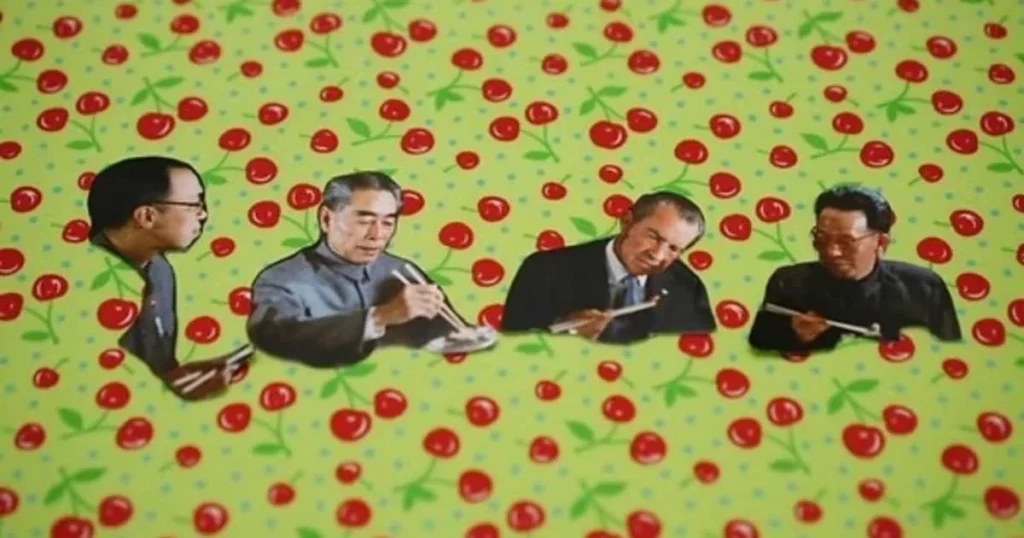
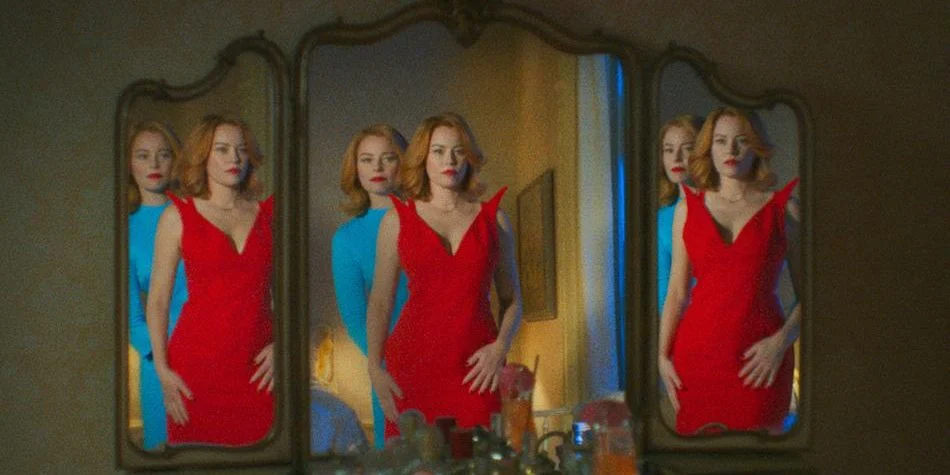
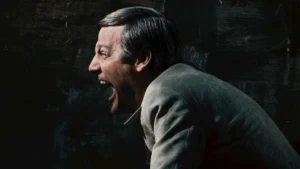
At its core, "A Little More Action" is a provocative exploration of how media perpetuates and normalizes violence, particularly in the context of law enforcement. Beaumont’s choice of rotoscoping is not merely a stylistic flourish; it serves a crucial narrative purpose. He meticulously rotoscoped real-world footage depicting instances of police violence, juxtaposing these raw, often disturbing images with clips from well-known cinematic scenes. This deliberate blending of reality and fiction is central to the film’s satirical intent.
The film aims to provoke thought through humor, a strategy that can be both effective and challenging. Beaumont hopes that audiences will engage with the film on multiple levels. "I hope they’ll laugh, because first and foremost, it’s a joke," he said. However, he is quick to add that the comedic veneer conceals a more profound message. "But there are underlying messages about how the media shows us violence, normalizes it, and about the impunity of police officers who commit these acts of violence." The interactive element of identifying the source material for the rotoscoped sequences is an intended feature, encouraging viewers to actively participate in deconstructing the film’s commentary. "I hope the audience will enjoy identifying the origins of the references," he added.
Contextualizing Police Violence and Media Representation
The issues addressed in "A Little More Action" are not abstract concerns; they are rooted in a global landscape marked by ongoing discussions and protests surrounding police brutality and accountability. Incidents of excessive force by law enforcement have been extensively documented across various countries, leading to increased public scrutiny and demands for reform. Media coverage of these events, while vital for informing the public, has also been criticized for its framing, its potential to sensationalize, or conversely, to desensitize audiences to the severity of the violence.
The concept of "normalization" that Beaumont critiques refers to the phenomenon where repeated exposure to violence, particularly through news cycles and entertainment media, can diminish its perceived shock value and lead to a societal acceptance or indifference. This can be exacerbated by narratives that often depict law enforcement actions without sufficient critical examination or by the very visual language used to present such events, which can inadvertently sanitize or abstract the human cost.
Police impunity, another central theme, refers to a situation where law enforcement officers can commit acts of violence or misconduct without facing meaningful legal consequences. This lack of accountability can erode public trust and perpetuate a cycle of abuse. The film’s use of satire, therefore, serves as a powerful tool to highlight these systemic issues by exaggerating or twisting familiar tropes of media portrayal and law enforcement actions.
Broader Implications and Artistic Responses
Beaumont’s short film contributes to a growing body of artistic work that uses animation and satire to address sensitive social and political issues. Animation, with its inherent ability to abstract reality and create potent visual metaphors, offers a unique platform for commentary that might be difficult to achieve through other mediums. By recontextualizing images of violence and police action, Beaumont challenges viewers to reconsider their own perceptions and the ways in which information is consumed.

The film’s success in engaging audiences will likely depend on its ability to strike a balance between its humorous intent and the gravity of its subject matter. Satire, by its nature, can be divisive, but when executed effectively, it can spark crucial conversations and encourage critical thinking. The fact that Beaumont chose to animate this particular subject matter, using a style that is both visually engaging and conceptually relevant, suggests a deliberate attempt to reach a wide audience and provoke a visceral reaction.
The choice to use a parody of an Elvis song, "A Little Less Conversation," is particularly resonant. The original song’s plea for direct communication and less ambiguity is subverted by the film’s title and its content, suggesting a desire for "a little more action" in confronting the realities of violence and impunity, perhaps implying a need for less talking and more meaningful engagement with the issues.
As "A Little More Action (Un Peu Plus D’Action)" circulates, it is likely to generate discussion not only about its artistic merits but also about the critical role of media in shaping public understanding of justice, accountability, and the pervasive issue of police violence. Beaumont’s independent spirit and his willingness to tackle complex themes through a bold artistic vision underscore the continued importance of independent animation in social and cultural discourse.
The film’s creation in spare time is a testament to the passion and dedication of independent artists. While many animation projects face lengthy development cycles and potential setbacks when pitching to broadcasters, Beaumont’s success with "A Little More Action" demonstrates the power of a focused, personal vision. The year-long production schedule, involving frame-by-frame painting, highlights the labor-intensive nature of rotoscoping, even when perceived as relaxing compared to other animation pipelines.
The potential for audiences to recognize references to both real-world events and cinematic portrayals adds another layer of engagement. This element invites viewers to actively participate in the film’s critique, drawing connections between the stylized representations of violence in film and the often stark realities captured in news footage. By blurring these lines, Beaumont encourages a more critical examination of how both entertainment and journalism contribute to our understanding of police conduct and its consequences.
In conclusion, Alexis Beaumont’s "A Little More Action (Un Peu Plus D’Action)" is a potent example of how animation can serve as a vehicle for critical social commentary. Through its innovative use of rotoscoping, a clever musical parody, and a satirical approach, the film confronts the unsettling realities of media-driven normalization of violence and the persistent challenge of police impunity, urging viewers to look beyond the surface and engage with the deeper implications of what they see and hear.