Jeffrey Kessler, a titan in the realm of antitrust litigation, has been enlisted to spearhead Paramount’s defense against legal challenges arising from its proposed $110 billion megadeal involving Warner Bros. Discovery. This strategic appointment comes as the media landscape braces for a potential seismic shift, with the merger already facing an initial legal salvo from consumers concerned about its competitive implications. Kessler, co-executive chair of Winston & Strawn, is renowned for his formidable track record in high-stakes antitrust cases, most recently securing a landmark win for states suing Live Nation, a decision that underscored his prowess in challenging corporate dominance.
The engagement of Kessler signals Paramount’s proactive and robust approach to navigating the complex regulatory and legal environment surrounding such a colossal transaction. Despite the studio’s stated expectation that it will not encounter legal opposition from the U.S. Justice Department, state prosecutors, or foreign regulators, Kessler’s presence ensures a formidable defense posture should any such challenges materialize. His inclusion significantly augments an already impressive legal contingent assembled by Paramount, which includes distinguished figures like Makan Delrahim, who previously served as Trump’s assistant attorney general for antitrust, and David Gelfand, a former deputy assistant attorney general for litigation in the antitrust division under the Obama administration. These seasoned antitrust veterans, alongside legal teams from prestigious firms Latham & Watkins and Cravath, Swaine & Moore, have been actively engaged in seeking regulatory clearances for the proposed merger.
The Architect of Defense: Jeffrey Kessler’s Unrivaled Pedigree
Jeffrey Kessler’s reputation precedes him, built on a career defined by groundbreaking victories against powerful entities. His strategic legal mind and aggressive advocacy have consistently positioned him at the forefront of significant antitrust battles, often on behalf of plaintiffs, challenging established norms and corporate monopolies. His recent string of successes highlights why Paramount has entrusted him with the defense of a deal poised to redefine the media industry.
One of Kessler’s most impactful achievements came in 2019, when he secured a landmark antitrust victory against the National Collegiate Athletic Association (NCAA) on behalf of student-athletes. This pivotal ruling fundamentally altered the landscape of college sports by cracking open the door for student-athletes to profit from their name, image, and likeness (NIL). This seismic shift not only empowered thousands of athletes but also set a precedent for challenging long-standing institutional practices on antitrust grounds.
More recently, in the preceding year, Kessler was instrumental in representing a coalition of over 30 states that raised objections to a last-minute settlement between the Justice Department and Live Nation. The subsequent legal proceedings culminated in a jury verdict concluding that Live Nation operated as a monopoly, violating both federal and state antitrust statutes. This victory underscored Kessler’s capacity to navigate intricate antitrust frameworks and achieve favorable outcomes against powerful industry players. In 2023, he also successfully secured the dismissal of an antitrust lawsuit initiated by Broadway producer Garth Drabinsky against Actors’ Equity Association, following Drabinsky’s placement on the union’s “Do Not Work” list, further demonstrating his versatility across various sectors. These high-profile wins collectively solidify Kessler’s standing as a preeminent antitrust litigator, making his involvement a significant indicator of Paramount’s commitment to successfully closing the Warner Bros. Discovery deal.
The Proposed Megadeal: Reshaping Hollywood’s Horizon
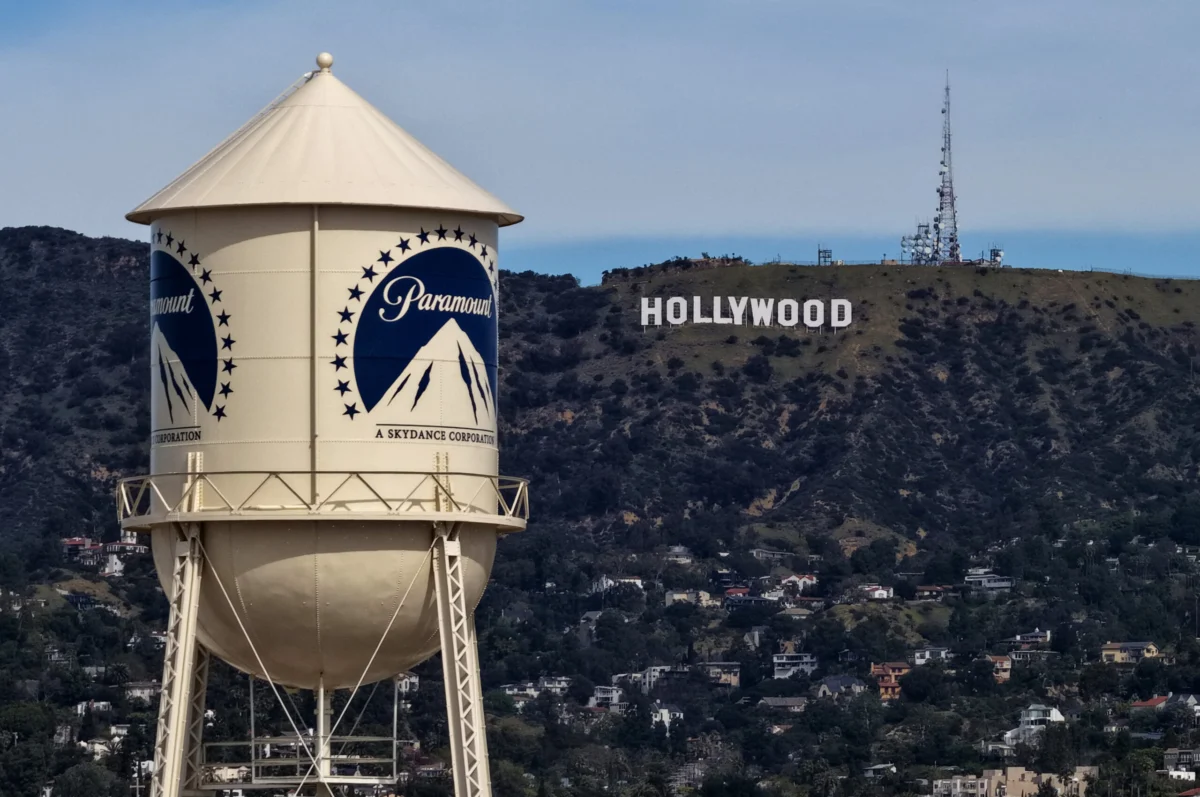
The potential $110 billion merger between Paramount and Warner Bros. Discovery represents more than just a corporate transaction; it is a bold strategic maneuver in a rapidly evolving global media ecosystem. While the precise structure of the deal (whether an outright acquisition by Paramount or a merger of equals) is subject to ongoing negotiations and regulatory disclosures, its sheer scale suggests a profound impact on the competitive dynamics of Hollywood.
At its core, the proposed combination is driven by the intense pressures of the streaming wars and the broader consolidation trend within the entertainment industry. Companies like Paramount Global (which includes Paramount Pictures, CBS, MTV, Comedy Central, Showtime, and the Paramount+ streaming service) and Warner Bros. Discovery (a conglomerate formed from the merger of WarnerMedia and Discovery, encompassing Warner Bros. film and TV studios, HBO, CNN, TNT, Discovery Channel, and the Max streaming service) are seeking increased scale, diversified content libraries, and enhanced global reach to compete effectively with tech giants and established media behemoths. A combined entity would boast an unparalleled portfolio of intellectual property, ranging from iconic film franchises and premium television series to extensive news and unscripted content, potentially creating a formidable competitor to Disney, Netflix, and Amazon.
The rationale for such a merger typically involves achieving significant cost synergies through shared infrastructure, reduced overhead, and streamlined operations. Furthermore, a larger combined subscriber base for their streaming services could offer greater leverage in content licensing negotiations and advertising revenue generation. For consumers, the implications are multifaceted: while a combined service might offer a vast array of content, concerns about reduced choice and potential price increases often accompany such large-scale consolidation.
Antitrust Landscape in Media & Entertainment: A Climate of Scrutiny
The media and entertainment sector has been a hotbed of merger and acquisition activity over the past decade, driven largely by the digital transformation and the imperative to build competitive streaming platforms. From Disney’s acquisition of 21st Century Fox to AT&T’s controversial (and later unwound) purchase of Time Warner, and the subsequent formation of Warner Bros. Discovery itself, the industry has seen a continuous reshuffling of assets. This environment of consolidation has, in turn, drawn increasing scrutiny from antitrust regulators both domestically and internationally.
The U.S. Justice Department and the Federal Trade Commission (FTC) have adopted a more assertive stance on antitrust enforcement under the Biden administration, signaling a willingness to challenge large mergers that could stifle competition or harm consumers. This heightened vigilance is evident in various sectors, and media is no exception, given its significant impact on public discourse and consumer leisure. Regulators are particularly concerned about mergers that could lead to fewer content creators, reduced output diversity, increased subscription prices, or decreased opportunities for independent players in production and distribution. The potential for a combined Paramount/Warner Bros. Discovery entity to dominate multiple facets of content creation, distribution, and advertising would undoubtedly be analyzed through this lens of rigorous antitrust review.
The Legal Challenge: Consumer Lawsuit and Initial Skirmishes
The first formal opposition to the Paramount/Warner Bros. Discovery megadeal has emerged not from government bodies, but from a group of consumers. On Friday, a federal judge formally accepted Kessler’s application to represent Paramount in a lawsuit filed by subscribers last month. This class-action lawsuit claims that the proposed acquisition would "substantially reduce competition in streaming, news, and theatrical distribution," thereby violating existing antitrust laws. The plaintiffs contend that such a consolidation would lead to fewer choices for consumers, potentially higher prices for streaming services and movie tickets, and a general stifling of innovation within the industry.
The consumer complaint, which Kessler has publicly dismissed as "baseless," represents the initial volley in what could become a protracted legal battle. Kessler’s statement further elaborated on his view, calling the complaint a resort to "political scaremongering that is both inaccurate and irrelevant to the antitrust analysis." He added, "What we do learn from the complaint is that there is no credible antitrust case to be brought against the Paramount/Warner Bros. merger. In my many years of practice championing competition and the interests of consumers, athletes, and workers, I have rarely seen such a weak case seeking to block a transaction."
On Wednesday, lawyers representing the consumers escalated their challenge by moving for a preliminary injunction to block the deal. Such an injunction, if granted, would temporarily halt the merger process, providing the court more time to fully assess the antitrust claims. This move underscores the plaintiffs’ determination to prevent the deal from closing, believing it poses an immediate and irreparable harm to market competition and consumer welfare. The lawsuit, therefore, serves as a critical early test for the viability of the megadeal, placing the burden on Paramount to demonstrate that the transaction is pro-competitive and aligns with the spirit of antitrust legislation.
Paramount’s Stance and Legal Dream Team: A United Front
Paramount’s leadership expresses confidence in the legality and competitive benefits of the proposed merger. The studio’s conviction that it will not face governmental challenges from the Justice Department, state prosecutors, or foreign regulators suggests a belief that their analysis of market dynamics and potential synergies will withstand scrutiny. This confidence is underpinned by the formidable legal team they have assembled, a veritable "dream team" of antitrust experts.
Beyond Kessler’s recent appointment, the core of Paramount’s defense includes Makan Delrahim, a former Assistant Attorney General for Antitrust under the Trump administration, whose deep understanding of the DOJ’s enforcement priorities and strategies will be invaluable. Complementing him is David Gelfand, who served as Deputy Assistant Attorney General for litigation in the antitrust division during the Obama presidency, bringing another layer of governmental antitrust enforcement experience. These former high-ranking government officials, intimately familiar with the intricacies of federal antitrust law and enforcement practices, provide a powerful strategic advantage.
The expertise is further broadened by the involvement of prestigious law firms. Latham & Watkins and Cravath, Swaine & Moore are both recognized for their extensive experience in high-stakes corporate mergers and complex litigation, having advised numerous multinational corporations through regulatory approval processes. Within Kessler’s own firm, Winston & Strawn, a dedicated team of antitrust litigators including partners Jeanifer Parsigian, Conor Reidy, Kevin Goldstein, and Matt Huppert, all with significant experience in complex antitrust cases, are also representing Paramount in this specific consumer lawsuit. This comprehensive legal architecture reflects the magnitude of the deal and Paramount’s unwavering commitment to its successful realization.
Regulatory Scrutiny and Potential Hurdles
While Paramount projects confidence regarding governmental approval, the path to closing a $110 billion merger in the current regulatory climate is rarely without potential hurdles. Even without an immediate governmental lawsuit, the Justice Department, FTC, and international regulatory bodies will conduct thorough reviews. Their assessments typically focus on several key areas:
- Market Concentration: Regulators will analyze whether the combined entity would lead to undue concentration in specific markets, such as streaming subscriptions, content production, advertising sales, or theatrical distribution. The fear is that fewer competitors could lead to reduced innovation and higher prices.
- Harm to Consumers: The central tenet of antitrust law is consumer welfare. Regulators will evaluate whether the merger would harm consumers through increased prices, reduced quality or variety of content, or limited choice.
- Impact on Competitors: The deal’s potential effect on smaller content creators, independent studios, and rival distributors will also be scrutinized. A dominant player could make it harder for smaller entities to compete for talent, distribution channels, or advertising revenue.
- Information Exchange/Coordination: Regulators might also consider if the merger would facilitate anti-competitive information sharing or coordination among the remaining major players.
Furthermore, political pressures and public sentiment can sometimes influence regulatory action. Advocacy groups, consumer organizations, and even members of Congress may voice concerns, potentially prompting closer examination by enforcement agencies. Foreign regulators, particularly in major markets where Paramount and Warner Bros. Discovery have significant operations, will conduct their own reviews, adding another layer of complexity and potential conditions to the merger. The European Commission, for instance, has a track record of imposing stringent conditions or even blocking deals that it deems anti-competitive within the EU market.
Implications for Hollywood and the Consumer
The successful completion of a Paramount/Warner Bros. Discovery megadeal would undoubtedly "reshape Hollywood," as the original article noted, with far-reaching implications for the industry and its global audience.
For Hollywood, the most immediate impact would be a further consolidation of power and content. A combined entity would control an even larger percentage of intellectual property, production facilities, and distribution channels. This could lead to a more streamlined (and potentially more efficient) content creation process, but it also raises concerns among talent, independent producers, and smaller studios about reduced opportunities and bargaining power. The "streaming wars" would intensify, potentially creating a "big three or four" dominant players that could dictate market terms.
For consumers, the implications are mixed. On one hand, a combined Paramount+ and Max streaming service could offer an incredibly vast and diverse library of content, potentially making it a one-stop shop for entertainment. This could simplify choices for some subscribers. On the other hand, consolidation often leads to fewer choices of distinct services, and potentially to price increases as companies leverage their market dominance. There’s also a risk of content becoming more homogeneous as companies prioritize broad appeal across their vast libraries. The long-term impact on journalistic diversity and local news coverage, given the companies’ news assets, would also warrant close observation.
Chronology of Key Events (Approximate)
- Early 2024: Rumors and reports of potential merger discussions between Paramount and Warner Bros. Discovery begin circulating.
- Late February/Early March 2024: Formal discussions or advanced negotiations regarding a potential $110 billion megadeal are reported in the media.
- Late March 2024: A class-action lawsuit is filed by Paramount subscribers, challenging the proposed merger on antitrust grounds, claiming reduced competition in streaming, news, and theatrical distribution.
- April 2024: Jeffrey Kessler applies to represent Paramount in the consumer lawsuit.
- April 2024 (Friday before article publication): A federal judge accepts Kessler’s application, formally bringing him onto Paramount’s defense team.
- April 2024 (Wednesday before article publication): Lawyers for the consumer plaintiffs file a motion for a preliminary injunction to block the deal.
Broader Context: The Biden Administration’s Antitrust Stance
It is crucial to consider this proposed merger within the broader context of the Biden administration’s invigorated approach to antitrust enforcement. Spearheaded by figures like Lina Khan at the FTC and Jonathan Kanter at the DOJ’s Antitrust Division, the current administration has signaled a clear departure from the more laissez-faire antitrust policies of previous decades. Their philosophy emphasizes scrutinizing mergers for potential harm to labor markets, small businesses, and innovation, in addition to traditional consumer price effects. This more aggressive stance means that even if Paramount is confident about avoiding governmental lawsuits, any regulatory review will be exceptionally thorough and potentially demanding. The administration’s focus on mega-mergers in critical sectors underscores that large transactions like the Paramount/Warner Bros. Discovery deal will face an uphill battle to demonstrate their pro-competitive benefits unequivocally.
In conclusion, the engagement of Jeffrey Kessler by Paramount marks a critical juncture in the unfolding saga of the proposed $110 billion merger with Warner Bros. Discovery. His unparalleled track record in challenging monopolies and navigating complex antitrust landscapes signals Paramount’s intent to vigorously defend the transaction. While the studio expresses confidence in its ability to secure regulatory approvals, the initial consumer lawsuit and the broader climate of heightened antitrust scrutiny ensure that the path to reshaping Hollywood through this megadeal will be closely watched and hotly contested. The outcome will not only determine the future trajectory of these two media giants but also set significant precedents for consolidation and competition across the global entertainment industry.