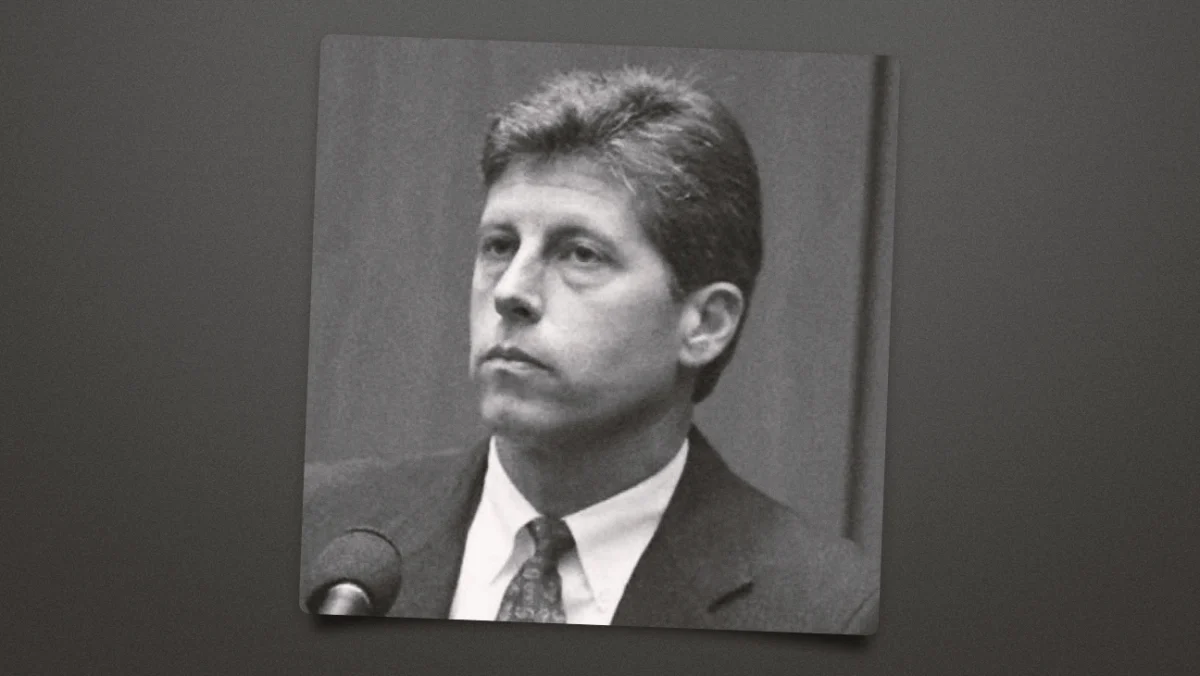
Mark Fuhrman, the former Los Angeles Police Department (LAPD) detective whose central, yet ultimately fraught, role in the sensational 1995 murder trial of O.J. Simpson captivated and polarized a nation, has died at the age of 78. His passing was confirmed by Lynette Acebedo, the chief deputy coroner in Kootenai County, Idaho, where Fuhrman had been residing at the time of his death. Acebedo, in a statement to multiple media outlets, indicated that no further information would be released through her office, adhering to standard protocols for private matters. Reports from TMZ, citing sources close to the situation, specified that Fuhrman passed away on May 12, 2026, following a battle with an aggressive form of throat cancer. His death marks the end of a life inextricably linked to one of the most high-profile and racially charged legal sagas in American history, a trial that not only determined the fate of a celebrity but also profoundly exposed fault lines within the nation’s justice system and public trust in law enforcement.
The Trial of the Century: A National Obsession Unfolds
To understand the magnitude of Mark Fuhrman’s notoriety, one must revisit the extraordinary circumstances of the O.J. Simpson murder trial. On June 12, 1994, the bodies of Nicole Brown Simpson, ex-wife of the revered football icon O.J. Simpson, and her friend Ronald Goldman, were discovered brutally murdered outside her Brentwood condominium in Los Angeles. The ensuing investigation quickly centered on Simpson, a beloved former NFL star and actor whose public image had long been one of charisma and athletic prowess. The initial pursuit of Simpson, culminating in a low-speed white Ford Bronco chase broadcast live across the nation, transformed the developing legal case into an unprecedented media spectacle. What followed was dubbed "The Trial of the Century," a nine-month-long courtroom drama that unfolded on television screens and newspaper front pages, dominating public discourse and revealing deep societal divisions concerning race, class, and justice.
The prosecution, led by Marcia Clark and Christopher Darden, aimed to build a compelling case based on forensic evidence, including DNA, blood samples, and physical clues found at the crime scene and Simpson’s estate. The defense, a "Dream Team" of high-profile attorneys including Johnnie Cochran Jr., Robert Shapiro, and F. Lee Bailey, countered with a strategy that questioned the integrity of the evidence, the competence of the police investigation, and, crucially, the racial biases of the Los Angeles Police Department. It was within this highly charged atmosphere that Detective Mark Fuhrman emerged as a central, and ultimately devastating, figure for the prosecution.
Mark Fuhrman’s Pivotal Role in the Investigation
Before the Simpson trial, Mark Fuhrman was a seasoned detective with the LAPD, having joined the force in 1975. He was known for his assertive demeanor and an alleged reputation for aggressive tactics, accumulating years of experience in homicide investigations. His involvement in the Simpson case began early on the morning of June 13, 1994, when he was among the first detectives to arrive at Nicole Brown Simpson’s crime scene. His primary assignment that day was to assess the scene and assist in evidence collection.
It was Fuhrman who, during an evidence search at O.J. Simpson’s nearby Brentwood estate, located approximately two miles from the murder scene, made what initially appeared to be a crucial discovery: a single, blood-stained leather glove. This glove, found near Simpson’s guesthouse, was later determined to be the mate to another bloody glove discovered at the actual murder scene at Nicole Brown Simpson’s residence. The implication was clear: if both gloves belonged to Simpson and were found at both locations, it would strongly link him directly to the double homicide. Fuhrman’s testimony regarding his discovery, his observations at the scene, and his chain-of-custody procedures for handling evidence became foundational to the prosecution’s case. His confident and seemingly unshakeable demeanor on the witness stand during direct examination initially bolstered the prosecution’s narrative, presenting him as a credible and meticulous officer of the law.
The Infamous Glove and its Unraveling Implications
The "bloody glove" became an iconic symbol of the Simpson trial, its significance amplified by the dramatic courtroom demonstration that unfolded during the proceedings. During the trial, prosecutor Christopher Darden, against the advice of some colleagues who feared it might backfire, asked O.J. Simpson to try on the leather glove in front of the jury. The moment was fraught with tension, broadcast live to millions. Simpson struggled to pull the glove onto his hand, famously declaring, "These are too small!" or, as some accounts described, seemingly manipulating his hands to ensure it wouldn’t fit properly. The image of Simpson straining with the glove, seemingly unable to wear it, with the jury watching intently, was seared into the minds of jurors and the public alike.
This highly publicized moment provided defense attorney Johnnie Cochran Jr. with the rhetorical ammunition he needed to deliver one of the most memorable lines in legal history: "If it doesn’t fit, you must acquit." The glove incident introduced a critical element of doubt, shifting the focus from the compelling forensic evidence the prosecution had presented to the perceived failure of a key piece of physical evidence. Legal experts and commentators at the time offered various theories for the ill fit, ranging from the glove shrinking due to blood and drying, to Simpson intentionally clenching his hand, or even the possibility that he was wearing latex gloves underneath, though this last point remained speculative. Regardless of the actual reason, the visual impact was undeniable, severely undermining the prosecution’s narrative and planting seeds of reasonable doubt among the jurors.
The Perjury Scandal: A Devastating Blow to the Prosecution
While the glove incident delivered a significant blow to the prosecution, it was the unraveling of Mark Fuhrman’s credibility that proved to be a catastrophic turning point for their entire case. The defense team, keenly aware of Fuhrman’s past, began to systematically challenge his character and professional conduct. During cross-examination, defense attorney F. Lee Bailey pressed Fuhrman about his use of racial slurs, specifically the "n-word." Fuhrman unequivocally denied under oath that he had used the derogatory term in the past decade, stating, "No, sir. Not that I recall." He also denied ever planting evidence.
However, the defense had a powerful ace up their sleeve: audiotapes. These tapes, recorded by aspiring screenwriter Laura Hart McKinny between 1985 and 1994 for a project on female police officers, contained Fuhrman using the racial epithet more than 40 times. On these tapes, Fuhrman also boasted about fabricating probable cause, planting evidence, and expressing deeply racist and misogynistic views about minorities and women. The discovery and subsequent presentation of these tapes to the court sent shockwaves through the trial. Judge Lance Ito initially allowed the jury to hear only two brief excerpts where Fuhrman used the slur, but the damage was done. His direct denial under oath was now demonstrably false.
Fuhrman’s perjury not only tainted his own testimony but cast a long shadow over the entire LAPD and the prosecution’s case. The defense masterfully argued that if Fuhrman could lie about his use of racial slurs, he could also lie about discovering the glove or even planting it to frame O.J. Simpson, a Black man. This narrative resonated deeply with many, particularly within the African American community, where historical mistrust of the LAPD and systemic racial bias in the justice system were long-standing concerns. The prosecution, its key witness’s credibility shattered, was forced to acknowledge Fuhrman’s perjury but argued that his lies did not negate the other substantial evidence against Simpson. Ultimately, the jury found O.J. Simpson not guilty of the murders on October 3, 1995, a verdict that many observers believed was heavily influenced by the profound doubts raised about Fuhrman’s integrity and the possibility of police misconduct.
Legal Consequences and Public Fallout
The repercussions for Mark Fuhrman extended beyond the courtroom. In 1996, Fuhrman pleaded no contest to a felony perjury charge for his false testimony during the Simpson trial. He was sentenced to three years’ probation and fined $200. This conviction, stemming from his deliberate untruths under oath, cemented his status as a symbol of police misconduct and racial prejudice in the eyes of many. The incident fueled widespread public debate about police accountability, the ethics of law enforcement, and the insidious nature of racial bias within institutions. It forced a national reckoning with the realities of race relations and the justice system, prompting calls for reform and greater scrutiny of police practices.
The LAPD, already grappling with a history of racial tension and accusations of brutality, faced intense criticism. The Fuhrman scandal contributed to a broader narrative of systemic issues within the department, culminating years later in the Rampart scandal, further eroding public trust. For many, Fuhrman’s perjury was not merely an isolated incident of a rogue officer but a symptom of deeper, unaddressed problems that pervaded aspects of the justice system.
Life After the LAPD: Author and Pundit
Following his retirement from the LAPD in 1995, Fuhrman embarked on a surprising second career that leveraged his notoriety. He transitioned into becoming a true crime author, penning several books that often revisited high-profile cases, including his own account of the Simpson investigation. His 1997 book, "Murder in Brentwood," offered his perspective on the Simpson case, maintaining Simpson’s guilt and attempting to rehabilitate his own image by offering explanations for his actions and testimony. He also authored "Death and Justice: An Expose of Oklahoma’s Death Row" (1998) and "Murder in Spokane: A True Story of Premeditated Murder in a Small Town" (2001), among others, delving into other criminal investigations.
Fuhrman also found a niche as a talk radio host and television commentator, often appearing on news programs to discuss crime, forensic evidence, and police procedures. He became a familiar voice in the true crime genre, offering his often-controversial insights and critiques of other investigations. Despite his past legal troubles, he managed to cultivate a new audience, maintaining a public presence and continuing to offer his perspectives on the American justice system. This career trajectory highlighted the complex ways in which figures involved in major scandals can re-enter public life, sometimes finding success by leaning into their controversial past, offering a unique, albeit tainted, viewpoint.
A Lasting Cultural Imprint
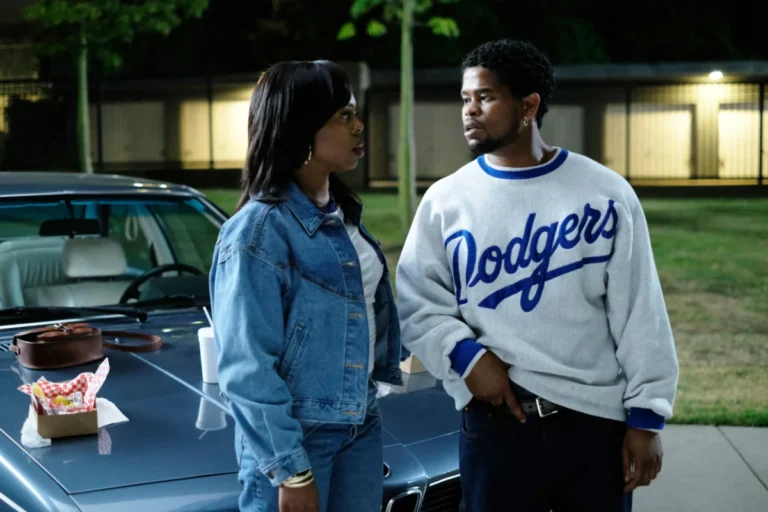
Mark Fuhrman’s enduring impact is perhaps best illustrated by his indelible presence in the cultural memory of the O.J. Simpson trial. Decades after the verdict, the trial continued to fascinate and provoke discussion, leading to renewed interest and adaptations. In 2016, Fuhrman was prominently featured in FX’s critically acclaimed scripted series, American Crime Story: The People v. O.J. Simpson. Portrayed by actor Steven Pasquale, Fuhrman’s character arc in the series meticulously depicted his role in the investigation, his initial confidence on the stand, and the dramatic downfall orchestrated by the defense team’s revelation of his racist past. The series brought the complexities and controversies of the trial, including Fuhrman’s central role, to a new generation of viewers, reigniting debates about race, justice, and media influence.
His portrayal in popular culture underscored how Fuhrman transcended being merely a witness in a trial; he became a symbol. For some, he represented the corruption and racial bias inherent in law enforcement. For others, he was a scapegoat whose personal flaws were exploited by a clever defense to secure an unjust acquittal. This duality ensured that his name remained a touchstone in discussions about the Simpson trial and its broader implications for American society, often sparking renewed debate whenever the topic arose.
The Legacy of Mark Fuhrman
Mark Fuhrman’s death closes a chapter on one of the most polarizing figures associated with the O.J. Simpson murder trial. His life story, from decorated detective to convicted perjurer, true crime author, and media personality, encapsulates the tumultuous nature of the justice system and the public’s enduring fascination with crime and its aftermath. While the legal verdict in the Simpson trial remains one of the most debated in history, Fuhrman’s role undeniably shaped its outcome and its legacy.
His actions fueled a national conversation about police ethics, racial prejudice, and the fragility of truth in a courtroom drama played out on a global stage. The questions raised by his testimony and subsequent conviction continue to resonate, reminding society of the critical importance of integrity in law enforcement and the profound consequences when that integrity is compromised. Mark Fuhrman’s passing invites a final reflection on the complex, often uncomfortable, truths revealed by "The Trial of the Century," and the lasting imprint he left on American legal and cultural history. His journey through notoriety serves as a powerful testament to how a single individual’s actions can reverberate far beyond a courtroom, influencing public perception, historical narratives, and the ongoing dialogue about justice in a diverse society.